
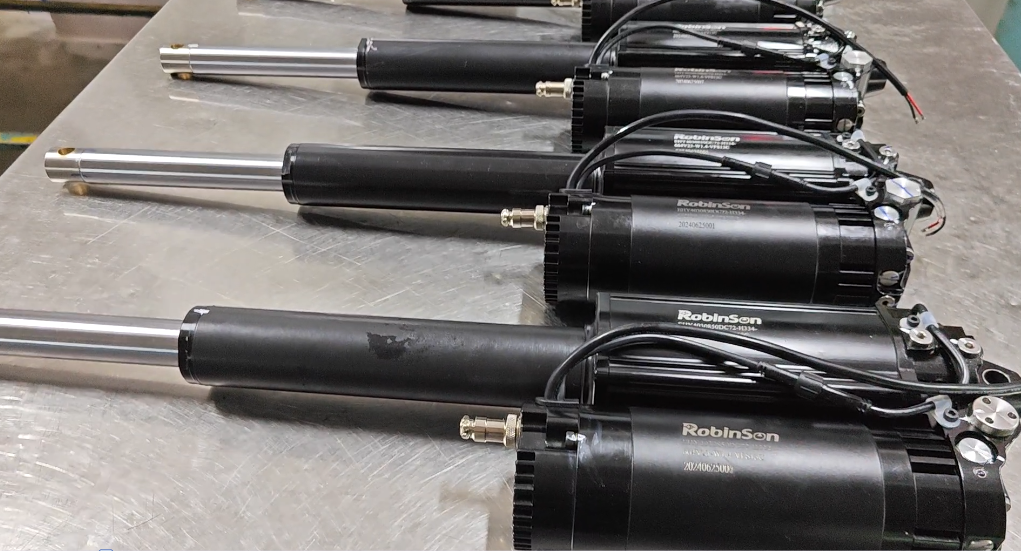
Understanding how actuators work is crucial for selecting the right component for your application. As a supplier, we provide the foundational technology that enables motion in various machinery. This knowledge helps you make informed decisions for your projects, ensuring reliability and performance. We focus on the core principles that make these devices essential across industries.
My Internal Motor Creates Motion
The core of our operation begins with an electric motor that converts electrical energy into mechanical rotation. This rotational motion is the fundamental first step for generating the linear or rotary output required. The type of motor used, such as DC, AC, or stepper, determines characteristics like speed, torque, and control precision. In a motorized linear actuator, this motor is coupled with a lead or ball screw to transform rotation into a precise linear push or pull motion. The efficiency of this conversion process is critical for the overall performance and energy consumption of the system. We design our motors to provide a reliable and consistent source of motion for a wide array of demanding applications, from industrial automation to mobile equipment.
My Gears Transfer Mechanical Force
Once the motor generates rotation, a gear system is often employed to modify this output. Gears are essential for adjusting the motor’s high-speed, low-torque rotation into a more useful low-speed, high-torque motion. This mechanical advantage allows a relatively small motor to move significant loads. Different gear types, including spur, planetary, or worm gears, are selected based on the required torque, efficiency, and physical size constraints. In systems from various electro hydraulic actuator manufacturers, gears can also be part of a pump mechanism that builds hydraulic pressure. The precision and durability of these gear trains are vital for the longevity and smooth operation of the entire actuation system under continuous use.
My Rod Extends and Retracts
The final stage of our operation is the physical extension and retraction of the actuator rod, which performs the actual work. This rod is connected to a mechanism that converts the motor’s rotational force into a linear path. In electromechanical actuators, a screw thread engages with a nut that is fixed to the rod, causing it to move in or out as the screw turns. The rod travels within a protective tube or housing, which provides structural support and shields the internal components from contaminants. The length of the stroke, the speed of movement, and the force exerted are all precisely controlled by the initial motor input and the mechanical design. This reliable, repeatable linear motion is what interfaces directly with the application to push, pull, lift, or position a load.
Conclusion
From intricate industrial robots to convenient home upgrades, actuators are the silent workhorses enabling precise movement. Understanding their operation—whether electric, hydraulic, or pneumatic—allows for smarter integration and longer system life. Selecting a component with the right force, speed, and durability for your specific application is crucial. For those seeking engineered reliability, Rotontek offers a foundation of quality motor manufacturing and customized design support, helping translate motion concepts into reliable reality.