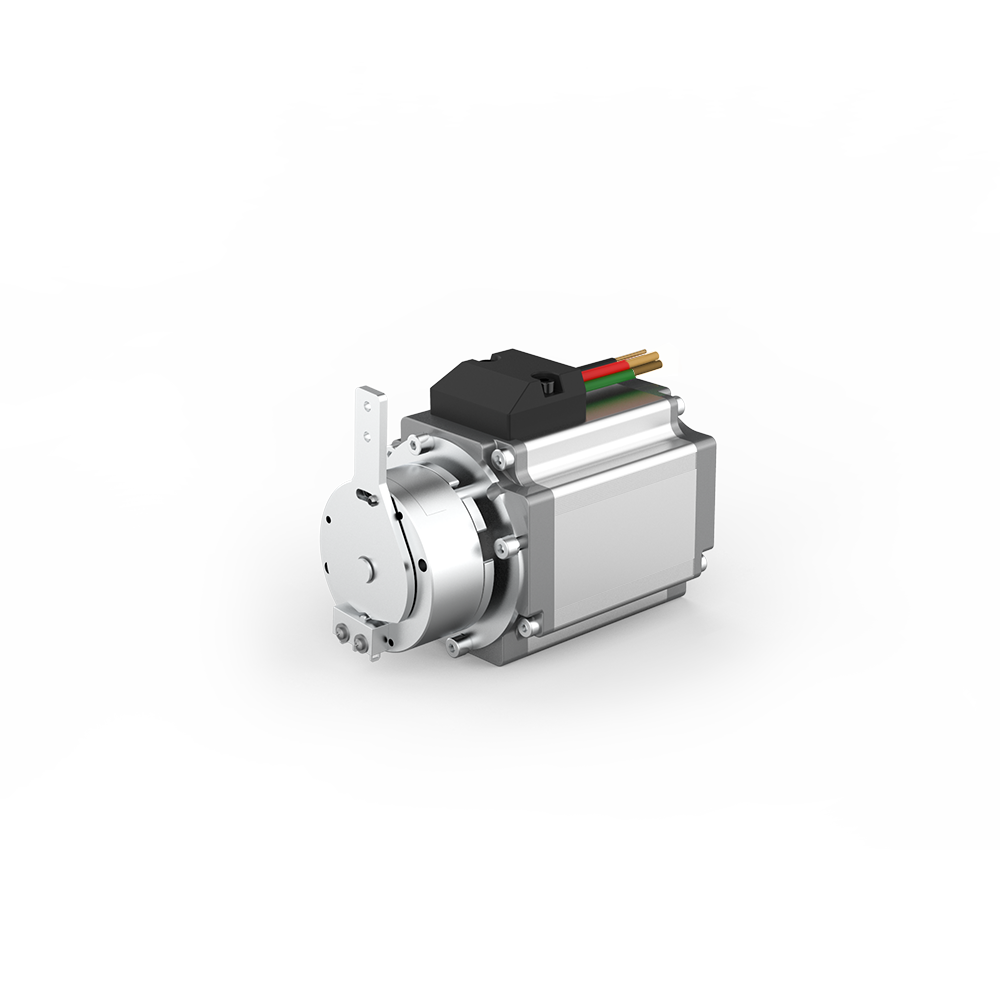
BLDC motors increasing efficiency in the electric vehicle, achieving a conversion rate of up to 85% with a well-optimized magnetic control system. At the same time, with precise control on the application, energy consumption is reduced, battery life is extended, and overall performance improved by efficient use of electric energy.
Electromagnetic Conversion Efficiency
When it come to discussing efficiency of electromagnetic conversion in electric vehicles, BLDC motors have been seen to produce greater performance advantages. BLDC motors usually have percentages of efficiency of up to 85%, while their brushed counterparts have average efficiencies of only 75%. With the same input of electricity, BLDC motors can convert electrical energy into mechanical energy more efficiently than brushed motors. The efficiency is made possible with modern technology of advance motor control systems. Contrarily, latest BLDC motors normally use accurate electronic speed control systems so not to extend utilization efficiency of electricity but definitely save energy consumption. For instance, in electric golf carts and small vehicle systems, the control system maximizes the battery life while ensuring that the refilling energy time interval is reduced.
Electric vehicles that are built with BLDC motors will experience about a 30% saving in electric power consumption. The statistics are quite relevant in processes that concern the design and manufacture of electric vehicles intended for low speeds and high efficiencies, as they relate to the cost of operation and influence environmental concerns. In electric golf carts used at high-end resorts, the advantages of these engines are evident. Their operational cycles are longer, and they require less maintenance. There are no carbon brushes in the design, which wear out regularly in traditional motors, which significantly reduces maintenance work and upkeep costs. The operational maintenance costs of electric vehicles will be lowered by around 20% if fitted with BLDC motors.
Reducing Friction and Optimizing Energy Consumption

This special design reduces friction and thus energy consumption and optimizes the vehicle’s overall efficiency. There are friction losses of up to 40% less when comparing brushless motors with traditional brushed motors since the brushless motors do not have carbon brushes or commutators, which usually cause friction-induced losses in power consumption. An electric car that uses BLDC motors will enjoy more seamless operations as well as higher power efficiency. High torque density insures both maximum efficiency under low rates of speed for applications such as electric sightseeing and small electric freight vehicles. Increase in operating efficiency of electric vehicles by about 15% when consuming reduced amounts of energy.
The following reputed electric vehicle companies have confirmed that using these motors extends battery life and decreases energy consumption. Tested on specific models, the range of driving distance from electric vehicles is likely to improve by as much as 5-10 percent, which is probably significant in benefiting the driving experience of the user as well as the operating cost over the term. The thermal efficiency of BLDC motors exceeds the thermal efficiency of traditional motors, allowing those motors to better dissipate heat at any high load operations, reducing the chances of performance degradation due to overheating. Thus, BLDC motors would be an enthusiastically suitable option for electric vehicles, especially those that operate in a very high-temperature environment or face large fluctuations in load.
BLDC Motor Control Technology
The great advantage compared with traditional motors is that BLDC motors can reach up to 95% power factor operation by respective regulation of their speed and torque control. This precision adds to the response speed of power and reduces waste of electricity. Thanks to advanced electronic control units (ECUs) and sensor technologies, BLDC motors can adjust their operation to the different driving conditions in real time. These features will allow electric vehicles to start crisper and accelerate more smoothly as in electric delivery vehicles or commuter cars. That is, urban cycle tests can show improvements of up to 20% in energy utilization efficiency.

The efimorrb has begun to adopt this control technology to bring out the best in its electric vehicles. Enhanced by continuous improvements in Bldc motor control systems, the overall driving performance of the vehicles as well as cost of use has increasingly been reduced. Improved control technology makes it possible for more effective energy feedback from the bldc motor towards the battery, especially critical during vehicle braking. As such, it improves the energy economy of electric vehicles and increases battery life as well as overall vehicle economy.
Real Vehicle Efficiency Performance
The actual effectiveness of BLDC motors in electric vehicles substantiates the superior design and technological advantages built into it. When subjected to on-road tests in dense urban traffic environments, electric vehicles equipped with BLDC motors showed 20% less energy consumed compared to conventional brushed motor vehicles. Such a drastic reduction in energy consumption is accounted for by the effective energy conversion and low-friction operation of BLDC motors. This improves high efficiency and reliability of BLDC motors, reducing the frequency of battery charging in applications like city electric patrol cars which increases responsiveness and flexibility of operation. Electric patrol cars using BLDC motors increased their coverage distance per charge by 25% significantly improving operational efficiency.

Minimized energy loss by extremely advanced magnetic controlling systems is what characterizes BLDC motors. This magnetic control is what decides not only the torque out conception of motor but efficiency maximization of electric energy use. Through such technologies, the energy efficiency at high speed and during acceleration is significantly improved in electric vehicles. For example, electric delivery vehicles operate in a pattern where more stops and starts are common and this places a higher criterion for motor performance and endurance. Through actual operation of electric delivery vehicles with BLDC motors, lower energy inputs and lower maintenance have been recorded, thus being able to conserve up to 15% in maintenance costs at the end of the year.