

Hydraulic pump units work by converting mechanical energy into hydraulic energy. They create a vacuum at the pump inlet, which forces fluid from the reservoir into the pump. This fluid is then directed to a hydraulic system where it can be used to perform work, such as lifting heavy objects or operating machinery.
Working Principle of Hydraulic Pumps
The working principle of hydraulic pumps is grounded in converting mechanical energy into hydraulic energy. This process involves the creation of a vacuum at the pump inlet, which allows atmospheric pressure to force liquid from the reservoir into the inlet line to the pump. The pump then delivers the liquid to the hydraulic system.
Mechanical Operation
The mechanical operation of a hydraulic pump is characterized by its ability to handle high pressures and its robust construction. Key specifications include:
- Power Range: Typically, hydraulic pumps operate within a power range of 5 kW to 3,000 kW.
- Speed: The operating speed varies from 1,200 to 3,000 rpm for different pump designs.
- Materials and Quality: Common materials used are cast iron, stainless steel, and brass, chosen for their durability and resistance to corrosion.
Efficiency and Cost: The efficiency of hydraulic pumps is crucial, typically ranging from 70% to 95%. Higher efficiency translates to lower operational costs but may increase the initial purchase price. The cost of hydraulic pumps varies widely, from a few hundred to several thousand dollars, depending on size, specification, and quality.
Fluid Dynamics in Pumps
Fluid dynamics plays a critical role in the performance of hydraulic pumps. This involves the movement and behavior of liquids under various forces and in different conditions.
- Pressure and Flow Rate: A typical range for pressure can be from 900 psi to 5,000 psi, while flow rates can vary from 5 GPM (gallons per minute) to 150 GPM, depending on the pump type.
- Lifespan and Maintenance: The average lifespan of a hydraulic pump is between 5,000 to 10,000 hours of operation, contingent upon maintenance and operating conditions.
- Advantages and Disadvantages: The main advantages of hydraulic pumps include high power density and precision in control. However, they can be prone to leakage and require regular maintenance.
Important Considerations: While selecting a hydraulic pump, parameters like size, operating specifications, and expected lifespan should align with the application’s requirements. The choice of materials impacts both the quality and the longevity of the pump.
For more detailed information about the fluid dynamics in pumps, you can visit Fluid Dynamics on Wikipedia.
Hydraulic Pump Design and Construction
Hydraulic pumps are meticulously designed to meet the rigorous demands of various applications. The design and construction of these pumps are defined by their materials, build quality, and specific design variations to suit different uses.
Material and Build Quality
Materials Used: Common materials in hydraulic pump construction include:
- Cast Iron: Preferred for its durability, especially in high-pressure systems. However, it is heavier and more expensive.
- Aluminum: Used for lightweight pump designs but less durable than cast iron.
- Stainless Steel: Ideal for corrosion resistance, used in harsh environments.
Build Quality: The build quality directly influences the lifespan and reliability of the pump. Factors affecting build quality include:
- Tolerance Levels: High precision in manufacturing ensures better performance and longevity.
- Sealing Mechanisms: Quality of seals affects leak prevention, a critical aspect in hydraulic systems.
Design Variations for Different Applications
For Industrial Use: Pumps designed for industrial applications often have:
- Higher Power Ratings: Typically in the range of 10 kW to 5,000 kW.
- Robust Construction: To withstand harsh conditions and continuous operation.
For Mobile Applications: Pumps used in mobile applications, like in vehicles or portable machinery, are characterized by:
- Compact Size and Weight: To fit in limited spaces and reduce the overall weight of the machinery.
- Lower Power Requirements: Operating in the range of 1 kW to 50 kW.
Cost and Efficiency Considerations: The cost of hydraulic pumps can vary significantly, from a few hundred to several thousand dollars, depending on their size, specifications, and intended application. Efficiency is crucial, with most pumps having an efficiency range between 70% to 95%. Higher efficiency pumps tend to be more expensive but offer savings in operational costs over time.
Advantages and Limitations: Each design variation offers specific advantages. For instance, industrial pumps are powerful but more expensive, while mobile pumps are compact but may have lower power output. The choice depends on the application’s requirements.
For a deeper understanding of hydraulic systems and their applications, visit Hydraulic Machinery on Wikipedia.
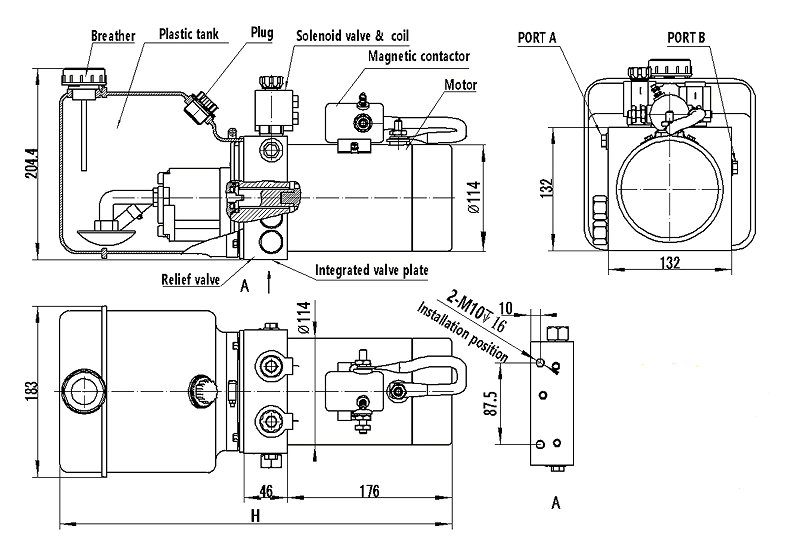
Operation and Control of Hydraulic Pumps
The operation and control of hydraulic pumps involve various mechanisms and metrics to ensure efficient and effective performance. Understanding these elements is crucial for optimizing pump performance.
Control Mechanisms
Hydraulic pumps utilize different control mechanisms, each suited for specific applications:
- Pressure Control Valves: Maintain the system pressure within safe limits.
- Flow Control Valves: Regulate the flow rate of the hydraulic fluid.
- Directional Control Valves: Control the direction of fluid flow in the system.
Importance of Proper Control: Accurate control mechanisms are essential for:
- Enhancing System Performance: Ensuring the hydraulic system operates efficiently.
- Preventing System Damage: Protecting against pressure spikes and irregular flow rates.
Pump Efficiency and Performance Metrics
| Metric | Description | Typical Values |
|---|---|---|
| Power Consumption | Measures the amount of power used by the pump. | Ranges from 1 kW to 3,000 kW, depending on the pump type and application. |
| Efficiency | Ratio of the pump’s hydraulic power output to its mechanical power input. | Usually between 70% to 95%. |
| Flow Rate | Volume of fluid the pump can move per unit time. | Varies from 5 GPM to 150 GPM. |
| Pressure Capacity | Maximum pressure the pump can generate. | Between 900 psi to 5,000 psi. |
| Lifespan | Duration of the pump’s operational life. | Typically 5,000 to 10,000 hours of operation. |
Balancing Cost and Performance: While higher efficiency and performance metrics are desirable, they often come with increased costs. It’s important to balance these aspects based on the application’s requirements.
Advantages of Optimal Performance:
- Reduced Operational Costs: Higher efficiency leads to lower energy consumption.
- Increased Reliability: Proper control and operation extend the lifespan of the pump.
For more insights into hydraulic pump efficiency, refer to Hydraulic Pumps on Wikipedia.

Maintenance and Troubleshooting
Proper maintenance and efficient troubleshooting are crucial for the longevity and optimal performance of hydraulic pumps. Detailed procedures and solutions to common issues can significantly enhance pump efficiency and lifespan.
Routine Maintenance Procedures
Regular maintenance is essential to prevent breakdowns and extend the pump’s service life. Key maintenance steps include:
- Regular Inspection: Conduct thorough inspections every 500 hours of operation.
- Fluid Quality Check: Monitor hydraulic fluid levels and quality every 250 hours.
- Filter Replacement: Change filters every 1,000 hours to maintain fluid cleanliness.
- Leak Checks: Inspect for leaks regularly, as they can lead to major system failures.
Impact of Maintenance:
- Reduced Downtime: Regular maintenance minimizes unexpected breakdowns.
- Cost Savings: Preventive maintenance can reduce the need for expensive repairs.
Common Issues and Solutions
| Issue | Solution |
|---|---|
| Overheating | Ensure adequate fluid levels and check for system blockages. |
| Low Pressure | Inspect for leaks and evaluate pump wear. Adjust relief valves as needed. |
| Excessive Noise | Check for cavitation and ensure proper fluid viscosity. |
| Reduced Flow Rate | Clean or replace filters and inspect for internal wear or damage. |
Cost Implications:
- Repair Costs: Addressing issues like overheating or low pressure early can prevent costly repairs.
- Replacement Costs: Regular maintenance can extend the pump’s lifespan, delaying the need for expensive replacements.
Enhancing Performance:
- Efficiency: Maintaining optimal fluid levels and system cleanliness directly impacts pump efficiency.
- Reliability: Regular checks and timely repairs increase the reliability of the pump.
For more comprehensive guidelines on maintaining hydraulic systems, visit Hydraulic Machinery Maintenance on Wikipedia.

Applications of Hydraulic Pump Units
Hydraulic pump units are integral in numerous industries, showcasing their versatility and efficiency. Their applications range from industrial and construction scenarios to specialty fields, each with unique requirements and challenges.
Industrial and Construction Use
Key Characteristics in Industrial Applications:
- High Power Requirements: Industrial pumps often operate in the range of 10 kW to 5,000 kW.
- Robustness and Durability: They must withstand harsh environments and continuous operation.
- Efficiency: High efficiency is critical to minimize operational costs.
Construction Industry Demands:
- Variable Pressure and Flow Rates: Needed to handle different construction tasks.
- Portability: In construction, mobility can be as crucial as performance.
- Cost Considerations: Budget constraints in construction projects influence pump selection.
Advantages in Industrial and Construction Settings:
- Versatility: Hydraulic pumps can be adapted for a variety of tasks.
- Power Density: They provide a high power-to-size ratio, essential in construction environments.
Specialty Applications in Various Fields
Unique Applications:
- Aerospace: Hydraulic pumps in aerospace require precise control and reliability, often with unique specifications like reduced weight and compact size.
- Marine: Pumps used in marine environments need to be corrosion-resistant and capable of operating under variable pressures.
- Agriculture: Agricultural pumps must be durable and efficient, with the ability to handle different fluid types.
Performance Metrics in Specialty Applications:
- Operational Lifespan: Specialty applications often require pumps with longer lifespans, sometimes exceeding 10,000 hours.
- Cost vs. Performance Trade-off: Specialty applications might demand higher investment for tailored pump solutions.
Advantages and Limitations:
- Customization: Pumps can be customized for specific field requirements, enhancing their effectiveness.
- Cost: Customization and specialized requirements often increase the cost.
For further reading on the diverse uses of hydraulic pumps, explore Hydraulic Pumps in Different Industries on Wikipedia.