

Understanding the mechanics of a transaxle transmission is crucial for anyone involved in vehicle design or component supply. It allows for a more integrated approach to powertrain layout, which is especially valuable in front-wheel-drive and rear-engine vehicles. This knowledge helps in selecting the right components for efficiency and performance. As a supplier, we provide the foundational understanding needed for these critical decisions.
Transaxle Gear Operation
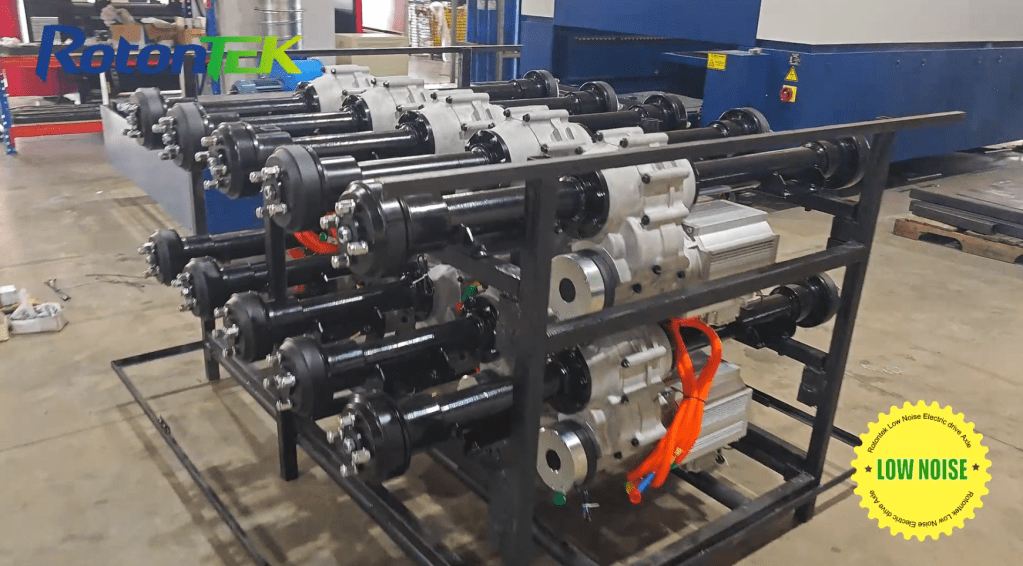
A transaxle combines the functions of a transmission, differential, and drive axle into a single integrated assembly, located at the driven wheels. Its gear operation is fundamentally similar to a standard manual or automatic transmission, utilizing a series of gearsets to provide various gear ratios. This allows the engine to operate efficiently across a wide range of vehicle speeds. The key difference is its compact, unified housing that also contains the final drive and differential. This integrated design is common in front-wheel-drive vehicles, contributing to space efficiency and weight reduction. The gears are engaged via shift forks and synchronizers in a manual configuration, or planetary gearsets in an automatic, to manage torque delivery. Understanding this integrated transmission and transaxle system is essential for appreciating modern vehicle packaging and performance characteristics.
Power Transfer Mechanism
The power transfer mechanism within a transaxle begins with the engine’s rotational force, or torque, entering the transmission section. Inside, the selected gear ratio multiplies this torque before it is passed to the final drive, which consists of a ring and pinion gearset that provides a further fixed speed reduction. This action turns the power flow 90 degrees to align with the axles in a front-wheel-drive layout. The adjusted power is then directed to the differential, which allows it to be split between the two drive wheels. This entire process is contained within a single casing, minimizing power loss and mechanical complexity. The principles are the same in an electric transaxle, where the electric motor’s output is managed through a reduction gearset before being sent to the differential, offering a simpler and often more efficient drivetrain.
Differential Function Explanation
The differential is a critical component housed within the transaxle, responsible for allowing the driven wheels to rotate at different speeds, which is essential when cornering. It consists of a planetary gearset that splits the incoming torque from the final drive. When a vehicle travels in a straight line, the differential gears rotate as a single unit, delivering equal power to both wheels. However, during a turn, the inner wheel must travel a shorter distance than the outer wheel. The differential’s gears compensate for this by permitting the wheels to rotate at different rates while still applying driving force. This prevents tire scrubbing and unstable handling, ensuring smooth and controlled vehicle dynamics. Without this mechanism, the tires would skip and lose traction, making safe turning impossible.
Conclusion
The transaxle transmission is a brilliant piece of engineering that solves multiple challenges of space, weight, and efficiency in modern vehicles. Its integrated design is equally relevant for high-volume passenger cars and specialized electric mobility solutions. By understanding its workings, businesses and consumers can better appreciate the technology that moves them. For those looking to implement or understand advanced drivetrain solutions, exploring the innovations from manufacturers like Rotontek can provide valuable insight into the next generation of efficient power transmission systems.