

An electric motor is a device that converts current into a magnetic field. This interaction between the two fields produces mechanical motion. It all starts with current flowing through the stator coils. The stator coils generate a magnetic field. This field interacts with the rotor’s like pole, creating rotation. While the rotor whirls on, the motor outputs mechanical energy at a constant rate to keep equipment in motion.
Current generates a magnetic field
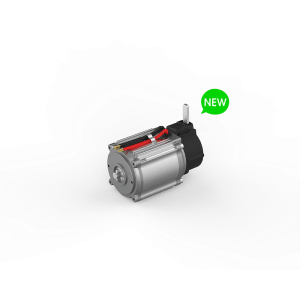
When current flows through the stator coils, a magnetic field is induced that starts motor operation. The magnetic field surrounding the coil moves as the current flows through the coils. It takes its shape according to the amplitude of the flowing current. It also depends on the number of turns in the winding. It also depends on the volume, size, and shape of the pole piece. It comprises five thousand turns. Collectively, this will produce magnetic field strength equal to 4000 ampere-turns per meter. This is strong enough to create enough torque on its rotor.
The size and type of coil will also affect how powerful its magnetic field strength becomes. Increasing the number of turns will further increase magnetic field strength, but this result in a larger motor. Engineers can tune the coils in real-world designs to strike a balance between magnetic strength and motor size. Some high-performance vehicles use thicker copper wires in their motors. This reduces the energy loss generated by excessive heat.

Some coils have their windings wound on bobbins or formers in the shape of a spool. These often include an iron core placed inside winding types where it will best guide and focus magnetic lines. Core material is important for the motor. A good silicon steel sheet or soft iron with excellent magnetic permeability can improve the motor’s magnetic field efficiency. This improves the motor’s efficiency and creates higher torque at the same enter power. This reduces the stator core losses in an industrial motor by up to 98% of total energy. This leaves the vast majority for mechanical output.
Electromagnetic interaction
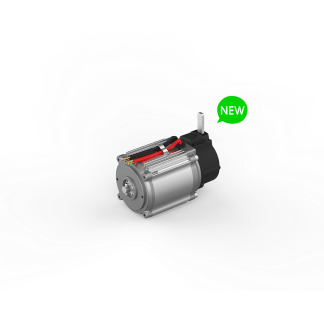
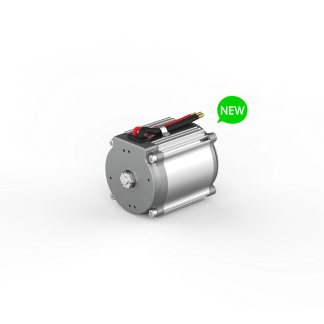
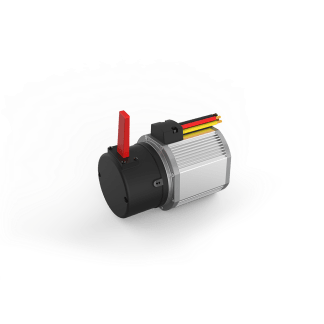
When the stator creates a magnetic field, it interacts with a rotor. It utilizes either electromagnetic coils (originally known as field windings) or permanent magnets. These magnets produce a magnetic field with a strength ranging from 0.5 Tesla. This powerful magnetic field combines with the stator’s rotating magnetic field to produce an electromagnetic force. This force applies torque to the rotor, causing it to rotate. Both depend on how strong your current is. They also depend on what kind of magnetic field you are using. For a 0.1-meter conductor and a current of 10A, you can generate an electromagnetic force of up to almost 5 Newtons. This is enough for many small-to-medium-sized machines.
The effectiveness of the electromagnetic interaction also depends on the material, structure, and weight of the rotor. It is common to use rotors made from light and strong materials like aluminum or composite materials. This helps to keep inertia low. It also enables fast response times. Additionally, more advanced motors have multiple permanent magnets. Some also have electromagnetic coils mounted on the rotor to improve efficiency. The produced motor can generate equivalent torque, but only at a much higher enter current.
How often new current gets introduced is also important. The current waveform is controlled precisely in brushless DC motors. The electronic controller pulses current to each winding. This ensures smooth rotation. This technology is fundamental in any application that demands precision control, like robotics or electric vehicles.
Rotor rotation

How fast the rotor spins is dictated by the current frequency and how quickly the magnetic field switches. Rotational speed in motors is normally measured in revolutions per minute (RPM). If the motor is rotating at 3000 RPM, this means that the rotor spins about 50 times every second. At this stage, the motor may be running at 50Hz. This means that the magnetic field is changing direction (south to north) and back again 50 times per second. This ensures smooth rotation of the rotor.
In industrial applications, some high-speed motors may run at speeds in excess of 10000 RPM. Typical applications for these motors include industrial drills, fans, and precision processing equipment, where high-speed operation is a necessity. A motor spinning faster will deliver mechanical power very quickly. This is essential for high-performance applications.
Electronic speed control technology is used to boost or slow rotor spinning in modern motors. The current frequency in motors is controlled by variable-frequency-driving (VFD) or electronic control systems that adjust the rotational speed. When the frequency is increased from 50Hz to 60Hz, the rotation speed also increases. This makes it suitable for applications that must have variable rotational speeds. Examples include elevators or robotic arms on production lines.
Mechanical energy output
Once the rotor achieves high speed, it moves smoothly from one step to another. The motor driver circuit stays energized. It converts electrical energy into mechanical energy. This energy is output via the shaft. The power output can be around 628 watts. This approximation assumes an efficiency of around 95%. This level of power is enough to drive medium-sized loads like fans, pumps, or conveyor belts. Large industrial motors can generate power in the range of thousands or even hundreds of kilowatts. These motors can power compressors and cranes. They also power other heavy machinery.
Another important aspect is motor efficiency. When the efficiency of high-efficiency motors reaches 90% or more, industrial-grade brushless motors can exceed 93% efficiency. These motors boast high efficiency, making them ideal for use in large machinery, wind turbines, or electric vehicles.
The motor’s output can be further amplified or adjusted through gear mechanisms, couplings, and other mechanical transmission devices. For automotive motors, rotational speed is typically high, but torque is insufficient. Gearboxes modulate speed and torque. This allows electric vehicles to deliver strong traction at low speeds. It also maintains stability at high speeds.