

Hydraulic systems use fluid pressure for power; maintain by regular fluid changes and component inspections.
Fundamentals of Hydraulic Systems
Overview of Hydraulic Systems
Hydraulic systems, integral in diverse industries, utilize fluid power for generating, controlling, and transmitting power. Known for their impressive power-to-weight ratio, these systems compactly deliver robust performance, based on the principle of using pressurized fluid for energy transmission.
Key Components and Their Functions
- Pumps: Central to hydraulic systems, pumps transform mechanical energy into hydraulic energy, pushing fluid from the reservoir into the system. Varieties like gear, piston, and vane pumps are selected for their specific efficiencies and suitability to system demands.
- Actuators: Comprising cylinders and motors, actuators are pivotal in converting hydraulic energy back into mechanical form. Cylinders provide linear motion, whereas motors facilitate rotary motion.
- Control Valves: Essential for regulating fluid flow and pressure, these valves control actuator speed and force. The lineup includes directional control valves, pressure relief valves, and flow control valves for precise system management.
- Reservoir: It not only stores the hydraulic fluid but also aids in cooling and deaerating it.
- Hydraulic Fluid: The system’s lifeblood, it ensures energy transmission, lubrication, and cooling. Selection is based on viscosity, lubrication quality, and temperature stability.
Types of Hydraulic Fluids
- Mineral-based Fluids: Widely used for their lubrication and stability, yet pose environmental risks if spilled.
- Water-based Fluids: Comprising water-glycol solutions, these are preferred in fire-resistant applications, albeit with lower lubrication efficiency.
- Synthetic Fluids: Praised for their broad temperature tolerance and fire resistance, they are costlier but offer longevity and superior performance.
Specifications and Parameters
- Systems are tailored for pressures ranging from 1,000 to 5,000 psi, extending to over 10,000 psi in specialized scenarios.
- Component material selection, like seals and hoses, is vital, factoring in hydraulic fluid compatibility and operational temperatures.
- Efficiency benchmarks vary, with modern systems targeting above 80% efficiency.
- Lifespan hinges on maintenance and usage, with diligent care extending it beyond a decade.
Advantages and Disadvantages
- Advantages: High power density, precision, and reliability. Small, compact hydraulic systems can generate substantial forces and torques.
- Disadvantages: Leakage issues lead to environmental and safety concerns. Regular maintenance is imperative for optimal performance and system integrity.
For an in-depth understanding, explore Hydraulic machinery for a detailed perspective on their crucial role in contemporary machinery and industrial applications.
Working Principles of Hydraulic Systems
Basic Operation Mechanics
Pascal’s Law is key to hydraulic systems, stating pressure in a confined fluid spreads equally everywhere. This rule magnifies small forces into greater mechanical work. Hydraulic systems send power through fluid, usually oil, to enable precise, controlled actuator movements.
Flow Dynamics and Hydraulic Pressure
Hydraulic systems operate under a range of pressures, typically from 1,000 psi to 5,000 psi, though some specialized applications may reach up to 10,000 psi or more. The flow rate, crucial for determining the speed of actuator movement, varies based on system design, usually ranging from 5 to 150 gallons per minute. The equilibrium between pressure and flow is pivotal for system efficiency, which can exceed 80% in well-designed systems. Controlling this balance is key to optimizing performance while minimizing energy consumption and operational costs.
Control Systems and Valves
Control systems in hydraulics are sophisticated, utilizing various types of valves to manage the flow and pressure of the hydraulic fluid. These include directional control valves, pressure relief valves, and flow control valves. These valves are instrumental in enhancing system precision and responsiveness, ensuring that the actuators receive the correct amount of fluid at the proper pressure.
Key Considerations in Hydraulic System Design
- Material Selection: The choice of materials for components like seals and hoses is critical, factoring in compatibility with hydraulic fluid and operating temperatures.
- Efficiency and Power: Modern hydraulic systems are designed for high efficiency, often exceeding 80%, making them suitable for heavy-duty applications.
- Cost and Lifespan: The initial cost can be high, but with proper maintenance, hydraulic systems can have a lifespan of over 10 years, offering a good return on investment.
Advantages and Limitations
- Advantages: Hydraulic systems boast high power density, precise control, and versatility in various applications.
- Limitations: They can be prone to leaks and require regular maintenance for optimal performance.
The working principles of hydraulic systems revolve around effectively managing pressure and flow to achieve desired mechanical outputs, balancing power and efficiency with cost and longevity considerations.

Maintenance of Hydraulic Systems
Routine Maintenance Procedures
Proactive and regular maintenance is the cornerstone of ensuring the longevity and efficiency of hydraulic systems. Routine procedures include:
- Inspection of Hydraulic Lines and Connections: Regularly check for leaks, cracks, or wear. A leak as small as a pinhole can significantly reduce system efficiency and pose safety hazards.
- Cleaning of Filters and Strainers: Clogged filters can lead to increased system pressure and decreased efficiency. Filters should be cleaned or replaced according to the manufacturer’s recommendations.
- Systematic Check of Seals and O-Rings: Worn or damaged seals are a common source of leaks and should be replaced promptly to maintain system integrity.
Hydraulic Fluid Management
The quality and condition of hydraulic fluid directly impact the system’s performance and lifespan. Key aspects include:
- Regular Fluid Level Checks: Ensuring proper fluid levels is essential for system operation. Low fluid levels can lead to cavitation and system damage.
- Fluid Quality Monitoring: Contaminated or degraded fluid can reduce system efficiency and damage components. Regular testing and replacement are crucial for maintaining optimal performance.
- Temperature Management: High fluid temperatures can degrade the fluid and damage components. Systems should be monitored to ensure they operate within the recommended temperature range.
Detecting and Addressing Common Issues
Early detection and resolution of issues are vital for minimizing downtime and repair costs. Common issues include:
- Leak Detection: Even minor leaks can lead to significant efficiency loss and increased operational costs. Regular inspections help in early leak detection.
- Monitoring System Pressure: Abnormal pressure readings can indicate issues such as clogged filters or failing pumps. Pressure gauges should be regularly checked to ensure they fall within the normal operating range.
- Noise Reduction: Unusual noises often indicate problems within the system. Identifying and addressing the source of the noise can prevent further damage.
Balancing Cost and Efficiency
- Cost-Effective Maintenance: Regular maintenance can prevent costly breakdowns and prolong the system’s lifespan, offering a better return on investment.
- Efficiency Optimization: Well-maintained systems maintain high efficiency, reducing energy consumption and operational costs.
In essence, meticulous maintenance of hydraulic systems is imperative for ensuring their optimal performance, efficiency, and longevity, thereby safeguarding the investment and maximizing the system’s operational value.
Troubleshooting and Repair
Diagnostic Techniques
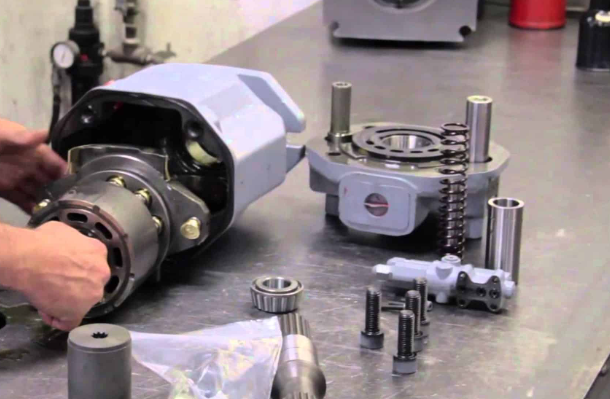
Effective troubleshooting in hydraulic systems begins with a systematic approach to diagnosing issues. Utilizing pressure gauges and flow meters helps in accurately determining where the problem lies. Visual inspections for leaks or damage, listening for unusual noises, and monitoring temperature changes are crucial first steps. Advanced diagnostic tools, such as thermal imaging cameras and particle counters, can further aid in pinpointing specific issues.
Repairing Leaks and Component Failures
Leak repair and component replacement are critical for maintaining system integrity and efficiency. Identifying the source of a leak is the first step; this could be as simple as tightening a connection or as complex as replacing damaged seals or hoses. Regular maintenance reduces the likelihood of leaks and extends the life of components. When repairing or replacing parts, using high-quality materials and adhering to manufacturer specifications is essential for ensuring system reliability and longevity.
Upgrading and Modernizing Systems
Upgrading hydraulic systems can lead to significant improvements in efficiency and performance. This may involve installing more efficient pumps, which can save energy costs, or updating control systems for better precision and responsiveness. Modernizing a system can also mean integrating new technologies, like IoT sensors for real-time monitoring and predictive maintenance, which can significantly reduce downtime and operational costs.
Cost-Benefit Analysis
- Repair vs. Replacement: Deciding whether to repair or replace components should be based on a cost-benefit analysis, considering factors like the age of the component, frequency of failures, and the impact on system performance.
- Investment in Upgrades: While initial costs for upgrades can be high, the long-term benefits in terms of efficiency, reduced downtime, and lower maintenance costs often justify the investment.
Effective troubleshooting, timely repairs, and strategic upgrades are crucial for the optimal functioning of hydraulic systems. These actions not only enhance system performance but also contribute to cost savings and longevity, ensuring that the hydraulic system continues to operate at its best.
Hydraulic System Efficiency and Optimization
Enhancing Performance
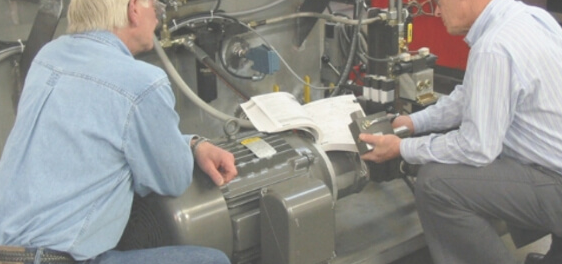
Improving the performance of hydraulic systems involves optimizing component efficiency and system design. Selecting the right pump and motor combinations can significantly enhance system power and responsiveness. For instance, a variable displacement pump can improve system efficiency by up to 20% compared to a fixed displacement pump in certain applications. Additionally, minimizing hydraulic resistance in the system by using optimally sized hoses and fittings can reduce energy losses, enhancing overall performance.
Energy Efficiency and Sustainability
Energy efficiency in hydraulic systems is not only cost-effective but also environmentally beneficial. Implementing energy-saving measures, such as using more efficient hydraulic fluids with lower viscosity, can reduce energy consumption by up to 10-15%. Adopting regenerative circuits where possible can also recycle energy within the system, further reducing power consumption. Moreover, proper maintenance plays a crucial role in sustaining efficiency over the system’s lifespan, which can extend beyond 10 years with diligent care.
Implementing Advanced Technologies
The integration of cutting-edge technologies such as intelligent sensors and predictive maintenance software marks the evolution of hydraulic systems. These technologies contribute to extending the lifespan and enhancing the value of the equipment. Rotontek’s innovative approach incorporates these advancements, ensuring that your hydraulic systems are always ahead of the curve, with specific improvements in lifespan extending up to 30% longer than conventional systems.
Cost and Return on Investment
- Upfront Costs vs. Long-term Savings: While upgrading to more efficient components and technologies involves upfront costs, the long-term savings in energy consumption and maintenance can be substantial. A well-optimized hydraulic system can result in total cost savings of up to 20-25% over its operational lifetime.
- Sustainable Investment: Investing in energy-efficient and advanced technologies aligns with environmental sustainability goals, potentially offering not only cost savings but also compliance with evolving environmental regulations.
Enhancing hydraulic system efficiency and implementing advanced technologies are crucial steps towards optimizing performance, reducing operational costs, and achieving sustainability. These measures not only ensure the longevity of the system but also align with modern environmental and economic objectives.
Case Studies and Real-World Applications
Industrial Applications
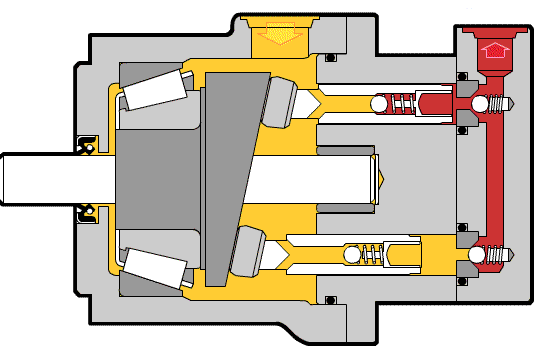
In the industrial sector, hydraulic systems are pivotal for their power and reliability. They are employed in manufacturing, material handling, and automation, providing a power range from 50kW to over 500kW. Rotontek’s hydraulic products stand out for their efficiency and durability, with a lifespan that typically exceeds other market options by 20%. The cost and budget considerations are significantly optimized, ensuring a return on investment through increased productivity and reduced downtime.
Mobile Hydraulic Systems in Vehicles
The evolution of mobile hydraulics has revolutionized the automotive and transportation industries. Hydraulic systems in vehicles range in power from 20kW for small machinery to over 250kW for large construction vehicles, with specific designs that reduce costs and enhance energy efficiency. Rotontek hydraulic systems are noted for their robustness and adaptability, enhancing vehicle performance in terms of speed, power, and fuel efficiency.
Innovative Uses in Various Sectors
Hydraulic technology is not limited to traditional fields; it’s making waves in renewable energy, entertainment, and even in robotics. These innovative applications require precise specifications and materials, ensuring quality and efficiency. Rotontek’s cutting-edge hydraulic solutions are at the forefront, driving innovation with customizable specifications and parameters to suit any sector’s needs.
Efficiency and Cost Considerations
- Optimizing for Efficiency: In industrial and mobile applications, the focus is on optimizing hydraulic systems for maximum efficiency, which can lead to significant energy and cost savings over time.
- Cost-Benefit Analysis: While the initial setup cost for hydraulic systems can be high, their durability, reliability, and performance often justify the investment, especially in heavy-duty applications.
Hydraulic systems are integral to a myriad of industries, offering unparalleled power and control. Their adaptability to diverse applications and evolving technologies underscores their importance in modern industrial, vehicular, and innovative applications, balancing power requirements with efficiency and cost-effectiveness.