
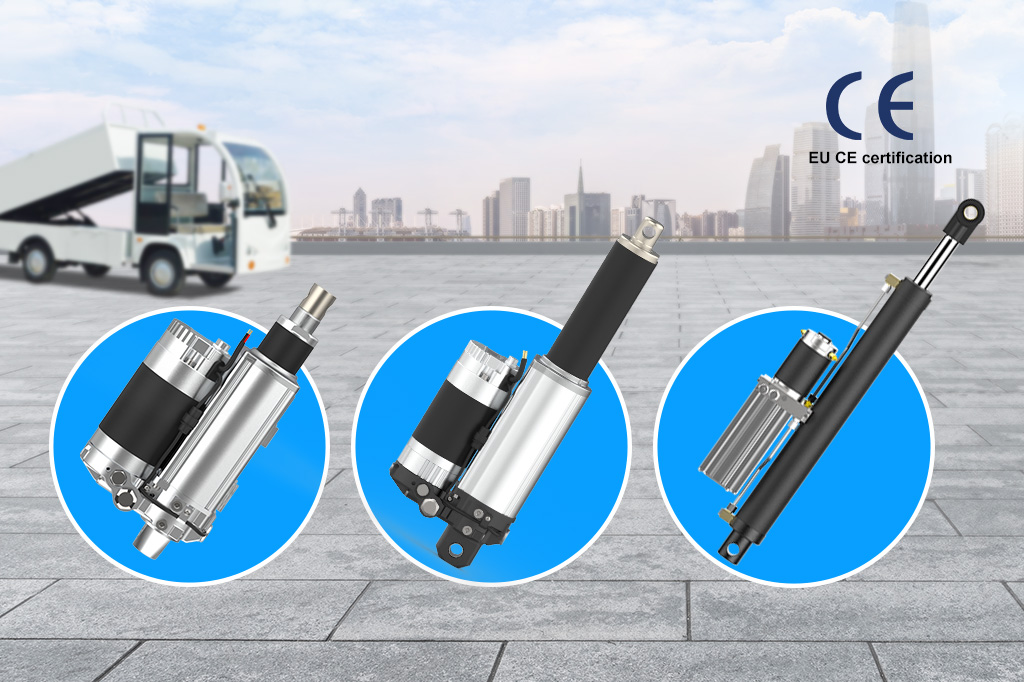
Understanding the service life of a hydraulic power unit is crucial for planning maintenance schedules and managing operational costs. As a supplier, we know that providing clear, factual information helps you make informed decisions about your equipment. This article outlines the typical lifespan, maintenance needs, and component replacement cycles for these systems. This knowledge supports effective long-term operational planning.
Hydraulic Power Unit Service Life
The service life of a hydraulic power unit is not a fixed number but is influenced by its design, operating conditions, and duty cycle. A well-designed unit operating within its specified parameters in a clean, temperature-controlled environment can often last for decades. Key factors include the quality of components, the frequency and intensity of use, and the effectiveness of the initial installation. Contamination from particles or water is a primary cause of premature failure, making the operating environment critical. For a reliable hydraulic power unit, selecting a model matched to the application’s specific force and speed requirements is the first step toward maximizing its operational lifespan. Regular monitoring of system parameters like pressure and temperature provides early warnings of potential issues.
Hydraulic System Maintenance Requirements
Consistent and proactive maintenance is the most significant factor in achieving a long service life for any hydraulic system. A core requirement is maintaining fluid cleanliness through scheduled filter changes and periodic oil analysis to detect wear metals and contamination. The hydraulic fluid itself must be checked for level, viscosity, and acidity, and replaced according to the manufacturer’s guidelines or based on oil analysis results. Regularly inspecting and tightening connections, checking hoses for cracks or abrasion, and ensuring the reservoir breather is functioning are all essential routine tasks. For systems like an electro hydraulic actuator, particular attention should be paid to the electrical components and seals. A documented maintenance log helps track service history and anticipate future needs.
Hydraulic Unit Component Replacement Intervals
Different components within a hydraulic power unit have varying lifespans and require replacement at different intervals. Seals and O-rings, which prevent internal and external leaks, are common wear items and may need replacement every few years, depending on the fluid compatibility and operating temperatures. Hydraulic hoses should be inspected annually and typically replaced every five to seven years to prevent sudden failure. The pump, as the heart of the system, has a variable life; vane and piston pumps can last thousands of hours, but their lifespan is heavily dependent on fluid cleanliness and operating pressure. Filters are consumables and must be replaced as indicated by a clogging indicator or on a fixed schedule. Electrical components like motors and solenoids generally have a long life but can fail due to electrical overload or environmental factors.
Conclusion
Ultimately, the lifespan of a hydraulic power unit is a partnership between intelligent design and diligent operation. By understanding the factors that influence durability and committing to proactive maintenance, you can significantly extend the service life and return on your investment. For those seeking a system engineered from the ground up for resilience in challenging conditions, exploring integrated solutions is a logical step. We at Rotontek are committed to providing that durability through our compact, protected designs, helping your projects move forward reliably for years to come.