

To choose the right hydraulic pump for industrial use, consider pump type, operational requirements, efficiency, installation, maintenance, manufacturer, and model suitability.
Understanding Hydraulic Pump Types
Hydraulic pumps are crucial in powering a wide range of industrial machinery by converting mechanical energy into hydraulic energy. This section delves into three primary types of hydraulic pumps: gear, vane, and piston pumps, highlighting their functionalities, applications, and specific characteristics.
Gear Pumps: Basics and Applications
Gear pumps, known for their simplicity and durability, are typically used in low to moderate pressure environments.
- Efficiency and Cost: They offer around 70% to 75% mechanical efficiency. The initial cost is relatively low, making them a cost-effective solution for many applications.
- Specifications and Lifespan: Gear pumps usually operate at speeds between 1200 to 3600 RPM. They have a moderate lifespan, often determined by gear wear.
- Applications: Ideal for fluid power applications in the automotive industry and for machinery lubrication systems.
Vane Pumps: Working Principle and Suitability
Vane pumps are known for their variable displacement capabilities and higher efficiency in medium pressure systems.
- Efficiency and Power Range: They typically achieve up to 85% mechanical efficiency. Suitable for systems requiring power up to 75 kW.
- Size and Cost Considerations: Vane pumps are compact but can be more expensive than gear pumps due to their complexity.
- Material and Quality: Often made with high-quality metals, ensuring longevity and consistent performance.
- Limitations: Their performance can degrade with increased viscosity of the fluid.
Piston Pumps: Advantages and Limitations
Piston pumps stand out in high-pressure systems due to their robust design and versatility.
- Efficiency and Performance: They can achieve up to 90% mechanical efficiency. The variable displacement design allows for precise control of flow and pressure.
- Cost and Lifespan: Higher initial cost but offer an extended lifespan due to their sturdy construction.
- Size and Speed: Piston pumps can operate efficiently at lower speeds (600 to 1800 RPM) compared to gear pumps, reducing wear and tear.
- Applications: Widely used in industrial and mobile hydraulics, particularly in high-pressure areas like hydraulic presses and heavy machinery.
In choosing the right hydraulic pump, factors like power requirements, operational pressure, cost, efficiency, and application-specific needs must be thoroughly evaluated. Each pump type has its unique set of advantages and limitations, influencing its suitability for various industrial applications. For detailed specifications and performance metrics, refer to the manufacturer’s datasheets and consult with hydraulic system experts.
Assessing Industrial Requirements
When selecting the right hydraulic pump for industrial use, it’s crucial to understand and evaluate the specific requirements of the system. This includes analyzing operational pressure needs, considering flow rate for efficiency, and evaluating fluid compatibility.
Analyzing Operational Pressure Needs
Operational pressure is a critical factor in hydraulic system design. The chosen pump must meet or exceed the system’s maximum required pressure.
- Pressure Range: Industrial hydraulic systems commonly operate within a range of 1,000 to 5,000 psi, but specialized applications may require higher pressures.
- Power and Cost Implications: High-pressure systems demand pumps with robust designs, often leading to increased costs. For example, a system operating at 3,000 psi might require a pump that costs 20% more than one suitable for 1,500 psi systems.
- Material and Construction: Pumps designed for high-pressure applications are typically made of high-grade materials to withstand the stress, impacting both cost and lifespan.
Flow Rate Considerations for Efficiency
Flow rate directly impacts the efficiency and responsiveness of a hydraulic system.
- Flow Rate and Efficiency: Optimal flow rate is key for maintaining system efficiency. An inadequate flow rate can cause slow operation, while an excessive flow rate can lead to energy wastage and increased operational costs.
- Calculating Flow Rate: It’s essential to calculate the required flow rate accurately, typically measured in gallons per minute (GPM). For instance, a system needing 15 GPM at 2,500 psi will require a different pump than one needing 30 GPM at the same pressure.
- Speed and Size Relation: The flow rate is influenced by the pump’s size and speed. Larger pumps can deliver higher flow rates but may consume more power and have higher initial costs.
Evaluating Fluid Compatibility
Fluid compatibility is a key factor in maintaining the integrity and efficiency of a hydraulic pump.
- Fluid Types and Pump Materials: Different fluids have varied chemical compositions, which can affect pump materials. For example, phosphate ester fluids require pumps with materials resistant to corrosion and wear.
- Temperature and Viscosity Effects: The fluid’s temperature and viscosity affect pump performance. Pumps operating with high-viscosity fluids at low temperatures may require additional power to maintain efficiency.
- Lifespan and Maintenance: Incompatible fluids can accelerate wear and reduce the lifespan of the pump, leading to increased maintenance costs and downtime.
Performance and Efficiency Factors
Understanding the performance and efficiency factors is essential when selecting a hydraulic pump. This involves examining hydraulic pump efficiency metrics, the impact of pump size and speed on performance, and the effects of temperature and viscosity on pump operation.
Hydraulic Pump Efficiency Metrics
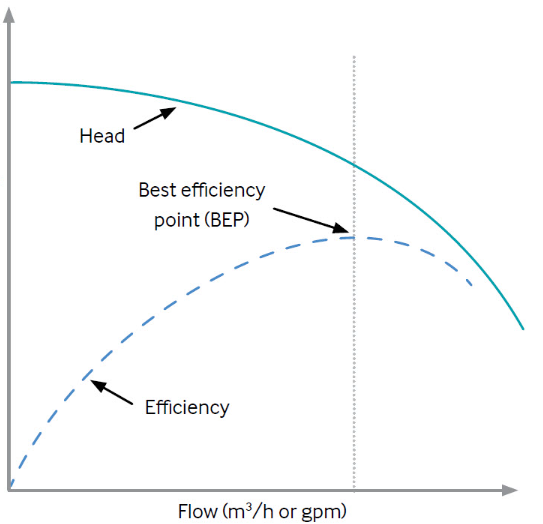
Hydraulic pump efficiency is a critical metric for evaluating pump performance. It combines mechanical, volumetric, and overall efficiencies.
- Mechanical Efficiency: Refers to the pump’s ability to convert input power (typically measured in horsepower or kW) to hydraulic power. An average hydraulic pump has a mechanical efficiency of 75-85%.
- Volumetric Efficiency: Indicates how effectively the pump moves fluid, with high-end pumps reaching volumetric efficiencies of up to 95%.
- Overall Efficiency: Combines mechanical and volumetric efficiencies. A pump with both high mechanical and volumetric efficiency minimizes energy losses and reduces operational costs.
Impact of Pump Size and Speed on Performance
Pump size and speed are significant factors in determining a pump’s performance.
- Pump Size: Larger pumps can move more fluid per rotation, impacting the flow rate. However, larger pumps may also require more power, influencing the overall system efficiency.
- Pump Speed: Faster pump speeds can increase flow rate but may also lead to higher heat generation and quicker wear, potentially reducing the pump’s lifespan.
- Balancing Size and Speed: Optimal pump selection involves balancing size and speed to meet system requirements without sacrificing efficiency or durability.
Temperature and Viscosity Effects on Pump Operation
Temperature and viscosity of the hydraulic fluid significantly affect pump operation.
- Viscosity: Ideal fluid viscosity ensures efficient operation and adequate lubrication. Pumps operating with fluids that are too viscous or too thin can experience increased wear and reduced efficiency.
- Temperature Impact: High temperatures can decrease fluid viscosity, affecting pump performance, while low temperatures can increase fluid viscosity, requiring more power to operate the pump.
- Maintaining Optimal Conditions: Monitoring and maintaining optimal fluid temperature and viscosity is crucial for efficient pump operation and longevity.
Installation and Maintenance Considerations
Effective installation and maintenance are critical for maximizing the lifespan and efficiency of hydraulic pumps. This involves following best practices for installation, adhering to routine maintenance and troubleshooting procedures, and employing strategic replacement and cost management techniques.
Installation Best Practices for Longevity
Proper installation is crucial for ensuring the long-term performance of hydraulic pumps.
- Alignment and Positioning: Ensure correct alignment between the pump and the motor. Misalignment by even a small degree can lead to increased wear and tear.
- Environmental Factors: Install the pump in a clean, dry environment. Exposure to dust, moisture, or extreme temperatures can adversely affect the pump’s operation.
- Initial Testing: Conduct thorough testing post-installation to verify correct pressure settings and flow rates, ensuring the pump operates within its designed parameters.
Routine Maintenance and Troubleshooting Tips
Regular maintenance extends the pump’s lifespan and prevents costly breakdowns.
- Lubrication and Cleaning: Regularly lubricate moving parts and keep the pump clean from contaminants. For example, changing the oil every 1000 hours of operation can significantly reduce wear.
- Regular Inspection: Inspect for leaks, unusual noises, or vibrations, which can indicate potential problems.
- Troubleshooting: Address common issues like cavitation or overheating promptly. Delayed responses to these issues can lead to severe damage and costly repairs.
Replacement Strategies and Cost Management
Strategic replacement and cost management ensure continuous and efficient operation while controlling expenses.
- Life Cycle Cost Analysis: Consider the total cost of ownership, including initial purchase, maintenance, and potential downtime costs. For instance, a cheaper pump might have higher maintenance costs, affecting the overall budget.
- Upgrade Plans: Plan for upgrades or replacements in line with technological advancements. Newer models might offer better efficiency, reducing long-term operational costs.
- Spare Parts Management: Maintain a stock of essential spare parts to minimize downtime during repairs.
Adhering to these guidelines ensures that hydraulic pumps operate reliably and efficiently, contributing to the overall productivity and cost-effectiveness of industrial operations.

Selecting the Right Manufacturer and Model
Choosing the right hydraulic pump involves not just understanding the technical requirements but also selecting the right manufacturer and model. This process includes assessing the manufacturer’s reputation, comparing different models for specific use cases, and evaluating warranty and support services.
Criteria for Choosing Hydraulic Pump Manufacturers
When selecting a manufacturer, consider several key factors:
- Reputation and Experience: Look for manufacturers with a solid reputation in the industry. For example, Rotontek is known for its expertise in hydraulic pumps, offering a range of reliable products.
- Customization Options: Some manufacturers provide customization options, allowing you to tailor hydraulic pumps to your specific needs.
- Product Range: A wide product range indicates the manufacturer’s capability to cater to diverse industrial requirements. Manufacturers with a broad portfolio, like Rotontek, are often better equipped to provide solutions that match specific operational needs.
Comparing Different Models for Specific Use Cases
Selecting the appropriate model is crucial for optimal performance:
- Power and Efficiency: Compare the power output and efficiency ratings of different models. For instance, a model with a higher efficiency rating might have a higher initial cost but can offer long-term savings in operational costs.
- Size and Specifications: Consider the size and technical specifications that align with your system requirements. Specific parameters like maximum pressure, flow rate, and speed should match your operational needs.
- Material and Build Quality: Evaluate the materials and construction quality, as these affect the pump’s durability and lifespan.
Warranty and Support Services Evaluation
Warranty and support services are critical for post-purchase satisfaction:
- Warranty Period: Check the warranty period offered by the manufacturer. A longer warranty, can provide peace of mind and assurance of quality.
- Support Services: Assess the availability and quality of customer support services. Reliable manufacturers offer comprehensive support, including troubleshooting, maintenance tips, and part replacements.
- After-Sales Services: Consider the availability of after-sales services, including maintenance and repair. Good after-sales services can significantly reduce downtime and maintenance costs.
In conclusion, selecting the right hydraulic pump involves a thorough evaluation of manufacturers and models, considering factors like customization options, product range, technical specifications, warranty, and support services. Rotontek, with its diverse range of customizable hydraulic pumps, stands out as a reputable manufacturer in this domain.