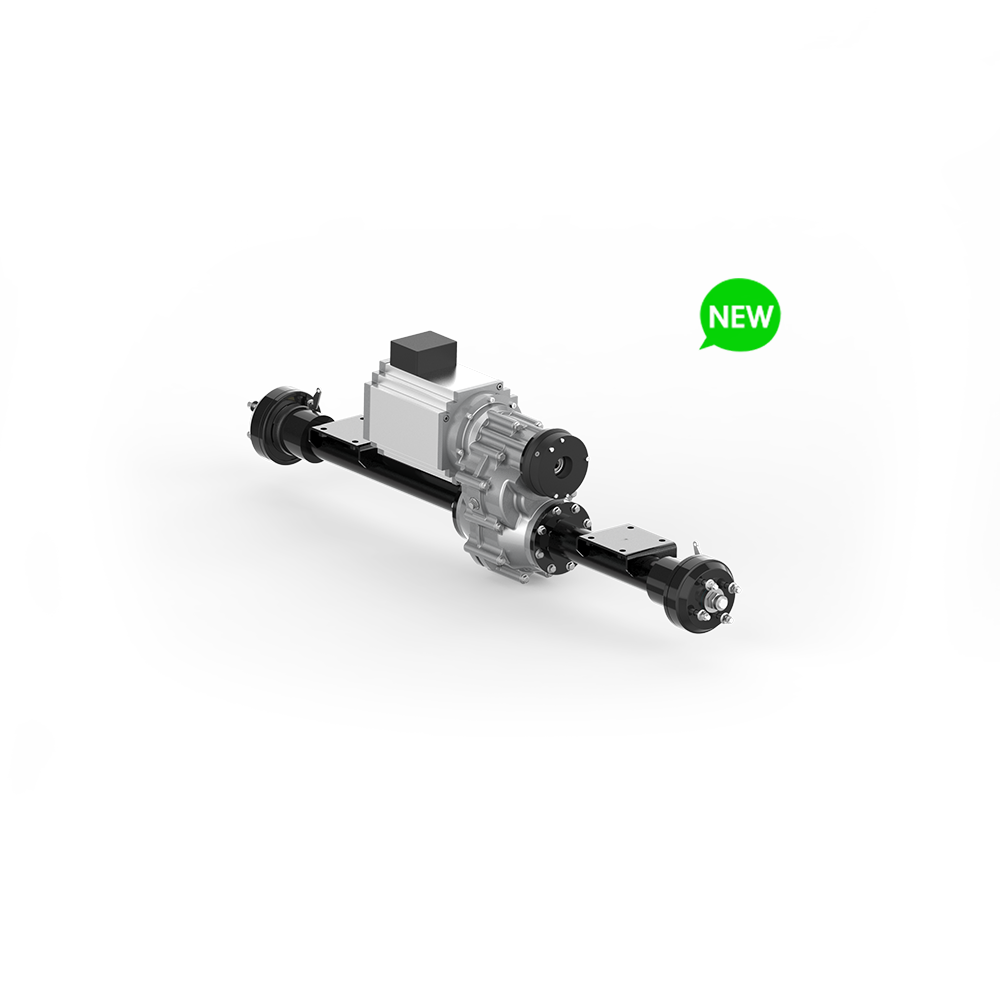
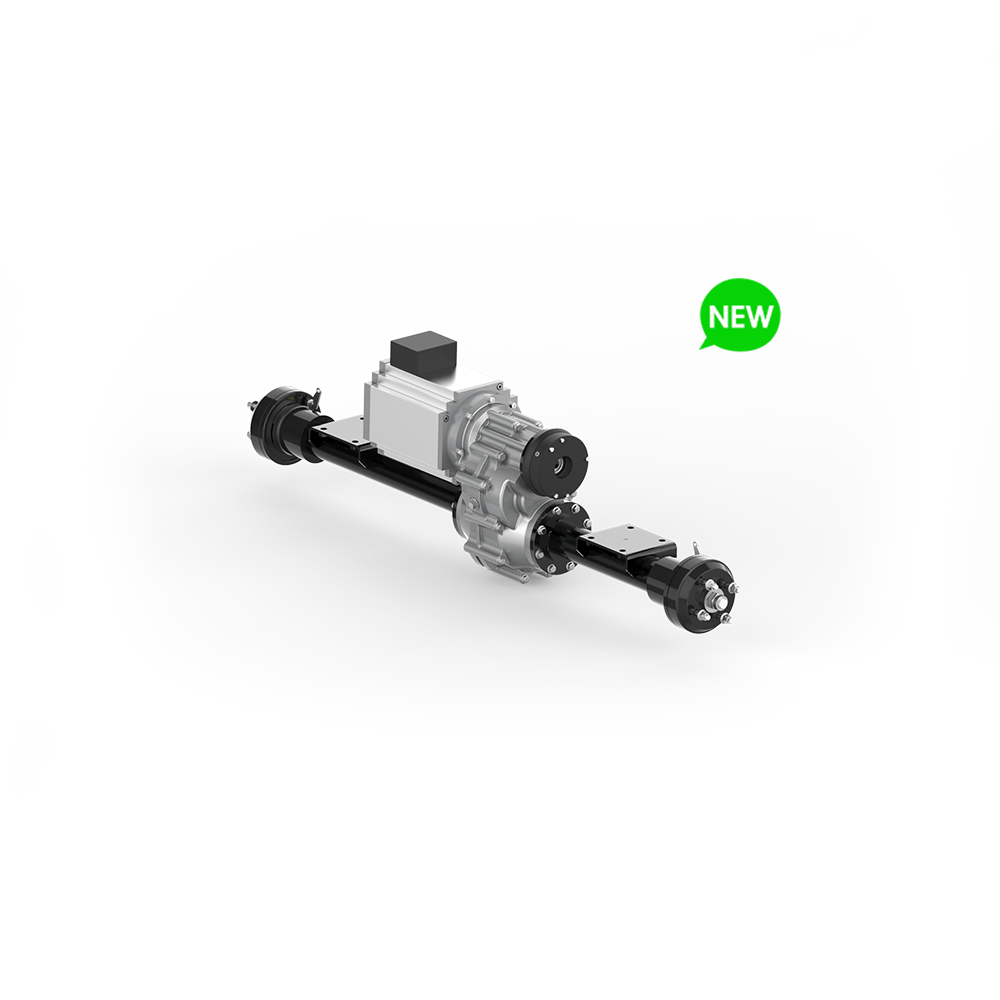
Measurement of a drive shaft requires determination of a starting point and an ending point first, which in simple terms may be a measurement from the center of one flange to the center of another flange. For shafts shorter than 3 meters, use a tape measure; for lengths greater than 3 meters, use a laser distance meter. Ensure the error is within 1 millimeter. Before measurement, check alignment and straightness of the shaft; a level or laser alignment tool can be used to ensure deviation less than 0.1 degrees. Also, at all points, take into consideration the effect of temperature on the expansion of the metal. Anytime there are high or low temperatures involved in making any adjustment, such adjustments should be made to ensure that accurate results of the measurement are obtained.
Determine Starting and Ending Points
The first task involved in measuring a drive shaft is determining its starting and ending points. Normally, the length of the drive shaft is measured from the input to the output end; however, depending on the particular structure of the equipment, there might be other points where measurement may be taken. For example, there might be a need in some cases to measure from flange to flange or from bearing seat to bearing seat.
Operators are supposed to consider the equipment design drawing to confirm the starting and ending points for detailed specification to avoid unnecessary measurement errors. A necessary condition is to make sure that the measured result must be in accordance with the space reserved in the equipment; otherwise, it will lead to difficulties in installation or misalignment in operation. For instance, large machinery requires ensuring that the drive shaft does not exceed the prescribed length; exceeding this length may cause installation problems or interfere with the precision and stability of the transmission system. Thus, correct starting and ending points contribute directly to the accuracy of measurement results.
Use Proper Measuring Tools
Accurate measurement requires a selection of appropriate measuring tools. The most commonly applied measuring tools for relatively shorter drive shafts are tape measures and calipers. While tape measures are easy to use and good for rapid measures, higher accuracies are found in calipers and hence their applications, especially where higher accuracies are required, such as measuring the length between bearing seats and flanges. For some main components, the need for accuracy is usually up to 0.02 millimeters, which a caliper can achieve.
The best decisions may be made using laser distance meters when longer drive shafts, such as over 3 meters, are to be measured. These laser distance meters ensure high precision while avoiding the bending errors occurring when using a tape measure over a long distance. They are easy to manipulate in confined spaces or inconvenient measuring conditions, allowing one to complete the task more quickly. Meanwhile, the measurement accuracy of laser distance meters is usually within ±1 millimeter, fully meeting the requirements for measurement of most industrial equipment.
Whatever the measuring tool may be, calibration of a measuring instrument before measurements must be carried out, and tools should be clean. Tools that have undergone calibration reduce errors while ensuring that every measurement result is reliable. In addition, in practice, the results of the measurement should be carefully compared with the equipment design specifications to see whether they meet installation requirements.
Check the Shaft's Alignment and Straightness
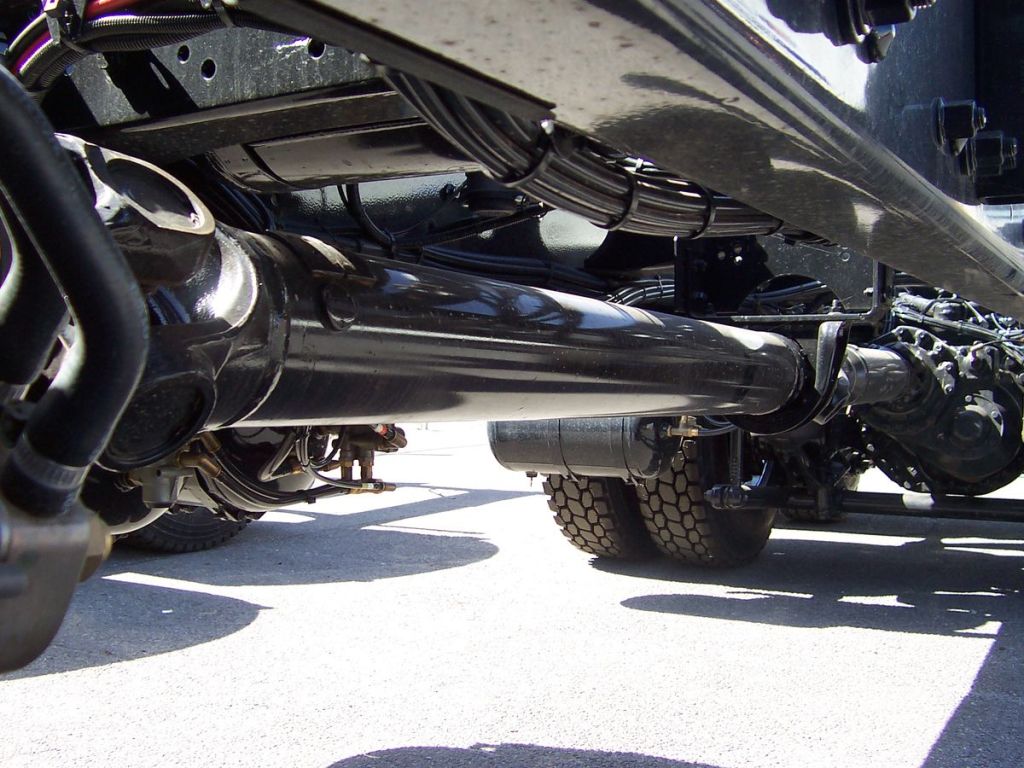
Previous to the measurement of the length, it is necessary to check for alignment and straightness of the drive shaft. A bent or crooked shaft will directly affect the accuracy of the measurement results. It is not only inaccurate data that it gives, but a bent shaft may lead to additional vibrations or noise during operation and will eventually affect the overall performance.
A level and laser alignment tool may be employed to inspect for alignment and straightness. A level will assist the operator in ensuring that the shaft is in an appropriate horizontal state, which is important during installation and maintenance of the equipment. The angle of installation for the drive shaft should be appropriate. Should the shaft tilt or bend, correction or replacement is required to ensure that subsequent measurement data is accurate.
The straightness of the drive shaft can be immediately checked with a laser alignment tool. Since a laser beam will project along the centerline of the shaft, deviation is easily detected even if the error is less than 0.1 degrees. In some precision industrial equipment, the required drive shaft straightness is very high, and the error usually does not exceed 0.03 degrees. Accordingly, alignment and straightness checks while measuring length with precision enable the equipment to work efficiently and steadily in the future.
Environmental and Operational Conditions Affecting Measurement
The environmental and operational conditions may have different impacts on the measurement that one is trying to make in the length of a drive shaft. First, the change in temperature is an important determinant of any measurement, and with metal materials, both expansion and contraction occur at different temperatures. In high-temperature environments, the metal drive shaft could expand; thus, the measured length might be longer than the actual length. While it is converse, if the temperature is low, the metal will shrink, so the value measured will be smaller. Then, the measuring data needs to be revised in view of the specific condition of temperature to ensure that the result can meet the precision that equipment installation requires.
Besides temperature, humidity and air quality are also critical. At the time of humid conditions, the surface will have condensation, which may cause slipping of the tools or may affect accuracy in measurement. Long exposure to humidity can make the metal parts of the shaft rusty, wherein the smoothness of the surface and consistency in measurement are affected. For this reason, the measuring instruments and the drive shaft surface must be clean and dry before taking any precise measurements to exclude errors related to negative environmental conditions.
Vibrations and noises of the measurement environment are not to be neglected. In most cases, factory or field measurements might become affected by vibrations from other equipment that cause instability in the measuring tools, which would reduce the precision of measurement. Not only does the vibration create deviations in measurement, but it also leads to misjudgment on the part of the operator. In this respect, it is better to conduct the measurements in an environment with fewer changes or to select tools that will not be affected much by external vibrations to ensure the reliability of the measurement.
Recording and Cross-Checking Measurement Data
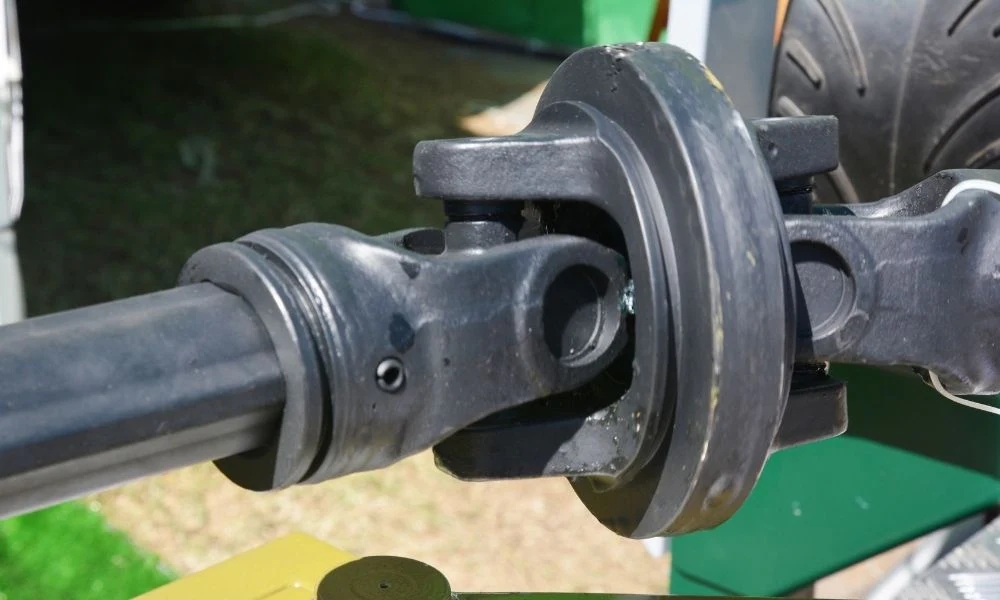
Accurately recording and cross-checking measurement data is an important guarantee for the reliability of the measurement. After the measurement, the operator should carefully write down every record on the record sheet, mainly for the critical components. Repeated measurements and checks on the data can reduce errors to some extent. For the important lengths of the drive shaft, multiple measurements from different angles and positions are advocated, taking the average to ensure the accuracy and stability of the data.
In practice, most industrial companies adopt the method of double-checking to ensure that measurement results are accurate. Measurement accuracy will be improved accordingly, and it can provide effective data references for the following equipment maintenance and upkeep. The operator can track the abrasion and wear of the drive shaft and find out problems in time through thoroughly recording the measurement results. Measurements and comparisons of the drive shaft, particularly after extended use over time, can avoid failures due to wear of the shaft or atypical variations in length.
Repeated checking of measurement data improves the general dependability of the equipment. For some high-precision equipment, to make sure that the equipment is stable at every different stage, operators may need to measure and record the data before and after installation many times. This will not only prolong the service life but also improve the operating efficiency of the device to a great degree.