How to Pair Your 1kW Brushless Motor with the Right Controller
Technical Specifications and Requirements
Detailed examination of the 1kW Encoder DC Brushless Motors
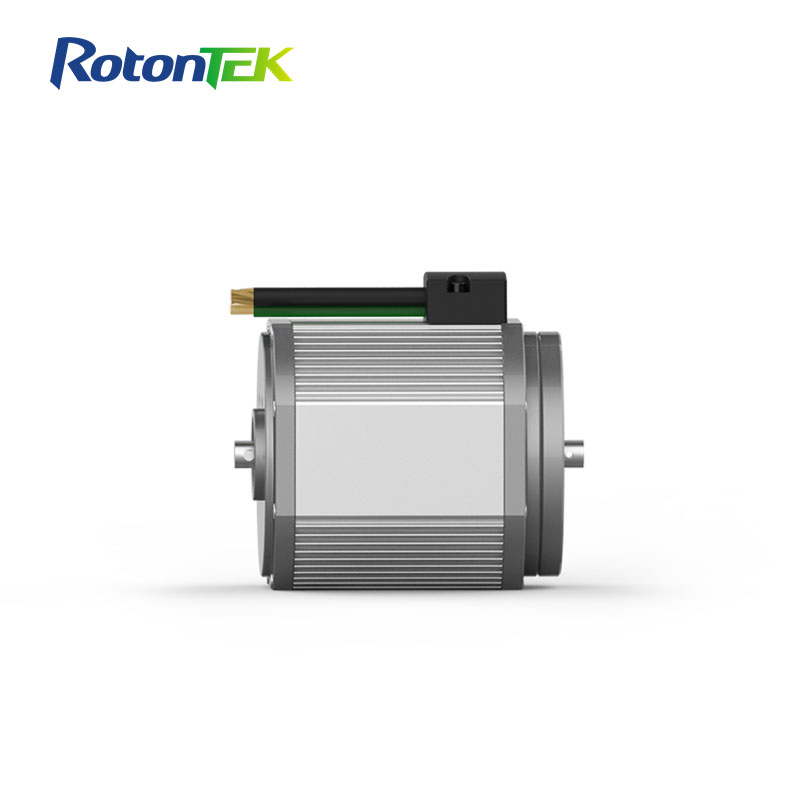
The 1kW Encoder DC Brushless Motors feature automatic winding end high precision rotor which provide good performance and reliability. This type of motor has an aluminum casing which assist sin effective heat dissipation and as such, can function in different environmental conditions. It is also rated at 1kW although it may have different operating voltages as may be required, normally at 24V, 43V, or 48V. It also provides smooth operation to ensure less wear and as such increasing the life span of the motor.
Capabilities and features of the ID200 Series DC Brushless Wheelchair Controller
The ID200 Series Controller is a suitable choice for controlling motors. It is a programmable controller and can as such offers a perfect match for this type of motor. It has a wide range of operating voltages between 24V and 48V, and it is suitable when the requirements are as those of the motor. It offers full range of programming options such as speed before and after threshold and the exact level of torque, as well as 8 different selections on the running direction. This can be matched to any motor type using the controller’s software. This is critical where precise controlling is required such as in wheel chair mobility or in automated vahicle sytems.
Step-by-Step Guide to Connecting Motor and Controller
Physical setup: connecting motor wires to controller terminals
The 1kW Encoder DC Brushless Motor must be properly connected to the ID200 Series Controller. Turn the power off first to avoid any electric shock. Then, locate the three main wires from the motor: red, black, and blue. These correspond to the three phases of the motor and must be connected to the respective terminals on the controller, which are also typically labeled red, black, and blue. Use a screwdriver to secure the connection. Do not forget to check if the connection is proper using a multimeter. The watch for the short circuits will allow avoiding possible damage to the motor due to the electric surge. Configure the settings as necessary to ensure the continuity of the connection. Operating the motor without such testing might not allow proper work of the appliance and lead to unexpected failure.
Configuring controller settings for optimal motor performance
Following the proper connection of the motor and controller, adjust the settings of the ID200 Series Controller to ensure the most effective operation of the 1kW motor. The software interface can typically be accessed from the PC or an attached programming device. First, configure voltage and current to match the motor specifics. This often means setting both the voltage and current cap at either 24V, 36V, 48V or any other option, depending on the input parameters. Make sure that the current limit is acceptable to prevent the motor overload. Adjust the acceleration and deceleration rates to ensure smooth operation of the motor, minimizing the mechanical pressure on its parts when the motor starts or stops. Configure the encoder settings to correspond with the specifics of the motor’s encoder. The latter is important for the feedback of speed and position information. It might be necessary to test the settings multiple times while testing the motor under the load to ensure that desired settings are achieved.
Step-by-Step Guide to Connecting Motor and Controller
Comparison of performance when pairing the ID200 Controller with the two different 1kW motors
When connecting the ID200 Series Controller to either of the two versions of the 1 kW motors, there will be noticeable differences in performance metrics, such as delivered torque and speed control. Specifically, the first motor, which has an automatic winding, will experience smoother acceleration curves and require less energy for various loads. Meanwhile, the second kind of motor, which has a rotor of higher precision, might deliver a significantly larger level of speed precision, which would be useful in cases where the speed of the motor is supposed to be manipulated in a more calculated way, such as when turning some kind of a mechanism with this motor or positioning it to perform a certain function.
VS
Discussing various application scenarios
The controller plays a vital role in ensuring that the intended operation can be carried out with as little waste of energy as possible. The more precisely the motor can accomplish the task, the lesser amount of energy it will waste. It is especially important in the case of unmanned cleaning vehicles, which are controlled by the controller to navigate places with a lot of obstacles, such as cafes and restaurants.