
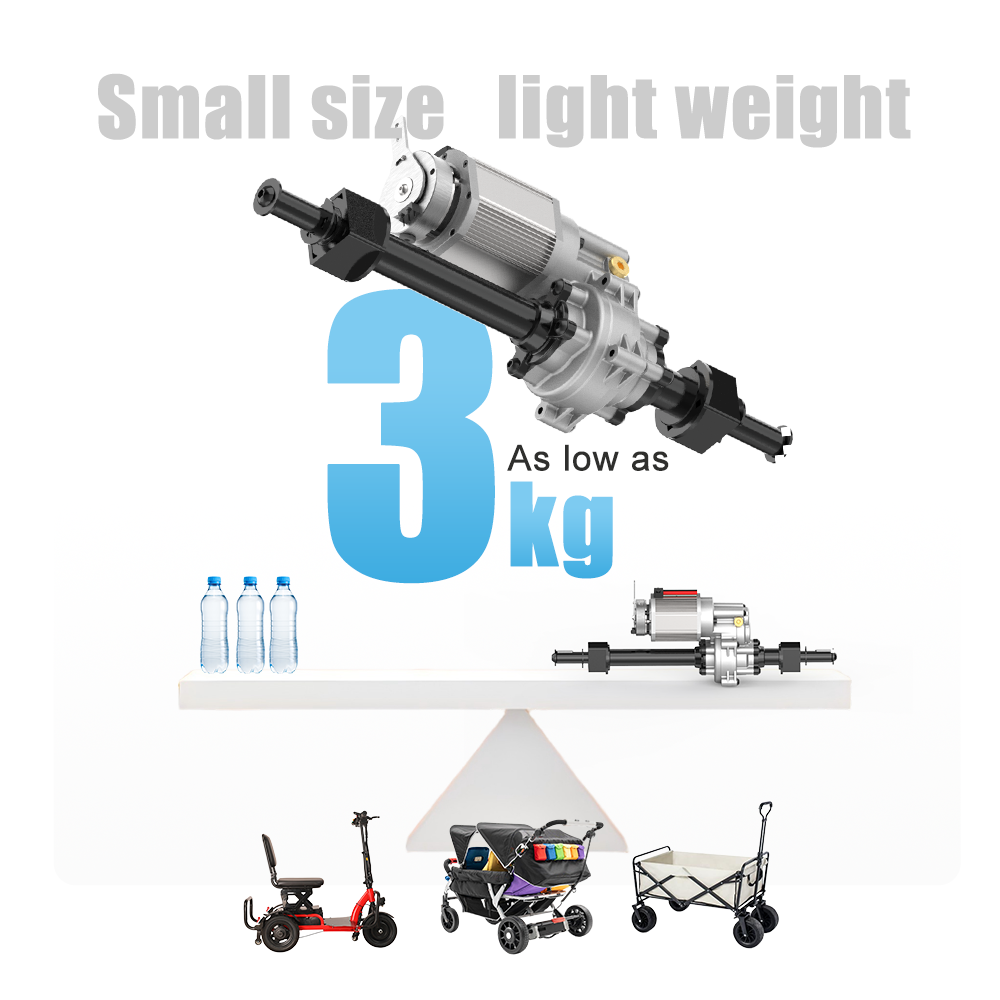
As a supplier, we understand that staying current with electric drive axle innovations is critical for your product development. These advancements directly impact vehicle performance, efficiency, and overall cost of ownership. By integrating the latest technologies, we can help you create more competitive and reliable electric vehicles. This knowledge allows us to deliver components that meet evolving market demands.
Integrated Electric Motor Designs
A significant innovation is the move towards highly integrated electric motor designs within the axle assembly. We are seeing a shift from systems where the motor, gearbox, and inverter are separate units to compact, co-axial designs where these components are housed together. This integration reduces the overall size and weight of the propulsion system, which frees up valuable space for batteries or cargo and improves vehicle efficiency. The reduction in connectors and cables also enhances reliability and simplifies manufacturing. These designs often feature higher power and torque density, enabling superior performance without increasing the physical package size. This holistic approach to the electric drive axle is a key enabler for next-generation electric vehicles across various segments, from passenger cars to commercial vehicles.
Axle Thermal Management Systems
Effective thermal management has become a focal point for innovation, ensuring consistent performance and longevity. Advanced systems now incorporate direct cooling channels for both the electric motor and the power electronics, often using oil or a specialized dielectric fluid. This allows for sustained high-power output by effectively wicking away heat generated during demanding drive cycles. We observe the integration of sophisticated thermal interface materials and predictive cooling strategies that proactively manage temperatures based on operational data. These systems are crucial for preventing performance degradation and protecting sensitive components from thermal stress. A well-engineered thermal system is fundamental to the durability and reliability of a modern electric transaxle, directly impacting its operational lifespan and maintenance intervals.
Silicon Carbide Power Electronics
The adoption of Silicon Carbide (SiC) semiconductors in inverter design represents a major leap forward in power electronics. SiC components operate at significantly higher switching frequencies and temperatures than traditional silicon-based IGBTs. This characteristic leads to a substantial reduction in energy losses during the conversion of DC battery power to AC for the motor, thereby increasing overall system efficiency. The higher efficiency also means less heat is generated, which can allow for a smaller and lighter cooling system. This technology enables higher power density and can contribute to extending the driving range of an electric vehicle. We see its implementation as a key differentiator for high-performance and efficiency-focused electric drive axles.
Conclusion
Embracing these innovations from SiC electronics to integrated thermal management, is what defines the next generation of mobility. At Rotontek, we leverage our in-house engineering expertise to integrate these advanced principles into our electric transaxles and drivetrain solutions, ensuring our clients stay at the forefront of the electric vehicle market. We at Rotontek are a specialized electric transaxle manufacturer. Our work involves producing transaxle gearboxes and developing complete electric drivetrain solutions. We engineer our systems in-house for various applications, including wheelchairs and golf carts. This allows us to maintain control over the quality and integration of our components.