

Hydraulic power pack systems offer high power density, efficient energy use, customization flexibility, and reliable performance in varied conditions.
Efficiency and Performance Advantages of Hydraulic Power Pack Systems
Energy Efficiency Comparison with Other Systems
Hydraulic power pack systems are renowned for their energy efficiency, particularly when compared to mechanical and pneumatic systems. For instance, a standard hydraulic system can convert up to 70-80% of its electrical energy into mechanical energy, a stark contrast to pneumatic systems which typically achieve only 10-40% efficiency. This significant difference is due to the inherent design of hydraulic systems, which minimizes energy loss through heat and friction.
Key Factor: Cost-Efficiency In terms of operational costs, hydraulic systems often prove more cost-effective in the long run. Although the initial investment might be higher, the energy savings translate to lower electricity bills over time. For example, a hydraulic system that consumes 10 kW of power can save up to 30% in energy costs annually compared to a pneumatic system with similar performance parameters.
Performance in Various Applications
Hydraulic power pack systems excel in a variety of applications due to their robustness and high power-to-size ratio. They can deliver consistent power in demanding conditions, such as in construction equipment, manufacturing machinery, and aerospace applications.
Speed and Quality of Operation The speed and precision of hydraulic systems are noteworthy. These systems can reach operational speeds up to 15,000 rpm, with precise control over movement and load. This speed, combined with the ability to maintain steady pressure, ensures high-quality performance in intricate tasks.
Durability and Lifespan Hydraulic systems are designed for longevity. With proper maintenance, a hydraulic power pack can last for 10-15 years or more, significantly longer than equivalent pneumatic or mechanical systems. The robust construction materials, typically high-grade metals, contribute to this extended lifespan and also provide resistance to wear and tear in harsh working environments.
Limitations to Consider However, hydraulic systems are not without their drawbacks. They tend to be bulkier and require more space compared to pneumatic systems. The risk of fluid leaks and the need for regular fluid changes add to the maintenance requirements. Also, the upfront cost for a hydraulic system, including installation and components, can be substantial, often ranging between 20% to 40% more than other systems.
In conclusion, hydraulic power pack systems offer significant advantages in efficiency and performance, especially in demanding and varied applications. Their energy efficiency, coupled with their robustness and precision, makes them a preferred choice despite some limitations in size and initial costs.
Durability and Reliability of Hydraulic Power Pack Systems
Lifespan and Maintenance Needs
Hydraulic power pack systems are engineered for durability, often surpassing other mechanical systems in terms of lifespan. A typical hydraulic system can last between 10 to 20 years, depending on usage intensity and maintenance.
Regular Maintenance: Key to Longevity To maximize lifespan, regular maintenance is crucial. This involves routine checks and replacement of hydraulic fluid, seals, and filters. The average cost of maintaining a small to medium-sized hydraulic system can range from $500 to $2,000 annually, which is relatively modest considering the system’s longevity and efficiency.
Reliability in Extreme Conditions
One of the standout features of hydraulic power pack systems is their reliability, even in extreme conditions. They are designed to operate efficiently under high pressure and in harsh environments, making them ideal for industries like mining, construction, and heavy manufacturing.
Performance Under High Pressure Hydraulic systems are capable of handling pressures up to 3000 psi and more, which allows them to perform heavy lifting and precise movements with ease. The power-to-weight ratio of these systems is significantly higher compared to pneumatic or electric systems.
Material and Build Quality The choice of materials plays a crucial role in the durability of hydraulic systems. High-grade metals like stainless steel and alloys are commonly used for components to ensure resistance to corrosion and wear. This material quality contributes to the system’s ability to withstand extreme temperatures and corrosive environments.
Challenges and Cost Implications However, the complexity of hydraulic systems can be a double-edged sword. The intricate network of hoses, seals, and valves requires meticulous installation and maintenance. Any failure in these components can lead to system downtime and costly repairs. Additionally, the initial setup cost for a hydraulic system is higher compared to other systems, often by about 20-30%.
Advantages Outweigh the Challenges Despite these challenges, the advantages of hydraulic power pack systems in terms of durability and reliability are significant. They offer unmatched performance in demanding applications, justifying their higher initial investment and maintenance requirements.
Customization and Flexibility of Hydraulic Power Pack Systems
Customization for Specific Needs
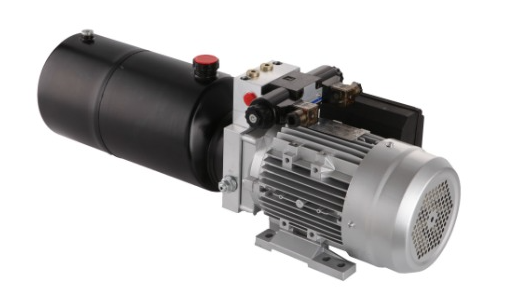
One of the key strengths of hydraulic power pack systems is their ability to be customized for a wide array of specific requirements. Manufacturers like Rotontek are known for offering bespoke solutions that can tailor hydraulic systems to the exact needs of their clients.
Personalized Power and Performance
- Custom Power Outputs: Hydraulic systems can be designed with varied power outputs to suit different industrial needs, ranging typically from 1 kW to over 300 kW.
- Component Selection: Clients can select specific components, such as pumps and valves, to match their required pressure (up to 350 bar) and flow rates.
Material and Build Quality
- High-Quality Materials: Systems are often made with durable materials like stainless steel, ensuring longevity and resistance to wear and tear.
- Quality Assurance: Rotontek, for example, emphasizes the use of quality materials and rigorous testing to ensure the reliability and efficiency of their systems.
Flexibility in Installation and Operation
Adaptability in Various Environments
- Compact and Modular Designs: Hydraulic systems can be engineered in compact sizes, some as small as 0.5 square meters, to fit into limited spaces.
- Modular Setup: This allows for easier integration into existing setups and facilitates future expansions or modifications.
Operational Versatility
- Wide Range of Applications: From stationary industrial machines to mobile equipment, these systems can be adapted for various operational contexts.
- Fine-tuned Control: Users can achieve precise control over speed (up to 15,000 rpm) and force, making hydraulic systems versatile for different tasks.
Cost Considerations
- Initial Investment: Customizing a hydraulic system can increase the initial cost by 10-30%, but this is often offset by the system’s efficiency and longevity.
- Long-Term Savings: While the upfront cost might be higher, the long-term operational savings due to the system’s efficiency and durability can be substantial.
Conclusion Customization and flexibility are pivotal advantages of hydraulic power pack systems, making them a suitable choice for a diverse range of industrial applications. Companies like Rotontek facilitate this adaptability by offering tailored solutions that meet specific power, size, and operational requirements.

Cost-Effectiveness
Initial Investment vs. Long-Term Savings
| Aspect | Details |
|---|---|
| Initial Investment | Hydraulic systems require a significant upfront investment, often 20-30% higher than equivalent pneumatic or electric systems. For a medium-sized system, this can translate to an initial cost of $10,000 to $30,000. Key factors contributing to the cost include the quality of materials, system complexity, and customization. |
| Operational Costs | Although the initial investment is high, operational costs are lower in the long run. This is due to higher energy efficiency, which results in 20-40% savings on energy bills compared to other systems. |
| Maintenance Costs | Regular maintenance, including fluid, filter, and seal replacements, can cost between $500 and $2,000 annually, depending on the system’s size and complexity. |
Comparison with Alternative Power Systems
| Feature | Hydraulic Systems | Alternative Systems (Pneumatic/Electric) |
|---|---|---|
| Energy Efficiency | Hydraulic systems are highly efficient, converting up to 80% of electrical energy into mechanical energy. | Pneumatic and electric systems have lower efficiency, often converting only 40-70% of energy into mechanical energy. |
| Durability | With proper maintenance, hydraulic systems can last 10-20 years. They are built with high-grade materials like stainless steel, enhancing their lifespan. | Alternative systems typically have a shorter lifespan, averaging 5-10 years, due to less robust construction materials and design. |
| Performance | Capable of operating under high pressure (up to 3000 psi), hydraulic systems are ideal for heavy-duty applications. They offer precision control and high power output. | Alternative systems may not offer the same level of power or control, especially in heavy-duty applications. |
| Customization | Highly customizable in terms of power output, size, and component configuration. This allows for a perfect fit for specific needs. | Limited customization options. Most pneumatic and electric systems come in standard sizes and configurations, offering less flexibility for specific application needs. |
| Installation Space | Can be bulky and require more installation space. The need for a fluid reservoir and piping can increase the space requirement. | Generally more compact, requiring less space for installation. Ideal for applications with limited space availability. |
Key Consideration: Despite the higher initial costs, the long-term benefits of hydraulic systems in terms of energy efficiency, durability, and performance often outweigh these initial expenses. The customization and operational flexibility they offer make them a cost-effective solution for many industrial applications.
Environmental Impact
Eco-friendliness of Hydraulic Systems
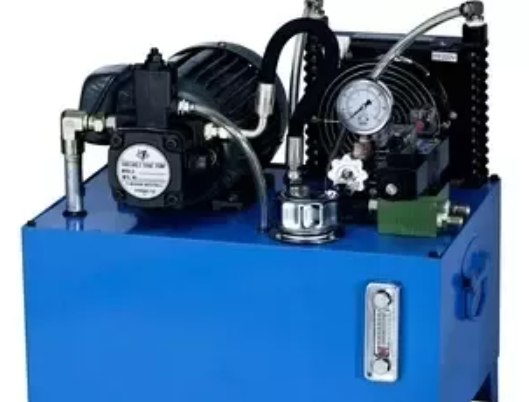
Hydraulic power pack systems, while powerful, have certain environmental impacts that need consideration. The eco-friendliness of these systems largely depends on the type of hydraulic fluid used, system design, and operational protocols.
Hydraulic Fluids: Biodegradable Options
- Conventional hydraulic fluids are petroleum-based, which can pose environmental risks in case of leaks or spills. However, many manufacturers now offer biodegradable hydraulic fluids, made from synthetic esters or vegetable-based oils, reducing environmental harm.
- The cost of biodegradable fluids can be 20-30% higher than traditional fluids, but they significantly lower the ecological footprint of the hydraulic system.
Energy Consumption and Efficiency
- Hydraulic systems are designed for high efficiency, converting up to 80% of electrical energy into mechanical energy. This high energy efficiency reduces the overall carbon footprint.
- Despite their efficiency, these systems can consume substantial power, especially in large-scale industrial applications, impacting overall energy usage.
Noise and Emission Levels
Noise Pollution
- Hydraulic systems are known for their quiet operation, especially when compared to pneumatic systems. The average noise level of a hydraulic system ranges from 60 to 75 decibels, comparable to normal conversation levels.
- The design and maintenance of the system play a crucial role in noise reduction. Properly maintained systems with well-lubricated parts and sound-insulated pumps can significantly reduce noise levels.
Emissions and Air Quality
- Hydraulic systems themselves do not emit greenhouse gases during operation, which is a significant environmental advantage.
- However, indirect emissions come from the electricity used to power the systems. The environmental impact depends on the source of the electrical power, whether it’s from renewable sources or fossil fuels.
Sustainable Practices and Improvements
- Implementing energy-efficient practices, like using variable speed drives, can reduce power consumption and thus lower indirect emissions.
- Regular maintenance and inspection can prevent leaks and spills, further reducing environmental risks.
In Summary: Hydraulic power pack systems, when designed and operated with environmental considerations in mind, can have a reduced impact on the environment. The use of eco-friendly fluids, noise reduction techniques, and energy-efficient practices contribute to making these systems more sustainable.