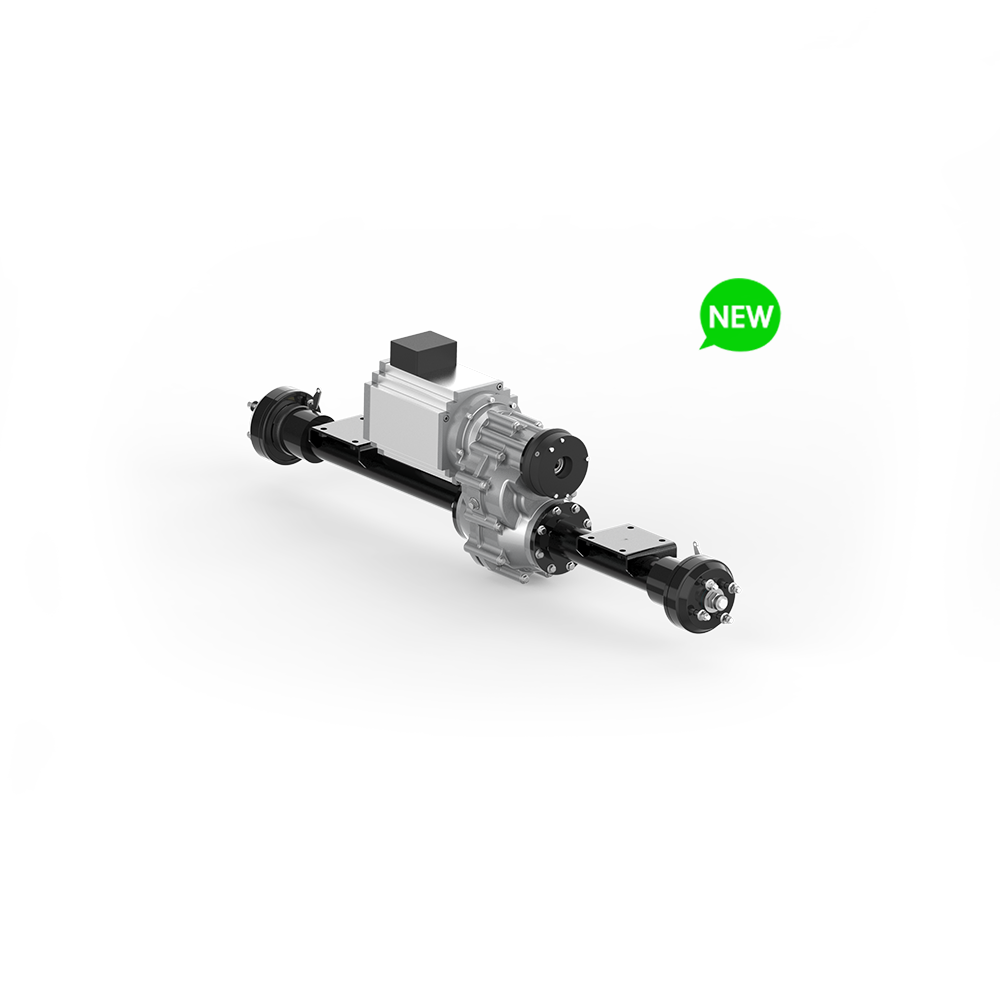
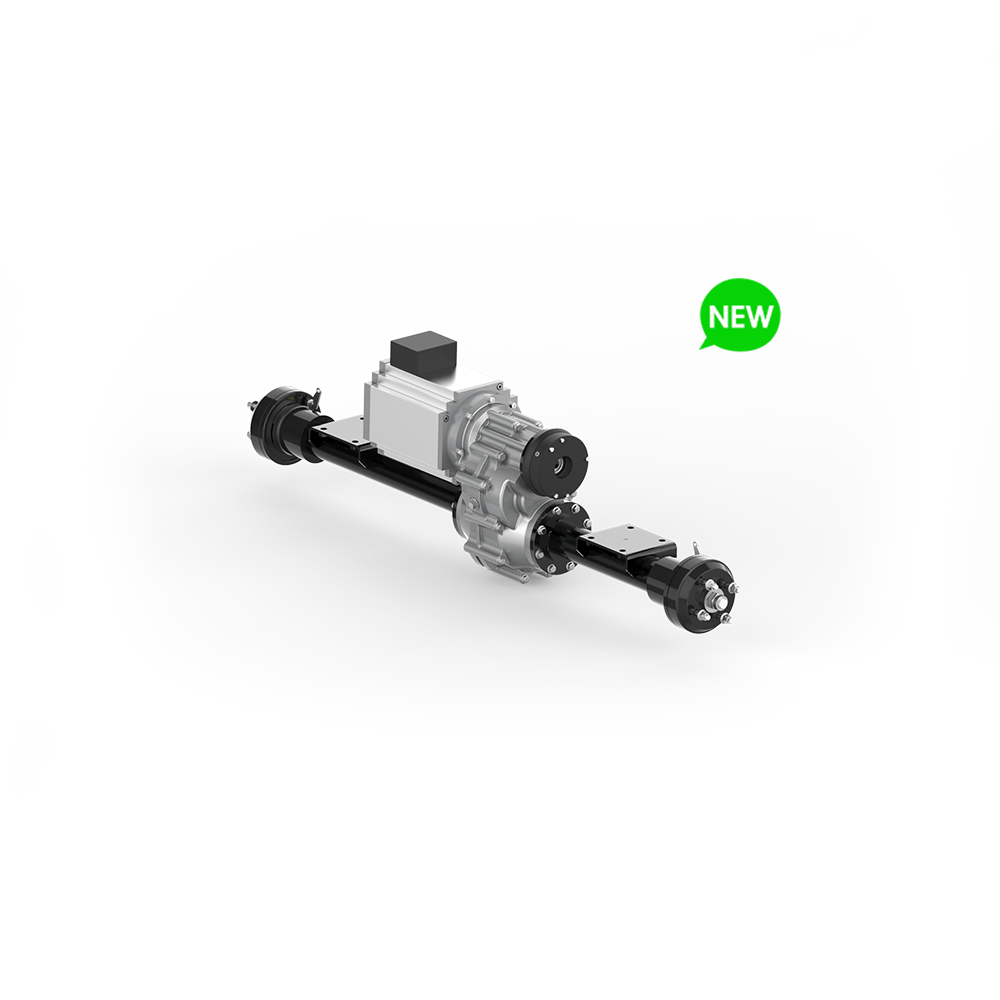
Which electric drive axle is best for low speed off-highway vehicles
Choosing the Right Electric Drive Axle for LSVs
Assessment of Vehicle Requirements
To select the ideal electric drive axle for low-speed vehicles (LSVs), it is crucial to thoroughly understand the vehicle’s operational demands. This involves evaluating the maximum load the vehicle will carry and the types of terrain it will navigate.Accurately assessing these requirements ensures that the chosen axle will not only fit but also function optimally under expected working conditions.
Comparison of Different Axle Models
When you are comparing electric drive axles, it is important to compare various models to find the one that fits your low-speed vehicle the best. When you are doing the comparison, look at the power output, which may range from 11 kilowatts for standard usage to 50 kilowatts for more demanding usages. Look at the specifications and advantages of the various models, through comparison, to reach a well-informed decision that is suitable for your operational area and budgetallocation.
Rotontek Solutions for Electric Drive Axles in LSVs
Rotontek Product Range Overview
Rotontek has a wide selection of electric drive axles meant for low-speed vehicles, with their products being diversified to fit different applications, from easy utility jobs to heavy industrial use.
The unique features of Rotontek axles are the presence of an integrated brake and a programmable controller that makes their axles very versatile and suitable for any technological environment. The utility of these products allows many manufacturing and service companies to easily find an option that fits their needs.
Benefits of Choosing Rotontek
Although Rotontek’s drive axles are designed for low-speed vehicles, they still offer some critical advantages. Their axles are extremely durable and reliable, with their quality ensured by testing in the most extreme conditions.
They are highly energy-efficient, which allows companies using low-speed vehicles to substantially cut their operational costs. Due to the high quality of the build and the advanced design of Rotontek products, their customers enjoy a reduction in maintenance costs, which makes these axles a smart long-term investment.
Installation and Integration of Electric Drive Axles in LSVs
Proper installation and integration of transaxles in low-speed vehicles (LSVs) are crucial for ensuring optimal performance and longevity.Effective maintenance and troubleshooting practices can significantly reduce downtime and operational costs.
Installation Guide
Installing an electric drive axle in a low-speed vehicle requires meticulous attention to detail to ensure optimal performance and safety. The following steps outline the installation process:
Preparation and Safety Check
Begin by confirming that the vehicle is powered off and stabilized. Ensure that the installation area is clear of any debris and hazards.
Mounting the Axle
Use precision tools to secure the axle to the vehicle’s frame, ensuring that all bolts are tightened to the manufacturer’s specifications to avoid any movement during operation.
Electrical Connections
Connect the electrical components, including the motor controller and power supply. It’s critical to follow the wiring diagram provided by Rotontek to ensure correct and safe connections.
Final Setup and Calibration
Finalize the installation by setting up any software associated with the axle. Calibrate the system according to Rotontek’s guidelines to ensure it matches the specific performance criteria of your LSV.
Initial Testing
Once all physical connections are made, conduct a preliminary test to check for any immediate faults or misalignments. Adjust as necessary.
Mechanical Integration
Attach any mechanical linkages, including drive shafts or coupling units, between the axle and the vehicle’s transmission system.
Common Issues and Troubleshooting Techniques
When issues arise with electric drive axles in LSVs, here are four key areas to diagnose and resolve common problems:
Unusual Noises or Vibrations
Check for loose components or misalignments that could cause rattling or shaking. Ensure that all parts are properly secured and aligned.
Reduced Performance or Efficiency
Measure the electrical output and efficiency of the axle. If there is a drop in performance, inspect for electrical issues such as worn cables or poor connections.
Overheating
Monitor the temperature of the axle during operation. If overheating occurs, verify the cooling system is functioning properly and clear any blockages that might impede airflow.