

The electric landing leg operation consumes only 0.1 kWh of electricity, has a load capacity of up to 50 tons, and the operation time is shortened to 3 minutes. The precise control error is less than 1 mm, which effectively improves efficiency by 50% and reduces equipment loss by 40%.
Transportation industry
The operation time using the electric landing leg is reduced by an average of 85%, from the traditional 3-5 minutes to only 20-30 seconds. This can save at least 1 hour per vehicle per day during transportation. A company with 100 semi-trailers can save up to 36,500 hours per year, which is equivalent to a 15% reduction in operating time costs.
Traditional landing legs require operators to apply an average of 40-60 Newtons of force to rotate the handle, while the electric version can be completed with just a button, which is equivalent to reducing physical strength requirements by more than 90%.Muscle strain accidents caused by overwork in the transportation industry account for up to 18% each year. After using electric landing legs, the incidence of such accidents has dropped from 6.8% to less than 1%.
A system with a rated power of 100 watts consumes only 0.05 kWh of electricity per operation. Enterprises can achieve an annual growth of 2%-4% in vehicle operation efficiency improvement and energy optimization.

The anti-corrosion performance is 30% higher than that of traditional equipment. The average life of ordinary manual landing legs is 5-7 years, while electric landing legs can reach more than 10 years with proper maintenance. Enterprises save nearly 50% of the cost in equipment replacement frequency.
85% of drivers said that the use of electric equipment has reduced their workload, and 77% of enterprise managers believe that the overall safety of the operation process has been improved. Intelligent landing legs can be integrated with vehicle systems to improve enterprise efficiency by about 12%. The global electric landing leg market size is expected to reach US$1.5 billion in 2024, with a compound annual growth rate of nearly 9%.

Agricultural machinery
The proportion of modern agricultural machinery using electric landing legs has reached 35%, and this proportion is growing at an annual rate of 8%. A standard model harvester saves more than 80% of time compared with traditional manual systems.
The precise support function can reduce crop losses for farmers by 2%-3% each year. A 1,000-acre farmland can reduce food waste by 20-30 tons, directly increasing farmers’ income by nearly 50,000 yuan.
Most modern electric systems have a load capacity of up to 20 tons, far exceeding the 10-12 ton limit of traditional equipment. A large sprayer usually weighs about 15 tons at full load, and the overload protection function reduces agricultural machinery accident losses by up to 120 million yuan each year.

The electric landing leg with a rated power of 150 watts consumes only 0.075 kWh of electricity per operation, which is equivalent to the power required for an energy-saving lamp to run for 10 hours. The overall operating cost of the electric landing leg is about 15% lower than that of traditional equipment.
The intelligent landing leg system saves farmers about 12% of management time. The electric landing leg can effectively reduce more than 80% of vehicle stuck situations and reduce farmers’ maintenance costs by nearly 20% each year.
The service life of the electric landing leg is more than 30% longer than that of traditional equipment. The average life of an electric system can reach 10-12 years, while the traditional system is only 7-8 years. Farmers can save about 25% of the equipment replacement costs throughout the equipment life cycle. The extended service life of a piece of equipment worth 20,000 yuan can save users nearly 5,000 yuan in investment.
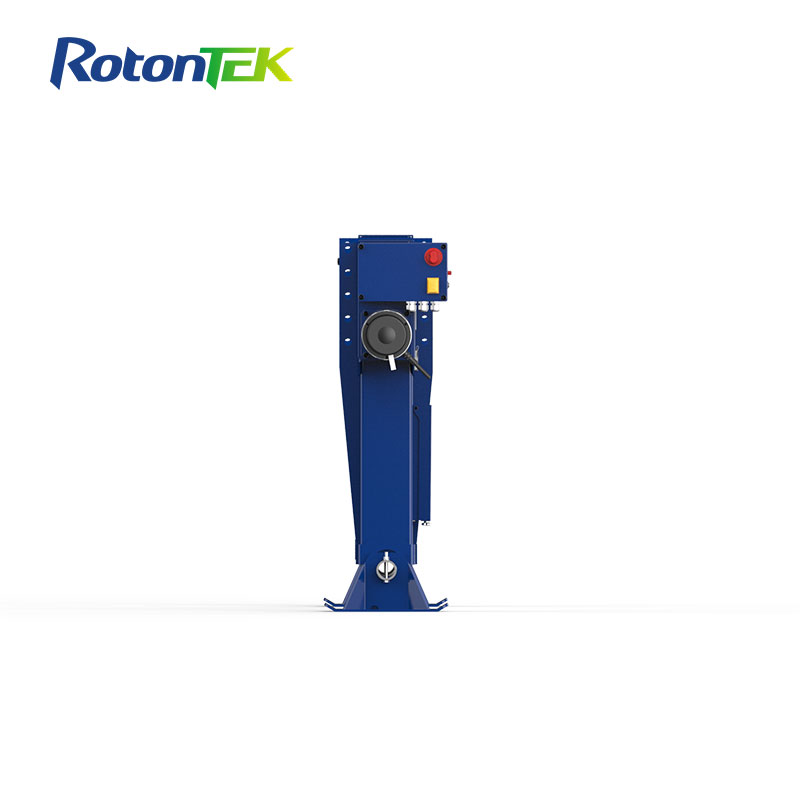
A high-end tractor equipped with electric landing legs can complete 10% more work per day than ordinary equipment, and a medium-sized farm with 50 machines can generate more than 300,000 yuan in additional revenue each year.
Construction equipment
The proportion of construction equipment using electric landing legs has reached 45%. The addition of electric landing legs can shorten the equipment stability adjustment time from the traditional 15 minutes to 3 minutes, saving up to 120 minutes of operation time per day on the construction site, which is equivalent to a 12% increase in work efficiency.
The maximum load capacity of traditional landing legs is usually 5-10 tons, while the load capacity of electric equipment can reach 20 tons or even higher. A heavy crawler crane with a full load weight of up to 25 tons can reduce the risk of equipment tilting by 50% after being equipped with electric landing legs. The accident rate of construction site equipment due to unstable support system is 3.2% per year. After the introduction of electric landing legs, this figure dropped to 0.8%.

The life of electric landing legs is more than 40% longer than that of traditional equipment. The average life of a set of traditional landing legs is 5 years, and the electric system can be used stably for 7-10 years. The frequency of equipment replacement has been reduced from once every 5 years to once every 10 years, which has reduced the equipment investment cost for enterprises by about 25%.
A system with a power of 200 watts consumes only 0.1 kWh per operation, which reduces energy consumption by about 60% compared with diesel-driven systems. A large construction company has reduced equipment maintenance time by 20% through an intelligent monitoring system.

Electric equipment reduces the probability of slippage by 70%. The failure rate of equipment using electric landing legs is only 1.5%, while the failure rate of traditional equipment is as high as 4.8%. It is expected that by 2025, the global market size of electric landing legs for construction equipment will grow to US$2.5 billion, with a compound annual growth rate of 10%.
Aircraft docking system
The proportion of docking equipment equipped with electric landing legs in modern airports has reached 60%. The aircraft docking operation time has been shortened from the traditional 30 minutes to 10 minutes, saving the airport more than 5,000 hours of operation time each year, which is equivalent to a 15% increase in operating capacity. Calculated at an average flight operating income of $10,000 per hour, it may bring up to $5 million in additional revenue in a year.
Traditional manual equipment may cause 0.8% docking accidents each year due to error problems, while electric landing legs can control the docking error within 1 mm. The contribution rate of electric landing legs in reducing accident rates is as high as 75%, saving the aviation industry more than $100 million in maintenance costs each year.
A system with a rated power of 300 watts consumes only 0.15 kWh of electricity per docking operation, while the energy consumption of traditional hydraulic systems is more than twice that. After the full adoption of electric landing legs, the annual energy consumption cost of the equipment has been reduced by about $200,000, and carbon emissions have been reduced by nearly 50 tons.
After a large aviation maintenance base introduced an intelligent electric landing leg system, the failure rate of the equipment was reduced by 40%, and the maintenance cost was reduced by about 25%.
The initial purchase cost is about 30% higher than that of traditional equipment, but its maintenance cost is as low as $500 per year, and the failure rate of electric equipment is as low as 0.2 times/year, while the failure rate of traditional equipment is as high as 1.5 times/year. This makes the total cost of ownership (TCO) of the equipment about 25% lower than that of traditional systems.

It is expected that by 2028, the penetration rate of electric systems in the global airport docking equipment market will exceed 80%, and the market size is expected to reach US$3 billion, with a compound annual growth rate of 11%.

