Electric Drive Axle Market Trends in 2026: What Equipment Manufacturers Should Know

Electric Drive Axle Operation

As the core powertrain of electric vehicles, the electric drive axle has expanded from standardized applications in the passenger vehicle sector to achieve deep penetration in commercial, industrial, construction, and agricultural machinery.

Behind this shift lies a significant increase in the automation rate of global electric drive axle production lines, as well as the maturation and refinement of the supply chain for key components.

For equipment manufacturers, understanding and capitalizing on this trend will enable them to gain a competitive advantage in the design of next-generation electrified equipment.
Electric Axle Drive Systems Market in 2026

1. Market Size Continues to Expand

The global automotive electric drive axle market reached $13.05 billion in 2025. Driven by the electrification wave across commercial vehicles, construction equipment, and industrial machinery, this figure is projected to grow to $21.65 billion by 2030, representing a CAGR of 10.65%[1].

2. Regional Landscape

(1) Asia Pacific

Driven by a mature EV ecosystem and robust cost advantages in regional manufacturing, the Asia Pacific continues to head the global electric drive axle market. China, the world’s largest NEV market, offers a mature ecosystem of batteries, motors, and electronics for mass production. Japan and South Korea contribute precision manufacturing and advanced component technologies (e.g., bearings, gears), strengthening regional supply chain integrity.

(2) Europe

Europe is driven by the world’s strictest carbon regulations and net-zero commitments. With a strong equipment manufacturing heritage, the region leads in functional safety standards (ISO 26262), where OEMs demand high safety levels, redundancy design, and robust fault diagnosis.

European customers favor deep supplier collaboration on customized R&D to optimize for specific conditions like ultra-low noise in urban centers. Full lifecycle carbon footprint certification is increasingly a prerequisite for the premium market.

(3) North America

Diverse applications shape North America’s demand profile. The U.S. has one of the world’s most automated logistics sectors, with retail giants driving large-scale AGV, automated forklift, and tow tractor deployments—creating strong demand for compact, flexible drive axles.

North America also has extensive experience in heavy-load transport, including port AGVs, mining vehicles, and large agricultural machinery. This demands extreme environmental adaptability, high torque density, long service life, and low maintenance.

Region

Market Characteristics

Core Advantages

Key Demand Priorities

Asia-Pacific

  • Global manufacturing hub
  • Scale-driven
  • Complete EV supply chain
  • Localized manufacturing cost advantages
  • Strong policy support
  • Scalable delivery
  • Cost control
  • Standardized products

Europe

  • Technology-driven
  • Regulation-led
  • Stringent carbon emission regulations
  • Advanced manufacturing heritage
  • Leading functional safety standards
  • Functional safety (ISO 26262)
  • High power density
  • Customized R&D
  • Full lifecycle carbon neutrality certification

North America

  • Application-driven
  • Reliability-focused
  • High level of logistics and warehousing automation
  • Strong heavy-duty transportation demand
  • Extensive experience in extreme operating conditions
  • Adaptability to extreme conditions (extreme cold/high temperature/dust)
  • High torque density
  • Long service life
  • Low maintenance costs
  1. Competitive Landscape
  • Product Evolution: The traditional discrete procurement model of “motor + axle” is being replaced by integrated three-in-one (motor + controller + reducer) electric drive axles, which deliver higher power density, simplified installation, and improved NVH performance.
  • Supplier Role Transformation: Suppliers are evolving from hardware providers to system-level integrators. The ability to deliver turnkey solutions has become the decisive factor in distinguishing market leaders from their competitors.
  • Expanded Competition Dimensions: While price competition persists, differentiation is increasingly driven by reliability data, extreme-condition validation expertise, and development cycle speed. Suppliers with deep industry know-how and strong OEM collaboration are gaining greater pricing power and customer loyalty.
  1. Key Applications Driving Demand
  • Electrification of Industrial Equipment: Applications such as glass loaders, aerial work platforms, and compact cranes demand zero emissions, low noise, and precise maneuverability.
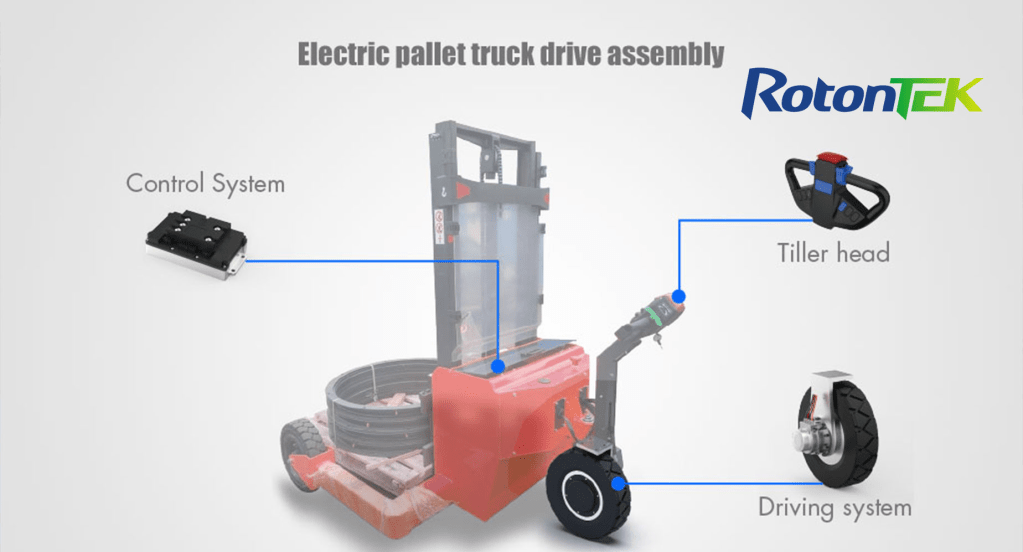
  • Warehouse and Logistics Automation:Electric forklifts, tow tractors, and pallet trucks place high demands on compactness, agility, and battery endurance.
  • AGVs and Intelligent Transport Equipment:AGVs and AMRs are widely used in smart manufacturing and intelligent logistics, requiring drive axles with precise control, fast response, and low noise levels.
  • Heavy-Load Transport Equipment:This includes port AGVs, mining support vehicles, and large tow tractors. Scenarios that push drive axles to their limits in terms of peak torque, overload capacity, and reliability.

Electric Drive Axle Technology Trends

To meet the diverse demands of the application scenarios outlined above, electric drive axle technology is evolving along the following core directions:

1. Integrated Design

Through deep integration of the motor, electronic control, and reducer, integrated design significantly simplifies the installation structure, reduces system complexity, minimizes mechanical transmission losses, and enhances overall system reliability and power density.

2. High Torque Density

Delivering higher torque within a limited space to meet the demanding power requirements of heavy-duty transport equipment during low-speed climbing, startup, and other challenging operating conditions.

3. Brushless DC motors(BLDC) 

BLDCs have become the mainstream choice due to their high efficiency, high reliability, and excellent controllability. Meanwhile, the penetration of 800V high-voltage systems and silicon carbide (SiC) modules in high-power axles has increased significantly, effectively reducing energy losses.

4. Compact and Modular Structure

Modular design allows manufacturers to quickly adapt to equipment of different tonnages and types by combining standardized drive axle modules, shortening development cycles, and reducing procurement costs.

5. Noise and Vibration Control

As equipment is increasingly used in noise-sensitive environments such as indoor facilities and nighttime operations, higher standards are being placed on Noise, Vibration, and Harshness(NVH) performance. Low-noise design is the key indicator of product quality.
800W-1500W Series

Our 800W-1500W drive axles are developed for equipment that requires high flexibility, precision, and space efficiency:

  • Low Noise Operation:Utilizes high-quality hardened steel alloy gears, with operating noise as low as 62dB, suitable for indoor and human-robot collaborative environments.
  • Compact and Efficient:Features a small motor diameter (as slim as Ø95.8mm), making it easy to integrate into space-constrained equipment, with motor efficiency reaching up to 91.47%.
  • Precise Control:Equipped with an intelligent electromagnetic braking system that automatically engages when power is cut off, ensuring safe and reliable parking on slopes. Supports customizable rotation speed and shaft length, providing flexible control and drive system solutions.
  • Target Applications:Warehousing and logistics tow tractors, precision manufacturing AGVs, small tow tractors, electric glass transport vehicles, and agricultural automation equipment.

2.2KW-7.5KW Series

As a specialized heavy-duty transaxle, our 2.2KW-7.5KW series delivers exceptional power performance and rugged reliability.

  • Extreme Torque Output: Provides powerful starting torque and climbing capability to effortlessly handle heavy-load startups and complex road conditions.
  • Rugged and Durable: Boasts a structurally reinforced design with excellent overload capacity and impact resistance, capable of meeting the demands of long-term continuous operation in construction and mining sites.
  • High Reliability: Key components are manufactured using high-grade materials and advanced processes, ensuring long service life even in heavy-duty, high-intensity applications.
  • Target Applications: Heavy-duty glass loading equipment, large tow trailers, heavy-load AGVs, construction and engineering machinery, mining auxiliary transport equipment.

Conclusion

As equipment electrification accelerates across the board in 2026, selecting the right electric drive axle partner is critical. With deep insight into market trends and a commitment to continuous technological innovation, we offer a complete product line from compact to heavy-duty solutions, helping your equipment gain a competitive edge in the era of electrification.

Reference

[1]. Available at: https://www.giiresearch.com/report/moi1842477-automotive-electric-drive-axle-market-share.html

How to Select an Electric Transaxle: A Practical Guide for Equipment Manufacturers

electric transaxle operation

As industrial electrification accelerates globally, conventional internal combustion drivetrains are being replaced by more efficient electric systems. The electric transaxle has become a key component that directly affects vehicle performance, efficiency, and control.

For equipment manufacturers, improper selection can result in insufficient torque, overheating, reduced lifespan, or costly redesign. This guide explains how to select the right electric drive axle based on real application needs.

6 Key Factors for Electric Drive Axle Selection

In electric vehicle architecture, the drive axle integrates the motor, reduction gearbox, differential, and braking system. It is responsible for torque transmission and load support. Unlike conventional axles, electric drive axles must balance electrical, mechanical, and thermal constraints simultaneously.

When considering the drive axle assembly, we recommend evaluating your requirements based on the following six core factors:

1. Maximum Load Capacity

This is the foundation. The rated load must meet or exceed the fully loaded vehicle weight, including cargo and structure. Overloading can shorten the axle’s service life or even cause structural failure, posing serious safety risks.

2. Speed and Gradeability Requirements

  • Top Speed: Determines the required gear reduction ratio.
  • Gradeability: Defines the peak torque necessary to ascend specific inclines.
  • Low-Speed Performance:Heavy-duty applications require constant torque output at low RPM.

Different applications demand different trade-offs between speed and torque. For instance, material-handling vehicles often require frequent starts and stops with precise low-speed maneuvering, while golf carts need decent flat-ground speed. Defining the top speed and maximum gradient (typically expressed as a percentage) is critical for determining the appropriate gear ratio and motor power.

3. Voltage Platform Compatibility

The electric transaxle must match the system voltage (typically 24V, 48V, 60V, or 72V). Higher-voltage systems reduce current draw, allowing for smaller cable cross-sections and lower total vehicle mass. Mismatched voltages can lead to poor motor performance, reduced efficiency, or controller damage.

4. Installation Space and Mounting Interfaces

The physical dimensions, such as housing length, mounting points, and track width, must be compatible with the chassis layout. Early verification of mounting interfaces (e.g., leaf spring seats, linkage mounts) and half-shaft connections helps avoid costly structural modifications later.

5. Environmental Conditions

The operating environment dictates the required protection level. Equipment used in wet, dusty, or muddy conditions demands an electric transaxle with higher ingress protection ratings and enhanced corrosion resistance. For extreme temperatures, lubricant performance must also be considered.

6. Consider Special Functional Requirements

Modern electric vehicles often come with added functional expectations. Features such as hill-hold assist (to prevent rolling back), electromagnetic braking (for parking or auxiliary braking), and low-noise operation (ideal for nighttime or urban use) all require corresponding hardware and software support within the drive system.

Which Unit Fits Your Fleet?

Based on the criteria above, here’s how to approach selection for different application scenarios.

Scenario 1: Agricultural Machinery

  • Typical Equipment: Electric tractors, tillers, orchard transport vehicles, mowers.
  • Key Challenges: These machines often operate in muddy or sloping fields over long periods, demanding robust low-speed torque and exceptional reliability.
  • Matching Logic
  • Torque Output:Agricultural applications require high gear reduction ratios (e.g., >1:20) to achieve sufficient drawbar pull without the complexity of a multi-speed gearbox.
  • Environmental Resilience:To prevent damage from soil, water, and organic debris, the electric transaxle must utilize high-grade sealing solutions.
  • Slope Stability: Frequent operation on inclines requires integrated anti-rollback mechanisms to maintain vehicle position and operator safety during start-stop cycles.
  • Recommended Product

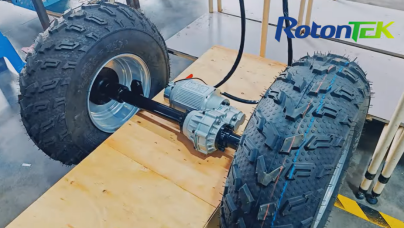
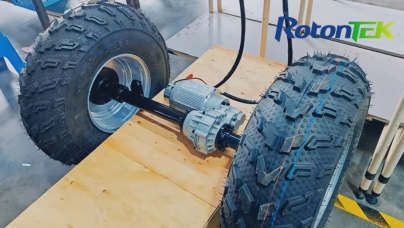
For agricultural applications, our 800W–1500W series electric drive axle boasts a low-speed, high-torque design that enables tractors to plow or climb with ease.

Specialized oil seals and an optimized housing structure effectively block out mud and contaminants, allowing the axle to perform reliably in tough field conditions.

Additionally, the integrated electromagnetic braking system delivers dependable stopping power even on challenging slopes, providing a solid foundation for operational safety.

Scenario 2: Construction and Material Handling

  • Typical Equipment: Glass transport vehicles (suction-cup type or forklift-style), small tow tractors, construction site utility vehicles, trailers.
  • Key Challenges:These vehicles handle substantial loads, often ranging from 3 to over 20 tons, with frequent stop-start operation, rough terrain, and intensive duty cycles.
  • Matching Logic
  • Load-Bearing Capacity: The primary consideration is structural strength. The axle housing, gears, and bearings must be reinforced for demanding conditions to sustain reliable performance under heavy loads.
  • Durability and Thermal Management: Frequent starts and stops generate significant shock loads and heat. Choosing anelectric transaxle with robust construction and effective heat dissipation helps minimize wear and extend service life.
  • Precision Control: When handling fragile loads like glass, precise motor control enables gentle acceleration and deceleration, loweringthe risk of load shifting or damage.
  • Recommended Product

Engineered specifically for heavy-duty transport equipment, the Rotontek 2.2kW–7.5kW brushless DC drive axle strikes an excellent balance between power and efficiency. This series delivers robust power and reliable climbing capability while addressing the needs for energy savings and low-noise operation. The combination of all-steel gears and an integrated differential ensures transmission reliability.

Why Choose Rotontek

Among various drive axle manufacturers, we focus on offering practical and adaptable solutions for different applications.

1. Customization Capabilities

We understand that standard products don’t always meet real-world requirements. That’s why we develop tailored electric transaxle solutions, including gear ratios, mounting configurations, and motor specifications to ensure seamless system integration.

2. System-Level Support

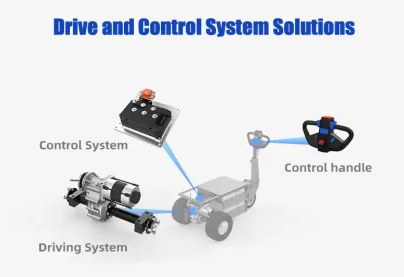
In addition to supplying the electric drive axle, we also provide system-level support such as matched controllers and drive strategies. This helps equipment manufacturers reduce development time and improve overall performance.

3. Standardized Manufacturing and Responsive Service

Rigorous production processes guarantee consistent quality across every unit. Furthermore, we maintain a service structure that covers pre-sale consultation, integration support, and after-sales care.

Conclusion

Opting for the right electric transaxle requires a strategic balance of performance, reliability, and cost.

At Rotontek, we bridge this gap by aligning our drive solutions with your precise application needs. Beyond these scenarios, our portfolio powers a diverse range of vehicles, from golf carts and compact sweepers to specialty logistics and sightseeing cars. Contact us today.

Harnessing Electric Transaxles in Electric Vehicle Chassis

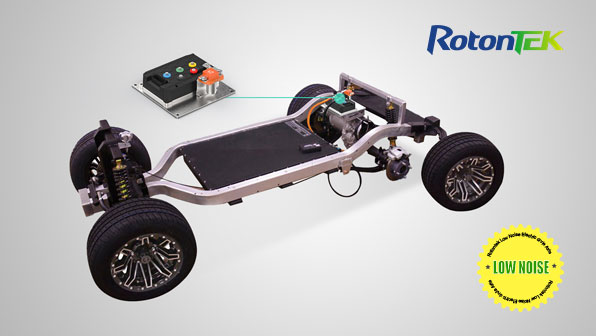
The automotive industry is undergoing a dynamic transformation as electric vehicles (EVs) gain traction. Within this transition, electric transaxles are emerging as vital components in the design of electric car chassis. These innovative drive axles not only enhance vehicle performance but also substantially reduce noise, a key attribute for today’s applications.

Understanding Electric Transaxles

Electric transaxles integrate the electric motor, transmission, and differential into a single compact unit. This configuration simplifies vehicle architecture and optimizes space within the chassis, leading to a reduction in weight and improved handling. A lowered center of gravity and placement closer to the wheels enhance driving stability and responsiveness.

The efficiency of electric transaxles allows for instantaneous torque and smoother acceleration, eliminating the power losses typically associated with conventional drivetrains. As the automotive landscape increasingly shifts to electric power, recognizing the advantages of electric drive axles is crucial for manufacturers aiming to stay competitive.

Importance of Low-Noise Design

One of the standout features of electric drive axles is their low-noise operation, particularly significant in urban and indoor environments. Traditional combustion engines generate considerable noise, impacting the comfort of passengers and the surrounding community. In contrast, Rotontek’s low-noise electric tugger drive axle is designed specifically to address this issue, providing a quieter experience for users.

The low-noise characteristic of electric transaxles is achieved through advanced engineering techniques and motor designs. Utilizing Brushless Direct Current (BLDC) motors or AC motors, these transaxles minimize vibrations and resonance, effectively dampening sound output. This functionality is especially appealing for indoor logistics and transportation applications, where noise pollution can disrupt operations and affect worker productivity.

Moreover, the reduction in noise enhances user experience—passengers and operators can engage in conversations without raising their voices, and facilities can maintain a more serene environment. This aspect not only promotes comfort but also aligns with growing environmental regulations aimed at reducing urban noise levels.

The Future of Electric Transaxles

As demand for electric vehicles rises, the role of electric transaxles will become increasingly crucial. Innovations in technology and manufacturing will further refine electric drive axles, improving their performance and functionality. Features such as customizable axle lengths and motor options will empower businesses to tailor transaxles to specific applications, pushing the envelope of electric vehicle design.

At Rotontek, we are dedicated to delivering advanced electric transaxle solutions that enable our partners to create groundbreaking electric vehicles. Our low-noise electric tugger drive axle exemplifies our commitment to innovation and performance. By working with us, businesses can harness cutting-edge technology that meets the evolving demands of modern electric mobility. Together, we can drive the future of electric transportation forward, one quiet mile at a time.

Driving the Future of Mobile Platforms with Integrated Motion Technology

Modern industrial environments demand a level of agility and power that traditional propulsion systems often struggle to provide. As warehouses and construction sites transition toward fully electric fleets, the focus has shifted toward maximizing space without sacrificing the strength needed for heavy-duty tasks. We have seen how a well-engineered electric drive wheel can transform a bulky chassis into a sleek, highly maneuverable machine. At Rotontek, we focus on creating these compact monoblock systems that combine the motor, reducer, and wheel into a single unit. This approach simplifies the installation process for vehicle manufacturers and ensures that every component is tuned to work in harmony, providing a reliable foundation for the next generation of mobile platforms.

Engineering Excellence in Heavy-Load Performance

Achieving high torque output while maintaining a compact structure is one of the most significant hurdles in mobile robotics and material handling. We address this by integrating high-efficiency permanent magnet brushless motors into our wheel drive motors, ensuring stable performance even during the most demanding duty cycles. Whether a vehicle is performing a heavy-load start or attempting a full-load incline climb, the synchronization between the drive controller and the motor remains seamless. At Rotontek, we prioritize the use of low-noise reducers to ensure that our power solutions are as quiet as they are capable. This focus on “craftsman spirit” allows us to deliver components that manage energy effectively, extending the battery life of the vehicles they power.

Versatility Across Industrial and Cleaning Sectors

The application of a specialized electric drive wheel goes far beyond simple transport; it is the heart of automation in diverse fields like agriculture and material handling. From AGV transfer vehicles to electric tractors and pallet movers, our systems are designed to handle high-speed travel on level surfaces while maintaining precision control. We offer scalable components, including 48V brushless controllers and specialized joysticks, to ensure that our wheel drive motors meet the specific operational needs of 40+ countries. By serving as a dedicated electric motor China manufacturer since 2008, we have refined our designs to be durable enough for harsh, high-intensity environments where downtime is not an option.

Reliability Through Integrated Design

Beyond the hardware itself, the true value of our motion solutions lies in the stability they bring to a mobile platform’s architecture. By utilizing a monoblock design, we reduce the number of potential failure points, such as external couplings or complex wiring harnesses. This makes the electric drive wheel an ideal choice for battery-powered vehicles that require high-speed travel and frequent stops. We take pride in our R&D centers in Guangzhou and Guilin, where our team of over 40 engineers—including veterans from global tech firms—tests every unit for load capacity and thermal resilience. At Rotontek, we are committed to providing eco-friendly solutions that help our partners break through the routine limitations of traditional drive systems.

Conclusion

The shift toward smarter, more efficient mobile machinery is well underway, and the components we use today will define the capabilities of tomorrow’s industrial landscape. By focusing on the integration of the wheel drive motors with advanced control systems, we provide a path for companies to upgrade their fleets with confidence. We remain dedicated to our vision of being an influential provider of smart motion products, ensuring that every electric drive wheel we produce contributes to a more productive and sustainable world. Our focus on innovation and customer needs ensures that we stay at the forefront of the electric motor industry for another century.

How to Choose the Right Motor Wheel According to Different Usage Scenarios

When selecting the right motor wheel for your application, several factors should be taken into consideration to ensure optimal performance. Whether you’re working with a brushless motor wheel for a mobile platform or need an efficient electric forklift controller, choosing the right component can greatly impact the overall efficiency of your system. At Rotontek, we understand the unique challenges each industry faces, and we’re here to help you navigate the options based on your specific needs.

Understanding Brushless Motor Wheels

A brushless motor wheel is ideal for applications requiring high precision, efficiency, and durability. Unlike traditional brushed motors, brushless systems provide smoother operation and longer lifespans, making them an ideal choice for demanding environments. For example, if you need a drive wheel for an Automated Guided Vehicle (AGV), the brushless motor wheel provides consistent performance, minimizing maintenance and downtime. At Rotontek, we offer a range of brushless motor wheels that can be customized to fit your exact specifications, ensuring optimal performance for mobile platforms.

Key Considerations for Electric Forklift Controllers

When looking at electric forklift controllers, it’s important to choose a system that matches the power requirements and control capabilities of your vehicle. Rotontek designs and manufactures electric forklift controllers that offer a blend of efficiency, reliability, and scalability. The right controller will ensure that your forklift operates smoothly and safely under various load conditions. Our electric forklift controllers are engineered to support high power outputs and quick response times, making them suitable for the dynamic demands of material handling and other industrial uses.

Customization and Integration for Mobile Platforms

Selecting a motor solution involves more than just choosing a product—it’s about finding the right fit for your entire system. Rotontek specializes in delivering integrated electric motor solutions for mobile platforms across a range of industries, from construction to agriculture. By combining the motor, reducer, and wheel into a compact monoblock, we simplify the installation process, saving time and reducing complexity. Whether you’re integrating a brushless motor wheel into your machinery or installing an electric forklift controller, our customizable solutions can seamlessly fit into your existing systems.

Conclusion

At Rotontek, we are committed to providing high-quality, efficient motor solutions for a variety of industries. Whether you’re working with a brushless motor wheel or an electric forklift controller, choosing the right component for your specific use case is crucial for optimal performance. By considering factors such as application requirements, power output, and ease of integration, we help our clients select the most effective solutions for their needs.

 How to decrease motor noise?

Motor noise is an inevitable issue in many electric and mechanical systems. As a gear motor manufacturer, we at Rotontek understand that the low noise gear motor is essential for a wide range of applications, from industrial equipment to household devices. If you’re struggling with motor noise, it’s crucial to identify the source and understand how to minimize it. In this article, we’ll discuss how you can reduce noise levels and improve the performance of your electric motors, particularly focusing on low noise gear motors and the role of Rotontek in providing quieter, more efficient solutions.

Importance of Gear Motor Design in Noise Reduction

The design of the low noise gear motor is one of the key factors in reducing motor noise. At Rotontek, we engineer our motors with precision-cut gears and components that minimize friction and vibrations. These innovations allow for smoother operation, which directly reduces the noise levels produced by the motor. A well-designed motor with proper gear alignment is critical in ensuring quieter performance, whether the motor is used in machinery, vehicles, or even home appliances.

Choosing the Right Motor for Quiet Operation

When selecting a motor for applications requiring low noise, it’s important to consider the type and specifications of the motor. A low noise gear motor from Rotontek is designed specifically to operate quietly, making it ideal for applications where noise is a concern. Whether you’re working with a small appliance or an industrial machine, opting for a motor that is optimized for quiet operation can make a huge difference in reducing unwanted noise. We provide motors that meet the specific requirements of your application while maintaining a low decibel level.

Maintenance and Regular Checks

Regular maintenance plays a crucial role in minimizing motor noise. Over time, worn-out parts, misalignment, or insufficient lubrication can increase friction and noise levels. By maintaining your low noise gear motor from Rotontek and conducting regular checks, you can ensure that the motor continues to perform quietly and efficiently. Proper lubrication and alignment help reduce unnecessary wear and tear, ensuring smooth operation and long-lasting performance.

Conclusion

In conclusion, reducing motor noise is a critical concern for many industries and applications. By choosing the right motor design, such as the low noise gear motor offered by Rotontek, and ensuring regular maintenance, you can significantly decrease noise levels and improve overall performance. At Rotontek, we prioritize quiet, efficient operation, ensuring that our products meet the demands of both quiet performance and durability, making them an excellent choice for a wide variety of applications.

What are the primary functions of a transaxle in lawn tractors?

At Rotontek, we understand how crucial it is to have efficient, reliable, and high-performing machinery for lawn care. Lawn tractors, also known as riding mowers, are essential for making lawn maintenance easy and time-efficient. A critical component of these machines is the electric transaxle. This innovative piece of technology plays a vital role in ensuring that your lawn tractor operates smoothly, efficiently, and with the power necessary to tackle tough grass. Below, we’ll explore the essential functions of a transaxle in a lawn tractor and how Rotontek’s electric transaxle solutions can improve performance and durability.

Power Transmission and Efficiency

The electric transaxle is the heart of power transmission in a lawn tractor. Its primary function is to transfer power from the motor to the wheels, ensuring that the mower moves forward or backward smoothly. At Rotontek, our electric transaxles are designed to handle high torque and provide the necessary efficiency to tackle heavy-duty lawn mowing tasks. The precise engineering behind each Rotontek transaxle ensures that lawn tractors can deliver optimal performance with minimal energy consumption, which is essential for prolonged usage without compromising power.

Smooth Directional Control

One of the main challenges for lawn tractors is achieving smooth directional control, whether turning or changing gears. The lawn mower transaxle makes this process seamless. By integrating the transmission and axle into a single unit, the transaxle allows for easy shifts between forward and reverse directions. This function is vital for maneuvering around obstacles like trees, flowerbeds, or corners. At Rotontek, we ensure that our lawn mower transaxles deliver precise control for smooth operation even in tight spaces, enhancing the user experience for both commercial landscapers and homeowners.

Durability and Longevity in Harsh Environments

Another essential feature of the electric transaxle in lawn tractors is its ability to withstand harsh outdoor environments. Lawn mowers are often exposed to dirt, grass clippings, and varying weather conditions. Therefore, it’s essential that the transaxle is built to last. Rotontek’s electric transaxle systems are engineered for durability, with high-quality materials that resist wear and tear. These systems are designed to work efficiently over long periods, ensuring that your lawn tractor remains operational throughout the season.

Conclusion

In conclusion, the electric transaxle is a crucial component in the smooth operation of lawn tractors. From power transmission to ensuring smooth directional control and providing durability in tough conditions, Rotontek’s electric transaxle solutions are designed to meet the demands of both commercial and residential applications. By integrating advanced technology and engineering expertise, we deliver systems that maximize efficiency and reliability. If you’re looking for a solution that ensures high performance and long-lasting reliability, Rotontek offers the perfect electric transaxle for your lawn tractor needs.

How Do I Choose a Hydraulic Power Unit?

Choosing the right hydraulic power unit (HPU) for your system is more critical than you might think. The wrong unit can lead to inefficiencies, increased costs, and even potential system failures. At Rotontek, we specialize in providing innovative solutions with our EHA actuators, which work seamlessly with industrial hydraulic power units. The goal is to ensure your hydraulic systems run smoothly while maintaining energy efficiency, even in demanding environments. Here’s a closer look at how to make the right choice.

Understanding the Role of an Industrial Hydraulic Power Unit

An industrial hydraulic power unit (HPU) is the heart of many hydraulic systems, providing the necessary power to move machinery and equipment efficiently. These systems convert mechanical energy into hydraulic energy, and the HPU plays a significant role in ensuring that the system operates effectively. Choosing the right HPU means selecting one that matches the specific needs of your application—whether it’s for high-speed movement, heavy lifting, or precision control. For instance, Rotontek’s EHA actuator pairs perfectly with an industrial HPU, ensuring smooth operation under the most demanding conditions.

Why Choose Rotontek’s EHA Actuators for Your System?

When it comes to integrating EHA actuators into your hydraulic system, Rotontek offers a range of benefits. Our actuators combine the high power of hydraulic systems with the precision of electric control. The EHA actuator delivers high-force operation, making it ideal for various industries, from manufacturing to marine applications. It’s also compact, which makes it easy to fit into a variety of setups. The Rotontek EHA actuator features IP68 waterproof protection, making it an excellent choice for environments where the system might face exposure to water or harsh weather conditions. Paired with the right industrial hydraulic power unit, the EHA actuator ensures that your equipment performs at its best.

Selecting the Right Hydraulic Power Unit for Your Application

When selecting an industrial hydraulic power unit, it’s important to consider factors like system size, pressure requirements, and energy efficiency. A key aspect to keep in mind is how well the unit will integrate with other components, such as the EHA actuator. At Rotontek, we offer systems that are designed for easy integration, ensuring that all parts of your hydraulic system work in harmony. For high-speed applications or those requiring high levels of energy efficiency, choosing a reliable industrial hydraulic power unit that works with our EHA actuators can enhance performance and reduce operational costs.

Conclusion

In conclusion, choosing the right industrial hydraulic power unit and integrating it with the right actuator, such as the EHA actuator from Rotontek, is vital to the success of your hydraulic systems. With its superior features, such as high-force operation and IP68 waterproof protection, Rotontek ensures that your system operates efficiently and reliably, even in the most demanding environments. Whether you’re building a new system or upgrading an existing one, we’re here to help you make the right choice for long-term performance and sustainability.

What is the difference between an AC and DC motor?

When it comes to driving machinery, understanding the type of electric motor that suits your application is crucial. Two of the most common types of motors are AC motors and DC motors. While both serve similar functions, they operate on different principles and are used in distinct applications. At Rotontek, we specialize in providing high-efficiency motor solutions, including our IPM synchronous motor series, designed to deliver exceptional performance and compact designs. Whether you’re looking for AC motors for industrial applications or precise control through IPM synchronous motors, our products aim to meet diverse needs with reliability and efficiency.

How IPM Synchronous Motors Work

An IPM synchronous motor uses permanent magnets embedded inside the rotor, which makes it different from traditional induction motors. This design leads to superior efficiency and better control over the motor’s performance. Rotontek’s IPM synchronous motors stand out for their ability to operate smoothly at varying speeds while maintaining high torque, which is essential in applications requiring precision control, such as in robotics or electric vehicles.

AC Motors: Versatility and Power

Unlike DC motors, AC motors rely on alternating current to create a rotating magnetic field. They are generally more robust and cost-effective, making them the preferred choice for large-scale industrial systems. AC motors are versatile and can handle varying loads with consistent performance, which makes them ideal for everything from HVAC systems to electric vehicles. With Rotontek’s range of AC motors, engineers benefit from motors that are designed to deliver power and reliability, regardless of the application.

Why Rotontek’s Motors Stand Out

At Rotontek, we focus on producing high-performance motors that are tailored to modern applications. Our IPM synchronous motors offer cutting-edge technology with permanent magnets for increased efficiency and compact design. This makes them an excellent choice for industries such as electric mobility and automation, where size, power, and precision are key factors. Whether you need AC motors or IPM synchronous motors, Rotontek ensures that our products meet the highest standards of reliability and performance.

Conclusion

In conclusion, while both AC motors and DC motors have their place in the world of electric drive systems, their differences come down to the way they generate and control power. Rotontek‘s IPM synchronous motors are an excellent choice for applications that require high efficiency and precision control. Whether you’re working with industrial machinery or cutting-edge electric vehicles, the right motor can make all the difference in achieving optimal performance. Rotontek is here to support your engineering needs with high-quality, reliable motor solutions.

What Makes a Brushless Motor Stand Out?

When it comes to electric vehicles (EVs), the motor plays a crucial role in determining efficiency, performance, and longevity. One of the most notable advancements in modern electric motor technology is the brushless motor, which offers several advantages over traditional brushed motors. At Rotontek, we specialize in motor speed controllers that help manage the intricacies of brushless motor systems, making them an ideal choice for electric vehicles like scooters, bicycles, and compact EVs. But what exactly makes brushless controllers such a popular choice for electric vehicles?

Enhanced Efficiency with Brushless Controllers

One of the key benefits of a brushless motor is its ability to run with higher efficiency than traditional motors. Rotontek provides motor speed controllers that precisely regulate the power output to the motor, optimizing energy use for longer rides or work shifts. Because brushless controllers eliminate the need for brushes to make physical contact with the motor’s rotor, they reduce friction, leading to reduced heat generation and improved overall efficiency. This translates into a more sustainable driving experience, whether you’re using an EV for personal transport or business purposes.

Longer Lifespan and Durability

The absence of brushes in a brushless motor reduces wear and tear, meaning that motors last significantly longer than their brushed counterparts. With Rotontek’s motor speed controller, the smart management system ensures that your brushless motor runs smoothly for a longer period without unnecessary wear on internal components. This longevity can be a game-changer, especially for applications like electric bicycles or forklifts, where the cost of maintenance is crucial for profitability.

Silent Operation and Smooth Ride

In addition to offering superior performance, brushless motors are known for their quieter operation compared to traditional brushed motors. Whether you’re commuting on an electric bike or using a forklift at a busy warehouse, the low-noise operation of a brushless motor makes it a preferred choice. Our Rotontek motor speed controllers are designed to provide a seamless and quiet ride, with enhanced stability and control for both the user and the vehicle.

Conclusion

Incorporating a brushless controller into your electric vehicle design brings numerous benefits: higher efficiency, longer lifespan, and a quieter, more comfortable ride. At Rotontek, we offer motor speed controllers that complement these features, ensuring that your electric vehicle delivers optimal performance while maintaining reliability and durability. Whether you are working with electric bicycles, golf carts, or other compact EVs, our solutions are tailored to suit your needs, helping you stay ahead in the rapidly evolving electric vehicle market.