Golf carts are a popular mode of transportation on courses and in communities, combining convenience with utility. However, many users seek ways to enhance their golf cart’s speed for a more efficient driving experience. Whether you’re looking to improve performance on the course or around your neighborhood, there are various strategies to consider that can help you get more speed out of your golf cart.
Introduction to the Drive Axle
The drive axle is a crucial component of a vehicle’s drivetrain, playing a pivotal role in the transmission of power from the motor to the wheels. It is responsible for converting the rotational force produced by the engine into movement. The drive axle greatly influences the speed of the vehicle, as it dictates how effectively power is delivered to the wheels. Its design and construction directly impact acceleration and overall performance, making it a fundamental aspect of any vehicle’s capability.
Upgrading the Golf Cart Transaxle
One of the most effective ways to increase the speed of your golf cart is by upgrading the golf cart transaxle. The transaxle is responsible for transmitting power from the motor to the wheels, making it a crucial component for performance. By investing in a high-quality transaxle designed by an experienced electric transaxle manufacturer, you can significantly boost your cart’s acceleration and top speed. Rotontek specializes in creating advanced golf cart transaxles that optimize power delivery and efficiency, ensuring your cart operates at peak performance levels.
Elevate Your Golf Cart Performance
At Rotontek, we take pride in being a leading electric transaxle manufacturer dedicated to delivering innovative solutions for various applications, including golf carts. Our high-performance golf cart transaxles and electric drivetrains are designed in-house, ensuring that precision and reliability are central to our products. Each component is meticulously crafted to provide optimal power delivery and efficiency, making your golf cart not just faster but also more responsive. Whether you need a specialized gearbox or a complete electric drive axle, our expertise guarantees a system that elevates your golf cart’s performance to new heights.
Comprehensive Upgrades for Enhanced Speed
To truly enhance your golf cart’s capabilities, it’s essential to consider several key upgrades. Improving the corresponding system can significantly enhance the driving speed and efficiency of your golf cart. At Rotontek, we invite you to explore our extensive range of golf cart transaxles and electric drivetrain solutions, all engineered to meet the demands of performance-driven users like you. Let us help you unlock your golf cart’s full potential today!
Controlling an electric wheelchair involves understanding the intricacies of its operation and the technology that powers it. As electric mobility solutions become increasingly vital for enhancing independence and accessibility, knowing how to effectively manage these vehicles is essential. This article will explore the control mechanisms for electric wheelchairs, highlighting the role of electric motor controllers and the benefits of using a brushless wheelchair controller.
Understanding the Control Mechanisms
Electric wheelchairs are equipped with sophisticated control systems that allow users to maneuver easily. The primary component in this system is the electric motor controller, which manages power distribution from the battery to the motors that drive the wheels. This controller translates the user’s commands—whether from joystick movements or other input methods—into precise actions, ensuring smooth acceleration and deceleration.
The integration of a brushless wheelchair controller significantly enhances the performance of electric wheelchairs. Unlike traditional brushed motors, brushless motors offer improved efficiency, reduced maintenance, and longer lifespans. These controllers enable finer control over speed and torque, contributing to a more responsive driving experience. By effectively managing energy usage, they also extend the operational range of the wheelchair, allowing users to travel further on a single charge.
Key Features of Motor Controllers
Modern electric motor controllers for wheelchairs are designed with several critical features that improve usability and safety. These include:
1. Speed Control: Users can adjust their speed easily, accommodating different environments, such as narrow hallways or open spaces.
2. Battery Management: Intelligent battery management systems monitor and optimize battery usage, providing users with insights into remaining power and health status.
3. Safety Protocols: Advanced protection features prevent overheating, overcurrent, and short circuits, ensuring safe operation under various conditions.
4. Regenerative Braking: This feature allows the wheelchair to recover energy during braking, feeding it back into the battery, thus enhancing overall efficiency.
By leveraging these features, manufacturers of electric motor controllers can create highly effective solutions tailored to the unique needs of electric wheelchair users.
Partnering with Rotontek for Unmatched Solutions
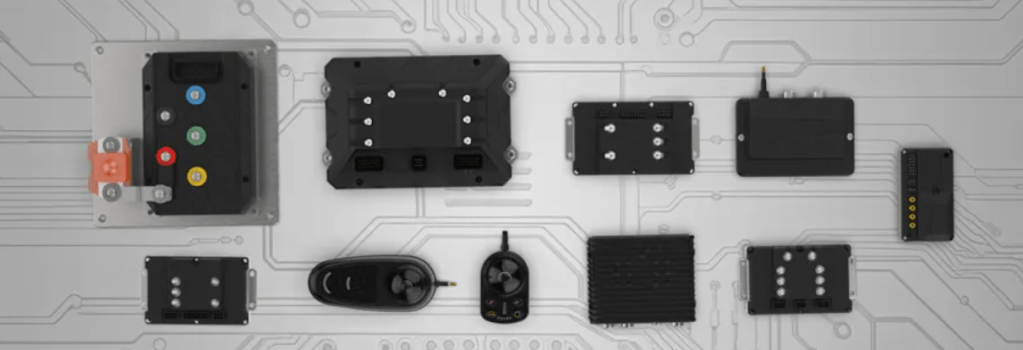
At Rotontek, we understand the importance of reliable control systems for electric wheelchairs. As a trusted motor controller manufacturer, we specialize in delivering top-tier solutions designed to ensure optimal performance and safety. Our range includes advanced brushless wheelchair controllers and low-speed motor controllers, all engineered to provide superior responsiveness and efficiency.
We pride ourselves on our ability to customize systems based on individual requirements, whether you need a hybrid of brushless and proportional controllers or specific configurations for unique applications. Our commitment to innovation and quality makes us your reliable partner in creating efficient, user-friendly electric mobility solutions.
By choosing Rotontek, you’re not just selecting a product; you’re gaining access to a wealth of expertise and support to enhance the performance and functionality of electric wheelchairs, ultimately empowering users with greater independence and comfort.
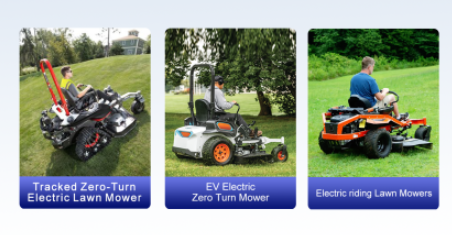
Propelled by technological advancements and tightening environmental regulations, the lawn mower industry is accelerating rapidly toward electrification. Within this trend, the electric drive system has become increasingly important, as it directly determines the equipment’s peak performance, operational efficiency, battery optimization, and overall service life.
An improper selection can lead to insufficient power, reduced runtime, and may also cause system overheating, premature failure, or even safety hazards. This guide aims to assist in scientifically selecting the most suitable electric drive system for electric lawnmowers.
Lawn Mower Equipment Types and Their Drive Requirements
The requirements for an electric drive system can vary across different classification dimensions, primarily defined by equipment scale and application scenarios, locomotion methods, and special operating conditions.
1. Classification by Usage Scenario and Scale
(1) Household/Residential
Residential lawn mowers are typically used for short durations on relatively even ground. Their electric drive systems are expected to deliver smooth motion, predictable speed control, and adequate torque for light grass resistance.
(2) Commercial/Professional Grade
These mowers run for extended periods under sustained load. The electric drive systems must support continuous power output, effective heat dissipation, and long-term reliability without performance degradation.
(3) Robotic Lawn Mowers
Engineered for fully autonomous navigation and mowing, their main requirements are ultra-high efficiency, precise low-speed control, and seamless integration with navigation/sensing systems to optimize path planning and extend operating range per charge.
2. Classification by Locomotion Method
Lawn mower equipment can also be classified by the locomotion methods:
(1) Walk-behind/push Type
Walk-behind mowers require strong torque at low speeds to overcome rolling resistance and grass load during startup and directional changes.
(2) Riding Type
Riding mowers carry higher mechanical loads due to vehicle mass and operator weight. The wheel-drive systems must deliver higher power levels consistently while maintaining electrical stability and operational reliability over long operating cycles.
(3) Zero-turn radius (ZTR) Type
ZTR mowers depend on two independently controlled drive systems. Precise torque balance and rapid response to control inputs are mandatory to achieve accurate turning and stable tracking. Any mismatch in drive response results in uneven motion and reduced control accuracy.
3. Considerations for Special Operating Conditions
(1) Steep Terrains
These environments pose a risk of equipment rollover. The electric drive system needs to feature a robust anti-rollback function, such as electromagnetic braking or software-controlled reverse torque locking.
(2) Wet, Slippery, or Uneven Terrains
To combat traction loss, the drive controller should incorporate traction control logic capable of intelligently adjusting output by detecting wheel speed differentials, preventing wheel spin in muddy areas.
(3) High-obstacle Environments
Frequent starts, stops, and turns call for fast response characteristics. Additionally, system efficiency and thermal management face greater challenges under such operating conditions.
Guide to Quantifying Operational Needs
Selecting an electric drive system becomes far more accurate when measurable technical parameters are prioritized. Here are some important considerations in this regard:
(1) Area/Frequency vs. Power/Runtime
Larger mowing areas and higher usage frequency increase energy demand and runtime requirements. In these cases, continuous power capability and thermal stability matter more than short-term peak power.
(2) Slope/Terrain vs. Torque Requirements
Slope and terrain directly affect torque demand. As the incline increases, the driving system must deliver higher low-speed torque to maintain motion and prevent rollback, especially during starts and stops.
(3) Grass Conditions vs. Continuous Load
Dense or wet grass raises rolling resistance and extends high-load operation. The electric drive systems should be selected with sufficient margin to handle these continuous load increases without overheating or power loss.
Common Selection Mistakes and Maintenance Advice
Avoiding common mistakes and following basic upkeep practices significantly improves performance and service life.
1. Typical Selection Mistakes
(1) Over-prioritizing Peak Power
Selecting motors centered solely on peak power often leads to poor efficiency at real operating speeds, increased heat generation, and unnecessary battery drain. The expected load range is a more critical performance indicator than its maximum power rating.
(2) Ignoring the Impact of Actual Operating Conditions
Many buyers select the electric drive systems for ideal conditions or short-duration test assumptions. It is essential to analyze the actual environment and expected duty cycles to select the most suitable product.
(3) Mismatch of Motor, Battery, and Controller
An imbalance between system components limits output and stability. For example, a high-capacity motor paired with an undersized battery or an overly limited controller creates system-level limitations.
2. Routine Maintenance and Fault Diagnosis
To guarantee long-term performance and lifespan of the electric drive system, implement a routine inspection protocol focusing on electrical connections, cooling paths, and battery health. Common fault symptoms often indicate specific issues:
Overheating: Typically signals continuous overload or obstructed cooling.
Abnormal Noise:Usually points to mechanical wear in bearings, gears, or loose components.
Reduced Power: More often stems from battery capacity fade, poor connections, or controller limitations than from primary motor failure.
Prompt diagnosis and corrective action based on these symptoms are recommended.
Modern Drive System from Rotontek
As a leading manufacturer of specialized motor solutions, our products are engineered to match specific operational demands, ensuring optimal efficiency, durability, and control across all types of lawn care and landscaping applications.
1. Residential & Light-Duty Solutions
Our 500W / 800W Series is best for walk-behind mowers, robotic mowers, and small outdoor power equipment.
High Efficiency:Optimized for intermittent operation with a focus on low-speed torque and smooth control.
Low Noise: Adapts to a brushless hub motor design for quiet, residential-friendly performance.
Low Maintenance:Crafted for stable traction and long-term reliability on uneven terrain with minimal upkeep.
2. Commercial & Heavy-Duty Solutions
ND42 (1000W / 1500W) Series is suitable for Zero-turn radius (ZTR) mowers, riding mowers, and professional mowing platforms.
Sustained Power:Produces high continuous power and robust torque for heavy loads and long duty cycles.
Precision Control:Designed for dual-drive configurations requiring high accuracy and responsive handling.
Industrial Durability:Facilitates a sealed, robust construction to withstand harsh operating conditions.
Conclusion
The right drive system is not merely a component, but the core determinant of efficiency, durability, and total cost of ownership in modern lawn care equipment. From the high-efficiency 500W/800W Series to the robust ND42 Series, Rotontek presents tailored solutions that meet the precise demands of today’s evolving landscaping industry.
In our mission to enhance mobility through innovative solutions, we at Rotontek proudly offer a diverse array of products that cater to various professional applications. Our electric transaxle and gearbox solutions are designed with precision engineering to meet the specific needs of numerous industries. As we explore the breadth of our offerings, we underscore our commitment to quality and performance across all applications.
Versatile Electric Transaxle Solutions
Our electric transaxle systems stand out in their ability to deliver efficient power transmission while minimizing noise and maximizing reliability. We understand that different applications have unique requirements, which is why our electric transaxle solutions are tailored to fit a wide range of mobility needs. From mobility scooters to electric tugs, each electric transaxle we produce is engineered to ensure optimal performance and durability.
For instance, our electric transaxles are essential components in mobility scooters, where robust yet lightweight designs enhance user comfort and maneuverability. Similarly, in electric carts used for logistics and transportation, our transaxles offer dependable power and control, crucial for operational efficiency.
Applications Across Industries
Rotontek’s electric transaxle technology is not limited to just one or two sectors; it spans multiple industries, reflecting our broad expertise. Application areas include cleaning machines, micro electric vehicles, urban mobility solutions, electric tractors, electric mowers, automated guided vehicles (AGVs), service robots, electric forklifts, and electric dollies.
Each application highlights the versatility of our electric transaxle systems, enabling customers to integrate advanced mobility solutions effectively. For example, in the realm of AGVs, our electric transaxles provide the necessary traction and agility required for seamless navigation in industrial environments. Furthermore, service robots benefit from our transaxles’ compact designs and high torque, further enhancing their functionality.
Commitment to Quality and Innovation
At Rotontek, our focus is not only on providing electric transaxle solutions but also on ensuring that every product meets the highest standards of quality. With our experienced engineering team dedicated to continuous improvement and innovation, we strive to optimize each electric transaxle and gearbox unit we produce. Our commitment extends beyond simply meeting specifications; we aim to exceed expectations and deliver exceptional value to our clients.
In conclusion, we invite businesses seeking reliable and efficient mobility solutions to explore Rotontek‘s extensive range of electric transaxle products and applications. Our dedication to quality and performance ensures that our electric transaxle systems are well-suited for a variety of professional uses. By choosing Rotontek as your partner, you gain access to advanced technologies that drive progress in mobility. Let us collaborate to elevate your operations through our state-of-the-art electric transaxles and gearbox solutions.