
Controlling an electric wheelchair involves understanding the intricacies of its operation and the technology that powers it. As electric mobility solutions become increasingly vital for enhancing independence and accessibility, knowing how to effectively manage these vehicles is essential. This article will explore the control mechanisms for electric wheelchairs, highlighting the role of electric motor controllers and the benefits of using a brushless wheelchair controller.
Understanding the Control Mechanisms
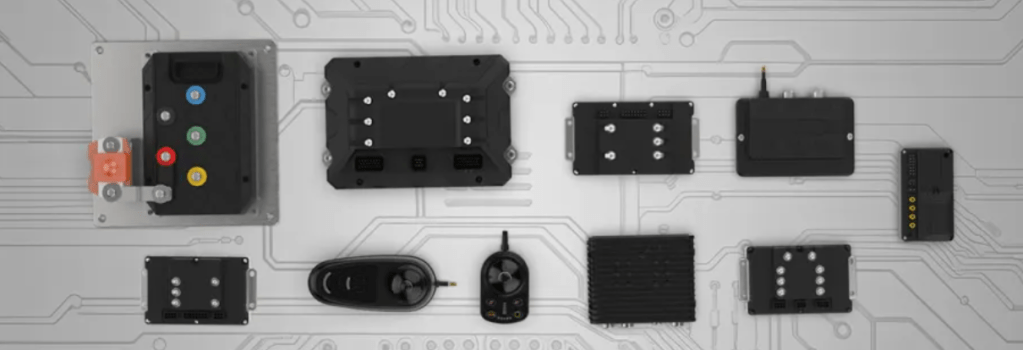
Electric wheelchairs are equipped with sophisticated control systems that allow users to maneuver easily. The primary component in this system is the electric motor controller, which manages power distribution from the battery to the motors that drive the wheels. This controller translates the user’s commands—whether from joystick movements or other input methods—into precise actions, ensuring smooth acceleration and deceleration.
The integration of a brushless wheelchair controller significantly enhances the performance of electric wheelchairs. Unlike traditional brushed motors, brushless motors offer improved efficiency, reduced maintenance, and longer lifespans. These controllers enable finer control over speed and torque, contributing to a more responsive driving experience. By effectively managing energy usage, they also extend the operational range of the wheelchair, allowing users to travel further on a single charge.
Key Features of Motor Controllers
Modern electric motor controllers for wheelchairs are designed with several critical features that improve usability and safety. These include:
1. Speed Control: Users can adjust their speed easily, accommodating different environments, such as narrow hallways or open spaces.
2. Battery Management: Intelligent battery management systems monitor and optimize battery usage, providing users with insights into remaining power and health status.
3. Safety Protocols: Advanced protection features prevent overheating, overcurrent, and short circuits, ensuring safe operation under various conditions.
4. Regenerative Braking: This feature allows the wheelchair to recover energy during braking, feeding it back into the battery, thus enhancing overall efficiency.
By leveraging these features, manufacturers of electric motor controllers can create highly effective solutions tailored to the unique needs of electric wheelchair users.
Partnering with Rotontek for Unmatched Solutions
At Rotontek, we understand the importance of reliable control systems for electric wheelchairs. As a trusted motor controller manufacturer, we specialize in delivering top-tier solutions designed to ensure optimal performance and safety. Our range includes advanced brushless wheelchair controllers and low-speed motor controllers, all engineered to provide superior responsiveness and efficiency.
We pride ourselves on our ability to customize systems based on individual requirements, whether you need a hybrid of brushless and proportional controllers or specific configurations for unique applications. Our commitment to innovation and quality makes us your reliable partner in creating efficient, user-friendly electric mobility solutions.
By choosing Rotontek, you’re not just selecting a product; you’re gaining access to a wealth of expertise and support to enhance the performance and functionality of electric wheelchairs, ultimately empowering users with greater independence and comfort.