
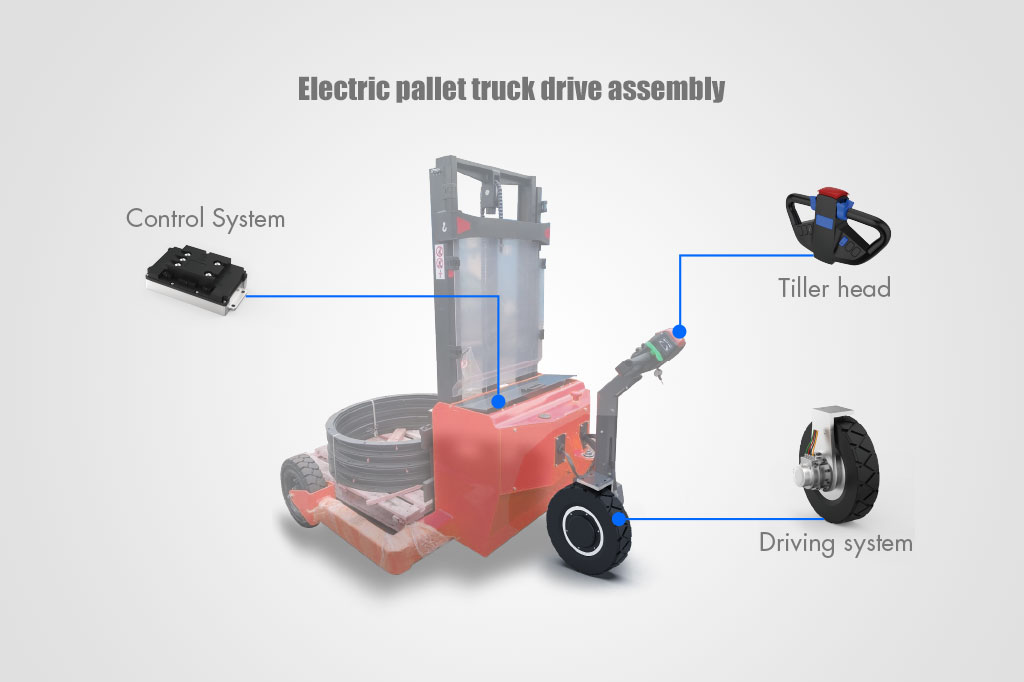
Understanding the mechanics of electric drive wheels is essential for selecting the right propulsion system for your application. As a supplier, we know that this knowledge helps you evaluate performance, efficiency, and integration requirements. This insight ensures you choose a solution that meets the specific demands of your mobile equipment. A clear grasp of the underlying technology leads to more informed and effective procurement decisions.
Electric Motor Power Delivery
The process begins with the electric motor, which receives controlled electrical power from a battery pack. This power is typically in the form of direct current (DC). An electronic speed controller (ESC) acts as the brain, precisely regulating the amount of current sent to the motor based on input from a throttle or control system. By modulating the current, the ESC dictates the motor’s rotational speed and torque output. This controlled electrical energy is what initiates motion. The motor’s electromagnetic components convert this electrical energy into mechanical rotation. This fundamental principle of electromagnetism is what drives the entire system, making the electric drive wheel a direct and efficient means of propulsion. The absence of complex mechanical linkages like transmissions common in internal combustion engines simplifies the power delivery path, reducing energy losses and maintenance needs.
Wheel Hub Torque Generation
Once the motor generates rotational force, it must be effectively transferred to the wheel itself. In many integrated designs, the motor is housed directly within the wheel hub. The high-speed rotation produced by the motor’s rotor is often too fast and too weak in torque for direct vehicle propulsion. Therefore, a planetary gear reducer is commonly used to step down the speed while simultaneously multiplying the torque. This increased torque is what provides the necessary force to overcome inertia and move heavy loads. The final output from the reducer is then directly connected to the wheel rim, causing it to rotate. The driver’s command for acceleration or deceleration is interpreted by the joystick motor controller, which signals the motor to adjust its output accordingly. This direct drive or geared hub assembly creates a compact and responsive system.
Battery Energy Conversion Process
The entire system is powered by a battery, which stores chemical energy. When the vehicle is operational, the battery discharges, converting its stored chemical energy into electrical energy. This DC electricity is then channeled through the vehicle’s wiring to the motor controller. The controller’s sophisticated electronics manage the flow of this power, ensuring it is delivered to the motor in a controlled and efficient manner. Inside the motor, this electrical energy is transformed once again, this time into mechanical energy in the form of shaft rotation. This multi-stage energy conversion—from chemical to electrical to mechanical—is the core of how the wheel is propelled. The efficiency of each conversion stage directly impacts the overall runtime and performance of the vehicle, highlighting the importance of a well-matched system.
Conclusion
Electric drive wheels represent a fundamental shift in vehicle propulsion, offering a streamlined, powerful, and controllable solution. By integrating the motor, gearing, and wheel, this technology delivers tangible benefits in space utilization, efficiency, and maneuverability. Whether for industrial material handling or specialized mobile platforms, understanding this core technology is the first step toward a more efficient operation. For those looking to implement this innovative drive solution, exploring the engineered systems from Rotontek can provide a reliable path forward.