

Understanding the impact of your motor controller is crucial for optimizing your entire system. As a supplier, we know that the right controller is not just a component; it is a critical determinant of efficiency, responsiveness, and longevity. This knowledge helps you make informed decisions that directly affect operational costs and machine reliability. Selecting an appropriate controller ensures your application performs as intended from the start.
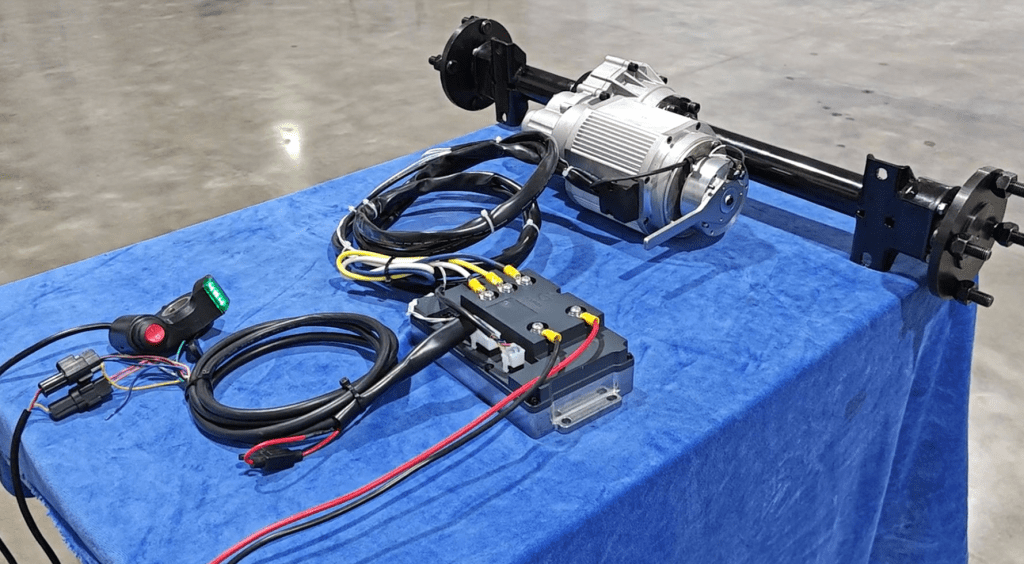
Motor Controller Efficiency Effects
The efficiency of a motor controller directly influences the overall energy consumption and thermal performance of a system. An inefficient controller generates excess heat, requiring more robust cooling solutions and reducing the operational lifespan of both the controller and the motor. This energy loss is critical in battery-powered applications, where it directly shortens runtime. High efficiency, conversely, maximizes battery life and minimizes heat generation. The design of a high power brushless motor controller often focuses on minimizing switching and conduction losses in its power semiconductors. This is achieved through careful component selection and optimized gate driving techniques. The overall system efficiency is a product of the motor and controller working in harmony, making the controller’s role fundamental to achieving peak performance and energy savings in any electromechanical system.
System Response Time Changes
System response time, defined by how quickly a motor reacts to a command signal, is heavily dependent on the controller’s processing speed and control algorithm performance. A slow controller introduces lag, resulting in poor positional accuracy, unstable velocity control, and reduced productivity in automated systems. This is particularly critical in applications requiring precise motion profiles, such as robotics or conveyor systems. The processing capability of a brushless drive motor controller determines how fast it can execute complex control loops for current, speed, and position. Faster processing allows for higher loop frequencies, leading to tighter control and better disturbance rejection. Ultimately, the controller’s speed dictates the agility and precision of the entire motor system, impacting everything from cycle times to the quality of the finished operation.
Torque Ripple Control Importance
Torque ripple refers to periodic variations in output torque, which can cause undesirable effects such as vibration, audible noise, and speed fluctuations. These variations stem from non-ideal characteristics in the motor and imperfections in the control signals from the drive. In precision applications, excessive torque ripple can degrade the quality of machining, printing, or other sensitive processes. A motor controller mitigates torque ripple through advanced techniques like field-oriented control and precise sinusoidal commutation, which smooth the current delivered to the motor windings. By minimizing these torque pulsations, the controller ensures smoother motor operation, reduced mechanical wear on connected components, and a higher quality of motion control. This leads to improved performance and greater consistency in the final application output.
Conclusion
Ultimately, the motor controller is a force multiplier for your entire electric drive system. Its impact on efficiency dictates your operational range and costs, its precision defines your machine’s capability and safety, and its resilience ensures long-term reliability. Choosing a controller that excels in these areas is an investment in the performance and longevity of your vehicle. For systems that demand robust integration of power, control, and durability, exploring the solutions from Rotontek can provide a cohesive approach to electrifying mobile platforms.