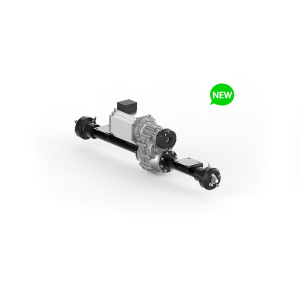
You can tell if the drive shaft needs replacement by observing symptoms such as vibrations while driving, unusual noises, difficulty turning, or shaking during acceleration. Additionally, check the drive shaft for cracks, wear, and oil leaks, and manually inspect the universal joint for looseness, as this is important too.
Vibrations While Driving
Abnormal vibration while driving is a common sign associated with drive shaft problems. When the drive shaft goes out of balance or its internal parts wear out, the vehicle will produce abnormal vibrations while driving, especially at speeds between 50–80 km/h. These vibrations are usually due to an imbalance in weight distribution or worn internal parts of the drive shaft.
Drive shaft imbalance problems, such as a detached counterweight or worn bearings, are among the common issues you may experience. If the car does not vibrate at low speeds but vibrations worsen during acceleration or sustained high-speed driving, it is probable that the balance of the drive shaft is off. Statistics indicate that over 60% of vibration problems in drive shafts are related to dynamic imbalance, particularly after prolonged use or under heavy load. Such scenarios require you to take the vehicle to a repair shop for adjustment of the balance or replacement of the drive shaft.
Severe vibrations, besides giving a bad driving experience, can also cause further damage, especially to the transmission and differential. Vibration issues need to be addressed on time for a healthy overall status of your vehicle.
Strange Noises
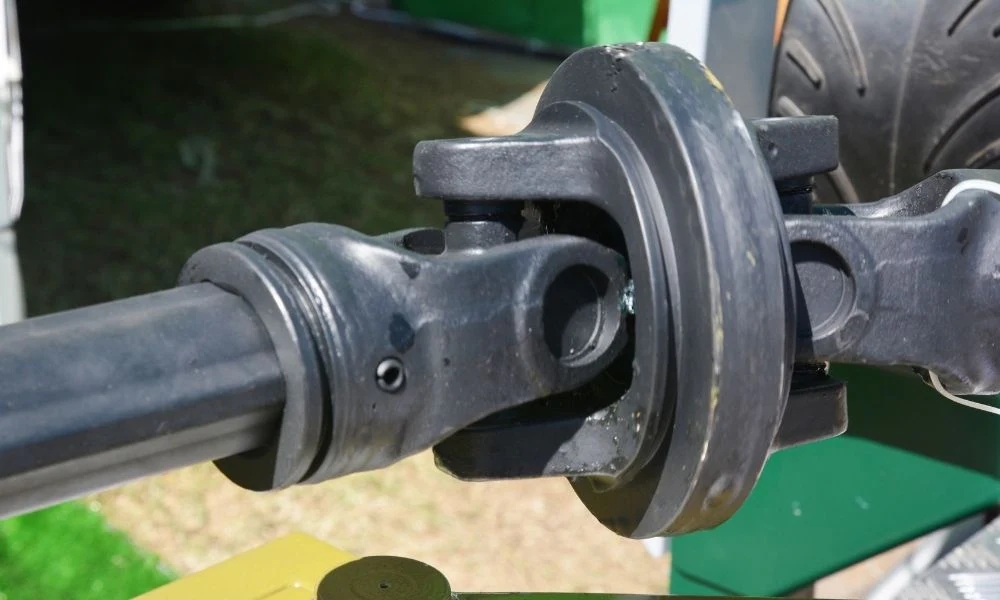
Other common signs that indicate a drive shaft failure are unusual noises during acceleration, deceleration, or even on turns, typically emanating from worn-out universal joints or lack of lubrication. The universal joint is a key component used to connect the drive shaft to the transmission, and its operation essentially depends on internal bearings that should be properly lubricated.

Noise can occur when there is a failure in the lubrication of the universal joint or wear due to direct metal-to-metal contact. It normally becomes noisier with an increased load on the vehicle, especially during high-speed driving or turns. Universal joint failure typically occurs in vehicles that have covered a distance of more than 100,000 km. However, with proper early lubrication and maintenance, it may last longer, but once noise starts, it usually means repair or replacement.
If left unattended for too long, strange noises could develop into a complete failure of the universal joint, which might lead to the drive shaft falling out and creating a severe safety hazard. Immediately have your car’s universal joint and drive shaft checked when they make any abnormal noise, particularly when shifting or turning.
Strange Noises
Drive shaft problems can also make it problematic to make turns. This mostly occurs in front-wheel-drive or four-wheel-drive vehicles. When the drive shaft or its components, such as the universal joint, fail, it puts additional load on the steering system, thereby reducing its responsiveness.
This may manifest as the steering feeling heavy, particularly at slow speeds, or stiff when executing a turn. Usually, this is caused by wear to the universal joints or bearings within the drive shaft that causes uneven power distribution and thus puts further load on the steering system. In extreme cases, if such a problem worsens, there is a possibility that the vehicle will become uncontrollable while turning.
Over 90% of all steering problems are connected with faults in the transmission system, especially for front-wheel-drive and four-wheel-drive vehicles. As such, the appearance of dead steering or tightness in the operation of the steering wheel should prompt an immediate investigation into the drive shaft and all its linkages to avoid more severe problems.

Shaking During Acceleration
Most of the time, shaking occurs during acceleration due to one of two possible causes: a problem with either the drive shaft or the universal joint. During acceleration, the torque applied to the drive shaft increases rapidly. The drive shaft transmits the engine’s power to the wheels. Once the drive shaft or other components have worn down, the process of transferring power becomes unstable, leading to shaking.

This shaking is usually more pronounced during rapid acceleration or uphill driving, especially above 80 km/h, where it becomes even more intense. Worn drive shafts decrease power transmission efficiency, which reflects poorly in driving performance and increases the load on other components such as the transmission and differential.
Wear in the drive shaft and universal joint accounts for more than 60% of acceleration shaking problems. When it shakes more during acceleration, you must check the drive shaft and related components and have them replaced if necessary without delay.
Visible Damage or Wear
A visual check is the easiest and fairly effective way to determine if the drive shaft needs replacement. Make periodic checks on the drive shaft and surrounding components to ensure there are no apparent cracks, dents, or rusting on them. The occurrence of cracks in a drive shaft means it has been under extreme stress or experienced an external impact that may have weakened its strength.
The wear on the universal joint surface is another important area to check. Once the universal joint’s metal parts are seriously worn, it will affect the normal operation of the drive shaft. Statistics show that after running some 100,000 km, the abrasion of the transmission shaft and other accessories increases dramatically, hence regular checks and maintenance become particularly important.
If you detect any visible physical damage to the drive shaft or universal joint during your inspection, it is better to replace them as early as possible to avoid bigger problems while driving.
Excessive Looseness in the Universal Joint
The universal joint serves as a flexible connector in the transmission system, allowing the drive shaft to rotate freely at different angles. Normally, the universal joint should maintain a certain level of tightness to ensure smooth power transmission. After some time and with more use, however, the universal joint may become loose because of wear.

If you manually check the drive shaft and find excessive movement or looseness, it usually means the internal components of the universal joint have worn out. A loose universal joint not only affects the operation of the drive shaft but also causes irregular vibrations or noises while driving.
If it becomes loose, repair or replacement should be done immediately. If left unattended, excessive looseness in the universal joint could lead to the complete failure of the drive shaft and even damage other transmission components.
Lack of Power
When the drive shaft or its related components fail, the power transmission to the car is drastically reduced, and the car will display a lack of power, especially when accelerating or climbing. Power loss is normally due to wear in the drive shaft or malfunction of the universal joint when high torque output is needed.
When driving on a highway, you may feel that even though you press the accelerator, the car’s reaction becomes very slow. The reason, in many situations, is that the drive shaft failed to deliver the power generated by the engine to the wheels effectively. In most maintenance experiences, it has been seen that over 50% of power loss can be traced to failures in the transmission system, most specifically wear to the drive shaft and universal joint.
If the car experiences power loss during driving, especially under heavy load, you should immediately check whether the drive shaft and other related components within the transmission system need to be replaced.
Oil Leaks

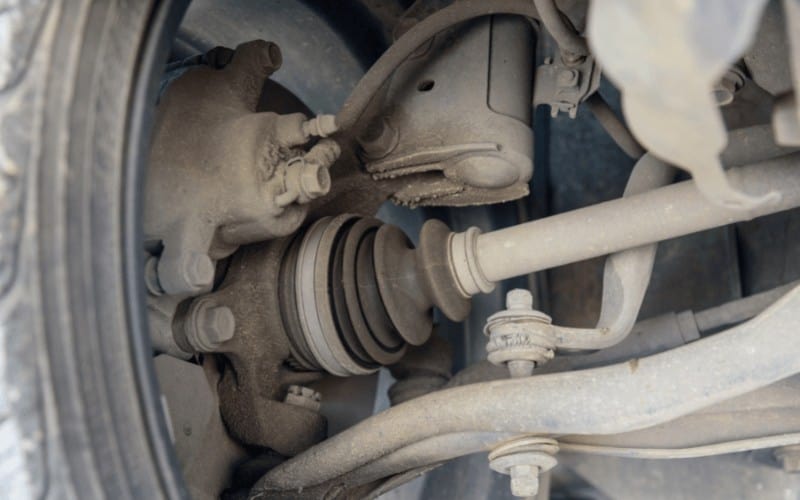
Oil leaks are another obvious sign of drive shaft failure. The drive shaft and universal joint require lubrication to work effectively and smoothly. Oil or grease leakage around the drive shaft or beneath your vehicle might imply that the boot of the universal joint is torn or the seal is broken, which allows lubrication to leak out.
Large loads combined with oil leaks greatly increase the wear of the universal joint and its eventual destruction. Once all lubrication has been lost, the universal joint and drive shaft will no longer function properly, and power transmission problems will be aggravated. Thus, if there are oil leakages, promptly check the lubrication of your drive shaft and universal joint, and replace either the seals or the universal joint when necessary.
Regularly checking the lubrication and condition of the drive shaft extends the service life of the transmission system, and in most conditions, it will keep running properly.