
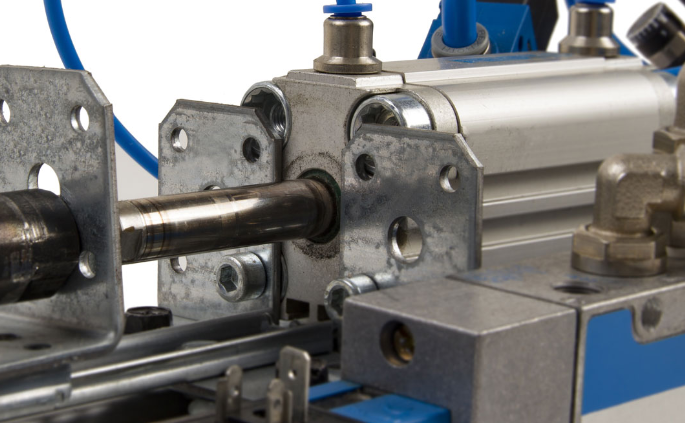
Yes, hydraulic systems typically provide higher power output and efficiency than pneumatic systems, suited for demanding, heavy-duty applications.
Fundamentals and Principles
Working Principles of Hydraulic Systems
Hydraulic systems operate by using pressurized fluids to transmit power. The primary components include a pump, reservoir, valves, and actuators. The efficiency of these systems often depends on the fluid’s properties and the system’s design. Hydraulic systems can generate significant power, typically measured in terms of pressure (psi) and flow rate (GPM). They are known for their high power density and precise control, making them ideal for heavy-duty applications.
Materials used in these systems need to withstand high pressure, often leading to a higher cost but increased durability. The typical lifespan of a hydraulic system can range from 10 to 20 years, depending on maintenance and usage.
Working Principles of Pneumatic Systems
Pneumatic systems use compressed air to transmit and control energy. Key components include a compressor, air treatment units, valves, and actuators. These systems are preferred for their simplicity and high speed of operation. The power of a pneumatic system is often described in terms of air pressure (psi) and flow rate (CFM).
Pneumatics are generally less expensive than hydraulics and offer easier maintenance. However, they are less efficient due to energy loss in compressing air and have a shorter lifespan, typically around 5 to 10 years.
Key Technical Comparisons
When comparing hydraulics and pneumatics, several key factors stand out:
- Power and Efficiency: Hydraulics offer higher power output and efficiency but at a higher cost. Pneumatics are less powerful but more cost-effective.
- Size and Specifications: Hydraulic systems are often larger and heavier due to the need to withstand high pressures. Pneumatics are lighter and more compact.
- Speed and Quality: Pneumatic systems offer faster operation but less force. Hydraulics are slower but provide more precise control.
- Maintenance and Lifespan: Hydraulic systems require more complex maintenance but have a longer lifespan. Pneumatic systems are easier to maintain but need more frequent replacements.
For a detailed understanding of these systems, refer to the Wikipedia page on Hydraulic Machinery and Pneumatic Systems.
Power and Efficiency Comparison
Power Output Comparison: Hydraulic vs Pneumatic
Hydraulic and pneumatic systems differ significantly in power output capabilities. This comparison can be best illustrated through a table:
| Feature | Hydraulic Systems | Pneumatic Systems |
|---|---|---|
| Power Output | High (can generate up to thousands of PSI) | Moderate (typically less than 150 PSI) |
| Cost | Generally higher due to material and design complexity | Lower, as air is readily available and cheap |
| Efficiency | High efficiency with less energy loss | Lower efficiency due to air compressibility |
| Size & Weight | Larger and heavier components | Lighter and more compact |
| Speed of Operation | Slower but with precise control | Faster response times |
| Maintenance Needs | More complex maintenance required | Simpler and less frequent maintenance |
Efficiency and Energy Consumption Analysis
The efficiency of hydraulic and pneumatic systems is a critical aspect, especially when considering energy consumption and operational cost.
- Hydraulic Systems: Known for their high efficiency, these systems minimize energy loss through fluid compressibility. However, the initial and maintenance costs are higher, impacting the overall budget.
- Pneumatic Systems: While they offer lower upfront costs, their efficiency is significantly reduced due to the energy loss in air compression and release. They are more suitable for applications where speed is more critical than power.
In terms of lifespan, hydraulic systems often have a longer service life compared to pneumatic systems, which translates to better long-term value despite higher initial costs. The choice between these two systems should consider the specific application requirements, including power needs, operational environment, and budget constraints.
For in-depth information on these systems, explore the concepts on hydraulic machinery and pneumatics.

Application Fields and Case Studies
Typical Applications of Hydraulic Systems
Hydraulic systems are renowned for their high power output and precision. They are commonly used in:
- Heavy Machinery: Such as excavators and bulldozers, where hydraulics provide the necessary power to move heavy loads.
- Aerospace: Used in flight control systems due to their reliability and ability to handle high pressures.
- Automotive: Hydraulic brakes and steering systems offer superior control and durability.
These applications highlight the hydraulics’ ability to handle high loads and provide precise control, despite their higher cost and maintenance requirements.
Typical Applications of Pneumatic Systems
Pneumatic systems, known for their speed and ease of maintenance, find their place in:
- Manufacturing: Pneumatic tools like drills and hammers are preferred for their light weight and fast action.
- Transportation: Air brakes in buses and trucks, offering rapid response times.
- Medical Devices: Air compression systems used in various medical devices for their safety and cleanliness.
Pneumatics are chosen for applications requiring fast movements and lower power requirements, offering the advantage of lower costs and ease of maintenance.
Case Studies in Applications
- Construction Industry Case Study:
- Hydraulic Excavator: Demonstrates the power and efficiency of hydraulics in lifting heavy materials.
- Outcome: Enhanced performance with a significant reduction in operator fatigue and increased safety.
- Automotive Industry Case Study:
- Pneumatic Assembly Tools: Used for their speed and efficiency in assembling car parts.
- Outcome: Increased production rates and reduced labor costs, though at the expense of precision compared to hydraulic tools.
These case studies illustrate the practical applications of hydraulic and pneumatic systems, highlighting their respective advantages in terms of power, speed, cost, and application suitability.
For further insights, delve into the detailed aspects of hydraulic machinery and pneumatic systems.

Maintenance and Reliability Considerations
Maintenance Requirements and Challenges
Hydraulic Systems:
- Maintenance Needs: Regular checks for fluid levels, potential leaks, and part wear are crucial. Hydraulic fluid quality must be maintained to avoid system contamination.
- Challenges: The complexity and cost of repairing hydraulic systems can be high. Components like pumps and valves require skilled technicians for repairs.
- Cost Implications: The long-term maintenance costs can be substantial, but necessary to maintain system efficiency and longevity.
Pneumatic Systems:
- Maintenance Needs: Primarily involve ensuring air quality and checking for leaks in the air supply system.
- Challenges: Although simpler to maintain, pneumatic systems can suffer from moisture accumulation and air quality issues, which can affect performance.
- Cost Implications: Generally, lower maintenance costs compared to hydraulics, but frequent checks are needed to ensure system reliability.
System Reliability and Lifespan Comparison
- Hydraulic Systems: Typically have a longer lifespan, often exceeding 10 to 20 years with proper maintenance. Their robustness and ability to handle high-pressure conditions contribute to their reliability.
- Pneumatic Systems: Generally have a shorter lifespan, around 5 to 10 years, due to the nature of their components and operational wear and tear.
The key to maximizing lifespan and reliability in both systems lies in regular maintenance and addressing any issues promptly. The choice between hydraulic and pneumatic systems should consider these maintenance and reliability factors based on the application’s demands and available resources.
For a comprehensive understanding of these systems, explore their intricacies on hydraulic machinery and pneumatic systems.
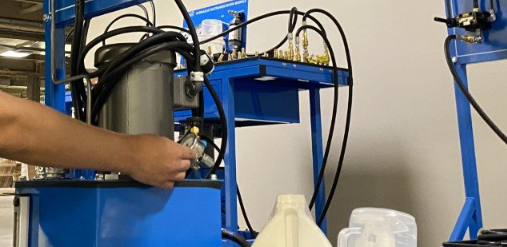
Technical Innovations and Future Trends
Recent Technological Advances
Advancements in Hydraulic Systems:
- Increased Efficiency: New designs have improved the efficiency of hydraulic pumps and motors, reducing energy consumption.
- Smart Hydraulics: Integration of sensors and IoT technology for better monitoring and predictive maintenance, enhancing system longevity and reducing unexpected downtime.
- Eco-friendly Fluids: Development of biodegradable hydraulic fluids that reduce environmental impact without compromising performance.
Advancements in Pneumatic Systems:
- Improved Air Management: Innovations in air compressor technology have led to higher efficiency and lower energy usage.
- Compact and Lightweight Designs: New materials and designs have resulted in smaller, more efficient pneumatic components.
- Integration with Digital Controls: Enhanced control through digitalization, leading to better precision and adaptability in various applications.
Predicting Future Directions
- Hydraulic Systems: The future points towards further integration of digital technologies, like AI and machine learning, for predictive maintenance and optimization. Advances in materials science could lead to stronger and lighter components, expanding application possibilities.
- Pneumatic Systems: Expectations include greater use of sustainable energy sources for air compression and increased focus on modular designs for easy customization and scalability.
The evolution of both hydraulic and pneumatic technologies will likely focus on improving efficiency, reducing environmental impact, and enhancing integration with digital technologies. These advancements will open new avenues in various industries, emphasizing the importance of staying abreast with these changes.
To delve deeper into these topics, explore the concepts and advancements in hydraulic machinery and pneumatic systems.
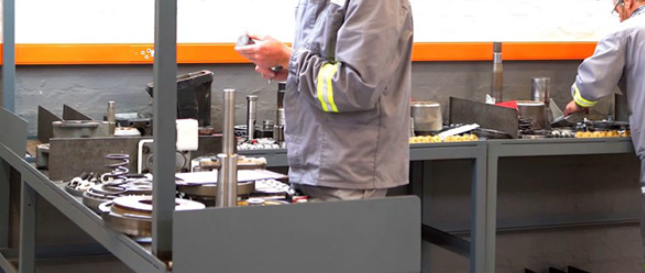
Environmental Impact and Sustainability
Environmental Impact Assessment
Hydraulic Systems:
- Fluid Leakage: Potential environmental hazards due to leakage of hydraulic fluids. Use of biodegradable fluids reduces this impact.
- Energy Consumption: High power output comes with significant energy consumption, impacting the carbon footprint.
- Noise Pollution: Older hydraulic systems can contribute to noise pollution, but newer models are designed to be quieter.
Pneumatic Systems:
- Air Emissions: While pneumatics don’t directly emit pollutants, the energy used for air compression may contribute to a facility’s overall emissions.
- Energy Efficiency: Traditionally less efficient due to energy loss in air compression, leading to higher indirect environmental impact.
Sustainability Practices and Challenges
- Innovation in Materials and Design: Development of more efficient and environmentally friendly components for both systems is crucial for sustainability.
- Energy Source Transition: Shifting towards renewable energy sources for powering these systems can significantly reduce their environmental impact.
- Lifecycle Management: Implementing sustainable practices in the manufacturing, operation, and disposal phases of these systems is key to reducing their overall environmental footprint.
Challenges:
- Balancing cost and sustainability remains a major challenge, as eco-friendly alternatives often come at a higher price.
- Ensuring system efficiency and reliability while integrating sustainable practices is essential but challenging.
The future of hydraulic and pneumatic systems in the context of environmental impact and sustainability lies in continuous innovation and adoption of sustainable practices. Staying informed about these developments is crucial for industries relying on these technologies.
Explore more about the environmental aspects of these systems on hydraulic machinery and pneumatic systems.
Reference
What are the power output capabilities of hydraulic systems compared to pneumatic systems?
How does the cost of hydraulic and pneumatic systems compare?
Which system offers greater efficiency?
What are the typical lifespan expectations for these systems?
What are the main environmental concerns for hydraulic and pneumatic systems?
How do maintenance requirements differ between hydraulic and pneumatic systems?
What are the recent technological advances in hydraulic and pneumatic systems?
What are the sustainability challenges faced by these systems?