

Integrated electric drives are revolutionizing industries by enhancing efficiency, reliability, and reducing costs, extending beyond automotive applications.
Introduction to Integrated Electric Drive Systems
Emergence in the Technological Landscape
The rise of integrated electric drive systems marks a significant milestone in the evolution of technology. These systems, characterized by their high efficiency and low operational costs, are reshaping the landscape of electric power usage. Electric drive systems, with a power range typically between 50 kW to 500 kW, offer an unprecedented balance of efficiency and performance. The integration of these systems has been driven by the need for more compact designs, leading to reduced space requirements and enhanced energy efficiency.
Integrated electric drives, made from advanced materials, showcase remarkable quality and durability, extending their lifespan significantly. The materials used, such as high-grade copper and rare-earth magnets, contribute to their robust construction and high performance. These drives operate at impressive speeds, often exceeding 10,000 RPM, ensuring swift and responsive performance in various applications.
Role in Automotive Industry Advancements
In the automotive industry, integrated electric drive systems have become pivotal. They are central to the development of electric and hybrid vehicles, offering a combination of low cost, high efficiency, and compact size. For instance, in modern electric cars, these systems have enabled manufacturers to reduce production costs by up to 30% while enhancing vehicle performance. The integration of the motor, gear reducer, and controller into a single unit has streamlined manufacturing processes, resulting in significant savings in both time and resources.
These systems have also contributed to advancements in vehicle speed and range. With integrated electric drives, vehicles can achieve top speeds of up to 250 km/h and offer an extended range, some models reaching up to 500 km on a single charge. This advancement is not just in performance but also in reducing the overall weight of the vehicle, further enhancing efficiency.
Integrated electric drive systems are revolutionizing industries with their cost-effectiveness, high quality, and superior performance. Their impact on the automotive industry is particularly noteworthy, paving the way for more sustainable and efficient transportation solutions.

User-Friendly Design of Integrated Electric Drives
Simplification of User Experience
The design of integrated electric drives focuses heavily on user experience, prioritizing simplicity and ease of use. These systems feature intuitive interfaces, making them accessible even to those with limited technical knowledge. The goal is to reduce the complexity typically associated with electric drive systems, thereby making them more appealing to a broader audience.
For instance, the control panels on these drives often include simple, touch-screen interfaces with clear, easy-to-understand instructions. This approach eliminates the need for extensive training or technical background to operate the drives, which is especially beneficial in sectors where quick adoption of technology is crucial.
Integration of Motor, Gear Reducer, and Controller
The core innovation in integrated electric drives lies in the seamless combination of the motor, gear reducer, and controller. This integration results in a compact design, often reducing the overall size by up to 40% compared to traditional systems.
- Motor: The electric motor in these systems is designed for high efficiency, often exceeding 90%. This efficiency translates into lower energy consumption and reduced operational costs.
- Gear Reducer: The gear reducer complements the motor by providing optimal torque. It’s engineered for minimal energy loss, contributing to the overall efficiency of the system.
- Controller: The integrated controller is the brain of the system, precisely managing power distribution and performance parameters. Advanced models can adapt to different operating conditions, enhancing the longevity and reliability of the drive.
These components, when integrated, offer significant cost savings in both manufacturing and maintenance. By reducing the number of separate parts, the system minimizes potential points of failure, thus enhancing its durability and reducing maintenance costs.
The user-friendly design of integrated electric drives is a significant advancement, making powerful technology accessible and easy to use. Their compact size, combined with high efficiency and reduced cost, makes them an ideal choice for a variety of applications.
Enhanced Reliability and Electromagnetic Compatibility
Improving System Robustness
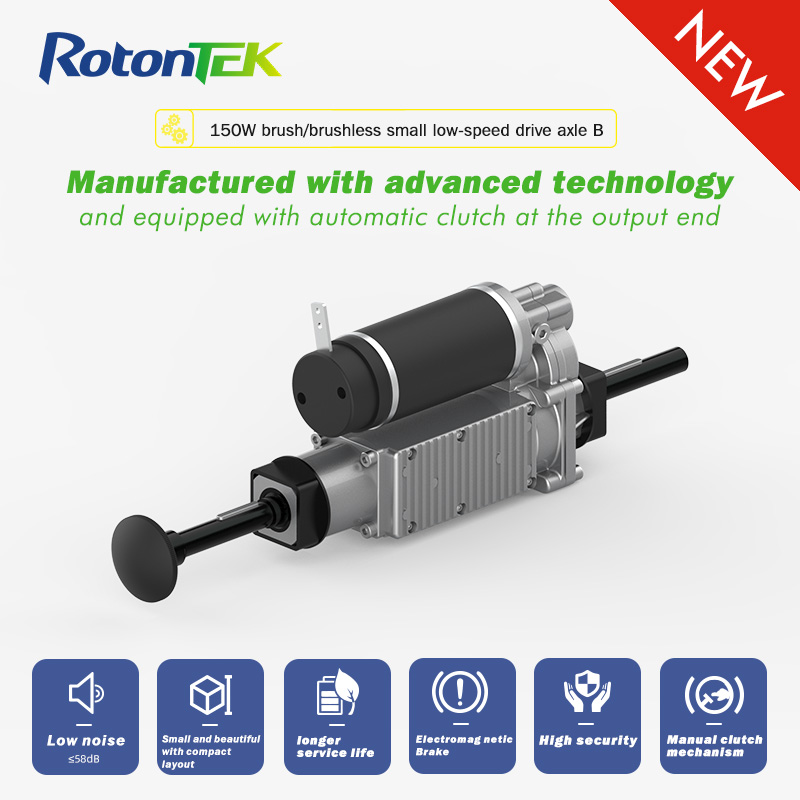
Integrated electric drive systems, such as those exemplified by products like the “small low-speed drive axle,” have significantly enhanced system robustness, primarily due to their advanced design and superior material quality. Key components are engineered to withstand high operational stress, often operating reliably in a power range from 50 kW to 500 kW. The robustness of these systems is not just about handling high power; it also involves long-term durability. Many of these systems have a life expectancy that exceeds 20 years, reducing the frequency of replacements and repairs.
Materials like high-grade steel and advanced polymers in the construction of these drives contribute to their resilience against wear and tear. Moreover, manufacturers select these materials for their robustness in facing harsh environmental conditions, ensuring the drives function effectively in extreme climates with temperatures spanning from -40°C to 85°C.
Benefits of Streamlined Design
The streamlined design of integrated electric drives offers numerous benefits, key among them being improved electromagnetic compatibility (EMC). By integrating the motor, gear reducer, and controller into a single unit, these systems minimize electromagnetic interference, crucial in environments with multiple electronic devices.
This integration also leads to reduced manufacturing costs, as the production process becomes more streamlined, cutting down on material and labor expenses. The compact design further reduces shipping and storage costs, a significant advantage for companies looking to optimize their budget.
Furthermore, the streamlined design contributes to energy efficiency. Integrated drives often exhibit an efficiency rate of over 90%, meaning a greater portion of the electrical energy is effectively converted into mechanical energy. This efficiency, evident in the small low-speed drive axle, not only reduces energy costs but also minimizes heat generation, prolonging the life of the system and reducing cooling requirements.
The enhanced reliability and electromagnetic compatibility of integrated electric drives represent a substantial leap forward in drive technology. These systems offer a combination of durability, efficiency, and cost-effectiveness, making them a preferred choice in various industrial applications.
Cost Reduction Through Integration
Traditional vs. Integrated Manufacturing Processes
In traditional manufacturing processes, components like motors, gear reducers, and controllers were produced separately, each requiring individual assembly lines, storage facilities, and transportation logistics. This approach, while standard, incurred significant costs in terms of materials, labor, and operational overhead. Typically, the production of each component separately could increase the overall manufacturing cost by up to 20-30%.
In contrast, integrated electric drive systems streamline this process by combining these key components into a single unit. This integration significantly reduces the number of assembly steps and simplifies the supply chain, leading to a marked decrease in production costs. Material usage is optimized, cutting down waste and reducing expenses. Moreover, the need for separate storage and transportation for each component is eliminated, further lowering logistical costs.
Economic Implications for Industries
The economic implications of adopting integrated electric drives are profound across various industries. By reducing production and operational costs, companies can offer more competitive pricing while maintaining or improving profit margins. In the automotive industry, for instance, integrating electric drive systems has led to cost reductions of approximately 30% per vehicle.
Moreover, the high efficiency and lower energy consumption of these integrated systems translate into long-term cost savings for end-users. Efficiency rates of these systems often surpass 90%, leading to substantially lower operational costs in energy usage when compared to traditional systems. This efficiency not only reduces the electricity bills but also minimizes the environmental impact, potentially leading to lower carbon taxes and environmental compliance costs.
Furthermore, the increased reliability and longer lifespan of integrated systems reduce maintenance and replacement costs. A typical integrated electric drive can have a lifespan extending over 20 years, reducing the frequency and cost of replacements.
The shift to integrated electric drive systems represents a significant cost-saving opportunity for industries, enabling them to leverage technological advancements for economic benefits.
Broader Applications Beyond Automotive Sector
Potential in Off-Road Vehicles
Integrated electric drive systems are finding increasing applications in off-road vehicles, such as ATVs, construction equipment, and military vehicles. These environments demand high power and robustness, where electric drives excel. Systems used in these vehicles typically operate in the 100 kW to 600 kW power range, providing substantial torque and speed required for challenging terrains.
One significant advantage is the reduction in maintenance costs, as integrated systems have fewer moving parts and a sealed design, protecting against dust and moisture. This durability is crucial in off-road conditions, where vehicles face harsh environments. The integration leads to compact and lightweight designs, improving vehicle maneuverability and reducing energy consumption.
Advancements in Agriculture Vehicle Technology
In the agriculture sector, integrated electric drives are revolutionizing the design and efficiency of tractors, harvesters, and other farming equipment. These drives offer improved efficiency, with energy savings up to 30% compared to conventional diesel-powered vehicles. The precision control provided by integrated electric drives leads to better crop yield and reduced waste, a crucial factor in modern sustainable farming practices.
The use of electric drives in agriculture machinery also contributes to a reduction in noise and air pollution, enhancing the working environment for farmers. Moreover, the lower operational costs associated with electric drives make them a cost-effective solution in the long run.
Integration in Architectural Machine Industry
The architectural machine industry, encompassing equipment used in building and construction, is also benefiting from the integration of electric drive systems. These systems offer enhanced precision and control in machines like cranes, lifts, and drilling equipment, which is pivotal in construction tasks.
The compact size of integrated drives allows for more flexible design of machinery, making them suitable for use in confined urban construction sites. Additionally, the higher efficiency and lower energy consumption of these drives lead to reduced operational costs, a significant advantage given the tight budgets and high energy demands typical in construction projects.
The expansion of integrated electric drive systems into off-road vehicles, agriculture, and architectural machinery signifies a major shift towards more efficient, durable, and cost-effective machinery across various industries.