
At Rotontek, we believe that true engineering excellence is found in the powerful combination of electrical precision and hydraulic strength. From our compact power systems to our advanced linear actuators, the heart of our technology lies in the efficient transfer of force. This immense power is enabled by one crucial, often-overlooked element: the hydraulic fluid.
Understanding the Essential Functions of Hydraulic Fluid
The primary purpose of a hydraulic system is to take a small force and multiply it to achieve a powerful output, often lifting, pushing, or clamping heavy loads. This is achieved by exploiting the property of hydraulic fluid: its near incompressibility.
1. Power Transmission: The Core Function
In a hydraulic power unit, an electric motor drives a pump, which draws fluid from a reservoir and forces it through the circuit. Because the fluid is virtually incompressible, the pressure generated by the pump is transmitted uniformly throughout the system. This pressurized fluid acts on the pistons within actuators, converting the fluid energy back into powerful mechanical motion. This mechanism is central to the operation of a high-thrust device like the Rotontek 0.6–1.5T Electric Hydraulic Linear Actuator, which we will discuss in detail later.
2. Lubrication: Protecting Components
Moving parts within the hydraulic system, such as the pump’s gears and the actuator’s piston seals, require constant protection from friction and wear. The hydraulic fluid acts as a lubricant, coating these metal surfaces to reduce abrasive contact. Using a fluid with the correct viscosity and lubricating properties is vital to ensuring the long-term reliability and service life of the entire system. Without proper lubrication, heat generation would rapidly increase, leading to premature component failure.
3. Sealing: Preventing Internal Leakage
Beyond simply moving the components, hydraulic fluid also plays a crucial role in sealing. It fills the minute gaps between moving surfaces, such as the clearances between a pump’s gear teeth or the gap between a cylinder piston and its bore. This film of fluid prevents internal leakage, which could otherwise lead to a drop in system efficiency, ensuring that the pressure generated by the pump is directed entirely toward the work being performed.
4. Cooling: Thermal Management
Every time hydraulic fluid flows through the pump, control valves, and actuators, energy is converted, and friction is generated. This creates heat, which, if left unchecked, can degrade seals, thin the fluid, and damage components. The hydraulic fluid acts as a coolant, absorbing heat from the mechanical components and carrying it back to the reservoir or a heat exchanger, where it can be dissipated. This thermal management capability is essential for sustaining the duty cycle and lifespan of our compact power units.
The Different Faces of Hydraulic Fluid
Choosing the correct fluid is not merely a matter of finding the right viscosity; it’s about matching the fluid’s properties to the system’s operational demands.
Mineral Oil-Based Fluids: Derived from crude oil, these are the most common and cost-effective hydraulic fluids. They are typically enhanced with additives like anti-wear agents, corrosion inhibitors, and anti-foaming compounds to improve performance. They are suitable for most general industrial applications.
Synthetic Fluids: Chemically engineered for superior performance in extreme conditions. These are more expensive but offer exceptional thermal stability, oxidation resistance, and fire resistance, making them ideal for high-temperature or critical industrial settings.
Water-Based Fluids: Used primarily where fire resistance is a critical safety requirement, such as in mining or near high heat sources. These include water-in-oil emulsions and water-glycol solutions.
At Rotontek, we understand the diversity of our clients’ needs, from underwater robotics to high-force industrial lifters. The fluid choice directly impacts the performance of our machines, which is why our product manuals always provide clear guidance on fluid compatibility to maintain the warranty and ensure peak performance.
Rotontek’s Integrated Solution: The Electro Hydraulic Actuator Series
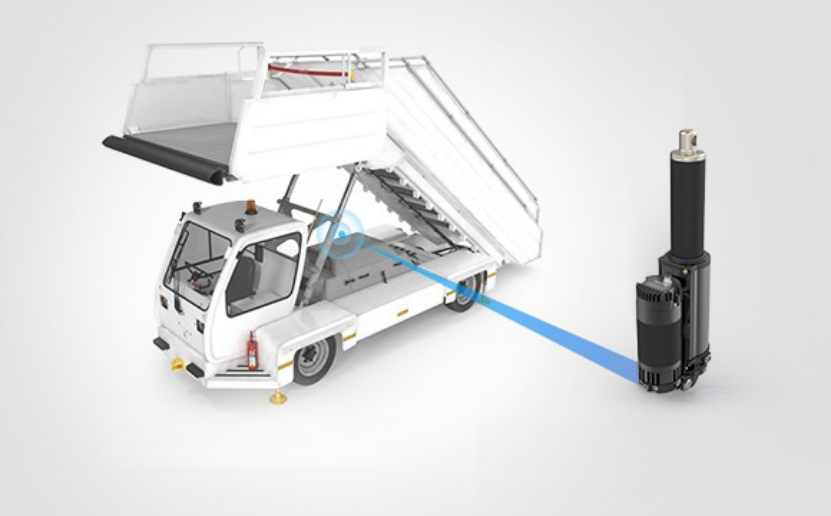
The advancement of hydraulic technology is moving towards smaller, more efficient, and fully integrated systems. This is where Rotontek’s proprietary line of actuators shines, particularly our compact electro hydraulic actuator series. This product line, which includes the formidable 0.6–1.5T Electric Hydraulic Linear Actuator.
The 0.6–1.5T Electric Hydraulic Linear Actuator: A Closer Look
Unlike traditional hydraulic systems that require external pumps, hoses, and reservoirs, the Rotontek EHA integrates the motor, pump, cylinder, and fluid reservoir into a single, compact, sealed unit.
Key Specifications for the 0.6–1.5T Series (Example Model EHY4020100):
Maxium Thrust: 0.6-1.5 Tons
Power Rating: 300-800 W
Rated Voltage: DC 24-72 V
Plunger Pump Capacity: 0.3-0.6 cc/r
Waterproof Level: IP68
This all-in-one design dramatically reduces the risk of external leaks and contamination, directly improving the working life of the hydraulic fluid inside. The fluid itself is critical here: it facilitates the powerful mechanical motion while simultaneously lubricating the integrated plunger pump and the internal piston. The high-grade materials, including 304 stainless steel and aluminum alloy, along with the IP68 waterproof rating, ensure that the integrity of the hydraulic fluid is maintained even in the most demanding environments, such as underwater or in harsh industrial settings.
The Importance of Fluid Maintenance for Your Power Unit
No matter how sophisticated the design, the performance of an industrial hydraulic power unit is directly dependent on the quality and condition of its fluid. Since the fluid is responsible for lubrication and cooling, its contamination or degradation can quickly lead to catastrophic failure.
Contamination Control: Airborne dust, water, and metallic debris are the primary enemies of hydraulic fluid. Rotontek’s integrated, zero-leakage designs, like those found in our EHA and compact power unit series, are engineered to minimize this risk. However, using the specified fluid and following the recommended filtration schedule is essential for all systems.
Viscosity Management: The fluid’s viscosity (its resistance to flow) must remain within the operating range. If the fluid gets too hot, it thins out, reducing lubrication and sealing ability. If it gets too cold, it thickens, making it difficult for the pump to move it efficiently. Our robust control systems help maintain optimal operating temperatures, but choosing the correct viscosity grade for the environment is the first step.
The fluid in a hydraulic power unit is the heart of its operation—a multi-functional medium that transmits force, lubricates, seals, and cools. For optimal performance, a system requires careful selection and diligent maintenance of this fluid.
Conclusion
At Rotontek, we not only engineer advanced hardware, such as our integrated electro hydraulic actuator and reliable industrial hydraulic power unit series, but we also provide the technical expertise to ensure our clients understand and manage every component, guaranteeing powerful, precise, and long-lasting motion solutions for their most challenging applications.