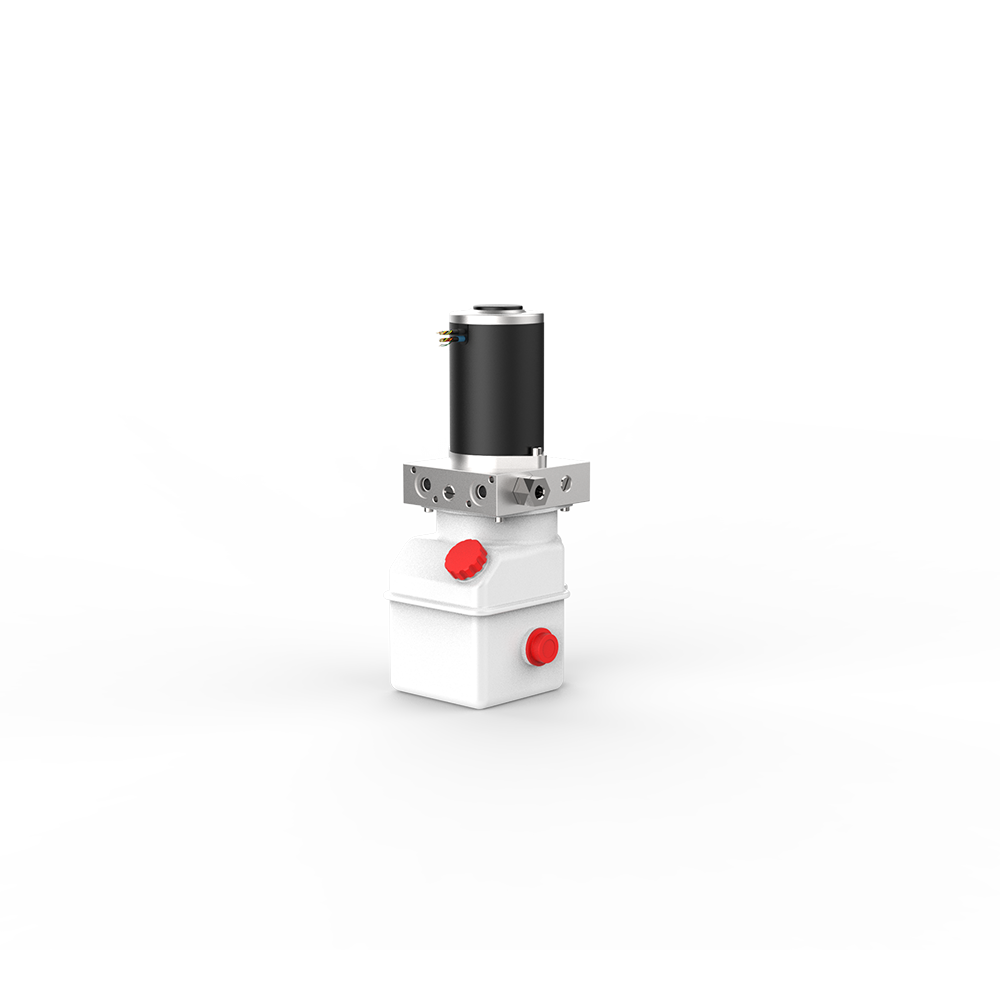
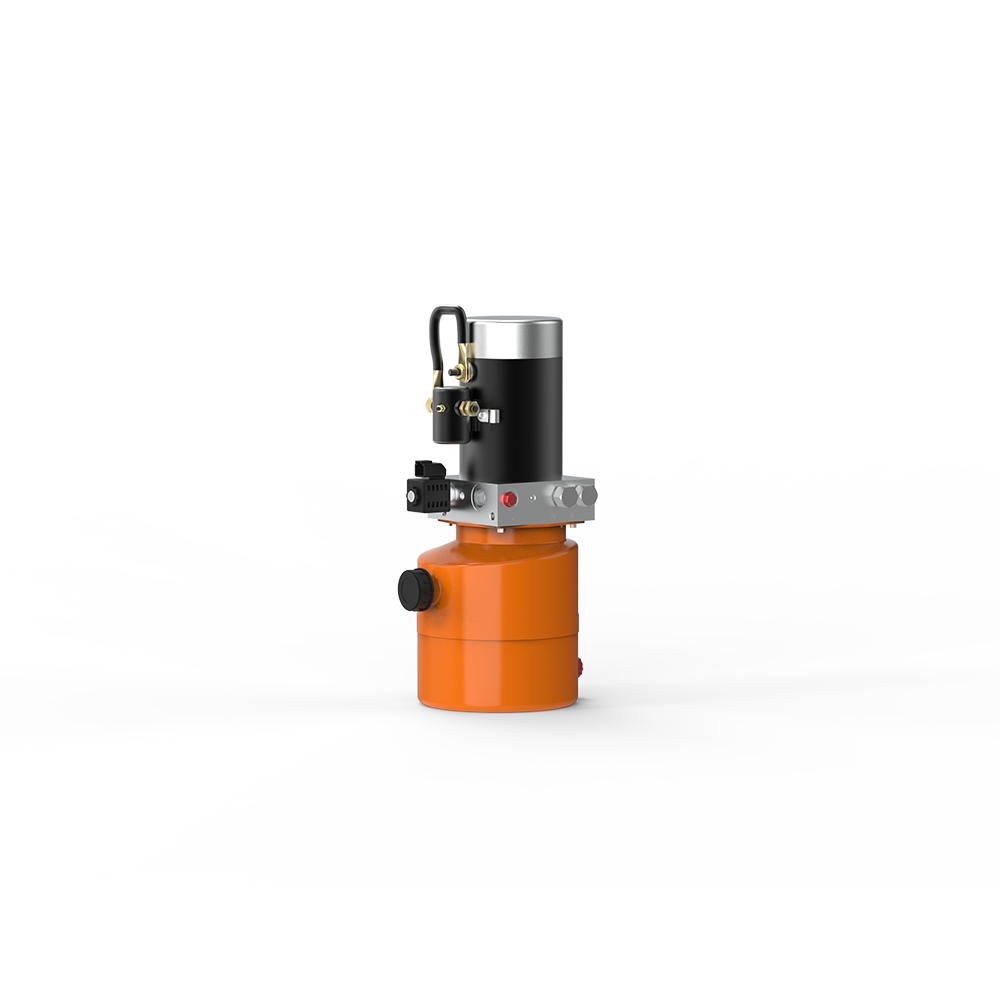
The transportation, industrial, construction, and cleaning industries heavily rely on hydraulic power units. In critical tasks like RV lifting, forklift handling, dump truck dumping, and floor scrubbing operations, hydraulic systems offer high power, precise control, and durable performance, significantly enhancing equipment efficiency and operational safety.
Transportation Industry
In the transportation industry, there are many uses of hydraulic power units. Indeed, with regard to RV lifting systems, hydraulic power units work much more effectively. One of the major advantages of hydraulic systems is their power density — they can generate very high power output within a small available space. On RV systems, incorporating hydraulic pumps and hydraulic cylinders allows for rapid vehicle body lifting or lowering. The speed of lifting, when related to older mechanical lifting systems, is around 30% faster.
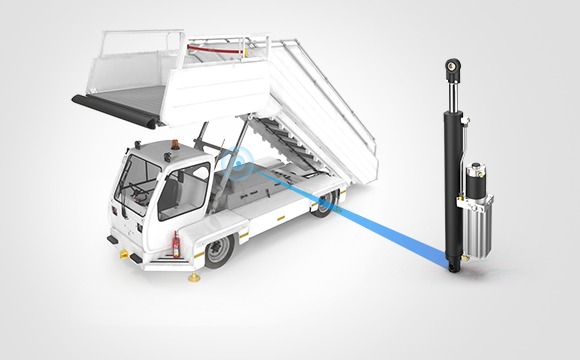
Hydraulic power units serve not only for lifting functions but also for compact designs with powerful adjustments in various installation layouts within limited space. The accurate control of hydraulic systems makes it possible to achieve angle and height adjustments in an RV lifting system; some systems can range from 0-30 degrees with controlled errors of less than 0.1 millimeters. This precision not only enhances the stability of the vehicle but effectively protects the structure of the RV, thus preventing structural damage due to uneven forces.
Hydraulic technology suppliers, such as Rotontek, have developed hydraulic systems with intelligent pressure regulation functions. It can self-regulate the working pressure with different load conditions. This improves the response speed of the equipment and prolongs the usage life. Generally, the good quality of hydraulic lifting systems, if serviced properly, may serve for more than 10 years, and maintenance costs are relatively low, involving only hydraulic oil replacement and sealing inspections. This low-maintenance feature has significant economic benefits for frequently used RV lifting systems.
Industrial Sector
Hydraulic power units in industrial manufacturing and logistics industries form the core power for the realization of accurate control and high efficiency of heavy machinery operation. Hydraulic systems with high power density are usually demanded for such stackers or forklifts to face the daily high-frequency load change while operating in warehousing, cargo handling, and even on production lines for material handling. Hydraulic power units can provide push forces for stackers and forklifts with more than a thousand pounds per minute by transmitting fluid pressure and significantly improving their efficiency in cargo handling.
In forklift and stacker applications, the hydraulic system has unique performance advantages. It can complete quick lifting and positioning of goods without causing mechanical element wear and deformation. Data indicate that the efficiency of the hydraulic system is roughly 40% higher than the efficiency of the traditional mechanical lifting systems. A forklift equipped with a hydraulic system can handle around 30% more cargo in a unit of time, which directly promotes the turnover rate and the production effectiveness of logistics enterprises.
In hydraulic power units for lifting platforms, the full realization of precision and stability is realized. Hydraulic transmission systems by Rotontek can realize smooth lifting with load, even under high-load conditions, without the occurrence of shaking or uneven descending. Its fluid transmission properties give the lifting platform high control accuracy during smooth transitions, with errors controlled within 0.5 millimeters. This is key for high-altitude work in industrial environments, a situation that effectively avoids the impact of equipment shaking on operator safety.
The long service life and low maintenance cost of hydraulic systems also provide a significant advantage to industrial applications, especially those involving equipment that requires operation quite frequently for a long duration. Conventional mechanical systems face problems of wear and fatigue failure, while hydraulic systems maintain almost consistent performance for several years by simply replacing seals and hydraulic oil to ensure lower overall operating costs for the equipment.

Construction Industry
Hydraulic power units are widely applied in the construction industry, among which the dump truck is a good example. Normally, the dump truck is utilized for loading and transporting construction materials; every load of their dump is weighted in several tons. On large-scale construction sites, dump truck’s efficiency is directly related to the progress of construction, whereas hydraulic systems with high power density and flexibility enable dump trucks to finish loading and unloading at a speed of 1,500 pounds per minute.
Compared to traditional mechanical systems, hydraulic systems can cope better with frequent high-load work for dump trucks. Rotontek hydraulic power systems assure high efficiency in enhancement for dump trucks by reducing operating cycles by about 30% compared with the mechanical systems, which is highly attractive for construction projects with tight schedules. What’s more, hydraulic dump trucks can carry out more than 40 unloading operations every day and keep good performance even under high-intensity use, which would avoid delays in construction projects due to equipment failures.
During high-load operation, hydraulic support means that the frequency of maintenance for dump trucks is still low, with their service life averaging 10 to 15 years. The reliability of the hydraulic system design lowers the chances of its downtime and hence the avoidance of expensive costs that relate to frequent repairs. Besides, the power adjustment function of hydraulic systems further optimizes the effectiveness of equipment under conditions of different loads, guaranteeing that dump trucks work perfectly during states of light and full loads.

Cleaning Industry
The extensive use of hydraulic power units can be seen in the cleaning industry, such as in snow plows and floor scrubbers. Since the operation environment requires frequent starting and longtime high-load operation, the cleaning industry should equip itself with high-efficiency and long-lifetime power equipment. High power density and fast response are special requirements for these pieces of equipment.
Snowplows work on hydraulic power systems for control in the lifting and adjustment of angles of snowplows, while hydraulic cylinders with over 1,000 pounds of thrust enable heavy snow removal under any weather conditions. Compared to the traditional drive system, such as an electric or mechanical one, Rotontek’s hydraulic system offers better performances in low-temperature conditions, improving efficiency by about 30% on average. In the case of snow cleaning operations, snow plows are meant to act very quickly, and hydraulic systems allow a snow plow head to lift or tilt within seconds and hence improve the cleaning speed significantly, thus providing an effective solution for cleaning roads from the municipal departments.
The hydraulic power units are applied in floor scrubbers for driving important components like cleaning brushes and water pumps. The robust power of the hydraulic drive system enables a cleaning brush to work at 500 rotations per minute for high cleaning efficiency. Contrarily, most electric systems have power and speed limitations when set under heavy loads, while hydraulic systems prevail through their strong and steady output; their life expectancy, too, generally exceeds eight years, much longer than that of an average electric system.