How to Choose the Right Linear Actuator for Medical Equipment?

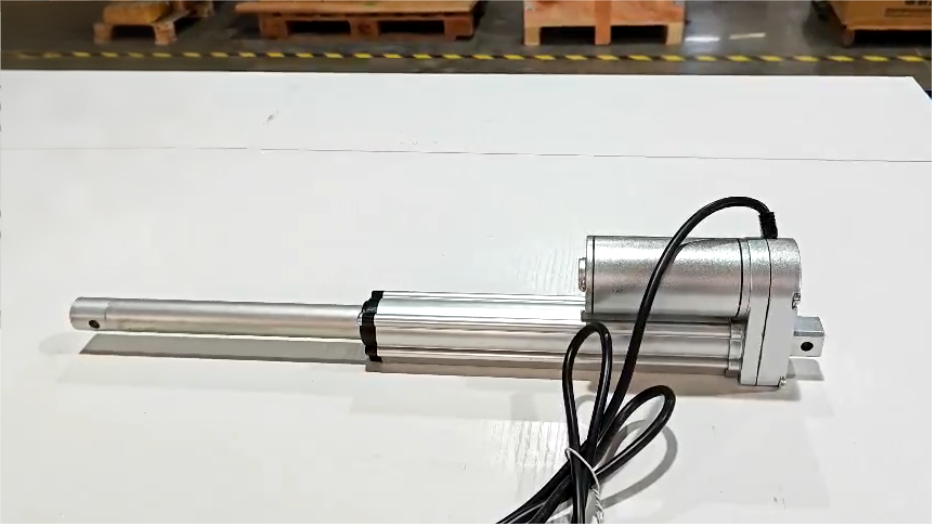
Rotontek JEA012 compact medical linear actuator

Medical equipment requires reliable, precise, and quiet movement to ensure smooth operation and a better user experience. From rehabilitation beds and patient lifting systems to ultrasound examination tables and medical imaging equipment, electric linear actuators play an important role in modern medical device design.
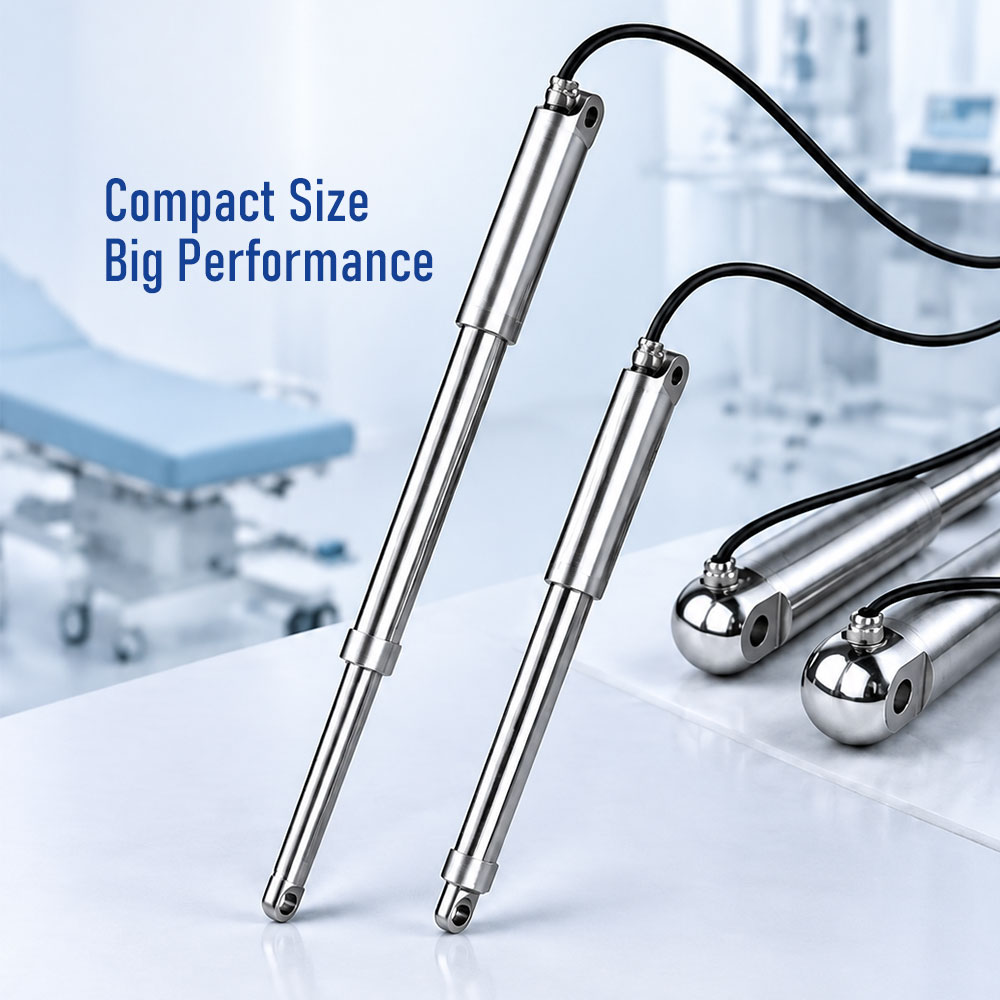
Rotontek JEA012 compact medical linear actuator

Choosing the right medical linear actuator is essential for equipment manufacturers. Factors such as pushing force, stroke length, operating speed, noise level, protection rating, and installation space all influence the performance and reliability of the final product.

In this guide, we will explore the key factors to consider when selecting an electric linear actuator for medical equipment and introduce a compact solution from Rotontek.

1. What Is a Medical Linear Actuator?

A medical linear actuator is an electromechanical device that converts electrical energy into straight-line motion. It is commonly used to lift, lower, tilt, push, or adjust different parts of medical and rehabilitation equipment.

Compared with manual adjustment mechanisms, electric linear actuators provide more convenient and controlled positioning.

Typical applications include:

  • Medical examination beds

  • Patient rehabilitation beds

  • Electric hospital beds

  • Lower limb rehabilitation equipment

  • Medical standing frames

  • Ultrasound examination tables

  • CT scanner positioning systems

  • Patient lifting and positioning equipment

For medical equipment manufacturers, selecting a suitable actuator helps optimize equipment structure, movement performance, and overall product design.

2. Six Key Factors When Choosing a Linear Actuator for Medical Equipment

2.1 Pushing Force and Pulling Force

Load capacity is one of the most important considerations when selecting an electric linear actuator.

Different medical applications require different force levels. For example, a rehabilitation bed may need to support both the weight of the patient and the moving structure.

Before selecting an actuator, manufacturers should consider:

  • Maximum pushing force

  • Maximum pulling force

  • Static and dynamic loads

  • Load distribution

  • Safety factors

  • Operating frequency

For applications requiring relatively high lifting force in a compact structure, the Rotontek JEA012 offers up to 2,500N pushing force and 900N pulling force.

2.2 Stroke Length and Installation Space

Medical equipment often has limited internal installation space. Therefore, actuator dimensions and stroke length must be carefully evaluated.

A compact actuator can help equipment manufacturers achieve a more integrated design without occupying excessive space.

Depending on the application, manufacturers should evaluate:

  • Retracted length

  • Extended length

  • Required stroke

  • Mounting positions

  • Installation clearance

The Rotontek JEA012 supports customized stroke lengths, with up to 400mm available for the medium-load version.

2.3 Low Noise Operation

Noise control is particularly important in medical environments.

Excessive mechanical noise may affect patient comfort and the overall user experience. A low-noise electric linear actuator helps create a quieter operating environment for medical beds and rehabilitation equipment.

The Rotontek JEA012 features an operating noise level of ≤52dB, making it suitable for applications where quiet movement is an important design consideration.

2.4 IP Protection Rating

Medical equipment may require protection against dust, moisture, and liquid exposure during cleaning and daily operation.

The IP protection rating is therefore an important specification when choosing a medical equipment actuator.

The JEA012 features an IP67 protection rating, providing dust-tight protection and protection against temporary immersion under specified test conditions.

This makes it suitable for equipment designs requiring a higher level of environmental protection.

2.5 Operating Voltage and Motor Configuration

Electric linear actuators are available in different voltage configurations depending on equipment requirements.

Common DC voltage options include 12V and 24V.

When choosing an actuator, manufacturers should consider:

  • Available power supply

  • Motor performance

  • Operating speed

  • Current consumption

  • Control system compatibility

  • Electrical limit control

The JEA012 provides three high-performance motor options in 12V and 24V configurations, allowing greater flexibility for equipment integration.

2.6 Position Feedback and Control

Accurate positioning is important for many medical applications.

Position feedback and electrical limit signals help equipment designers integrate actuators into automated control systems.

When developing medical equipment, it is important to evaluate the required control functions, feedback signals, and compatibility with the main controller.

3. Recommended Medical Applications for Compact Linear Actuators

A compact medical linear actuator can support different movement functions across various types of medical equipment.

Lower Limb Rehabilitation Beds

Rehabilitation beds require controlled adjustment to support different therapy positions.

Electric linear actuators can be integrated into lifting and positioning mechanisms to provide convenient movement during lower limb rehabilitation exercises.

Heavy-Duty Medical Standing Frames

Standing frames are used in rehabilitation environments to assist patients with supported standing activities.

A high-force linear actuator can provide the lifting and adjustment movement required by the equipment design.

Compact CT Scanner Tables

CT scanner tables require controlled positioning and smooth movement.

Compact electric actuators may be considered for auxiliary adjustment mechanisms, subject to the equipment’s specific load, positioning accuracy, and safety requirements.

Ultrasound Examination Beds

Height-adjustable ultrasound examination beds improve accessibility for medical professionals and patients.

Electric linear actuators provide a practical solution for integrating powered height adjustment into compact examination bed structures.

4. Rotontek JEA012: A Compact Medical Linear Actuator Solution

For equipment manufacturers looking for a compact actuator with relatively high force capacity, the Rotontek JEA012 offers a practical solution.

Designed for applications where installation space, lifting force, and operating noise are important, the JEA012 combines a compact structure with flexible motor and stroke configurations.

Key Specifications:

Parameter JEA012
Maximum Pushing Force 2,500N
Maximum Pulling Force 900N
Maximum Speed 10mm/s
Protection Rating IP67
Noise Level ≤52dB
Motor Voltage 12V / 24V
Maximum Stroke Up to 400mm (Medium-Load Version)

Key Advantages:

  • Compact design for space-constrained equipment

  • High pushing force up to 2,500N

  • Low-noise operation

  • IP67 protection

  • Stainless steel components

  • Customizable stroke length

  • Position feedback and electrical limit signals

  • Replaceable cable for convenient maintenance

Whether you are developing rehabilitation beds, medical standing frames, or examination tables, the JEA012 provides flexible integration possibilities.

5. Why Medical Equipment Manufacturers Need OEM Linear Actuator Solutions

Standard linear actuators may not always meet the specific structural and performance requirements of medical equipment.

For this reason, many medical equipment manufacturers prefer working directly with actuator suppliers that can support customization.

Important OEM considerations include:

  • Customized stroke length

  • Different motor voltage configurations

  • Pushing and pulling force requirements

  • Installation dimensions

  • Electrical connections

  • Feedback and limit switch configurations

  • Cable length and connector options

Working with an experienced linear actuator manufacturer allows equipment developers to select a solution that better matches their mechanical design and production requirements.

Rotontek provides electric motion and drive solutions for specialized equipment applications, supporting customized requirements for different OEM projects.

6. Frequently Asked Questions About Medical Linear Actuators

Q1: What is the difference between a standard linear actuator and a medical linear actuator?

Medical linear actuators are selected for specific requirements such as compact dimensions, controlled movement, low operating noise, and environmental protection. The exact requirements depend on the intended medical equipment and applicable regulations.

Q2: What pushing force is suitable for a medical linear actuator?

The required force depends on the moving load, mechanical structure, mounting angle, friction, and safety factors. The Rotontek JEA012 offers up to 2,500N pushing force and 900N pulling force.

Q3: Is IP67 suitable for medical equipment?

IP67 provides dust-tight protection and protection against temporary immersion under specified test conditions. However, it does not automatically mean that an actuator is suitable for every medical cleaning or disinfection process. Chemical compatibility and equipment-level validation should also be considered.

Q4: Can the stroke length of a medical linear actuator be customized?

Yes. Stroke length can be customized according to installation dimensions and movement requirements. The JEA012 offers up to 400mm stroke for its medium-load version.

Q5: Does Rotontek provide OEM linear actuator solutions?

Rotontek supports customized actuator configurations based on project requirements, including motor voltage, stroke length, force capacity, and installation dimensions. Contact our team to discuss your OEM project.

7. Find the Right Linear Actuator for Your Medical Equipment

Choosing the right electric linear actuator is an important step in developing reliable medical and rehabilitation equipment.

The Rotontek JEA012 combines compact dimensions, up to 2,500N pushing force, IP67 protection, and low-noise operation to support a wide range of equipment integration requirements.

Looking for a compact medical linear actuator for your next OEM project?

Contact Rotontek today to discuss your technical requirements and request a customized solution.

Rotontek – Reliable Electric Motion Solutions for OEM Manufacturers.
Are Linear Motors Efficient in Energy Consumption?

The rise of automation across various industries has sparked a critical evaluation of energy consumption practices, particularly regarding the efficiency of linear motors. As businesses strive to enhance sustainability and reduce operational costs, understanding the energy efficiency of electric motor actuators, specifically linear electromagnetic motors, becomes essential. This article explores whether linear motors are truly energy-efficient and their advantages in modern applications.

Understanding Linear Motors

Linear motors are a type of electric motor actuators that convert electrical energy directly into linear motion. Unlike traditional rotary motors, which require additional elements like gears or pulleys to achieve linear movement, linear motors provide a straightforward motion solution. This design typically results in higher efficiency, as it minimizes energy loss associated with conversion mechanisms.

Linear electromagnetic motors operate based on the principles of electromagnetism, utilizing magnetic fields to create force along a linear path. This efficiency is particularly advantageous in applications requiring precise positioning and rapid response times. Industries such as manufacturing, robotics, and material handling benefit from the seamless operation that linear motors offer, leading to shorter cycle times and improved productivity.

Advantages of Energy Efficiency

The energy efficiency of electric motor actuators, including linear electromagnetic motors, stems from various factors:

1. Direct Drive Mechanism: Since linear motors produce motion without mechanical intermediaries, they eliminate the losses associated with gears and mechanical linkages. This direct drive improves overall system efficiency, allowing for more effective use of power.

2. High Power-to-Weight Ratio: Linear motors deliver substantial force relative to their size, translating to lower energy requirements for similar applications compared to other motor types. This feature allows for compact designs while maintaining high performance.

3. Reduced Maintenance Needs: The absence of moving parts, such as gears in traditional systems, results in lower maintenance demands. Fewer components mean reduced wear and tear, ultimately contributing to energy savings over time.

4. Precision Control: Linear motors excel in applications requiring precise movement, enhancing system performance while optimizing energy consumption through accurate control of speed and acceleration.

Choosing Rotontek for Electric Motor Solutions

As a leading electric motor manufacturer in China since 2008, we at Rotontek specialize in delivering innovative solutions tailored to your specific requirements. Our extensive experience in developing electric motor actuators, including motorized linear actuators and electro-hydraulic linear actuators, ensures that our products are designed for maximum efficiency and reliability.

Our 46,544 m² facility in Zhongshan and R&D centers in Guangzhou and Guilin equip us to create customized transmission solutions for various applications, from off-road vehicles to UAVs and industrial sectors. We aim to provide you with energy-efficient solutions, fostering sustainability and productivity in your operations.

Choosing Rotontek means partnering with a trusted manufacturer dedicated to advancing technology in electric motor systems. Let us help you harness the potential of linear electromagnetic motors to optimize your processes and drive energy efficiency in your applications.

最后推广页面:https://rotontek.com/linear-actuators/

Distinguishing Between Hydraulic and Electro-Hydraulic Actuators

Understanding the nuances between hydraulic and electro-hydraulic actuators is essential for businesses choosing the right systems for their automation and motion control needs. Both types have unique features that cater to different applications, but knowing their differences can significantly impact performance, efficiency, and reliability.

Defining Hydraulic and Electro-Hydraulic Actuators

Hydraulic actuators operate by using pressurized hydraulic fluid to generate motion. These actuators rely on pumps, valves, and cylinders to create linear or rotary movement, making them ideal for tasks that require considerable force. However, they are often bulkier, require more maintenance due to fluid leakage risks, and may face challenges in precise control.

On the other hand, electro-hydraulic actuators combine hydraulic power with electric control, offering enhanced precision and flexibility. These devices use electrical motors to control hydraulic pumps, resulting in a system that provides both high force and precise positioning. For instance, an electro hydraulic linear actuator can adapt to varying speed requirements while maintaining control over movement, thus providing advantages in advanced automation applications.

Performance and Efficiency Distinctions

Electro-hydraulic actuators stand out with their advanced capabilities. The integration of electronic controls enables precise adjustments in speed, position, and torque. This feature is especially advantageous in high-precision applications, such as robotics or CNC machinery, where responsiveness is crucial.

In terms of energy use, electro-hydraulic actuators are designed for greater efficiency. By leveraging electrical energy to manage hydraulic pressure, these systems reduce energy waste, unlike traditional hydraulic systems that depend on continuous fluid circulation. This design not only conserves energy but also lowers operational costs for manufacturers and end-users.

Another significant distinction lies in noise levels. Traditional hydraulic systems often emit considerable noise during operation, primarily due to pump activity and fluid movement. In contrast, electro-hydraulic actuators operate more quietly, meeting the modern demand for low-noise environments in fields like automation and manufacturing.

Choosing Based on Needs

When selecting between electro-hydraulic and traditional hydraulic systems, it’s essential to consider the specific requirements of your application. If precision and noise reduction are priorities, electro-hydraulic actuators may be the better choice. However, if traditional performance characteristics suit your needs, a conventional hydraulic system could be more appropriate. Assessing these distinctions helps ensure that you choose the right technology for your application.

The Path Forward with Advanced Solutions

As industries evolve in their quest for more efficient automation solutions, the choice between hydraulic and electro-hydraulic actuators becomes increasingly vital. Both types of actuators offer unique advantages: hydraulic actuators are renowned for their robustness, while electro-hydraulic actuators are distinguished by their adaptability, energy efficiency, and precision, making them suitable for a wide array of applications.

At Rotontek, we are committed to providing high-quality hydraulic and electro-hydraulic systems that address diverse industrial needs. As leading manufacturers in both hydraulic and electro hydraulic actuator manufacturers, we leverage our expertise and innovative technologies to deliver reliable and eco-friendly solutions to clients worldwide. Our range of electro-hydraulic linear actuators, alongside our hydraulic options, is specifically designed to enhance performance and efficiency across various applications.

Partnering with Rotontek means you’re aligning with experts who understand the nuances of motion control. Together, we can explore how our cutting-edge solutions can elevate your operations and meet the demands of today’s dynamic market landscape. Let’s drive innovation forward, ensuring optimal performance and reliability in your applications.

How to Regulate the Force of a Linear Actuator

Controlling the force output of a linear actuator is essential for optimizing performance in various applications. This involves a deep understanding of the mechanisms underlying linear actuators, particularly electric hydraulic linear actuators. These actuators are designed to provide high force in a compact form, making them ideal for a range of industrial uses.

Advantages of Electro-Hydraulic Linear Actuators

One of the standout features of electro-hydraulic actuators is their ability to deliver precise control over mechanical movements. By utilizing electrical control signals in conjunction with hydraulic power, these actuators allow for exact positioning and movement adjustments. This precision is crucial in applications where even slight deviations can lead to operational failures.

High force linear actuators are particularly beneficial in environments where space is at a premium. They generate significant torque and force while maintaining a compact design. This characteristic enables engineers to create solutions that fit within restricted spaces without sacrificing power or performance.

Speed is another critical factor where electro-hydraulic linear actuators excel. They offer faster response times compared to traditional hydraulic systems, which is vital for applications requiring rapid adjustments. This dynamic responsiveness improves operational efficiency, allowing businesses to maintain high productivity levels.

Managing Energy Efficiency and Safety

Electric hydraulic linear actuators are also known for their energy efficiency. By optimizing energy consumption through electrical control signals, these systems can significantly reduce overall operational costs compared to traditional hydraulic systems. This efficiency not only lowers energy bills but also contributes to a more sustainable operational footprint.

Safety features integrated into electro-hydraulic actuators provide additional peace of mind. These systems can include overload protection and emergency shutdown protocols, making them suitable for use in critical environments. Ensuring the safety of equipment and personnel is paramount, and these features make electro-hydraulic actuators a reliable choice in various sectors.

Your Partner for Advanced Solutions

At Rotontek, we specialize in providing advanced linear actuator solutions tailored to meet the specific needs of diverse industries. Our electric hydraulic linear actuators are designed with precision and efficiency in mind, empowering your applications with high force output. As a trusted partner, we offer customizable options that allow for flexibility in design and implementation, ensuring optimal performance in your operations.We understand that every application is unique, which is why our team is committed to assisting you in selecting the right components for your needs. Whether you require a high force linear actuator for heavy-duty tasks or a more compact model for limited spaces, we aim to provide solutions that exceed your expectations. Choosing Rotontek means choosing reliability, efficiency, and safety for your linear actuator needs, positioning your business for success in an ever-evolving market.

Exploring Various Types of Hydraulic Power Units

Hydraulic power units (HPUs) are essential components in various industrial applications, serving as the backbone for hydraulic systems that provide power and control. Understanding the different types of hydraulic power units is crucial for choosing the right solution tailored to specific needs. This article delves into the various configurations of HPUs and their relevance in the context of EHA actuators and industrial hydraulic power unit setups.

Categories of Hydraulic Power Units

Hydraulic power units can be classified into several categories based on their design and functionality:

1. Stationary Hydraulic Power Units: Designed for fixed installations, these HPUs typically power large-scale machinery and equipment. They consist of a pump, reservoir, filtration system, and control components, providing a robust solution for industrial operations. The stationary setup is ideal for environments where heavy-duty performance is necessary, such as manufacturing plants and construction sites.

2. Mobile Hydraulic Power Units: These portable units are engineered for versatility and ease of transport. Mobile HPUs often feature a compact design, making them suitable for applications requiring hydraulic power in multiple locations. They are commonly used in construction and fieldwork, where flexibility and maneuverability are key.

3. Integrated Hydraulic Power Units: These systems combine various components, including pumps, valves, and actuators, into one cohesive package. Integrated HPUs are especially useful when incorporating EHA actuators, as they streamline installation and reduce the complexity of hydraulic systems. Their compact design and efficiency make them an excellent choice for high-speed applications in confined spaces.

Importance of Electric Hydraulic Actuators

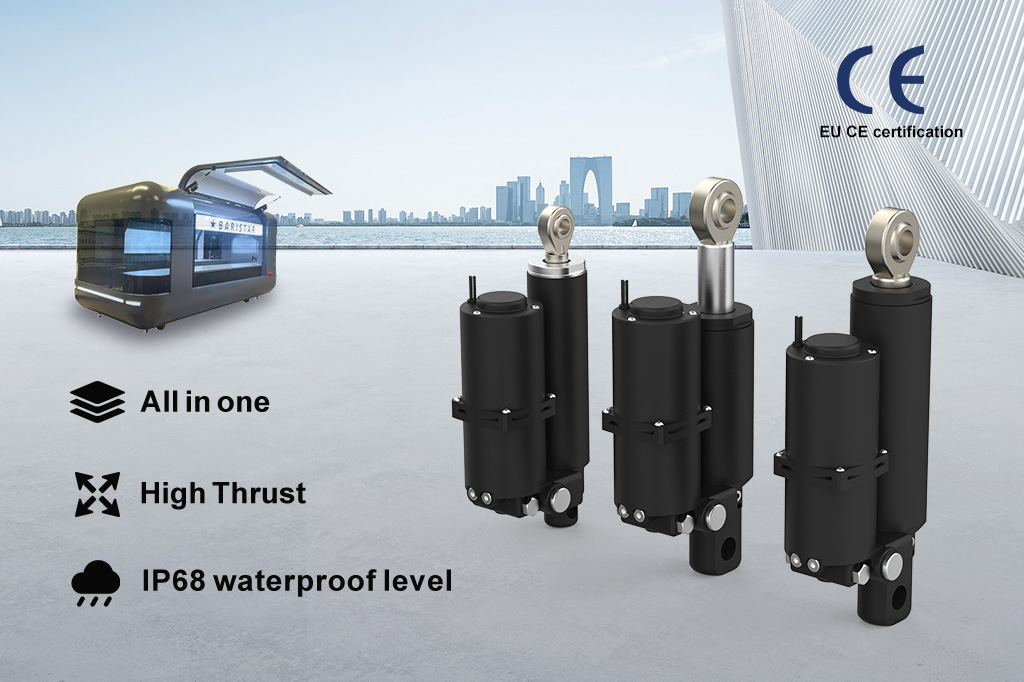
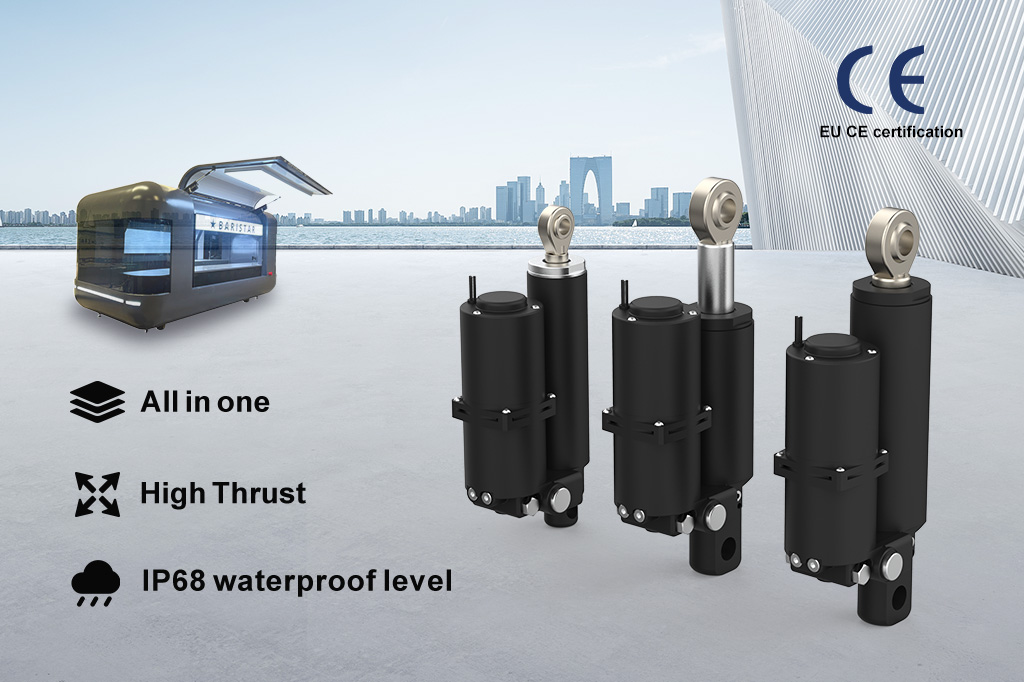
The advent of electric hydraulic actuators (EHAs) has revolutionized the way hydraulic power is utilized. EHAs merge the efficiency of hydraulic power with the precision of electric systems, creating opportunities for enhanced performance. For example, Rotontek’s 0.5-2.5T electric hydraulic actuator exemplifies this technology with its compact design and high force output. Engineered for seamless integration with industrial hydraulic power units, it provides smooth operation while maintaining energy efficiency and IP68 waterproof protection for demanding environments.

Incorporating EHAs into hydraulic systems not only improves responsiveness but also increases reliability under challenging conditions. This adaptability makes them suitable for a wide range of applications, from construction to robotics.

Collaborating with Rotontek for Innovative Solutions

At Rotontek, we take pride in delivering cutting-edge solutions for hydraulic applications. As experts in designing and manufacturing industrial hydraulic power units, we are committed to helping our clients achieve optimal performance and efficiency.

Our innovative electric hydraulic actuator systems are designed for easy integration with existing hydraulic setups, offering unparalleled reliability and exceptional operational capabilities. By partnering with us, you’re choosing a resource dedicated to providing advanced, tailored solutions that enhance your operational efficiency and meet the demands of modern industry. Explore our offerings and discover how Rotontek can support your hydraulic power needs with our expertise and commitment to excellence.

Efficiency Meets Power: Unleashing the Potential of Rotontek’s Electro-Hydraulic Linear Actuators

Advancements in industrial automation have revolutionized the way businesses operate, and selecting the right actuator technology is pivotal in driving efficiency and productivity. Among the various solutions available, Rotontek’s electric hydraulic linear actuators stand out as a premier choice for companies seeking high-force performance. These innovative heavy-duty linear actuators seamlessly merge hydraulic power with electric precision, offering unparalleled capabilities in demanding environments.

Unmatched Efficiency and Design

Engineered for functionality, our electro-hydraulic linear actuator delivers significant improvements in design efficiency and operational effectiveness. Capable of handling loads between 0.5 and 2.5 tons, this actuator excels in applications requiring substantial force without sacrificing precision. The actuator’s compact configuration includes an integrated hydraulic power unit, ensuring that operations remain streamlined while enhancing overall machine performance.

One of the standout features of our heavy-duty linear actuator is its IP68 waterproof protection rating. This durability allows it to function optimally even in underwater conditions and harsh environments often encountered in various industries such as marine, oil, gas, and manufacturing. The robustness of the actuator ensures consistent performance despite exposure to moisture and contaminants, reducing the likelihood of failures and enhancing the longevity of the equipment.

Consistent Performance Under Pressure

In today’s fast-paced industrial landscape, maintaining consistent, reliable performance is crucial. Rotontek’s heavy-duty linear actuator offers this dependability through its advanced engineering. The 2-3 ton electric hydraulic actuator integrates a bidirectional hydraulic power unit, cylinder, controller, and limit switches into a compact 4-in-1 system. This comprehensive design eliminates the need for external hoses and switches that can be susceptible to damage or wear over time.

The self-contained nature of our electro-hydraulic actuator not only enhances space efficiency but also reduces installation complexity. With fewer components to manage, businesses can minimize setup times and streamline their operations, allowing them to focus more on productivity. Moreover, the actuator delivers maintenance-free operation, resulting in lower long-term costs associated with upkeep and repairs.

Performance reliability is particularly important in high-speed applications where responsiveness and precision are paramount. Rotontek’s heavy-duty linear actuator is engineered to maintain consistent output under strenuous conditions, ensuring that machinery operates smoothly and effectively. Whether deployed in material handling, robotic applications, or automated systems, this electro-hydraulic actuator provides businesses with a powerful tool to enhance their operational capabilities.

Energy Efficiency and Environmental Considerations

In an era increasingly focused on sustainability and energy efficiency, Rotontek’s heavy-duty linear actuator stands out as a responsible choice for businesses aiming to reduce their environmental footprint. By combining hydraulic power with electric control, the actuator ensures optimal energy usage, translating into lower operational costs and improved eco-friendliness. This dual-action mechanism allows users to harness the full potential of hydraulic power while benefiting from the ease of electric controls, establishing a new standard in actuator technology.

Additionally, as industries look to comply with tighter regulations around energy consumption and emissions, choosing our electro-hydraulic linear actuator positions companies favorably within their sectors. The actuator’s robust design enables it to perform efficiently for extended periods, helping organizations meet their production demands without compromising on their sustainability commitments.

Elevating Your Business Operations

For companies striving to increase their operational efficiency, selecting the right actuator is vital. Rotontek‘s electro-hydraulic linear actuators provide an exceptional combination of power, precision, and reliability, making them ideal for various industrial applications. By investing in our heavy-duty linear actuators, businesses gain access to cutting-edge technology that can enhance their competitiveness and adaptability in the marketplace.

Micro Hydraulic Pumps: A Key Component in Modern Machinery

Micro hydraulic pumps are compact devices specifically designed to generate hydraulic power on a small scale. These innovative pumps play a crucial role in various applications, offering efficiency and reliability for industries requiring precise hydraulic control. Their versatility makes them ideal for use in electric hydraulic power units and small hydraulic power units, where space is often limited but functionality remains paramount.

The Functionality of Micro Hydraulic Pumps

At their core, micro hydraulic pumps convert mechanical energy into hydraulic energy, allowing for the movement of liquids through hydraulic systems. These pumps operate by creating pressure, which in turn moves hydraulic fluid to actuators or cylinders. The integration of these pumps within electric hydraulic power units enhances their functionality, enabling them to deliver consistent performance even under demanding conditions. Furthermore, the small hydraulic power units equipped with micro hydraulic pumps can efficiently manage tasks ranging from lifting to clamping, making them indispensable in both mobile and industrial settings.

Applications and Advantages

Micro hydraulic pumps find application across various sectors, including aerospace, automotive, and manufacturing. Their compact design allows them to fit seamlessly into tight spaces while still providing substantial power output. One of the primary advantages of utilizing micro hydraulic pumps is their energy efficiency. Electric hydraulic power units incorporating these pumps minimize energy loss, ensuring that power is effectively used for operational tasks. Additionally, their lightweight nature contributes to more efficient machinery design, enhancing overall system mobility without sacrificing performance.

Rotontek’s Commitment to Quality

At Rotontek, we are dedicated to providing top-tier hydraulic power solutions tailored for diverse applications. Our range includes both standard and compact small hydraulic power units, with customizable pressure and flow capabilities to meet specific needs. Each unit integrates electric hydraulic pumps, hydraulic cylinders, and precision hydraulic actuators, ensuring that our customers receive a comprehensive solution that is both reliable and efficient.

One of our standout products is the MPP miniature plunger pump. The MPP cartridge piston pump redefines compact power performance, offering efficiency and reliability in a cost-effective package. Excelling with hydraulic and brake fluids as well as ultra-low viscosity substances, this pump maintains a 90% volumetric rate even under demanding conditions. Its instant pressure release and fluid return features ensure safety and convenience, enhancing the overall user experience.

This micro pump, with its small size and versatility, delivers unmatched power and speed, making it a competitive choice in the market. With options for various reservoir sizes and materials, we cater to the unique requirements of our clients, delivering fully customizable hydraulic power units that drive performance.

In summary, micro hydraulic pumps are essential components that enhance the efficiency of electric hydraulic power units and small hydraulic power units. By mastering their functionality and applications, industries can leverage these advanced technologies for improved productivity and performance. At Rotontek, we invite you to discover our extensive lineup of electric hydraulic power units and hydraulic actuator pumps. We are committed to providing performance-driven solutions that empower your operations and elevate your machinery to new heights. Explore our offerings today to unlock the potential of hydraulic innovation.

Revolutionizing Motion Control with Electric Hydraulic Actuators

Add Post

The demand for efficient, robust, and reliable motion control solutions is constantly evolving across various industries. Electric hydraulic actuators are at the forefront of this transformation, offering unparalleled performance and versatility in challenging environments. Rotontek’s innovative electric hydraulic actuators represent the next generation of linear hydraulic actuators, specifically designed to withstand extreme conditions while delivering precision and reliability.

The Versatility of Electric Hydraulic Actuators

Electric hydraulic actuators (EHAs) have rapidly gained popularity due to their ability to combine the advantages of hydraulic systems with the precision and control of electric actuation. Rotontek’s EHA solutions are engineered with a revolutionary four-in-one integrated design that uniquely equips them for high-load applications in demanding environments, such as subsea equipment and aircraft wing doors.

One of the key benefits of these electric hydraulic actuators is their compact design. Traditional hydraulic actuator systems often require extensive space and complex arrangements. In contrast, Rotontek’s linear hydraulic actuators offer significantly more compact pin-to-pin dimensions, making them easier to integrate into existing systems. This feature is particularly valuable for industries that require efficient use of space without compromising performance.

Unmatched Performance and Protection

Rotontek’s electric hydraulic actuators are designed for environments that demand reliability and durability. With IP68 waterproof protection, these linear actuators excel in underwater applications, where moisture and corrosion can be detrimental. The robust construction also ensures exceptional ingress protection against dust and debris, making them ideal for harsh industrial conditions.

The high-force design provides consistent performance even under extreme loads, ensuring that these electric hydraulic actuators can handle the rigors of demanding applications. Whether it’s operating equipment submerged in deep water or managing the complexities of heavy machinery, Rotontek’s EHAs deliver smooth and efficient operation. Their capability for high-speed applications, combined with energy efficiency, represents a significant advance over conventional systems.

Elevating Industry Standards with Rotontek

Rotontek stands firmly at the intersection of innovation and reliability in the actuator market. Our electric hydraulic actuators are engineered not just to meet industry standards, but to exceed them, ensuring that our clients can operate in diverse and rigorous environments with confidence.

By exploring our range of waterproof linear actuators, businesses can leverage state-of-the-art technology that guarantees performance in challenging conditions. The all-in-one design of our electric hydraulic actuators simplifies integration with industrial hydraulic power units while enhancing overall system efficiency.

At Rotontek, we are committed to advancing motion control solutions that empower our partners to tackle the most demanding applications. Our electric hydraulic actuators are not just products; they are solutions that redefine reliability and performance. Together, we can navigate the future of industrial automation with confidence, ensuring your operations run smoothly and efficiently, no matter the challenge.

How Do I Choose a Hydraulic Power Unit?

Choosing the right hydraulic power unit (HPU) for your system is more critical than you might think. The wrong unit can lead to inefficiencies, increased costs, and even potential system failures. At Rotontek, we specialize in providing innovative solutions with our EHA actuators, which work seamlessly with industrial hydraulic power units. The goal is to ensure your hydraulic systems run smoothly while maintaining energy efficiency, even in demanding environments. Here’s a closer look at how to make the right choice.

Understanding the Role of an Industrial Hydraulic Power Unit

An industrial hydraulic power unit (HPU) is the heart of many hydraulic systems, providing the necessary power to move machinery and equipment efficiently. These systems convert mechanical energy into hydraulic energy, and the HPU plays a significant role in ensuring that the system operates effectively. Choosing the right HPU means selecting one that matches the specific needs of your application—whether it’s for high-speed movement, heavy lifting, or precision control. For instance, Rotontek’s EHA actuator pairs perfectly with an industrial HPU, ensuring smooth operation under the most demanding conditions.

Why Choose Rotontek’s EHA Actuators for Your System?

When it comes to integrating EHA actuators into your hydraulic system, Rotontek offers a range of benefits. Our actuators combine the high power of hydraulic systems with the precision of electric control. The EHA actuator delivers high-force operation, making it ideal for various industries, from manufacturing to marine applications. It’s also compact, which makes it easy to fit into a variety of setups. The Rotontek EHA actuator features IP68 waterproof protection, making it an excellent choice for environments where the system might face exposure to water or harsh weather conditions. Paired with the right industrial hydraulic power unit, the EHA actuator ensures that your equipment performs at its best.

Selecting the Right Hydraulic Power Unit for Your Application

When selecting an industrial hydraulic power unit, it’s important to consider factors like system size, pressure requirements, and energy efficiency. A key aspect to keep in mind is how well the unit will integrate with other components, such as the EHA actuator. At Rotontek, we offer systems that are designed for easy integration, ensuring that all parts of your hydraulic system work in harmony. For high-speed applications or those requiring high levels of energy efficiency, choosing a reliable industrial hydraulic power unit that works with our EHA actuators can enhance performance and reduce operational costs.

Conclusion

In conclusion, choosing the right industrial hydraulic power unit and integrating it with the right actuator, such as the EHA actuator from Rotontek, is vital to the success of your hydraulic systems. With its superior features, such as high-force operation and IP68 waterproof protection, Rotontek ensures that your system operates efficiently and reliably, even in the most demanding environments. Whether you’re building a new system or upgrading an existing one, we’re here to help you make the right choice for long-term performance and sustainability.

Precision in Motion: Why Integrated Actuators are Changing Industry Standards

In the modern industrial landscape, the demand for compact yet incredibly powerful machinery has never been higher. As we look at the evolution of motion control, it is clear that the traditional separation between electrical precision and hydraulic strength is becoming a thing of the past. Our team at Rotontek has observed this shift firsthand, leading us to develop solutions that bridge the gap between these two worlds. By utilizing a high-performance hydraulic linear actuator, engineers can now achieve immense force without the cumbersome footprint of external pumps and hoses. This integration is not just about saving space; it is about redefining what a single unit can accomplish in demanding off-road and industrial sectors.

The Power of Seamless Integration

Efficiency in heavy-duty applications often comes down to how well a system manages energy conversion. We have focused our research on the electro-hydraulic linear actuator to solve the common problems of fluid leakage and energy loss found in older designs. By housing the motor, pump, and cylinder in a single, sealed assembly, we provide a system that delivers immediate response and high-speed operation. Our NEW 0.5-2.5T series exemplifies this, merging the raw lifting power of a hydraulic power unit with the smart control of electric signals. At Rotontek, we believe that providing a self-contained unit allows our partners to simplify their machine builds while significantly reducing maintenance intervals.

Built for the Elements

Industrial environments are rarely kind to sensitive machinery, which is why durability is a core pillar of our design philosophy. Whether a machine is operating in a dusty construction site or submerged in a marine application, the hardware must remain unfailing. Every electro-hydraulic linear actuator we produce is engineered to withstand extreme conditions, featuring IP68 waterproof protection to ensure it remains operational even underwater. This level of resilience is essential for off-road vehicles and UAVs that face unpredictable weather. By focusing on a “craftsman spirit,” we ensure that the internal components of the hydraulic linear actuator are shielded from contaminants, extending the lifespan of the equipment in ways traditional actuators simply cannot match.

Versatility Across High-Force Applications

The beauty of a modern hydraulic linear actuator lies in its versatility across different weight classes and speeds. In our 46,544m² facility, we test these units to handle loads ranging from 0.5 to 2.5 tons, ensuring they meet the diverse needs of our global clients in over 40 countries. These actuators are no longer limited to just one industry; they are found in everything from automated factory lines to advanced agricultural equipment. By combining our expertise in gear motors with advanced transmission technology, we help our customers transition to eco-friendly solutions that don’t sacrifice power. At Rotontek, we prioritize these customized motor solutions to help our clients break through routine technical limitations.

Conclusion

As global industries move toward smarter and more sustainable infrastructure, the equipment we choose to power that progress matters. The transition toward the electro-hydraulic linear actuator represents a significant step forward in making heavy-duty motion more accessible and reliable. We at Rotontek remain dedicated to pushing the boundaries of what integrated systems can do, ensuring that every hydraulic linear actuator leaving our floor is ready for the challenges of tomorrow. By choosing integrated designs, we are helping to build a future where power and precision coexist in perfect harmony.