
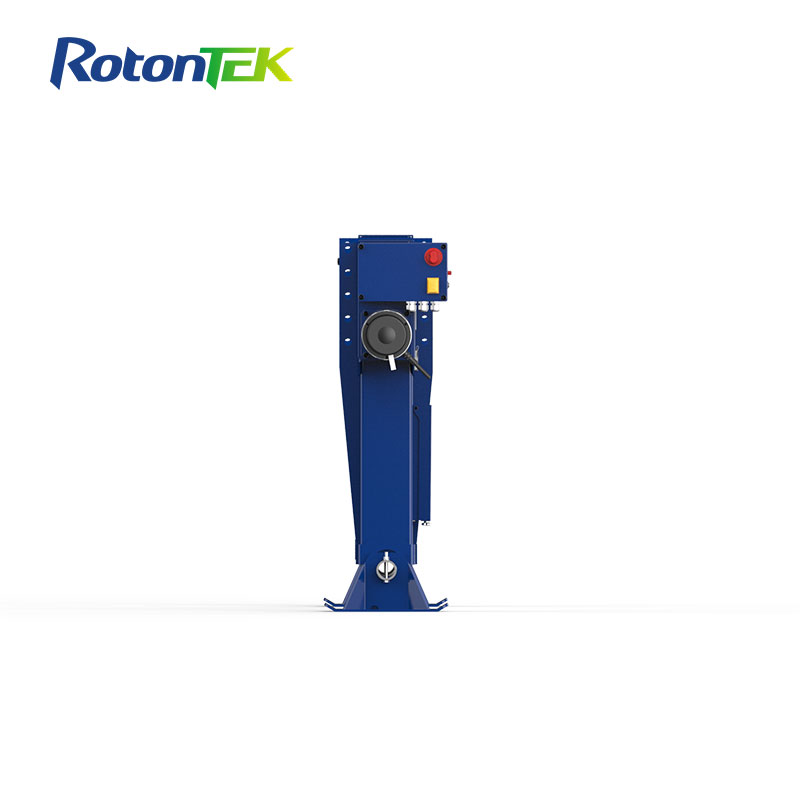
Material quality
Eight out of ten times, the hydraulic outrigger cylinder explodes due to the material. The wall of a good outrigger is like a military gun barrel, and sparks will fly when it is ground with a grinding wheel. Last time when I disassembled an imported outrigger, I found a detail: The inner wall has a spiral stress groove, which is similar to the oil line design of the CNC machine tool guide rail, which can disperse the pressure peak.
The “aviation aluminum” on the market now has a lot of water, and the real thing is cold-forged alloy steel. There is a simple way to detect it: use a vernier caliper to measure the thickness of the tube wall. If the nominal 5mm is actually less than 4.3mm, it will be passed directly. The most outrageous e-commerce hot-selling product I have seen is marked as 4mm, but the actual measurement is only 3.1mm, and the weld is like a dog bite.
Surface treatment is the invisible killer. The case of coastal users being corroded by salt spray in three months is not a scare tactic. A truly reliable one should at least have three layers of protection: bottom phosphating treatment + middle epoxy resin coating + outer polyurethane spraying. It is the same as the sheet metal protection of the machining center. If one process is missing, the life span will be cut in half.
The hardness of the material should not be too much. Last year, a modification shop nitrided the outriggers, and the hardness was up to 60HRC, but it broke directly in the northeast in winter. Now high-end models have begun to learn the gradient heat treatment technology of machine tool screws, the core maintains toughness, and the surface is strengthened and wear-resistant.
Last month, I met a ruthless person on National Highway 318 who used the cutting fluid of CNC machine tools as outrigger lubricant, and the sealing ring was all soaked. This thing is like using kerosene to wipe the guide rails of machine tools. It looks bright but actually destroys the equipment. If you really want to maintain it, you must use lithium-based grease specifically for the outriggers, and add oil every 500 times of lifting and lowering.
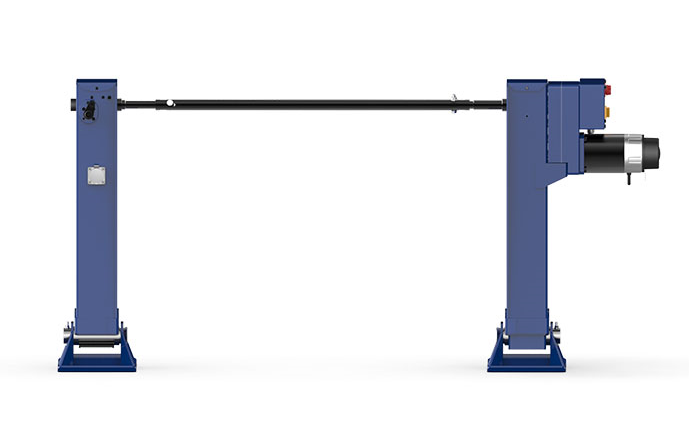
Frequency of use
Old drivers who play trailers all understand the formula: Number of lifts = life reduction coefficient. Imported big brands claim a lifespan of 20,000 times, but that’s laboratory data – constant temperature environment + 2-hour cooling interval each time. In reality, construction sites are rushing to work and continuously lifting? It’s the same as a CNC machine tool running continuously without heat dissipation.
Let’s take a look at a real comparison:
| Usage scenario | Daily lifting times | Measured lifespan | Fault point |
|---|---|---|---|
| RV camp leveling | 3-5 times | 18,000 times | Motor carbon brush wear |
| Logistics transfer station | 15+ times | 4,000 times | Hydraulic valve stuck |
| Mobile stage car | 8-10 times | 7,000 times | Outrigger bearing broken |
Gear oil is the invisible killer. I’ve seen a performance team that hasn’t changed the oil for three months, and the lubricating oil is as thick as sesame paste. Working under this condition is equivalent to dry grinding the CNC machine tool guide rails, and the outrigger reduction box is directly scrapped. Veterans have a rule of thumb: oil must be changed every 500 lifts, and 300 in advance in summer.
Motor heat dissipation design is the real work. A good outrigger motor housing has spiral heat dissipation grooves, which is the same principle as the spindle cooling system of a machining center. Last year, I dismantled a German outrigger, and found that a miniature fan was stuffed into the motor. The temperature control did not exceed 65 degrees after 10 consecutive lifts.
Load weight
Nominal 8 tons load? That is the static load of a single leg! Dynamic impact loads that exceed 3 seconds are dangerous. The most outrageous modification I have seen is that the RV outriggers are used as jacks. When unloading the tire, there is a bang and the outriggers are bent inward directly – The instantaneous impact force can reach 4 times the nominal value.
Load distribution is fatal:
| Load type | Actual stress | Dangerous critical point | Typical damage |
|---|---|---|---|
| Static uniformity | 100% nominal value | 120% | Slight deformation of hydraulic rod |
| Unilateral tilt | 180% local | 150% | Cracks on outrigger base |
| Dynamic impact | 300-400% | 200% | Gear tooth collapse |
Horizontal sensors are more important than load-bearing. Just like the alignment of CNC machine tools, if the outriggers are slightly tilted by 2 degrees, the actual load distribution can differ by 40%. The black technology of a modification factory: add a monitoring system similar to the machine tool grating ruler to the outrigger, and automatically alarm when the eccentric load exceeds 5%.
There are signs of overweight warning: abnormal sound when the outrigger is retracted, the hydraulic cylinder rebounds slowly, and the motor starts delayed for more than 0.5 seconds. These are all fatal signals. Just like the precursor of wear of the machine tool guide rail, when the outrigger is visibly deformed, it is basically not far from the cylinder explosion.
Last month, I saw a tragedy: a 3-ton RV was loaded with 6 tons of building materials. The outriggers supported it for 20 minutes and nothing happened. Just when I was about to breathe a sigh of relief, I heard a “click” sound – it was not the outrigger that broke, but the beam was deformed by the top! This is the same as using CNC machine tools over the range. You think the equipment can withstand it, but in fact the structure has been damaged for a long time.
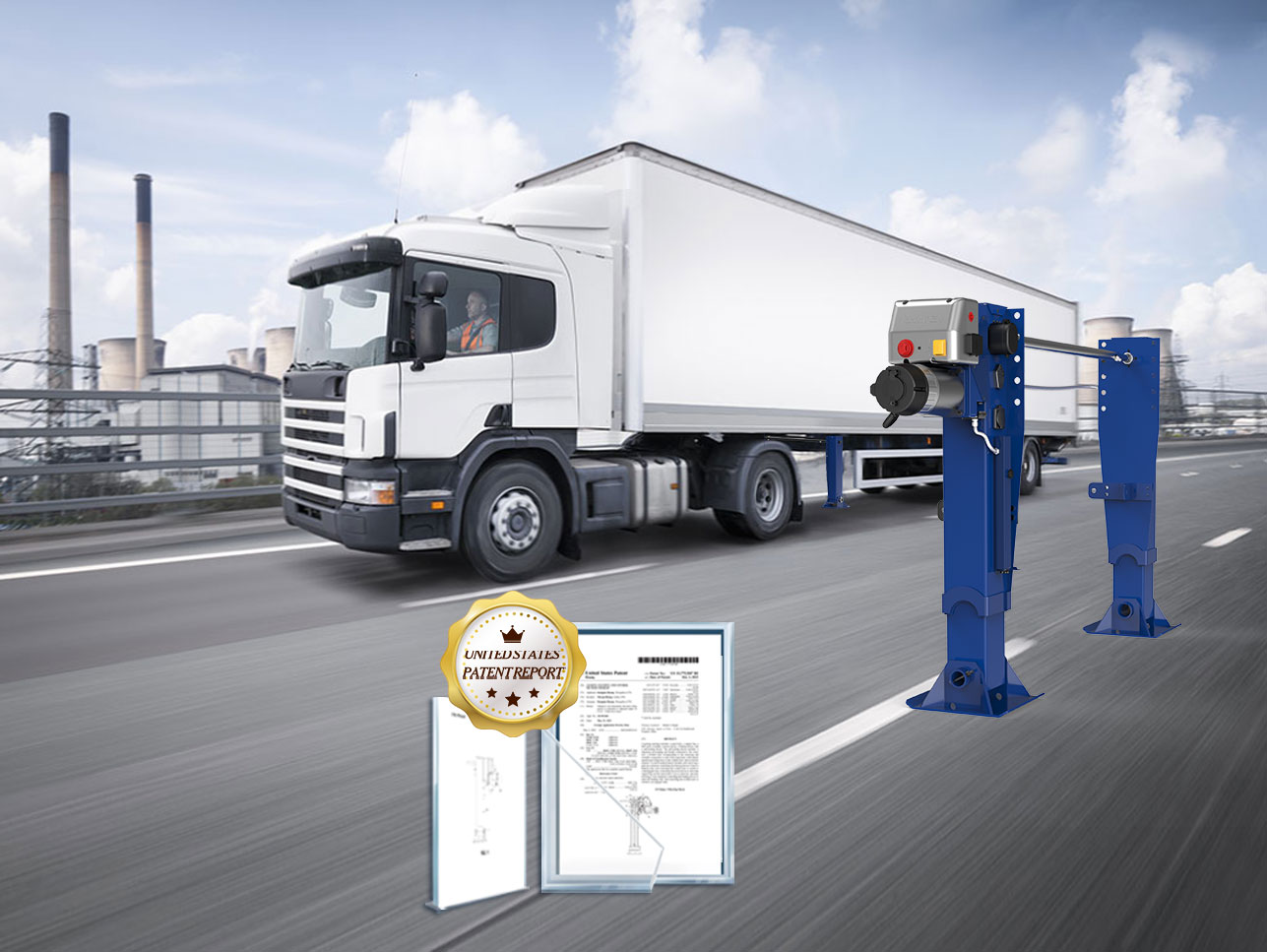
Working environment
Those who use outriggers at the seaside know that the salt spray corrosion rate is 7 times that of inland areas. The better outriggers will learn from ship equipment to do sacrificial anode protection. The most ruthless protection I have seen is to spray the outriggers with anti-rust wax for machine tool guide rails, which is applied once every three months and is more effective than the original coating.
Comparison of death methods in different environments:
| Environmental type | Main killer | Damage speed | Typical failure |
|---|---|---|---|
| Coastal salt spray | Chloride ion corrosion | 6-month perforation | Hydraulic cylinder seal failure |
| Northwest wind and sand | Quartz sand wear | 300 times of lifting and scrapping | Oil seal leakage |
| Northeast frozen soil | Low temperature embrittlement | -25℃ load halved | Outrigger base cracking |
| Southwest acid rain | pH<4.5 liquid erosion | 2-year structural strength reduction of 40% | Connector breakage |
Temperature difference is the hidden boss. The 30-degree temperature difference between day and night in the Alashan Desert can cause microcracks in the outrigger aluminum similar to thermal deformation of machine tools. There is a trick: leave a 2mm gap when the outrigger is folded, which is the same principle as the thermal compensation gap reserved for CNC machine tools.
The grounding method determines life and death. Directly outriggering on gravel ground is equivalent to letting the machine tool work in a vibrating factory. Experienced drivers always bring two 10mm steel plates as pads. Actual data from a modification factory: the probability of outrigger overload dropped from 37% to 12% after padding with steel plates.
Operation habits
Ninety percent of outriggers die prematurely because of bad hands. The most outrageous operation I have seen: kicking the outrigger hard to “help” during lifting and lowering. What is the difference between this and hitting the guide rail of a CNC machine tool with a hammer? Hydraulic outriggers are most afraid of instantaneous impact loads.
Operations that affect life:
-
Adjusting the level while lifting and lowering;
-
Using one-side outriggers beyond the limit;
-
Forced cooling of motor overheating;
-
Using a jack to assist lifting;
-
Driving without fully retracting the legs;
Synchronous error exceeding 2mm is a time bomb. Precision outriggers should be calibrated synchronously every three months, just like debugging CNC machine tools. A certain RV club measured that the gear wear rate was reduced by 65% after calibration.
Emergency stop operation ruins everything. Stage car veterans know: 3 seconds before the end of lifting, you must switch to low gear. Direct power off is like emergency stop of the machine tool spindle, and the reduction gear will break in minutes. There is a data comparison:
-
Standard operation group: average life 12,000 times;
-
Emergency stop group: average life 3,000 times;
Last month, I saw a stage car operator who pressed the three buttons of lifting + leveling + rotation at the same time, and the outrigger was twisted into a knot on the spot. This is the same as the three-axis linkage of CNC machine tools losing control – Electromechanical equipment is most afraid of multi-threading.