
Understanding Axle Types
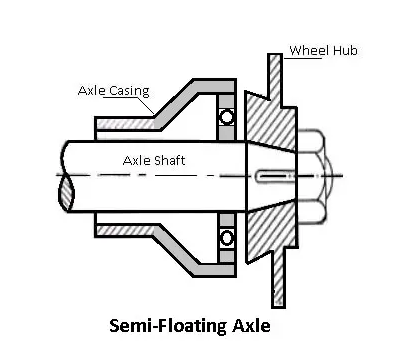
It is possible to state that the rear axle is one of the major parts in the vehicle’s transmission system. What is more important, to the drive wheels it connects the differential, and that is why it transmits the power from the engine to the wheels. In such a way, transportation moves forward. As a rule, according to various support and installation methods, it is usually divided into 3 types: semi-floating, three-quarters floating, and full floating.
Semi Floating Axle
Description
- The semi-floating axle is fixed directly to the wheel hub and differential, with a dedicated bearing at each end, which bears both the vehicle weight and the rotational torque.
- The wheel can be bolted directly to the axle, making maintenance more troublesome.
Differentiation
- Maintenance requires a lot of disassembly, which is more troublesome;
- The semi-floating design is simpler and cheaper than the other two;
- The semi-floating is only used for lighter loads and is prone to wear and damage under heavy use;
- Commonly used in mobility scooter,micro electric vehicle, golf vehicle,service robot,wheelchair,etc.
Three Quarter Floating Axle
Description
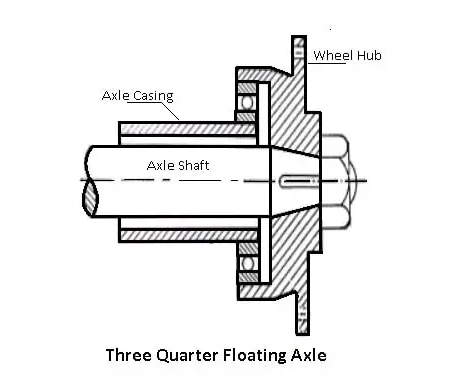
- The three-quarter floating axle is an intermediate type between the semi-floating and full-floating types, with bearings installed between the wheel hub and the axle housing.
- The weight of the entire vehicle is pressed on the axle housing, and only the side thrust and driving torque are borne by the axle.
Differences
- More balanced performance;
- Avoids the complexity and high cost of full-floating design;
- Increased load capacity and service life than semi-floating axles;
- Suitable for small and medium-sized machines such as industrial cleaning machines, electric vehicles, electric lawn mowers, etc.
Full Floating Axle
Description
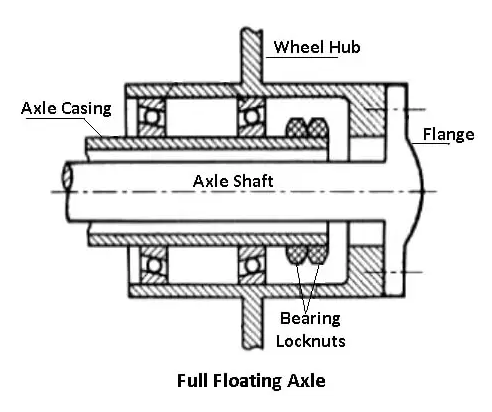
- The fully floating axle is responsible for carrying the weight of the vehicle on the wheel hub bearing.
- The fully floating axle is bolted to the main shaft instead of directly to the axle.
Differences
- The load support and transmission functions are completely separated;
- The service life and load are longer and higher than the other two;
- The axle can be removed while the wheel is still on the vehicle, and the removal is simple;
- Even if an axle fails or breaks, it will not affect the driving of the vehicle in a short time;
- Suitable for high-load vehicles such as electric trailers, electric tractors, electric dolly and automatic guided vehicles,etc.
Choosing the Right Axle: A Practical Guide
Selecting the right axle depends on the specific needs of your vehicle, including load capacity, maintenance preferences, durability requirements, and budget constraints etc.
Suppose you want to choose a suitable electric dolly from rotontek products, with a load capacity of at least more than 5,000 pounds, easy maintenance, adaptability to rugged terrain, lower noise, and preferably other auxiliary functions.follow these steps:
Determine
Load Capacity
Assess the maximum weight your vehicle needs to carry, including passengers, cargo, and equipment, and then eliminate axles of inappropriate vehicles by elimination. Here we need to find a maximum load of at least 5,000 pounds, which means that most semi-floating axles are no longer suitable. For safety and efficiency reasons, full-floating or three-quarter floating axles are preferred.

Evaluate
the driving environment
Consider whether your vehicle is used on a flat road or in a more complex terrain. Different terrains will affect the specific service life of the axle. The above refers to rough terrain, which means that it is safer to choose a full floating type, otherwise it will affect the durability and efficiency of the entire axle.
Understand
Axle Requirements
Determine how much torque your vehicle will need to perform its duties and how often it will be operating under full load. High-performance vehicles or those frequently used for towing and heavy loads require axles that can withstand tremendous stress without failure.According to the above requirements, the fully floating axle is more recommended here. On the one hand, it is more efficient and durable. On the other hand, even if an axle fails or breaks, it will not affect the driving of the vehicle in a short time.

Consider
Maintenance Preferences
Decide how much time and effort you are ready to spend to maintain the axle. Regular maintenance can extend the life of the axle.A full floating axle is the easiest one to maintain, and only the axle is disassembled, and repairs and adjustments are made without affecting the hub bearings. Semi-floating axles are the least effective and the most time-consuming to repair. These axles require long disassembly to access and repair the axle or bearings. In this regard, recommend using full floating axles.
Set a
budget
After determining the specific needs, there are often a few options left. At this time, you can choose the one with the highest cost-effectiveness and meet the overall mission requirements of your vehicle, so that the initial investment cost can be controlled to the minimum.
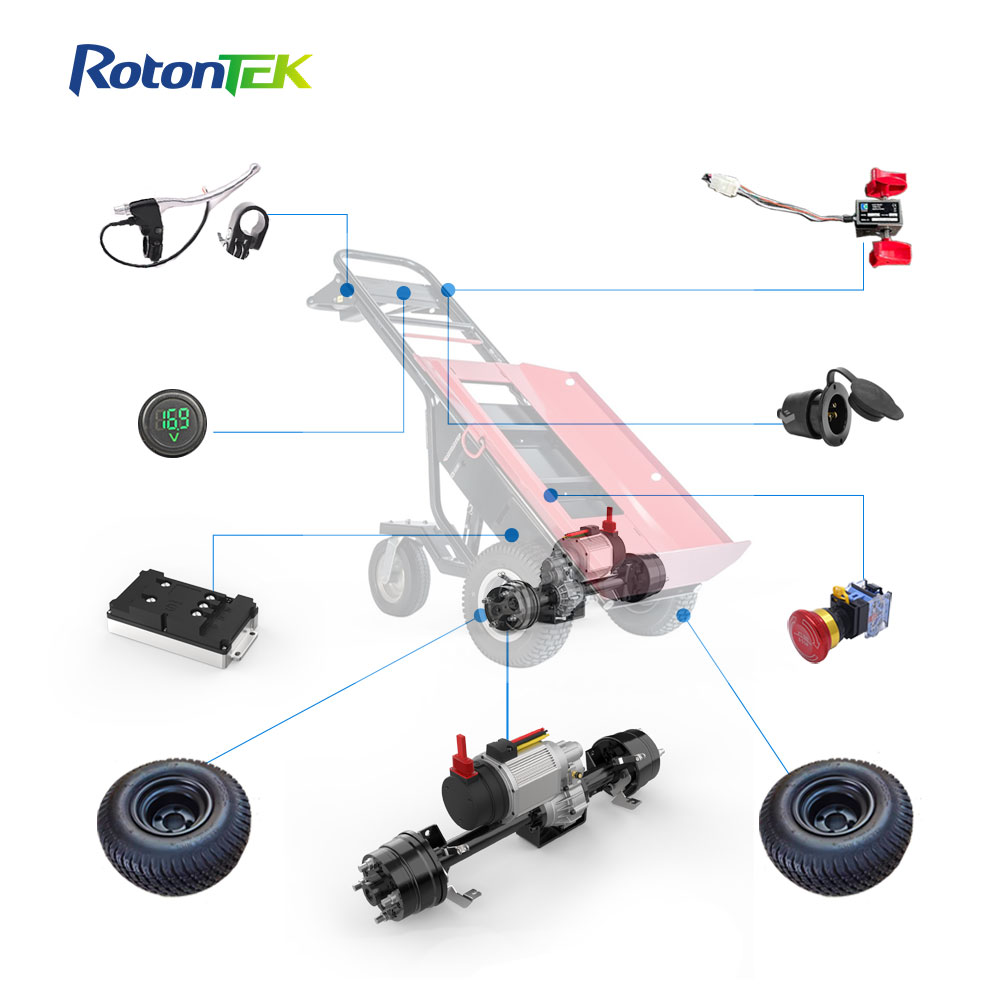
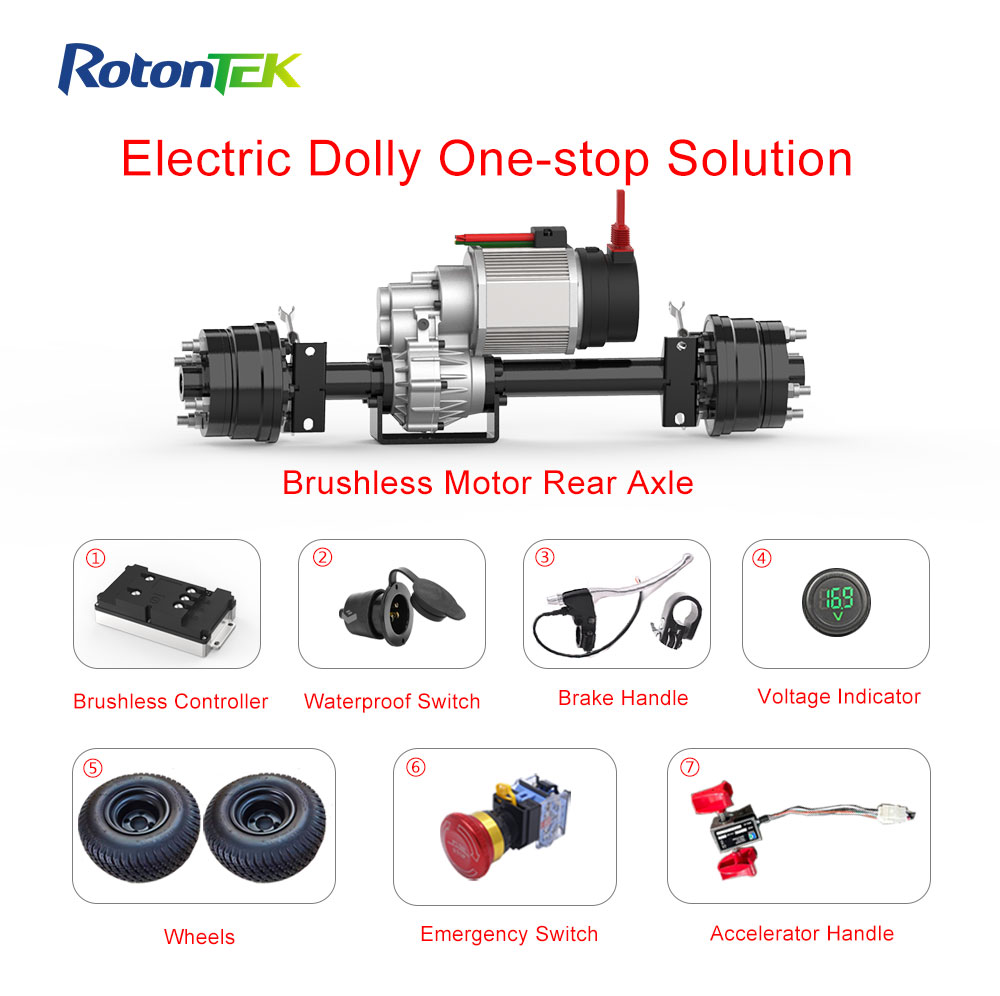
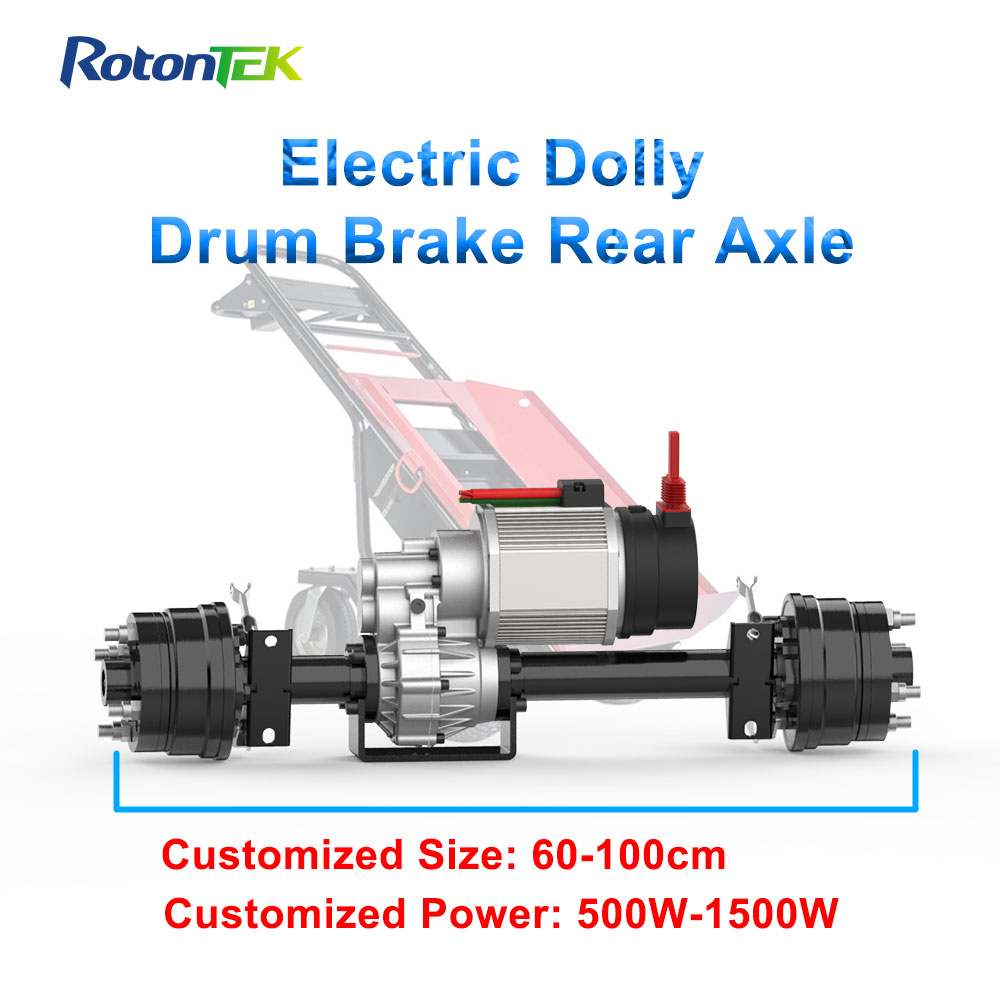
Based on the above selection, you can find this newly launched Rotontek electric dolly one-stop solution product 1500W brushless DC drum brake full floating axle.
On the one hand, it meets the requirements of low noise and high load capacity. On the other hand, it has low speed, high torque, high wear-resistant tooth surface, and is equipped with a DC 48V 1500W motor and an advanced electromagnetic braking system. The multi-function guarantees safety and durability, ensuring value for money. At the same time, this fully floating axle uses a brushless motor to reduce internal wear.
If there are other needs, you can also choose the one-stop solution launched by Rotontek.
Products Recommended
1500W brushless DC drum brake full floating axle

1500W BLDC Transaxle ND42-1-43.9G
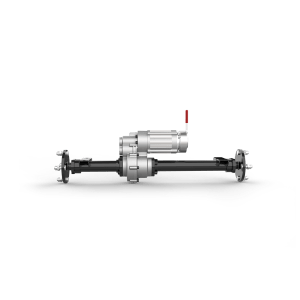
1000W BLDC Transaxle ND42-1-43.9G
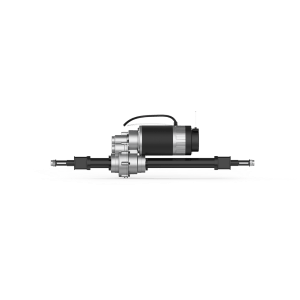
1300W Permanent Magnet Brush Transaxle LD04B
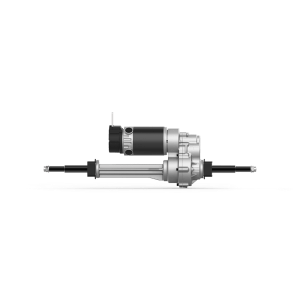
1300W Permanent Magnet Brush Transaxle LD04
