

Understanding brushless controllers is essential for selecting the right component for your electric vehicle project. As a supplier, we know that a reliable controller is the key to performance and longevity. This article explains the core functions of a brushless controller to help you make an informed decision. Knowing its role ensures you choose a component that matches your specific motor and application requirements.
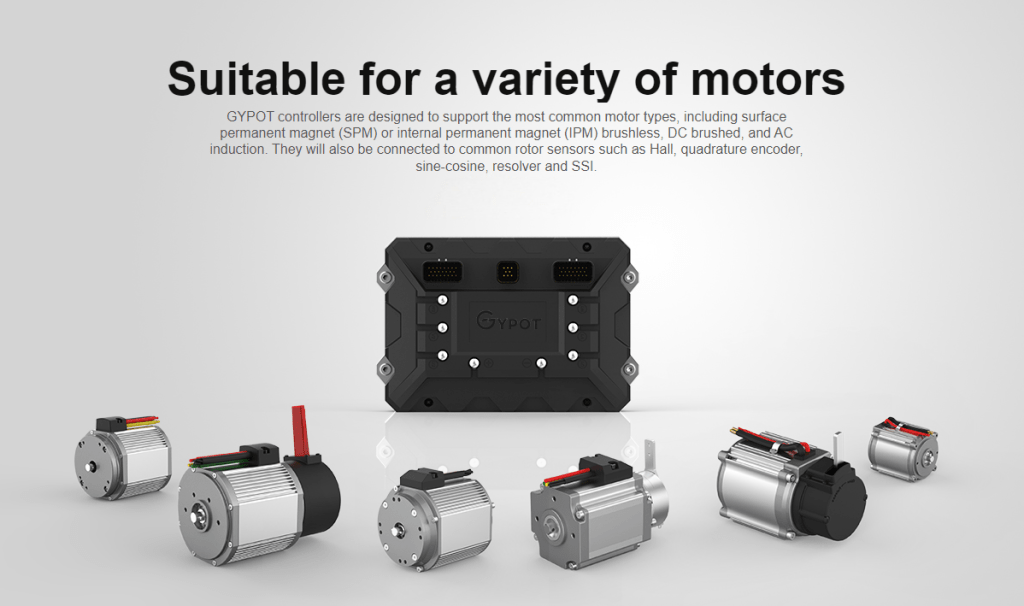
Motor Speed Control Device
A brushless controller fundamentally serves as a motor speed control device. It acts as the brain of an electric motor system, interpreting input signals from a throttle or control system to dictate the motor’s rotational speed and torque output. By rapidly switching the power supplied to the motor’s windings on and off, a technique known as Pulse Width Modulation (PWM), it precisely controls the average voltage and current. This allows for smooth acceleration and deceleration, providing the user with fine-grained command over the motor’s performance. The reliability and precision of a brushless controller are therefore critical for the safe and efficient operation of various motor-driven applications, ensuring they respond accurately to user commands.
Electronic Commutation System
Unlike brushed motors that use physical contacts for commutation, a brushless motor requires an external system to sequence power. This is the primary role of the controller, which functions as an electronic commutation system. It uses sensor-based or sensorless methods to continuously monitor the rotor’s position. Based on this real-time data, the motor controller electronically switches the current flow through the motor’s three phases in a specific sequence. This creates a rotating magnetic field that pulls the permanent magnet rotor, resulting in continuous and smooth rotation. This process eliminates the friction, sparks, and wear associated with physical brushes, leading to a more efficient, quieter, and longer-lasting motor system with less required maintenance.
Power Management for Motors
A brushless controller is a sophisticated power management unit for motors. It acts as an intermediary between the power source, typically a battery pack, and the motor itself. One of its key functions is to convert the direct current (DC) from the battery into a three-phase alternating current (AC) that the brushless motor requires. The controller also regulates the voltage and current delivered to the motor, protecting it from potential damage caused by over-voltage, over-current, or overheating. Many controllers include low-voltage cutoff circuitry to prevent excessive battery discharge, which can prolong battery life. This comprehensive power management ensures the motor operates within its safe and efficient parameters, optimizing both performance and system durability.
Conclusion
In summary, a brushless controller is the essential intelligence behind efficient, modern electric motion, converting battery power into controlled mechanical work. Its technology enables the quiet, reliable, and low-maintenance operation we expect from today’s EVs and industrial drives. Selecting a controller matched to your specific voltage, current, and application requirements is key to optimal performance. We invite you to explore how our dedicated designs at Rotontek can provide the precise control and durability your project or product requires.