
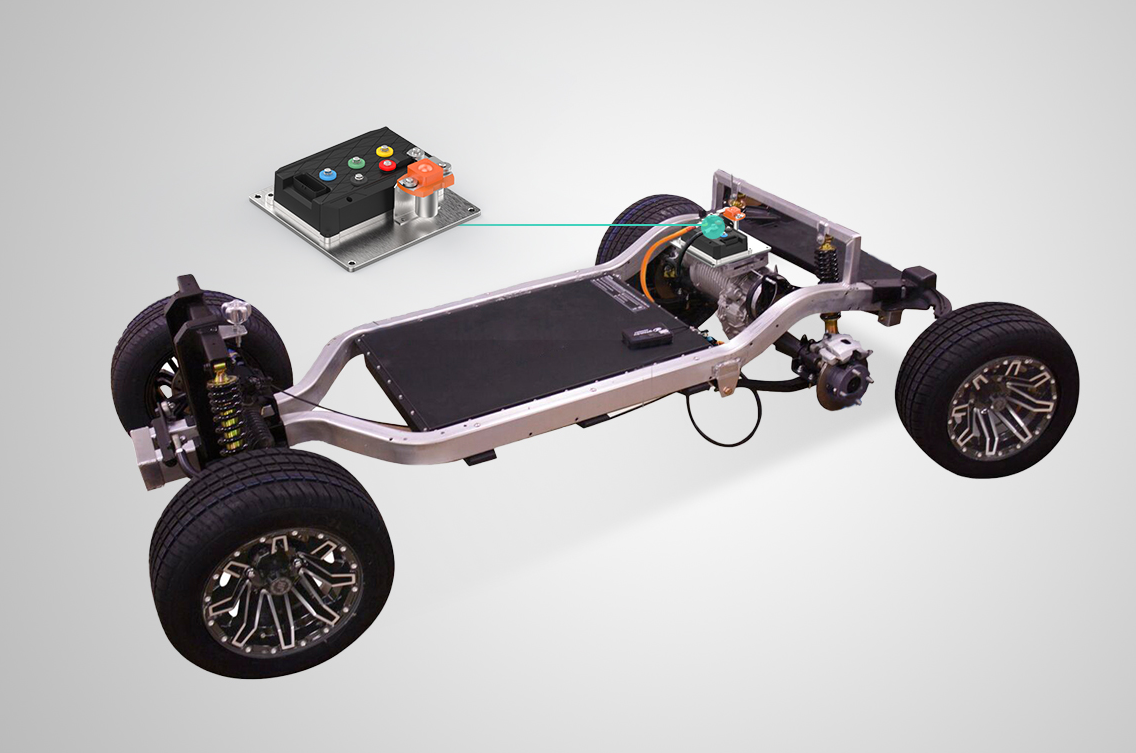
Understanding the electric control unit (ECU) is fundamental for anyone involved in the electric vehicle supply chain. As a supplier, we recognize that a deep knowledge of this component allows for better product selection and system integration. It helps in diagnosing issues, ensuring compatibility, and ultimately delivering greater value to the end-user. This foundational understanding is key to building reliable and efficient electric mobility solutions.

Vehicle Electronic Management System
The electric control unit (ECU) acts as the central computer for a vehicle’s electronic management system. It is a specialized computer that continuously receives data from a network of sensors located throughout the vehicle. These sensors monitor various parameters such as engine speed, temperature, throttle position, and oxygen levels. The ECU processes this vast amount of information in real-time against pre-programmed maps and algorithms. Based on this calculation, it sends precise output commands to actuators to optimize the performance, efficiency, and emissions of the engine or motor. In modern vehicles, there are often numerous ECUs dedicated to specific subsystems like the transmission or brakes, all communicating over a network. The sophistication of this electric vehicle control unit directly influences the vehicle’s responsiveness, fuel economy, and overall drivability, making it a critical component in both internal combustion and electric vehicles.
Automotive Component Control Center
Functioning as an automotive component control center, the electric control unit (ECU) is responsible for managing and coordinating the operation of various vehicle subsystems. It serves as the brain for components like fuel injectors, ignition systems, and variable valve timing in traditional engines. In electric vehicles, its role shifts to managing the power delivery from the battery to the traction motor. The ECU ensures all these components work in harmony by executing complex control loops at high speeds. It makes constant adjustments to maintain optimal performance under varying driving conditions and loads. This centralized control is crucial for achieving smooth operation, managing energy consumption, and ensuring the longevity of mechanical parts. The reliability of this motor controller is paramount, as its failure can lead to reduced performance or a complete vehicle shutdown.
Engine Performance Regulation Device
As an engine performance regulation device, the electric control unit (ECU) is fundamentally tasked with managing the engine’s core functions to balance power, efficiency, and emissions. It precisely controls the air-fuel mixture and ignition timing to ensure efficient combustion. By monitoring sensor inputs, it can advance or retard spark timing and adjust fuel injection duration to adapt to different operating conditions, such as during a cold start or under heavy acceleration. The ECU also plays a critical role in emissions control by managing systems like the exhaust gas recirculation (EGR) and catalytic converter operation. Furthermore, it enforces engine protection strategies by limiting RPM or adjusting parameters if it detects potential damage from overheating or knocking. This continuous regulation ensures the engine delivers the required power while operating within its safe and legal limits.
Conclusion
The electric control unit is far more than a simple switch; it is the intelligent core that defines an electric vehicle’s character and capability. From ensuring a safe, smooth start to managing complex dual-motor setups, its role is indispensable. For those seeking reliable and technologically sound control units for personal or commercial use, exploring specialized manufacturers is essential. We invite you to learn more about our approach and product range at Rotontek.