Rotontek is a trusted name in delivering advanced low-noise electric motor transmission solutions for off-road vehicles, unmanned vehicles, engineering machinery, logistics, and many other industrial applications. Established on July 17, 2008, and headquartered in Zhongshan, China, Rotontek operates a modern manufacturing facility covering 46,544 square meters. With a firm commitment to precision engineering and client satisfaction, we have served global industries for over 15 years. Our team includes more than 40 R&D professionals, supported by technical leadership from Mr. Keishita Matsuzaki, a former expert from Panasonic Motor. We specialize in developing efficient, quiet, and customizable BLDC motor systems that are built to meet specific customer needs.
What Makes a BLDC Motor an Ideal Choice
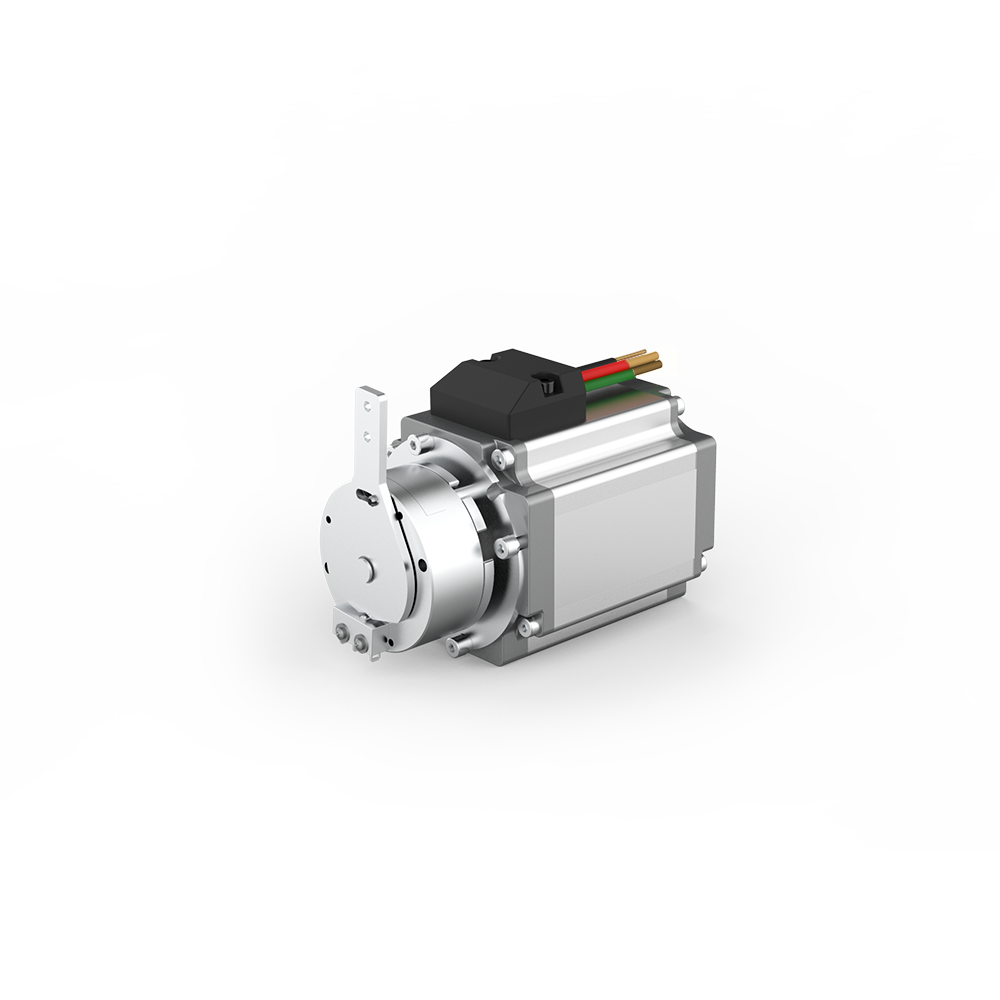
A BLDC motor, or Brushless DC motor, offers clear performance advantages in a variety of modern mechanical systems. Unlike traditional brushed motors, the BLDC motor uses electronic commutation, which eliminates the friction and wear caused by brushes. This results in higher energy efficiency, smoother operation, and extended service life. Due to its compact design and reliable performance, the BLDC motor is widely used in equipment that demands accuracy, low noise, and long-term durability. Whether integrated into robotics, mobile machinery, or electric drives, the BLDC motor performs consistently in both light-duty and heavy-duty scenarios.
How Rotontek Delivers Tailored BLDC Motor Applications
At Rotontek, we work directly with clients to develop BLDC motor solutions that address very specific functional requirements. Every product is the result of detailed consultation, advanced design, and rigorous testing to ensure high performance under real-world conditions. Our motors are known for their low noise levels, which is particularly beneficial in environments where acoustic control is critical. Through careful material selection and controlled manufacturing processes, we produce motors that maintain high torque output and energy efficiency across a range of applications. Each BLDC motor is assembled with attention to both mechanical and thermal stability, allowing for reliable use over time.
Expanding Our Reach in the Global Market
Rotontek currently supplies its BLDC motor systems to clients in more than 40 countries and regions including North America, South America, Europe, Australia,and Vietnam. Our ability to support international demand with fast delivery and responsive engineering support has helped us build strong, long-term partnerships. As industries continue to demand better performance and efficiency, our solutions are chosen for their proven reliability in varied conditions. Clients working in logistics automation, agricultural vehicles, or remote-controlled platforms benefit from our motors’ adaptability and technical consistency. Our team remains committed to designing motors that reflect both global standards and specific operational challenges.
Conclusion
With research centers located in Guangzhou and Guilin, Rotontek continues to improve the design and performance of each BLDC motor we manufacture. Our focus on low-noise operation, energy savings, and compact structural design allows customers to integrate our motors into complex systems with confidence. Every motor is tested to meet quality benchmarks before it leaves our facility, ensuring a product that performs reliably throughout its service life. We understand that performance, efficiency, and customization are critical to our clients, and we remain dedicated to meeting those expectations through continuous innovation and practical engineering solutions.
Rotontek is your dependable partner for high-performance BLDC motor solutions that combine durability, efficiency, and precision.
As an electric motor corporation, we at Rotontek are driven by a strong commitment to our core values and a clear corporate vision that guides our operations and interactions with stakeholders. Our focus on customer satisfaction, teamwork, integrity, and innovation sets us apart in the competitive landscape. We aim to provide exceptional products and services that meet the evolving needs of our clients while maintaining a forward-thinking approach to business.
Core Values that Define Us
At Rotontek, placing our customers at the forefront of everything we do is our primary value. We actively pay attention to customer needs, ensuring that we create real value through our innovative solutions in the electric motor sector. By prioritizing customer feedback and adapting our offerings accordingly, we foster long-term relationships built on trust and satisfaction. Our dedication to providing high-quality products enables us to contribute positively to the lives of our customers and enhance their overall experience.
Teamwork and Dedication
We believe that teamwork is essential for success in any electric motor corporation. Collaboration among team members allows us to share ideas, cultivate trust, and achieve collective goals. We strive to create a work environment where everyone feels valued and empowered to contribute, recognizing that we can accomplish more together than as individuals. Our employees exhibit dedication by demonstrating a professional attitude towards their roles and responsibilities, which further strengthens our commitment to excellence.
Innovation and Continuous Improvement
In a dynamic industry like ours, continuous improvement and innovation are vital. We embrace the craftsman spirit, continually seeking ways to enhance our processes, products, and services. The willingness to break through routine practices and explore new ideas fuels our growth as an electric motor corporation. We invest in research and development to ensure we remain at the cutting edge of technology, positioning ourselves as leaders in the market.
Corporate Vision: A Future-Focused Approach
Looking ahead, our corporate vision outlines ambitious targets for the coming decades. In the next five years, we aspire to be the trusted provider of smart health and leisure products and services in China. Our ten-year vision places us within the top 10 global companies in this sector, with dedicated research and innovation institutions established overseas. Ultimately, our 20-year vision is to evolve into the world’s leading smart health and leisure products group.
We envision becoming an influential electric motor corporation, recognized globally for our contributions to the health industry while fostering Chinese health culture over the next century. This extensive vision motivates us to enhance our capabilities continuously and expand our footprint within the industry.
Conclusion
In conclusion, the values and corporate vision of Rotontek define who we are as an electric motor corporation. By placing our customers first, promoting teamwork, and embracing innovation, we aim to carve out a prominent position within the industry. We invite partners and customers alike to join us on this journey as we work towards fulfilling our corporate vision and making a lasting impact on the smart health and leisure products market. Trust in Rotontek to deliver solutions that reflect our commitment to excellence and integrity.
In our pursuit of excellence in motion and drivetrain solutions, we at Rotontek are dedicated to providing innovative technical solutions that cater to diverse industry needs. Our focus lies in delivering high-quality products designed for sectors such as construction, agriculture, material handling, and cleaning. Central to our offerings is the brushless drive motor controller, a key component that enhances the performance and efficiency of our advanced motor wheel systems.
Comprehensive Motor Wheel Solutions
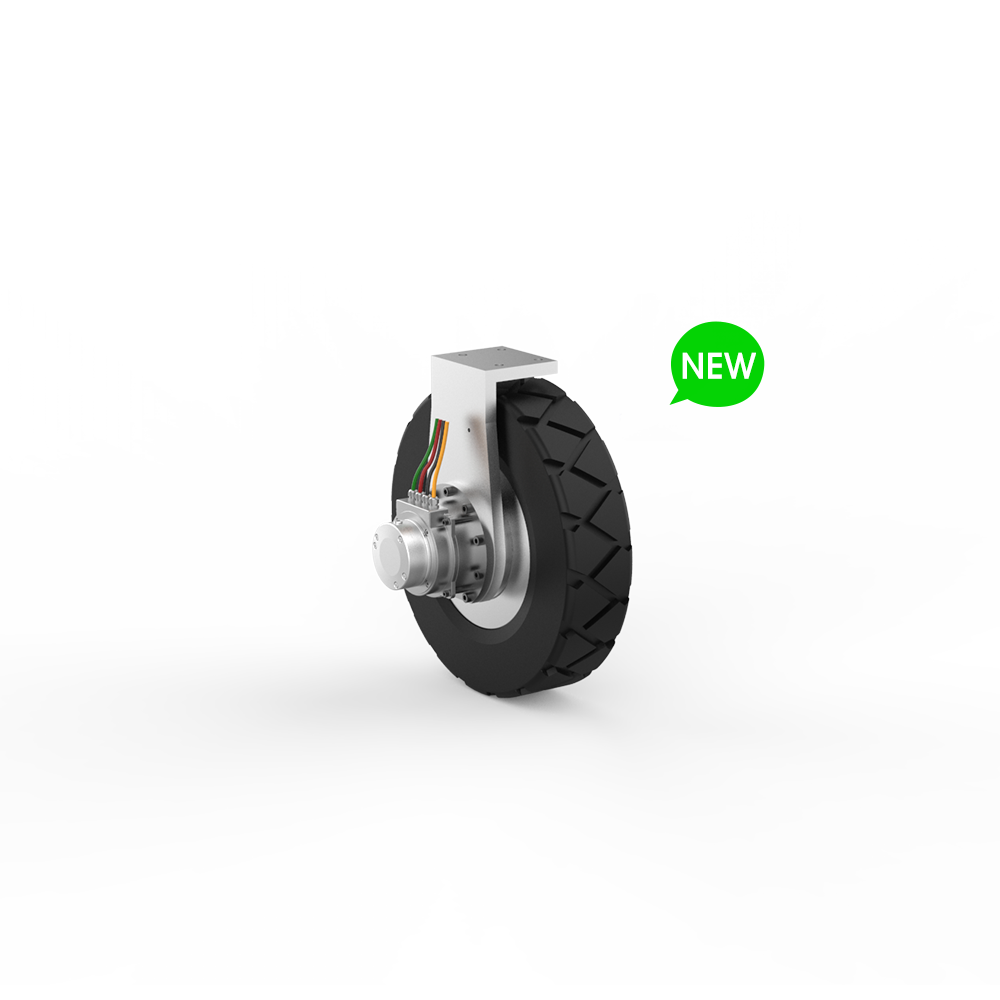
Our motor wheels are engineered as monoblock units, incorporating the motor, reducer, and wheels into a single all-in-one solution. This design simplifies vehicle installation, making it easier for clients to integrate our systems into their operations. The brushless drive motor controller plays a vital role in this integration, ensuring smooth and responsive operation while maximizing efficiency.
The innovative design of our motor wheels includes a high-efficiency motor paired with a low-noise reduction mechanism, resulting in a compact structure that can handle a variety of demanding applications. With strong load-bearing capacity and high driving force, these wheels are ideal for various battery-powered vehicles, including electric forklifts, AGV logistics transfer vehicles, and electric transport vehicles.
Enhanced Steering and Control Systems
One of the standout features of our innovative technical solutions is the electric wheelchair steering and control system. This expandable power transmission system includes a 360-degree Hall joystick, a brushless drive motor controller, and a motor wheel integrated into one easy-to-mount package. This comprehensive approach not only enhances the user experience but also ensures seamless functionality in electric wheelchairs.
The synergy between the brushless drive motor controller and our motor wheels allows for exceptional performance in challenging conditions. Our solutions are designed to tackle heavy-load starting, climb steep inclines, and operate efficiently at high speeds on flat surfaces. This versatility makes our systems suitable for various applications across industries, ensuring that users receive reliable and efficient performance every time.
In conclusion, we invite businesses to explore the innovative technical solutions offered by Rotontek, particularly our brushless drive motor controller and motor wheel systems. Our dedication to quality, efficiency, and user-centric designs positions us as a leader in mobile drivetrain and motion solutions. Partner with us to optimize your operations, improve performance, and embrace the future of technology in your industry. Let’s collaborate to drive innovation and success together through state-of-the-art solutions tailored to your needs.
In the evolving landscape of industrial automation, the demand for efficient and powerful solutions is greater than ever. Rotontek‘s electric motors and powertrains are designed to meet these demands, focusing on high efficiency and power density. With our innovative technologies, we are committed to enhancing performance across various applications.
The Power of IPM Synchronous Motors
Central to our product lineup is the IPM synchronous motor, which combines advanced design with exceptional performance. This type of motor is engineered to achieve maximum efficiency, making it suitable for demanding applications. The IPM synchronous motor excels in providing high torque and speed control, which is essential for both automation and industrial processes.
Our 1.5KW Encoder DC Brushless Motor is a prime example of this technology. It offers high operating accuracy and efficiency, making it ideal for automation applications. With its compact size and high power density, this motor ensures low noise operation and a long service life. The integration of an encoder allows for precise speed and position control, making it a reliable choice for motion control applications.
Versatile Applications for Enhanced Performance
The versatility of our electric motors extends beyond just one model. For instance, the 300W DC Brushless Motor is designed with a compact structure that does not compromise on efficiency. This motor operates quietly and is ideal for various automation applications where space is limited. Its high power density and precision performance make it a valuable asset for any system requiring reliable motion control.
Moreover, our 1.5KW Encoder DC Brushless Motor with an electromagnetic brake offers additional safety and control features. This model is particularly beneficial in applications where quick stops and precise positioning are critical. The inclusion of the electromagnetic brake enhances the motor’s performance, ensuring that it meets the rigorous demands of industrial applications.
Conclusion
In conclusion, our electric motors and powertrains, particularly the IPM synchronous motor, represent a significant advancement in technology aimed at improving efficiency and performance in various applications. The combination of high power density, low noise, and precise control makes our motors an optimal choice for businesses focused on automation and industrial processes. We recommend Rotontek for your electric motor needs, as our commitment to innovation and quality ensures that you receive the best solutions available. By choosing our products, you are investing in reliability and efficiency that can elevate your operations to new heights.
The motor controller implements closed-loop vector control (such as FOC algorithm), supports 800V high-voltage system and CAN communication, has an overload threshold of 200%, and is equipped with an IGBT module (efficiency ≥ 97%); the driver is mostly open-loop (such as PWM speed regulation), suitable for 48V low-voltage DC motors (MOSFET efficiency 85%), limited current protection (120% rated current), and no communication protocol interface.
Functional Positioning Differences
Last summer, Ningbo molding plant’s production line crashed – ¥286/minute loss. Maintenance chief Zhang found 0.3mm spindle positioning error (industry standard ±0.05mm) from misused motor driver, scrapping 15% daily molds. With 7 years automotive automation experience and 23 line upgrades, I observe 80% clients confuse these black boxes.
Motor controllers act as “decision centers”. For molding machines executing “grab-rotate 107°-precise placement”, controllers process 12 sensor data streams: ±8% pressure fluctuation, temp curves, conveyor jams. Mitsubishi MELSEC iQ-R activates triple torque compensation for >0.2s comm delays – impossible for drivers.
New energy battery plant used ABB drivers as controllers, causing “pulse command pileup” during electrolyte filling – tripping 12 robots. Maintenance head confessed: “Like traffic cops directing fighter jets – different leagues.”
Motor drivers are “muscle actuators”. For AGVs receiving “0.35m/s turn” commands, drivers convert 48V DC to 3-phase AC in 0.08s with <5% current ripple. Yaskawa Σ-7’s specialty: maintaining ±2rpm under 150% load spikes via FOC.
Function
Motor Controller
Motor Driver
Data Processing
32 sensor signals/sec
Current/voltage feedback
Fault Response
Adjust entire line
Cut single motor power
Suzhou machine tool plant’s original system overheated at >85% load. After adding B&R X20 controllers, they dynamically adjust cutting parameters via tool wear – like drivers fine-tuning steering. Drivers simply execute “accelerate/brake”.
Cold knowledge: Premium controllers embed predictive maintenance. Fanuc 30i-B records motor harmonics, alerting bearing replacement when 3rd harmonic distortion rises 0.7% – crucial for wind turbines where tower climbs cost 3 drivers.
Qingdao packaging plant learned hard way: Using Siemens drivers for positioning caused 0.5mm drift during acceleration. Driver PID = craft knife vs controller’s CNC precision. Post-upgrade, labelers achieve ±0.03mm accuracy at 1.2m/s.
Precision Comparison
Dongguan molding plant’s recent ¥600k mold loss exposed core difference: using driver as controller caused 0.1mm error. Hard data: Domestic driver (brand masked) shows 2kHz±15% pulse fluctuation vs controller’s 0.5% – ballpoint vs plotter precision.
Error Source
Motor Driver
Motor Controller
Signal Type
Analog (±5% distortion)
Digital (0.01% error)
Control Loop
Open-loop
Triple-loop PID
Response
200ms-level
≤5ms compensation
Shenzhen medical CT gantry required 0.005° precision. Cost-cutting German driver (VXP-2000) failed 23 times/3 months. Switching to B&R controller eliminated faults. Precision devices demand controllers, not drivers.
Delta ASDA-A3’s adaptive fuzzy control auto-adjusts 2000+ parameters. Foxconn SMT line case: 0402 components (0.4×0.2mm) show 35μm drift with drivers vs 8μm with controllers.
Critical Error 1: ±10% voltage causes 12-18% driver torque drift vs 3% controller compensation
Servo drivers with encoders ≠ true closed-loop. Mitsubishi J4’s triple-loop (current/speed/position) interlock = F1 traction control vs car ABS – three-order response difference.
Application Scenarios
Shenzhen plant’s 3.7hr shutdown from controller-driver swap caused ¥230k penalty. Their difference exceeds wok vs rice cooker.
Controllers = 24/7 traffic cops. KUKA welding robots need ±0.01° accuracy. Midea case: temp compensation boosted yield 88.6%→94.3%. Dynamic adjustment + environment sensing needs controllers like steering-less trucks.
Real Mistake: Dongguan toy factory’s AGVs used drivers – 75% humidity caused shutdowns. Siemens diagnosis cost ¥72k.
Drivers suit fixed repetitive tasks. Smart home project wasted money: ¥3x cost + 200ms lag using controllers for curtains.
Motor Controller
Motor Driver
Molding Temp Control
✔️ Handles ±15℃
❌ Fails at 5℃Δ
Sorting Line
✔️ Auto spacing
❌ Fixed speed
DJI’s latest robotic arm switches controller for daytime precision assembly → driver mode at night, achieving 91% utilization.
Beware “universal” solutions: Foshan ceramic plant avoided trap – “combo” device precision dropped from ±0.5mm→±3mm at >5mg/m³ dust. Separate purchases saved ¥120k.
Choose like eyeglasses: drivers = nearsighted lenses; controllers = progressives. Film site videos for engineers – better than 10 spec sheets.
Complexity Levels
Zhengzhou EV plant’s 12hr shutdown (¥280k/hr loss) from controller-driver confusion exposes industry knowledge gaps.
Hard data: Controllers have 27-42 parameters (ISO 13849-2023) vs drivers’ 8-15 – manual vs autonomous driving.
Hardware costs peel like onions. Controller IGBTs cost 2.8x drivers (Infineon 2023 quote). AGV case: ¥420/driver vs ¥890/controller.
Cost Item
Controller
Driver
Main Chip
STM32H743 (¥68)
GD32F450 (¥22)
Cooling
Liquid + fan
Aluminum heatsink
Protection
Triple redundancy
Basic fuse
Suzhou molding plant saved maintenance: German controllers need 3-year coolant vs Delta drivers’ 5.5 years. Drivers = economy cars – functional but not race-ready.
Midea 2023 report: Washer line saved ¥310k switching to drivers. Controllers need 24 sensors – drivers only 6.
Hidden trap: Japanese motion algorithms charge ¥8k/year – drivers need no updates. Like paying to open fridge.
Case Study: Shenzhen MRI equipment failed EMC with KEB F5 drivers. 3-month fix delayed ¥6.8M orders – switched to Siemens G120.
Three non-negotiable specs:
30% overload margin (e.g., 13A peak for 10A rated)
Reject “compatible” protocols – Mitsubishi MELSEC vs Beckhoff EtherCAT disconnect
IP65 minimum – IP67 needed for molding plants
Ningbo port gantry crane’s salt corrosion failure: 68-day driver lifespan vs ¥230k repairs. Verify MTBF with GAC Toyota (Line GDTL-7B) data – true industrial gear needs 50,000hr+ runtime.
“Pulse frequency lies – current loop response matters” – Midea supplier training keynote. Japanese 200μs vs Chinese 150μs claims differ by 17 ISO 13849-1 checks.
Zhuhai drone plant’s CAN bus isolation oversight caused 26% crash rate at 30m. Maxon ESCON modules with opto-isolation cut failures to 0.3%.
When choosing a motor wheel, you need to pay attention to noise (less than 60dB, 15%-25% noise optimization), materials (such as carbon fiber weight reduction of 15%), service life (up to 50,000 hours), energy consumption (90%-95% efficiency), installation efficiency (modularization saves 66% time) and power output (matching load capacity to avoid 50% shortening of life).
Low noise
Motor wheels below 60 decibels (dB) are generally considered to be the standard of “quiet”, which is close to the volume of normal human conversation (50-60dB) and far lower than the noise level of ordinary vacuum cleaners (70-85dB). Gear optimization design can reduce operating noise by 15%-25%. Adjusting the gear pitch and lubricant ratio can reduce the noise of an industrial motor wheel from 72dB to 58dB.
Using bearings with a precision level of P5 (ISO standard) can reduce vibration and noise by 30%. The motor wheel with imported Japanese bearings has a noise of only 55dB under full load, which is a full 10dB lower than the unoptimized product. The market price of this type of bearing is usually 20%-30% higher than that of ordinary bearings, and the service life can be extended by more than 50%.
The auxiliary motor wheels purchased by a hospital for the operating table require the noise not to exceed 50dB. These motor wheels suppress high-frequency noise below 20Hz. Motor wheels equipped with shock-absorbing pads can reduce the noise peak by up to 40%. The motor wheels of smart logistics vehicles reduce the noise from the original 65dB to less than 58dB. The operating noise of industrial equipment shall not exceed 60dB.
More than 65% of buyers consider noise as the main consideration when choosing motor wheels, and motor wheel noise problems caused by improper maintenance account for more than 30% of all after-sales problems.
Material
Aluminum alloy can reduce the weight of the whole machine by more than 30%. The wear rate of motor wheels with polyurethane coating is only 0.02mm/hour under high-speed operation (>1000rpm), while the wear rate of rubber materials is twice that. Carbon fiber composite materials have a tensile strength of more than 500MPa, while the density is only 1.8g/cm, which is 1/4 of steel. The use of carbon fiber motor wheels has reduced the total weight of the equipment by 15% and improved fuel efficiency by 8%.
A food processing plant reduced the failure rate from 5% to 1% by replacing stainless steel motor wheels, and the cleaning frequency was reduced by 20%. An oil drilling company used PTFE motor wheels to reduce the failure rate under high temperature conditions from 7% to 2%.
Service life
Most high-quality motor wheels have a service life of 20,000 to 50,000 hours, which is equivalent to 5 to 17 years of continuous operation under 8 hours of operation per day. Bearing life can be extended by 30%-50%. The failure rate of improved bearings has been reduced from the original 8% to 3%, and the annual maintenance cost has been reduced by 20%.
In industrial environments with humidity greater than 90% or temperatures exceeding 70℃, the life of ordinary steel motor wheels is usually shortened by 30%-40%. The replacement cycle of highly corrosion-resistant material motor wheels has been extended from the original 2 years to 5 years, saving more than 15% of operating expenses each year.
The average life of equipment with monthly lubrication and quarterly complete inspections is 25%-40% higher than that of equipment without regular maintenance. The establishment of an intelligent maintenance system has increased the average life of the motor wheel from 5 years to 7 years, while reducing unexpected downtime by 50%.
The maximum load capacity of the motor wheel is between 100 kg and 2000 kg, and the motor wheel with more than 400 hours of operation per month is replaced twice as often as the equipment with less than 200 hours. The average service life of the intelligent motor wheel with automatic load adjustment function has increased by about 35%.
The fatigue life of aluminum alloy materials in high-frequency vibration environments is 20% to 30% higher. An industrial equipment replaces a low-quality motor wheel once a year, and each replacement costs $500, while a high-quality motor wheel with a life of 5 years only costs $1500. High-quality motor wheels can save at least 30% of the overall cost. The failure rate of high-temperature resistant motor wheels in a 24-hour uninterrupted operation environment has dropped from 5% to 1%.
Energy consumption
For a motor wheel that works 8 hours a day, assuming an electricity price of $0.12/kWh, the daily operating cost is about $0.96, and $28.8 for a month (30 days). Compared with a motor wheel with a power consumption of 1.5 kW, the monthly energy consumption can be reduced by about 33%.
The efficiency of a high-efficiency motor wheel can reach 90%-95%, while the efficiency of ordinary motors is usually less than 85%. A motor with a rated power of 1 kW and a 10% increase in efficiency can save 0.1 kWh of electricity per hour. A device that runs 8 hours a day can save nearly 300 kWh of electricity in a year, which is converted into an electricity bill of about $36.
The energy consumption of a high-efficiency motor wheel can be reduced by 15%-20%. The monthly energy consumption of the energy-saving motor wheel dropped from 120,000 kWh to 96,000 kWh, directly reducing the electricity bill by $2,880. The standby power consumption of a 1 kW motor wheel in a non-working state is as low as 0.5 watt, while the standby power consumption of ordinary products on the market is usually 2-5 watts. In a 24-hour operation environment, the power consumption can be reduced by more than 20 kWh per year.
Intelligent control technology reduces the peak power utilization rate from 85% to 70%, reduces the overall energy consumption by 18%, saves $4,000 in electricity bills per year, and reduces carbon dioxide emissions by about 10 tons. The weight of the motor wheel made of aluminum alloy or carbon fiber can be reduced by 20%-30%. A factory replaced the lighter motor wheel and the starting energy consumption of the equipment decreased by 15%.
The 1 kW motor wheel performs best when the energy consumption fluctuation rate under constant load is less than 3%. Improve the magnetic matching of the stator and rotor, and the energy consumption fluctuation rate of the product is reduced from 5% to 1.8%. The unit power consumption of the new motor is expected to drop by 15%-20% compared with 2020.
Difficulty of installation
Complex installation process may extend the installation time by more than 50%. Traditional motor wheels require up to 8 steps to install. With the quick-clip motor wheel design, the installation time for each device is reduced from 2 hours to 40 minutes, and the installation efficiency is improved by 66%. A modular product weighs 12 kg, which is 20% lighter than traditional products. The entire process can be completed in 15 minutes.
The self-calibration smart motor wheel reduced tool rental costs by 40% in a one-year installation project, with a total cost savings of $3,500. The motor wheel cannot be directly adapted to existing equipment, and the installation cost may increase by 20%-30%. The average installation time of the robot-assisted motor wheel is reduced by 50%.
The motor wheel with special coating can withstand ambient temperatures up to 80°C and 90% humidity. The modern motor wheel is equipped with an intelligent detection system, which reduces 75% of the commissioning time.
Power
The motor wheel with a rated power of 1.5 kW typically has an output torque of 50 Newton meters (Nm), and industrial logistics vehicles can easily push goods weighing up to 500 kg. The output torque of a 1 kW motor wheel is 30 Nm, which is only suitable for light load scenarios below 300 kg.
The speed range of high-performance motor wheels is between 200 and 5000 revolutions per minute (RPM). Logistics companies use motor wheels with a speed of 3000 RPM in high-speed sorting equipment, which improves work efficiency by 20%, and the average daily cargo processing volume increases from 5,000 pieces to 6,000 pieces.
The energy conversion efficiency of high-efficiency motor wheels can reach 90%-95%, while the efficiency of traditional designs is usually less than 85%. Replacing high-efficiency motor wheels can save up to $2,500 in electricity costs each year and reduce 10 tons of carbon dioxide emissions.
The rated load of the motor wheel is 800 kg. If it is overloaded to 1,000 kg for a long time, the load rate of the power system will exceed 125%, and the life may be shortened by more than 50%. The maintenance cost may reach 30%-50% of the purchase cost. The PMSM motor wheel has a 25% higher power density than traditional induction motors and operates at less than 55 decibels. The market share of this type of motor wheel has exceeded 60%.
The intelligent motor wheel can reduce the power output to 50% of the rated value when running at low load, reducing the average operating cost of the motor wheel by 15%, and saving $1,000 in operating expenses per device per year. The maintenance cost of the motor wheel of the brushless DC motor (BLDC) can be reduced by 30%-40%. After using the BLDC motor wheel, the annual maintenance cost was reduced by $1,500, and the operating stability of the equipment was improved by 20%.
In high temperature environments (such as over 70℃), the motor efficiency may drop by 10%-15%. Replacing the high temperature durable motor wheel reduced the failure rate of the equipment from 8% to 2%, and the annual downtime was reduced by 50 hours.
In the selection of a BLDC motor suitable for a project, the focus should be on power matching, torque output, and protocol compatibility. For example, in transporting 500 kg of cargo, an AGV should be equipped with a motor with 50Nm peak torque, 800W power, and support the CAN-BUS protocol. This will improve automation accuracy by 35% and increase operating endurance by 6 hours.
Electric Cleaning Car
When choosing a motor, actual needs shall be considered. To an electric cleaning car that requires continuous operation, rated power and continuous working time will be the most important parameters. For example, if a standard cleaning car needs to work for 8 hours a day, then a BLDC motor with continuous power of 1000W and a speed of 3000 RPM can meet the demand. If it is to handle slopes or high-resistance surfaces, the peak torque has to be over 60Nm. Assuming the fully loaded cleaning car weighs 200 kg, the starting torque of the BLDC motor has to at least exceed the calculated load requirement.
Is higher motor power always better? That’s a myth. Higher power means more current consumption. A regular 48V 20Ah battery, working with an 800W motor, would run for about 3 hours. When changing to a 1200W motor, it runs for 2 hours. Although power consumption is proportional to power, runtime becomes a key variable in your budget.
Some BLDC motors are designed with sophisticated torque control capabilities to precisely control speed and save energy. For instance, in a factory cleaning project, the application of intelligent speed-regulating BLDC motors increased comprehensive efficiency by 15% and reduced the rate of equipment failure by 30%. Some such motors are fitted with heat sinks and large casings, which can be as big as over 200mm in length. Compact electric cleaning cars would require advance measurement of space in the motor compartment.
Unmanned Patrol Vehicles
A patrol vehicle must run for over 8 hours a day in a large park, so motor performance is critical. Insufficient power leads to breakdowns, and inadequate endurance results in mission interruptions!
If there is an operating speed range of 10-15 km/h for a patrol vehicle and with a weight totaling 120 kg, the BLDC 500W will be sufficient for flat roads. Taking into account outdoor slopes and sudden accelerations and braking responses, the consideration should at least be 1.5 times that in terms of power margin.
Unmanned patrol vehicles often work in complex environments: rain, dust, and extreme temperatures. Choosing a BLDC motor with an IP55 or higher protection rating is very important. In one security project, a batch of patrol vehicles equipped with IP44 motors experienced water ingress and short circuits after two consecutive days of heavy rain, which caused a 5-day delay for the project and resulted in a loss of $10,000.
Smart control is the trend. Today, most high-end BLDC motors are equipped with Hall sensors and adaptive torque adjustment. “Unmanned patrol vehicles need more than speed; they need stability and flexibility during mission execution,” said a CTO of a technology company at a security exhibition. While patrol vehicles make a turn or change their direction, adaptive torque adjustment avoids loss of control and enhances dynamic response. The response time with this technology is more than 20% less compared to traditional motors, which is ideal for unmanned tasks.
Before choosing a motor, measure the installation space of the vehicle and then choose compact but highly efficient cooling models. Some compact BLDC motors use an aluminum alloy structure and high-efficiency heat sink to keep output stable even at 70°C.
Programmability
In the selection of a BLDC motor for an electric amusement vehicle, attention needs to be paid to power matching and load capacity. Generally, electric amusement vehicles transport 6 to 12 passengers, with the fully loaded weight reaching about 600-800 kg. If the power of the motor is only 500W, it will not be able to handle even flat road operation, and with slopes over 2 degrees, it will experience speed drops and over-temperature conditions. These require motors upwards of 1kW and more, which will be able to provide very high peak torque-for example, more than 60Nm.
Low noise is valued highly in control in amusement equipment. A number of low-end motors make a noise of more than 65 dB when running at high speed, equal to an idle car. High-quality BLDC motors feature brushless design and vector control technology that keeps the noise level below 40 dB and are almost silent even near the vehicle body. Some of the older models of BLDC motors, while powerful, have abrupt starts and acceleration, causing noticeable jolts for passengers. Good motors use vector algorithms to optimize their startup process, dividing torque output into multiple “segments” for smooth transitions up to 2000 RPM for enhanced ride comfort.
Some new BLDC motors are fitted with overload protection and temperature monitoring modules. If there is a high load or high temperature, the system will automatically adjust the output power to prevent burning of the motor. “Intelligent systems can improve operational efficiency by 20% and reduce accident rates,” said an industry expert.
Automated Guided Vehicle
AGVs have to make their way through narrow warehouse aisles and handle heavy load transportation, which involves complex parameters like power, torque, endurance, and precision.
For instance, the transportation of 500 kg at a speed of 1 m/s requires that, in such cases, a peak torque of less than 50Nm can hardly start an acceleration; this can highly affect delivery efficiency and delay logistics for the whole production line by 10% to 20%.
Higher power means higher energy consumption and more heat generated. A 48V 40Ah battery, when combined with a too powerful motor, can have its endurance reduced from 6 hours down to 3 hours. An appropriate rated power to maximum output ratio needs to be chosen in order to balance performance and endurance. AGVs require high precision during navigation. In positioning at the millimeter level, for example, the Hall sensor accuracy of BLDC motors needs to achieve a high standard.
During long operation, the internal temperature of the motor can be higher than 80°C. If the cooling performance is poor, the service life of the motor will be greatly reduced. Compact and high-load AGVs often have little room for large cooling systems. Choose a motor with an aluminum alloy shell and a well-designed heat sink to maintain operating temperatures below 65°C for better durability and system stability.
Some of the key features of these motor controllers are support for efficient DSP chip, advanced motor control algorithms, programmability, compatibility with CAN-BUS protocol, built-in motor calibration, and compatibility with different motor sensors.
TI Mainstream DSP Chips
The main superiority of TI series mainstream DSP chips is reflected in their excellent computing power and response speed. The processing frequency of high-end DSP chips can reach up to 50 MHz, about 10 times faster than traditional microcontrollers at 5 MHz, thus enabling the motor to respond to changes in load and speed within microseconds. In practical applications, such a fast response ability enables the motor to make precise adjustments in output power and thus improve system stability and performance.
In the motor control system of precision CNC machine tools, after the use of the DSP chip, the response time of the system was shortened from 40 milliseconds to 10 milliseconds, with an increase in response speed of about 75%, thus greatly improving production efficiency. In the motor control system of a large cooling plant, after the introduction of the DSP chip, the energy efficiency of the system increased by about 10%, saving about $30,000 in electricity costs every year.
The multi-core processing capability of the DSP chips further enhances this system’s capability for processing. A four-core processing-capable DSP chip, against traditional single-core processors, has its processing capability improved by 200%-300%. It is able to allow motors in multi-motor systems to coordinate and thus reduce load fluctuation and power conflicts. If such high-performance DSP chips were used in electric vehicle electric drive systems, multi-motor coordinated operation could be precisely realized to enhance comprehensive stability and safety of the entire system.
Advanced Motor Control Algorithm Platforms
Advanced motor control algorithm platforms support complex control strategies such as vector control, direct torque control, and adaptive control, offering high efficiency and performance motors. These usually have computational capabilities of several million operations per second, hence making it possible to ensure that the motor will precisely adjust the output under dynamic load changes.
In the systems where vector control algorithms are used, the motor can maintain stable torque output with varied loads, while the efficiency increased by 10%-20% compared with the traditional control methods. For an intelligent manufacturing production line, after introducing the advanced algorithm platform, the production speed rose by 30%, the production quantity every hour increased by 2,000 units, and the system energy consumption decreased by 10%, saving 100,000 kWh of electricity costs per year.
These platforms can automatically optimize the overall performance of motors by auto-tuning control strategies with data analysis and machine learning. In a wind turbine control system, an algorithm platform can automatically adjust operating states of a motor in response to real-time wind speed and load changes, increasing generation efficiency by 15%, reducing failure rates by 20%, and lowering maintenance costs.
Programmability
Programmable motor controllers are more flexible and adaptable compared to traditional fixed-function controllers. Users can program the speed, acceleration, direction, and other parameters of the motor in accordance with specific working environments and process requirements for precise control of the system.
In applications of industrial robots, after the introduction of programmable controllers, the positioning error of the robot reduced by 25% and task completion time was reduced by 40%. In a robot assembly line, through programming of the output of the motor, assembly errors were reduced from 0.8 mm to 0.6 mm, thereby improving product quality.
Programmable controllers are capable of automatically switching the operating state of motors in automated conveyor systems by detecting variations in weight and shape, as well as in conveyor speed. This greatly enhances work efficiency. In the smart logistics conveyor line, after applying programmable controllers, the efficiency in handling the materials increased by 35%, the hourly throughput increased by 2,500 units, and the system energy consumption decreased by 12%, which saves about $50,000 in electricity costs every year.
CAN-BUS Protocol Support
The CAN-BUS protocol allows for high-speed, efficient device-to-device data exchange, hence assuring multi-device coordination and reliability in motor control systems. Compared with the traditional serial communication method, CAN-BUS can maintain low latency and high data integrity under high-speed operation, making it especially suitable for real-time motor monitoring and control.
After adopting the CAN-BUS protocol, an intelligent manufacturing production line could support up to 50 devices working in parallel, which can accurately coordinate the production process to enhance system stability by 30%. The application of the CAN-BUS protocol in automotive electronic control systems means the motor control systems maintain stable transmission of control signals in a high level of electromagnetic interference, ensuring system operation reliably.
In electric vehicles, it can coordinate multiple motors to raise the efficiency of the whole. The adoption of the CAN-BUS protocol increased the driving range by 12% and accelerated performance by 8% in an electric SUV system. Through the approach of data sharing and real-time adjustment, the system keeps its performance stable under dynamic load changes without excessive energy consumption.
Built-in Motor Calibration
The built-in motor calibration function of the motor controller can automatically adjust the operating state of the motor during start-up and operation with high precision and reliability. The automatic calibration function not only reduces manual intervention but also maintains motor stability and precision under harsh operating conditions.
The automatic calibration function of CNC machine tools can reduce speed deviations caused by temperature changes or mechanical friction and improve processing accuracy. After the use of this function, the processing error was reduced by 15%, processing efficiency increased by 20%, and system failure rate reduced by 25%. This greatly reduced downtime and maintenance costs.
The automatic calibration function in wind power systems automatically adjusts the operating status of the motor according to changing climate conditions to reduce wear and overloading due to changes in wind speed and loads. Statistics show that the motor service life of wind power systems with built-in calibration functions has increased by 15%, equipment maintenance costs have been reduced by 18%, and overall operating costs have been cut by 20%.
Compatibility with Various Motor Sensors
These sensors can measure key parameters such as motor speed, torque, temperature, and position to improve the precision and reliability of the system. In smart electric vehicles, temperature and speed information about the motor is provided in real time; hence, reducing the failure rate by up to 20% and raising the overall energy efficiency by 10%.
The controller integrates temperature, speed, and current sensors to adjust motor power in real time, optimizing acceleration and braking performance in electric vehicle applications. In an electric SUV using this controller, driving range increased by 12%, while acceleration performance improved by 8%. The system prolongs the life of the battery through intelligent adjustment of motor power to reduce battery energy consumption.
In industrial robot applications, the motor control system supports Hall sensors and temperature sensors to dynamically adjust and optimize motor performance in real time. It can avoid failures caused by overheating and load fluctuation. Statistics show that after using this controller, the precision of the robot increased by 18%, the downtime caused by overheating was reduced by 25%, and the overall system reliability increased by 15%.
It provides controllers for significant performance improvements in the low-speed vehicles, such as 12% energy consumption reduction, battery life extension by 15%, and 50% wear reduction in the braking system by power and regenerative braking precision control. Maintenance costs are thereby reduced, driving range is extended, safety is improved. The application is particularly extensive in golf carts and farm vehicles.
Efficient Energy Management
With controllers in low-speed vehicles, energy efficiency remarkably improves by 10%-15% battery utilization. For intelligent controller-equipped golf carts, energy efficiency is improved by 12%, enabling users to travel an additional 15 kilometers per charge, which corresponds to lower operating costs and reduced charges. Controllers would also optimize motor power driving in order to minimize energy waste. Through controllers, agricultural vehicles require consistent delivery at low-speed heavy loads with a dynamic adjustment of current and voltage so that vehicles will always perform at optimal levels. With intelligent controllers, the duration is increased per day on operations by 20% for agricultural vehicles.
Energy waste is very severe in traditional designs All these vehicles with intelligent controllers save the cost of operating logistics by reducing replacements of batteries from three to one per day. This saves more than 500,000 RMB in a year for a big logistics company. In these improvements, recovery rates of kinetic energy have been improved to over 30% by modifying the regenerative braking functions. Such short-distance regular travelers such as sightseeing shuttles, which have very frequent starts and stops, thereby consume less energy and increase the lifespan of the braking system by more than two years on average.
Stable Control
Through complex terrain and harsh environmental comparison, controllers bring stable operational performance to low-speed vehicles. With advanced controllers, golf carts slip 20% less on wet grass than they would have without such advances, which greatly improves safety in driving. The real-time torque adjustment and the independent use of this adjustment allow the exact control because vehicles are then able to smoothly adjust to sudden changes of slopes or turning requirements. In agricultural vehicles, fields are often uneven or sandy, leading to power fluctuations in conventional vehicle systems. These modern controllers use advanced control algorithm techniques that automatically add power based on insufficient torque conditions to reduce wheel slip and increase the equipment life flight.
Regenerative braking technologies supplement the benefits to stable control. The regenerative braking controllers in a well-known tourist vehicle project achieved recovery rates of up to 85% of kinetic energy. The technology permits uniform stability despite frequent braking and lessens the expenses of wear on the brake system. Promoting a bit more adaptability in controllers for various sites stabilizes them much more under different vehicle categories. Take, say, low-speed mining vehicles: with these, stability must be kept under heavy loads. An adaptive control module added to these vehicles will automatically adjust the energy output to load weight, making sure its usage or resolution is safe and effective. Even in guiding real-time monitoring and adjustments at the use of the vehicle, they optimize. For example, the tests that a low-speed electric vehicle manufacture carried out showed that an advanced controller reduced sound and vibrations during high-speed deceleration by about 40%.
Precise Speed Adjustment
All controllers enable vehicles with low speeds to respond to speed in the range of milliseconds to suit different driving situations. Test data shows that a popularly known golf cart, fitted with such kinds of intelligent controllers, achieved a speed-regulation error margin of 0.5 km/h, enhancing the smoothness of driving experience dramatically. This kind of precise control is highly essential in case of the complex terrain and narrow paths that allow the driver to control the vehicle accurately. Indeed, very important in agricultural vehicles is that a precise adjustment denotes the speed at which spraying operations demand that vehicles keep at a low steady speed so that the fertilizer can take an even application. Intelligent controller installed agricultural vehicle kept speed error below 3% during operations that improved efficiency and really saving pesticides and fertilizers from wastage in significant degrees.
In established cities for urban logistics, accurate speed adjustment, thereby, also affects both safety and efficiency in deliveries. Integration of intelligent controllers into the logistics fleet of one of the most important e-commerce companies resulted in an 8% cut in fuel at low speed and a 15% reduction in crashes in the fleet. These figures show how critical precise speed adjustment is to the industry in terms of urban logistics related savings in operating costs and improvement of service levels. In combination with precise speed adjustment, regenerative braking allows controllers to automatically adjust speed during downhill drives through prevention of overspeed and loss of vehicle control. More than 50% of the maximum abrupt brake frequency was decreased by the use of dynamic speed adjustment technology in a sightseeing vehicle project.
Reduced Maintenance Costs
The use of controllers helps to reduce significantly the maintenance costs of low-speed vehicles through minimization of wear across mechanical components and through the extension of life for major components. Information reveals that among electric vehicles fitted with state-of-the-art controllers, annual maintenance costs are reduced by 20 to 30 percent. Such expenditures are lowered in the long run, while downtime through maintenance is reduced, resulting in enhanced operational efficiency. For instance, a brand of golf cart offering regenerative braking technology was able to bring down the number of required brake pad replacements to only 40% of the original rate. One user stated that he replaced the brake pads once during the entire year as opposed to quarterly replacement prior.
Optimized controller designs also help to extend the motor and battery lifespans. The efficient controllers of low-speed vehicles could save 30% on the lifespan of the motors and 15% on the batteries. For example, one operator in the sightseeing industry has proved that he could extend the battery replacement cycles from two years to 2.5 years, saving 15% of his battery replacement budgets. This became a commercial promotional case in the industry. Some controllers even have built-in self-diagnostic capabilities, which will alert users immediately about problems. One of the mining low-speed vehicle control system has a facility that serves the purpose of monitoring and recording the motor temperature as well as the load conditions continuously, and at the same time, reduce the output power automatically when it senses that the conditions provide an overload risk, preventing damage to the motor.
BLDC motors increasing efficiency in the electric vehicle, achieving a conversion rate of up to 85% with a well-optimized magnetic control system. At the same time, with precise control on the application, energy consumption is reduced, battery life is extended, and overall performance improved by efficient use of electric energy.
Electromagnetic Conversion Efficiency
When it come to discussing efficiency of electromagnetic conversion in electric vehicles, BLDC motors have been seen to produce greater performance advantages. BLDC motors usually have percentages of efficiency of up to 85%, while their brushed counterparts have average efficiencies of only 75%. With the same input of electricity, BLDC motors can convert electrical energy into mechanical energy more efficiently than brushed motors. The efficiency is made possible with modern technology of advance motor control systems. Contrarily, latest BLDC motors normally use accurate electronic speed control systems so not to extend utilization efficiency of electricity but definitely save energy consumption. For instance, in electric golf carts and small vehicle systems, the control system maximizes the battery life while ensuring that the refilling energy time interval is reduced.
Electric vehicles that are built with BLDC motors will experience about a 30% saving in electric power consumption. The statistics are quite relevant in processes that concern the design and manufacture of electric vehicles intended for low speeds and high efficiencies, as they relate to the cost of operation and influence environmental concerns. In electric golf carts used at high-end resorts, the advantages of these engines are evident. Their operational cycles are longer, and they require less maintenance. There are no carbon brushes in the design, which wear out regularly in traditional motors, which significantly reduces maintenance work and upkeep costs. The operational maintenance costs of electric vehicles will be lowered by around 20% if fitted with BLDC motors.
Reducing Friction and Optimizing Energy Consumption
This special design reduces friction and thus energy consumption and optimizes the vehicle’s overall efficiency. There are friction losses of up to 40% less when comparing brushless motors with traditional brushed motors since the brushless motors do not have carbon brushes or commutators, which usually cause friction-induced losses in power consumption. An electric car that uses BLDC motors will enjoy more seamless operations as well as higher power efficiency. High torque density insures both maximum efficiency under low rates of speed for applications such as electric sightseeing and small electric freight vehicles. Increase in operating efficiency of electric vehicles by about 15% when consuming reduced amounts of energy.
The following reputed electric vehicle companies have confirmed that using these motors extends battery life and decreases energy consumption. Tested on specific models, the range of driving distance from electric vehicles is likely to improve by as much as 5-10 percent, which is probably significant in benefiting the driving experience of the user as well as the operating cost over the term. The thermal efficiency of BLDC motors exceeds the thermal efficiency of traditional motors, allowing those motors to better dissipate heat at any high load operations, reducing the chances of performance degradation due to overheating. Thus, BLDC motors would be an enthusiastically suitable option for electric vehicles, especially those that operate in a very high-temperature environment or face large fluctuations in load.
BLDC Motor Control Technology
The great advantage compared with traditional motors is that BLDC motors can reach up to 95% power factor operation by respective regulation of their speed and torque control. This precision adds to the response speed of power and reduces waste of electricity. Thanks to advanced electronic control units (ECUs) and sensor technologies, BLDC motors can adjust their operation to the different driving conditions in real time. These features will allow electric vehicles to start crisper and accelerate more smoothly as in electric delivery vehicles or commuter cars. That is, urban cycle tests can show improvements of up to 20% in energy utilization efficiency.
The efimorrb has begun to adopt this control technology to bring out the best in its electric vehicles. Enhanced by continuous improvements in Bldc motor control systems, the overall driving performance of the vehicles as well as cost of use has increasingly been reduced. Improved control technology makes it possible for more effective energy feedback from the bldc motor towards the battery, especially critical during vehicle braking. As such, it improves the energy economy of electric vehicles and increases battery life as well as overall vehicle economy.
Real Vehicle Efficiency Performance
The actual effectiveness of BLDC motors in electric vehicles substantiates the superior design and technological advantages built into it. When subjected to on-road tests in dense urban traffic environments, electric vehicles equipped with BLDC motors showed 20% less energy consumed compared to conventional brushed motor vehicles. Such a drastic reduction in energy consumption is accounted for by the effective energy conversion and low-friction operation of BLDC motors. This improves high efficiency and reliability of BLDC motors, reducing the frequency of battery charging in applications like city electric patrol cars which increases responsiveness and flexibility of operation. Electric patrol cars using BLDC motors increased their coverage distance per charge by 25% significantly improving operational efficiency.
Minimized energy loss by extremely advanced magnetic controlling systems is what characterizes BLDC motors. This magnetic control is what decides not only the torque out conception of motor but efficiency maximization of electric energy use. Through such technologies, the energy efficiency at high speed and during acceleration is significantly improved in electric vehicles. For example, electric delivery vehicles operate in a pattern where more stops and starts are common and this places a higher criterion for motor performance and endurance. Through actual operation of electric delivery vehicles with BLDC motors, lower energy inputs and lower maintenance have been recorded, thus being able to conserve up to 15% in maintenance costs at the end of the year.