The Lifeblood of Motion: What is the Fluid in a Hydraulic Power Unit?

At Rotontek, we believe that true engineering excellence is found in the powerful combination of electrical precision and hydraulic strength. From our compact power systems to our advanced linear actuators, the heart of our technology lies in the efficient transfer of force. This immense power is enabled by one crucial, often-overlooked element: the hydraulic fluid.
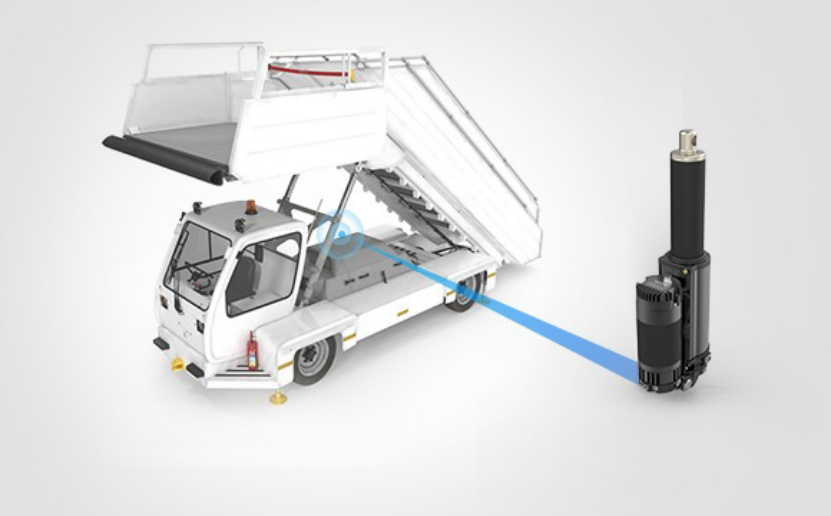
Understanding the Essential Functions of Hydraulic Fluid

The primary purpose of a hydraulic system is to take a small force and multiply it to achieve a powerful output, often lifting, pushing, or clamping heavy loads. This is achieved by exploiting the property of hydraulic fluid: its near incompressibility.

1. Power Transmission: The Core Function

In a hydraulic power unit, an electric motor drives a pump, which draws fluid from a reservoir and forces it through the circuit. Because the fluid is virtually incompressible, the pressure generated by the pump is transmitted uniformly throughout the system. This pressurized fluid acts on the pistons within actuators, converting the fluid energy back into powerful mechanical motion. This mechanism is central to the operation of a high-thrust device like the Rotontek 0.6–1.5T Electric Hydraulic Linear Actuator, which we will discuss in detail later.

2. Lubrication: Protecting Components

Moving parts within the hydraulic system, such as the pump’s gears and the actuator’s piston seals, require constant protection from friction and wear. The hydraulic fluid acts as a lubricant, coating these metal surfaces to reduce abrasive contact. Using a fluid with the correct viscosity and lubricating properties is vital to ensuring the long-term reliability and service life of the entire system. Without proper lubrication, heat generation would rapidly increase, leading to premature component failure.

3. Sealing: Preventing Internal Leakage

Beyond simply moving the components, hydraulic fluid also plays a crucial role in sealing. It fills the minute gaps between moving surfaces, such as the clearances between a pump’s gear teeth or the gap between a cylinder piston and its bore. This film of fluid prevents internal leakage, which could otherwise lead to a drop in system efficiency, ensuring that the pressure generated by the pump is directed entirely toward the work being performed.

4. Cooling: Thermal Management

Every time hydraulic fluid flows through the pump, control valves, and actuators, energy is converted, and friction is generated. This creates heat, which, if left unchecked, can degrade seals, thin the fluid, and damage components. The hydraulic fluid acts as a coolant, absorbing heat from the mechanical components and carrying it back to the reservoir or a heat exchanger, where it can be dissipated. This thermal management capability is essential for sustaining the duty cycle and lifespan of our compact power units.

The Different Faces of Hydraulic Fluid

Choosing the correct fluid is not merely a matter of finding the right viscosity; it’s about matching the fluid’s properties to the system’s operational demands.

Mineral Oil-Based Fluids: Derived from crude oil, these are the most common and cost-effective hydraulic fluids. They are typically enhanced with additives like anti-wear agents, corrosion inhibitors, and anti-foaming compounds to improve performance. They are suitable for most general industrial applications.

Synthetic Fluids: Chemically engineered for superior performance in extreme conditions. These are more expensive but offer exceptional thermal stability, oxidation resistance, and fire resistance, making them ideal for high-temperature or critical industrial settings.

Water-Based Fluids: Used primarily where fire resistance is a critical safety requirement, such as in mining or near high heat sources. These include water-in-oil emulsions and water-glycol solutions.

At Rotontek, we understand the diversity of our clients’ needs, from underwater robotics to high-force industrial lifters. The fluid choice directly impacts the performance of our machines, which is why our product manuals always provide clear guidance on fluid compatibility to maintain the warranty and ensure peak performance.

Rotontek’s Integrated Solution: The Electro Hydraulic Actuator Series

The advancement of hydraulic technology is moving towards smaller, more efficient, and fully integrated systems. This is where Rotontek’s proprietary line of actuators shines, particularly our compact electro hydraulic actuator series. This product line, which includes the formidable 0.6–1.5T Electric Hydraulic Linear Actuator.

The 0.6–1.5T Electric Hydraulic Linear Actuator: A Closer Look

Unlike traditional hydraulic systems that require external pumps, hoses, and reservoirs, the Rotontek EHA integrates the motor, pump, cylinder, and fluid reservoir into a single, compact, sealed unit.

Key Specifications for the 0.6–1.5T Series (Example Model EHY4020100):

Maxium Thrust: 0.6-1.5 Tons

Power Rating: 300-800 W

Rated Voltage: DC 24-72 V

Plunger Pump Capacity: 0.3-0.6 cc/r

Waterproof Level: IP68

This all-in-one design dramatically reduces the risk of external leaks and contamination, directly improving the working life of the hydraulic fluid inside. The fluid itself is critical here: it facilitates the powerful mechanical motion while simultaneously lubricating the integrated plunger pump and the internal piston. The high-grade materials, including 304 stainless steel and aluminum alloy, along with the IP68 waterproof rating, ensure that the integrity of the hydraulic fluid is maintained even in the most demanding environments, such as underwater or in harsh industrial settings.

The Importance of Fluid Maintenance for Your Power Unit

No matter how sophisticated the design, the performance of an industrial hydraulic power unit is directly dependent on the quality and condition of its fluid. Since the fluid is responsible for lubrication and cooling, its contamination or degradation can quickly lead to catastrophic failure.

Contamination Control: Airborne dust, water, and metallic debris are the primary enemies of hydraulic fluid. Rotontek’s integrated, zero-leakage designs, like those found in our EHA and compact power unit series, are engineered to minimize this risk. However, using the specified fluid and following the recommended filtration schedule is essential for all systems.

Viscosity Management: The fluid’s viscosity (its resistance to flow) must remain within the operating range. If the fluid gets too hot, it thins out, reducing lubrication and sealing ability. If it gets too cold, it thickens, making it difficult for the pump to move it efficiently. Our robust control systems help maintain optimal operating temperatures, but choosing the correct viscosity grade for the environment is the first step.

The fluid in a hydraulic power unit is the heart of its operation—a multi-functional medium that transmits force, lubricates, seals, and cools. For optimal performance, a system requires careful selection and diligent maintenance of this fluid.

Conclusion

At Rotontek, we not only engineer advanced hardware, such as our integrated electro hydraulic actuator and reliable industrial hydraulic power unit series, but we also provide the technical expertise to ensure our clients understand and manage every component, guaranteeing powerful, precise, and long-lasting motion solutions for their most challenging applications.

The Silent Powerhouse: Understanding How the PMSM Motor Works

The shift to electric mobility and automation has placed a spotlight on the Permanent Magnet Synchronous Motor (PMSM). This motor technology is rapidly becoming the standard for applications that demand high efficiency, precise control, and exceptional power density—from advanced logistics platforms (AGVs) to specialized low-speed electric vehicles.

At Rotontek, we are committed to providing the market with the most efficient and reliable electric drive systems. Our expertise lies in integrating these high-performance motors with advanced control units. This article provides a clear look at the internal mechanics of how the PMSM motor works and why its design makes it fundamentally superior for modern electric drive solutions.

The Fundamental Structure: Stator, Rotor, and Magnets

Unlike older motor designs that rely on brushes or induced current, the operation of a PMSM motor is defined by the interaction between its two core parts: the stator and the rotor.

The Stator

The stator is the stationary outer shell of the motor. It is composed of highly permeable steel laminations wound with copper coils. When a three-phase Alternating Current (AC) is applied to these windings by the motor controller, it creates a powerful magnetic field that rotates around the stator. The speed of this field is dictated precisely by the frequency of the applied AC current.

The Rotor

The rotor is the rotating inner part of the motor connected to the drive shaft. Its distinguishing feature is the presence of permanent magnets, typically made from rare-earth materials like Neodymium Iron Boron. These magnets generate a constant, powerful magnetic field without requiring any external power source.

Rotontek’s Focus: Interior Permanent Magnet (IPM) Design: While some PMSMs use surface-mounted magnets, our advanced IPM motors (as seen in our specialized drive systems) feature magnets embedded within the rotor. This Interior Permanent Magnet design offers superior mechanical robustness, better protection for the magnets at high rotational speeds, and allows the motor to harness an additional torque component called reluctance torque, further boosting performance and efficiency.

The Working Principle: Perfect Synchronization

The core operational principle that defines the Permanent Magnet Synchronous Motor lies in the word “synchronous.”

Magnetic Attraction: The powerful, fixed magnetic field of the rotor’s permanent magnets is constantly being attracted and chased by the magnetic field rotating in the stator.

Lockstep Motion: Because the rotor’s field is permanent and does not need to be generated by induction (unlike an induction motor, which requires slip), the rotor locks into “synchronism” with the stator’s rotating magnetic field.

Speed Control: The speed of the rotor is therefore perfectly and precisely controlled by the frequency of the AC current supplied to the stator. If the controller increases the frequency, the stator field rotates faster, and the rotor follows immediately and exactly in lockstep.

This synchronous operation is why PMSM motors are highly valued: they eliminate the efficiency-robbing “slip losses” characteristic of induction motors, ensuring that maximum electrical energy is converted into mechanical torque.

The Rotontek Advantage: Efficiency and Power Density

The unique design of the PMSM offers distinct benefits that translate directly into operational cost savings and superior vehicle performance for our partners.

1. Unmatched Efficiency

Since the rotor’s magnetic field is permanent, no electrical energy is wasted to create it. This elimination of rotor copper losses is a significant factor, allowing the efficiency of a high-quality PMSM motor to often exceed 95% under rated load conditions. This translates to extended battery range for electric vehicles and lower energy consumption for stationary industrial systems.

2. Superior Power Density

The use of powerful rare-earth magnets allows a PMSM to generate more torque in a smaller, lighter package compared to an induction motor of the same output power. In space-constrained applications—such as integrated electric transaxles for cleaning machines or medical mobility devices—this high power density is indispensable.

3. Advanced Control via Field-Oriented Control (FOC)

The precise, synchronous nature of the PMSM makes it an ideal match for sophisticated electronic controllers. The motor controller uses advanced algorithms, such as Field-Oriented Control (FOC) or Vector Control, to precisely regulate the current supplied to the stator. FOC effectively allows the motor to behave like an ideal DC motor, enabling the controller to independently manage the torque-producing current and the flux-producing current, resulting in:

Exceptional Dynamic Response: Instantaneous torque adjustment.

Silent Operation: Near-perfect sinusoidal current waveforms minimize acoustic noise.

High-Speed Control: Allows for the efficient use of field-weakening to push speeds far above the motor’s base speed.

Rotontek’s PMSM Motor Series: Driving Specialized Mobility

At Rotontek, the PMSM motor is the core technology across many of our specialized drive product lines, particularly our Integrated Permanent Magnet Synchronous Electric Motors and Transaxles. By offering the technology in a series of scalable units, we ensure our partners can match the motor’s capabilities perfectly to the application’s needs.

Conclusion

The integration of the high-efficiency PMSM motor within our sealed, compact drive units ensures our customers receive a single, drop-in solution that maximizes energy conversion and requires minimal maintenance, securing the path to high-performance electric drive systems.

Why Do Brushless Motors Need a Controller?

The global shift toward electrification in industrial and mobility applications—from AGVs and forklifts to electric wheelchairs—is driven by the superiority of Brushless DC (BLDC) motors. These motors offer higher efficiency, greater power density, and a significantly longer lifespan compared to traditional brushed motors. However, this superior performance comes with one crucial prerequisite: the absolute necessity of a specialized electric motor controller.

At Rotontek, we specialize in integrated electric drive systems for partners. We know that the motor is only as good as the intelligence that drives it. The controller is not an accessory; it is the electronic heart that replaces the mechanical components of older motors, turning a coil of wire into a powerful, precisely controlled machine. Understanding this relationship is key to designing high-performance electric vehicles and automated equipment.

The Fundamental Flaw: No Mechanical Commutation

To understand why a brushless controller is mandatory, one must first understand how a motor spins. All DC electric motors rely on a process called commutation—the continuous reversal of the electrical current flowing into the motor coils to maintain continuous torque in one direction.

The Brushed Motor (The Mechanical Solution)

In a traditional brushed DC motor, commutation is handled mechanically. It uses physical brushes (carbon blocks) that make contact with a spinning commutator (segmented metal cylinder). As the rotor turns, the brushes physically switch the current’s direction to the appropriate windings.

Pros: Simple, direct connection.

Cons:Friction, wear-and-tear (requires maintenance), heat generation, electromagnetic interference (EMI), and fixed timing that limits efficiency.

The Brushless Motor (The Electronic Requirement)

A BLDC motor, by definition, has no brushes or commutator. The permanent magnets are on the rotor (the moving part), and the coil windings are on the stator (the stationary part). While the lack of brushes eliminates friction, wear, and maintenance—which are massive advantages for longevity—it introduces a challenge: there is no physical mechanism to switch the current to the windings.

The rotating magnetic field required to pull the rotor forward must be created externally by sequentially powering the stator windings in the correct order and at the exact right time. This is the controller’s core function: Electronic Commutation. Without a controller, a BLDC motor cannot even start, let alone run efficiently. It is effectively a sophisticated engine without a fuel delivery or ignition system.

More Than Just Switching: The Controller’s Intelligence

The modern electric motor controller does far more than just switch the phases. It is a highly advanced computer that manages power delivery, safety, and efficiency using real-time data.

1. Precision Rotor Positioning

The controller must constantly know the exact angular position of the rotor’s permanent magnets relative to the stator windings. It achieves this through feedback, typically using:

Hall Effect Sensors: Physical sensors embedded in the motor that provide direct feedback on magnet position.

Sensorless Control: Advanced algorithms that infer the rotor’s position by measuring the Back Electromotive Force generated in the un-energized motor windings.

Using this position data, the controller’s microprocessor uses techniques like Field-Oriented Control (FOC) to modulate the power precisely.

2. Advanced Performance and Safety Management

Beyond basic rotation, the controller delivers the high-level features essential for safe and reliable commercial operation:

Speed and Torque Regulation: It modulates the voltage/current using Pulse Width Modulation (PWM) to adjust the speed and torque based on user input (e.g., a joystick or accelerator pedal).

Regenerative Braking: A critical feature in e-mobility, the controller manages the process of converting the motor into a generator during deceleration, returning kinetic energy to the battery and extending the vehicle’s range.

Comprehensive Protection: The controller is the system’s guardian, featuring built-in safeguards against over-current, under-voltage, over-voltage, and over-temperature conditions, ensuring the motor and battery are protected from damage and maximizing the system’s longevity.

Rotontek’s Series of Brushless Controller Solutions

At Rotontek, we offer a powerful series of integrated controllers engineered for the specific demands of our industrial partners. Our products are designed not just to power motors, but to manage entire drive systems with unmatched precision and safety.

The ID Series: Integrated Mobility Control

Our ID Series of controllers exemplifies the integration of power and intelligence, perfect for applications like electric wheelchairs, mobility scooters, and compact utility vehicles.

ID200 Series: This series is a high-performance brushless controller utilizing T1’s mainstream DSP chip technology paired with advanced sine wave vector control.

Promoted Product Specifications (ID200): It supports a versatile Rated Voltage of DC 24V/36V/48V. It provides a robust Continuous Current of 30A (for 60 minutes) and a Peak Current of 75A (for 10 seconds), ensuring it can handle demanding start-up and acceleration loads. Critically, it features CAN Communication, allowing seamless integration and diagnostics within a complex vehicle system. The inclusion of anti-skid and electromagnetic brakes further enhances its safety profile.

ID500 & ID510 Series: These controllers build on the ID200’s foundation, adding specialized features like AI Smart Speed Control and advanced motor load automatic compensation, which maintains stable speeds even when encountering obstacles or climbing hills—a vital factor in ensuring user comfort and safety in medical and personal mobility devices.

ID600 Series (3KW~5KW): Engineered for heavier applications like electric sweepers and tugs, the ID600 series handles higher power demands, featuring peak currents up to 200A and supporting a wider range of sensor types (Hall, Incremental Encoder, SIN/COS Encoder) for ultimate flexibility in system design.

Conclusion

By choosing a solution from the comprehensive Rotontek electric motor controller range, our partners are equipping their products with the highest levels of efficiency, safety, and operational control available, solidifying our role as a driving force in specialized electric mobility.

Rotontek Electro-Hydraulic Actuators: High-Performance Solutions for Aerospace and Extreme Environments

As advanced equipment continues to evolve, the demands placed on actuator systems are becoming increasingly stringent. In industries such as aerospace, subsea engineering, and heavy industrial automation, actuators are expected to deliver not only high force output, but also exceptional reliability, compact integration, and stable performance in extreme environments. Traditional hydraulic systems often suffer from complexity and maintenance challenges, while purely electric actuators may struggle to meet high-load and environmental requirements.

Electro-hydraulic actuators (EHAs) have emerged as a balanced and reliable solution, combining the precision of electric control with the power density of hydraulic systems. At Rotontek, we develop electro-hydraulic actuator solutions designed specifically to meet these modern engineering challenges.

Rotontek Electro-Hydraulic Actuators: An Integrated Approach

At Rotontek, our electro-hydraulic actuators are engineered with a focus on integration, durability, and performance. Our EHA solutions feature a revolutionary four-in-one design that integrates the electric motor, hydraulic pump, control unit, and actuator into a single compact system. This highly integrated architecture eliminates the need for external hydraulic power units, hoses, and complex system layouts.

Designed with IP68-rated ingress protection, our waterproof linear actuators are capable of operating reliably in harsh environments involving water, dust, oil, and corrosive substances. Compared with conventional hydraulic actuator systems, Rotontek EHAs offer significantly more compact pin-to-pin dimensions while maintaining high-load and high-force output. These characteristics make our actuators particularly suitable for mission-critical applications where space, reliability, and environmental resistance are essential.

Aerospace and High-End Aircraft Applications

One of the most demanding application areas for electro-hydraulic actuators is the aerospace sector. Aircraft systems require precise control, rapid response, and uncompromising safety under extreme operating conditions. At Rotontek, our EHA solutions are well suited for a wide range of aerospace and high-end aircraft applications, including aircraft wing doors, landing gear doors, thrust reversers, and auxiliary flight control actuators.

Aerospace applications benefit significantly from the high power density of electro-hydraulic actuators. Our systems are capable of delivering high force output within a compact envelope, allowing engineers to optimize space utilization without sacrificing performance. Fast response times and precise motion control ensure accurate positioning and smooth operation, which are critical for flight safety and system reliability.

Additionally, the IP68 protection of our actuators enables stable operation in environments exposed to rain, ice, hydraulic fluids, and temperature fluctuations. The combination of electric control and hydraulic power also provides inherent redundancy and safety advantages, supporting the stringent reliability requirements of aerospace systems. Through compact integration and stable high-frequency operation, Rotontek EHAs deliver dependable performance in critical aircraft functions.

Applications in Subsea and Harsh Industrial Environments

Beyond aerospace, Rotontek electro-hydraulic actuators are widely applicable in subsea and extreme industrial environments. Our waterproof linear actuators are designed for long-term underwater operation, making them ideal for subsea equipment, underwater valve control, marine platforms, and offshore engineering systems. Exceptional corrosion resistance and sealing performance ensure consistent operation even in saltwater and high-pressure conditions.

In harsh industrial environments, our EHAs are commonly used in heavy automation equipment, industrial machinery, and systems exposed to high humidity, dust, and corrosive agents. The robust design and high-force linear actuator capability allow our products to perform reliably where conventional electric actuators may fall short. Reduced maintenance requirements and long service life further enhance system availability and operational efficiency.

Key Technical Advantages of Rotontek EHA Solutions

Rotontek electro-hydraulic actuators combine several critical technical advantages into a single solution. By integrating electric control signals with hydraulic power transmission, our actuators provide precise control over motion, force, and positioning. This enables accurate and repeatable operation even under variable load conditions.

High power density is another defining advantage of our EHA technology. Our actuators deliver substantial force output from a compact structure, making them suitable for space-constrained applications. Fast response times allow systems to react quickly and accurately, improving overall operational performance and safety.

Energy efficiency is achieved through optimized electric-hydraulic coordination, reducing unnecessary energy loss and lowering operating costs over the system lifecycle. Our actuators are also designed for flexible integration, allowing them to be used in both new system designs and upgrades of existing hydraulic or electromechanical systems. Built-in safety features, including overload protection and emergency shutdown capabilities, further enhance reliability in mission-critical environments.

Engineering Support and Customized Solutions

At Rotontek, we do more than supply standard actuator products. Our engineering team works closely with customers to develop application-specific electro-hydraulic solutions based on operating environment, load requirements, stroke length, and installation constraints. From initial application evaluation to technical consultation and system-level support, we help ensure that each actuator solution delivers optimal performance in its intended application.

Conclusion

As aerospace, marine, and high-end industrial systems continue to advance toward higher levels of reliability and integration, electro-hydraulic actuators are becoming a core enabling technology. With robust design, IP68 protection, high-load capability, and compact integration, Rotontek electro-hydraulic actuators provide dependable solutions for extreme and mission-critical environments. We remain committed to supporting our customers with high-performance actuator technology and professional engineering expertise for the challenges of tomorrow.

The Integrated Drivetrain: What Vehicles Use a Transaxle?

In the world of vehicle manufacturing, efficiency, compact design, and optimal performance are the ultimate goals. At Rotontek, we recognize that achieving these goals, especially in the rapidly evolving electric mobility market, requires engineering brilliance. That brilliance is often embodied in the transaxle gearbox—a component that integrates the transmission, differential, and axle drive into one unified housing.

Once a core part of performance cars, the transaxle is now the foundational technology for an entire universe of modern, efficient electric vehicles. By combining multiple components into a single, compact unit, the transaxle simplifies vehicle architecture, reduces weight, and improves power delivery.

This article explores the wide range of vehicles that rely on this innovative component and highlights how Rotontek’s series of electric transaxle kits and systems are driving the future of specialized, low-speed, and utility electric mobility.

The Transaxle in Traditional Automotive Engineering

Historically, the transaxle was a staple in two main categories of passenger cars where balancing the vehicle’s weight was critical:

Front-Engine, Front-Wheel-Drive (FWD) Vehicles: This is the most common application globally. Here, the engine, clutch, transmission, and differential are all grouped transversely (sideways) at the front of the car. This compact layout saves space, eliminating the need for a long driveshaft and providing more cabin room. Most modern economy cars and many small SUVs utilize this setup.

Performance Vehicles (Front-Engine, Rear-Transaxle): High-performance cars like the Chevrolet Corvette and certain Porsche and Ferrari models use a transaxle gearbox mounted in the rear. The engine is up front, but the transmission and differential are moved to the rear axle. This transaxle layout is deliberately engineered to achieve a near-perfect 50:50 weight distribution, which drastically improves handling, cornering speed, and overall dynamic performance.

While these passenger car applications defined the transaxle’s history, its future lies in electrification across a wider range of mobility applications.

The Electric Transaxle in Modern Electric Mobility

The inherent advantages of the integrated transaxle—specifically, its compact nature, high efficiency, and ease of installation—make it the optimal choice for the vast and varied landscape of utility and specialized electric vehicles. For manufacturers looking for a reliable, drop-in drive solution, the electric transaxle is a game-changer.

The diverse vehicle types that rely on an electric transaxle system today include:

Low-Speed Electric Vehicles: This category is a major driver of transaxle adoption. It includes:

Electric Golf Carts: Transaxles provide the smooth power, quiet operation, and rugged durability needed for golf course maintenance and passenger transport.

Tourist and Sightseeing Cars: These vehicles require reliable, low-noise powertrains for comfortable passenger experiences in parks, resorts, and campuses.

Material Handling & Logistics: Transaxles are essential for moving goods efficiently indoors and out:

Electric Forklifts and Pallet Trucks: They require high torque at low speeds and precise control, features that a robust transaxle system provides.

Automated Guided Vehicles (AGVs) and Autonomous Mobile Robots (AMRs): These smart logistics platforms require compact, highly efficient, and easily integrated drive systems to navigate warehouses and factories.

Specialized Utility and Cleaning Vehicles:

Electric Sweepers and Floor Scrubbers: Transaxles are valued here for their low noise and sealed design (often IP-rated for dust and water resistance), which is critical in cleaning environments.

Small Electric Utility Trucks: Used on large campuses, industrial parks, or gated communities, these trucks benefit from the transaxle’s simplicity and reliability.

Personal and Medical Mobility:

Electric Wheelchairs and Scooters: For these applications, an integrated drive system is mandatory for safety, maneuverability, and compact sizing.

Rotontek’s Series of Electric Transaxle Kits and Solutions

At Rotontek, we have honed our engineering focus on delivering a comprehensive range of high-performance electric transaxle solutions. We understand that one size does not fit all; a powerful forklift requires a different configuration than a quiet utility cart. Our product lines are designed to provide the perfect match of power, gear ratio, and motor type for every application.

For instance, consider the range of power outputs our partners utilize:

Low-Power Mobility: Products like our ND22 series are tailored for light-duty applications such as personal electric scooters or small cleaning machines. They offer a compact design and high efficiency for maximum battery range. For OEMs, procuring an entire electric transaxle kit at this level simplifies production, reduces assembly time, and guarantees system compatibility.

Medium-Power Utility: This range, often featuring our ND420 or ND22 series, serves the core of the utility vehicle market. These units, such as the 800W-1300W ND420 Permanent Magnet Brushed Electric Transaxle, are engineered for robust performance. The ND420, for example, operates on a DC 36V-48V rated voltage and boasts a high gear ratio of 1:43.9. This makes it ideal for climbing slopes and carrying heavy loads in industrial cleaning machines.

High-Power Industrial: Our ND52 and LD62 series are heavy-duty solutions built for large AGVs, airport tow tractors, or electric utility vehicles. These powerful systems provide the reliability and torque required for continuous, heavy-load operation in demanding environments.

The Rotontek Advantage: Integration and Precision

Choosing an integrated solution from Rotontek means leveraging decades of specialized motion control expertise. Our transaxle systems are not merely a motor and gearbox bolted together; they are precision-engineered to be a single, energy-efficient component. This integration minimizes mechanical losses, extends battery life, and reduces the vehicle’s noise signature, all of which are essential selling points.

The versatility and technical superiority of the integrated transaxle have solidified its place as the modern foundation of specialized electric mobility. For manufacturers seeking to electrify their product line with confidence, partnering with Rotontek provides access to a comprehensive series of proven electric transaxle kit solutions, ensuring power, efficiency, and reliability in every application.

Selecting a Motor Controller Supplier in 2026: A Strategic Guide

electric motor controller

With transportation and industrial equipment rapidly advancing toward electrification and intelligence, the electric motor controller, as the brain of the drive system, directly determines a product’s range, safety, user experience, and long-term reliability.

Therefore, selecting a motor controller supplier is not merely about choosing a component partner, but also about securing the future market competitiveness of your core product.

To support your decision-making, this article will systematically analyze the four strategic dimensions for evaluating motor controller manufacturers and reveal two common yet critical pitfalls in the selection process.

Deep Integration and Modularity

A notable trend in the current electric motor controller market is the growing preference for highly integrated solutions that converge the motor, Battery Management System (BMS), and Vehicle Control Unit (VCU).

These integrated designs do more than reduce footprint and wiring complexity; they significantly boost energy efficiency and system responsiveness by optimizing inter-component coordination.

A suitable supplier should demonstrate exceptional technical flexibility. For instance, rather than offering a one-size-fits-all product, Rotontek provides tailored motor control solutions, including brushless motor controllers, proportional controllers, and hybrid units.

Whether for specialized equipment requiring high torque at low speeds or passenger vehicles prioritizing smooth, quiet operation, we can seamlessly embed our technology into the customer’s system through a modular design philosophy, achieving a perfect harmony of hardware and software.

Quality, Reliability, and Global Compliance

An electric motor controller must operate reliably over the long term in extreme real-world environments characterized by intense vibration, thermal stress, high humidity, and electromagnetic interference.

Consequently, a supplier’s ability to guarantee stability is a core consideration. This challenge demands a stringent quality management system that spans the entire lifecycle, from initial design and production to final validation.

Rotontek treats reliability as its lifeline, having established an end-to-end quality control framework:

  • Precision Material Selection:We insist on using automotive-grade or high-tier industrial-grade components to ensure baseline durability.
  • Advanced Manufacturing:We employ automated precision production lines and rigorous process standards to eliminate human error.
  • Comprehensive Testing & Validation:Every DC brushless controller and high-performance unit must undergo a grueling battery of tests. This includes electrical performance, environmental adaptability, electromagnetic compatibility (EMC), and accelerated durability testing simulating thousands of hours of real-world operational conditions.

Professional Depth for Full-Scenario Applications

Different application scenarios have vastly different performance requirements. For instance, golf carts demand smooth, quiet operation and reliable hill-holding capability, while forklifts require extremely high low-speed torque output and durability for frequent start-stop cycles. Generalized motor control solutions often struggle to meet all these specific needs.

Thus, whether a supplier possesses the ability to deeply understand niche scenarios and deliver customization is key.

Leveraging years of experience in specialized fields, Rotontek has accumulated a rich repository of application knowledge. We can perform deep customization and optimization for controllers targeting different sectors, covering tailoring torque response curves, overload protection thresholds, regenerative braking strategies, and communication protocols.

For applications requiring coordinated power, such as certain industrial machinery or specialized electric vehicles, we can also deliver sophisticated dual motor controller solutions, enabling precise torque vectoring and synchronized control.

In-Depth Service and Agile Response Ecosystem

In a market of rapid technological iteration, a supplier’s service and response capabilities are also integral to core competitiveness. This involves the expertise of the technical support team, the responsiveness to customization development requests, and the efficiency of remote diagnostics and on-site support.

Two Critical Pitfalls to Avoid in Procurement Decisions

Pitfall 1: Focusing Solely on Peak Power

Many purchasers overemphasize the peak power parameter, believing that higher is always better. However, for most equipment, continuous, stable, and efficient output in the mid-to-low power range is the core of daily operation.

An electric motor controller with high peak power but poor continuous output capability and low efficiency will not only fail to deliver expected performance but may also cause motor overheating, severely impacting range and reliability.

Pitfall 2: Blindly Pursuing Low Price

Low-cost controllers often achieve their price point by utilizing sub-standard components, over-simplifying protection circuits, and bypassing rigorous validation. While these units may function in the short term, they harbor significant long-term risks.

Unstable current output can lead to motor insulation breakdown, and poor EMC (Electromagnetic Compatibility) can interfere with sensitive onboard electronics. Most importantly, inferior charge/discharge management logic can cause irreversible degradation to expensive battery packs. Opting for a premium motor controller supplier like Rotontek may involve a higher upfront investment. Still, it yields a longer product lifecycle, lower failure rates, and superior protection for your most valuable core components.

Conclusion

In summary, selecting a motor controller supplier must extend beyond simple parameter comparisons. It necessitates a comprehensive evaluation across four strategic dimensions: system integration capability, quality and reliability assurance, scenario-specific expertise, and a full lifecycle service ecosystem. Equally critical is avoiding the two common pitfalls of peak power fixation and low-price bias.

When determining the future competitiveness of your product, choosing Rotontek as your partner represents a prudent and strategic investment—one that secures a decisive edge in long-term performance and market success.

Overcoming the Freeze: Rotontek Electric Trolley Power Drive Kit for Cold Chain Logistics

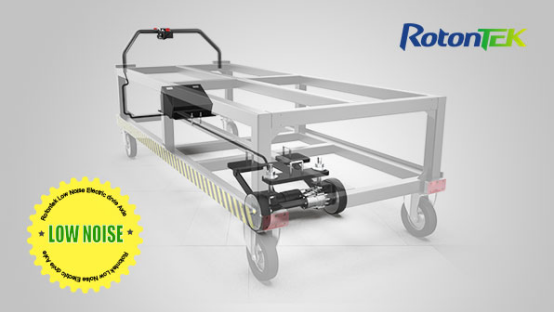
Electric Trolley Power Drive Kit for Cold Chain Logistics

Extreme cold-chain environments, ranging from -25°C to 4°C with high humidity, pose severe operational hurdles. Traditional manual handling is not only inefficient under such conditions but also exposes workers to significant health and safety risks, including frostbite and slips caused by ice or condensation.

Consequently, the criteria for selecting handling equipment have evolved: it is no longer just about ‘labor-saving’ features. A dedicated power drive kit capable of reliable operation in harsh cold has now become a mission-critical necessity.

How Rotontek Power Drive Kit Addresses These Challenges

Cold chain operations range from lightweight pharmaceutical picking to heavy-duty industrial pallet movement.

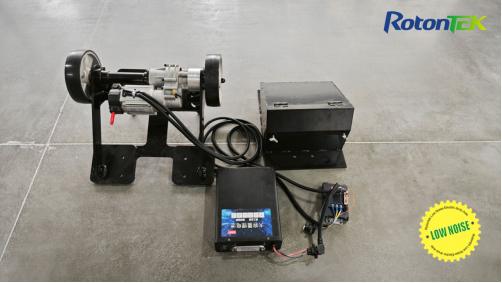
Our electric trolley power drive kit is not merely a standard drive with added insulation; it is a comprehensive technical response to the physics of intense cold and high humidity. With load capacities ranging from 100kg to 10 tons, we ensure that every power-assist system is precisely matched to its specific application.

Challenges of Cold Chain Logistics for Power Drive Kit 

1. Thermal Impact

  • Battery Performance Degradation: Low temperatures inhibit electrochemical activity, drastically reducing operational runtime and causing voltage instability, which directly undermines equipment reliability.
  • Increased Mechanical Resistance:The viscosity of lubricants rises sharply in the cold, forcing motors to overcome significantly higher internal friction during startup. This not only increases energy consumption but also accelerates premature wear of the motor assembly.
  • Electronic Component Failure:Standard electronic components, such as capacitors and semiconductors, have limited operational temperature ranges. Prolonged exposure to sub-zero cold can induce parameter drift and lead to outright functional failure, risking a complete system shutdown.

2. Condensation

Moisture in warm air rapidly condenses into water droplets upon contact with cold equipment surfaces. These seemingly tiny droplets can cause serious damage to the drive system.

The risk of short circuits is the most direct threat. Condensed water ingressing into electrical connections or circuit boards can lead to equipment failure or even cause safety incidents.

A consistently humid environment accelerates the oxidation and corrosion of metal components, particularly at contact points between different metals. This corrosion can weaken structural integrity and shorten the lifespan of the power assist systems.

3. Slippage

Cold chain warehouse floors often become exceptionally slippery due to frost or water accumulation during defrosting cycles. Managing heavy loads under these conditions poses a severe challenge to stability control.

Conventional electric trolley power drive kits frequently fail to provide sufficient and controllable traction on such surfaces, which can easily trigger wheel spin, vehicle deviation, or even the overturning of cargo.

4. Noise

Cold chain warehouses are typically enclosed or semi-enclosed spaces, an environmental characteristic that makes noise issues particularly prominent. Prolonged exposure to such an environment exacerbates operator fatigue, diminishes attention and reaction capability, and indirectly heightens accident risks.

In addition, excessive equipment noise may drown out verbal communication and safety warning signals, impairing operational coordination and emergency response efficiency.

How Rotontek Power Drive Kit Addresses These Challenges

Cold chain operations range from lightweight pharmaceutical picking to heavy-duty industrial pallet movement.

Our electric trolley power drive kit is not merely a standard drive with added insulation; it is a comprehensive technical response to the physics of intense cold and high humidity. With load capacities ranging from 100kg to 10 tons, we ensure that every power-assist system is precisely matched to its specific application.

1. Low-Temperature Optimized Brushless Motors

  • Specialized Materials & Processes:The motor incorporates low-temperature-resistant permanent magnets and specialized insulation, effectively averting demagnetization and insulation embrittlement under rigorous cold environments.
  • Stable Torque Output: Paired with dedicated low-temperature lubricants, our power drive kit overcomes increased internal friction to deliver constant, reliable torque even under heavy-load conditions.

2. Comprehensive Moisture and Corrosion Protection

  • Resilient Materials:Critical structural components are treated with industrial-grade anti-corrosion coatings or manufactured from high-grade stainless steel to eliminate rust at the source.
  • Hermetic Sealing: All wiring interfaces and electrical connectors utilize high-standard waterproof seals, shielding against moisture ingress (condensation) that often leads to electrical failure.
  • Industrial Protection Rating:The entire power drive kit meets IP54 or higher standards, safeguarding internal sensitive circuitry against melting frost or high-humidity environments.

3. Sophisticated Control Algorithms

  • Soft-Start Technology:The controller features a “Soft-Start” function that ramps up power output linearly. This mitigates excessive initial torque from overwhelming the grip of the tires, effectively avoiding wheel spin on icy surfaces.
  • Anti-Slip Logic: By integrating a proprietary anti-slip algorithm, the system monitors motor feedback in real-time. If traction loss is detected, it instantly adjusts torque output to maintain smooth, safe acceleration and deceleration, preventing cargo from overturning on treacherous floors.

4. Whisper-Quiet Operation

Recognizing the acoustic challenges of enclosed, reflective cold storage spaces, Rotontek has optimized the gear geometry and electromagnetic switching frequencies of the drive system.

By minimizing high-frequency vibrations and mechanical friction, the kit operates at substantially suppressed decibel levels, alleviating operator fatigue and improving overall workplace communication.

Daily Maintenance Points for Cold‑Chain Environments

Proper maintenance is vital to preserve the performance and longevity of your Rotontek power drive kit in harsh cold-chain conditions.

1. De-humidification Procedure

When moving the equipment from a cold warehouse to a warmer area, always place the entire power assist system in a dry, ventilated spot and allow for acclimatization for at least 30 minutes. Assure all surface condensation has evaporated completely before charging or inspection.

2. Key Points for Regular Inspection

Implement a dedicated inspection schedule for the power drive kit, focusing on: tyre wear (to maintain traction), the seal integrity of all cable interfaces (to block moisture), signs of corrosion on structural parts (especially welds and joints), and the lubrication level of moving components.

3. Battery Maintenance Guidelines

Battery care for the power drive kit requires special attention:

  • Charging Temperature: Avoid charging in extreme cold. The recommended ambient temperature is 0 °C or higher.
  • Charge Cycle:Follow the “shallow charge–shallow discharge” principle, maintaining charge levels between 20% and 80% to optimize battery health.
  • Long-Term Storage: If the equipment will be idle, remove the battery and store it separately in a dry, temperature‑controlled environment.

Conclusion

The extreme nature of cold-chain logistics environments places exceptionally rigorous demands on equipment. Our Rotontek electric trolley power drive kit offers a robust answer to the challenges of the freeze. By integrating specialized engineering with intelligent control, it truly achieves reliable, efficient, and safe operation under the most extreme conditions.

The Core of Electric Mobility: Understanding the Motor Control in EV Systems

The rapid global shift toward electrification is not just a trend; it’s a fundamental change in how the world moves. At the heart of every Electric Vehicle (EV)—from the smallest mobility scooter to the heaviest industrial transport—lies the motor control system. It is the critical technology that translates the driver’s intent into precise, efficient motion. Without a sophisticated control system, the potential of the electric motor remains untapped.

At Rotontek, we specialize in the complete electric drivetrain solution, recognizing that the efficiency and performance of an EV are determined by the synergy between the motor, the gearbox, and, most importantly, the controller. Our focus is on providing robust, high-precision components for OEMs, manufacturers of low-speed electric vehicles, material handling equipment, and specialized industrial automation applications. This article provides a deep dive into the function, components, and significance of this crucial EV technology, highlighting how our integrated systems drive better performance.

The Brain of the Drivetrain: What is Motor Control in EV?

The EV motor control unit (MCU), often simply called the motor controller, is the electronic brain that manages the flow of electrical energy between the high-voltage battery pack and the electric motor. Its core function is to regulate the speed, torque, and direction of the motor based on inputs from the vehicle’s accelerator, brake pedal, and other sensors.

In simple terms, an EV motor is typically an AC motor, such as a Permanent Magnet Synchronous Motor (PMSM) or an Induction Motor, or a BLDC motor (Brushless DC). However, the vehicle’s battery stores power as Direct Current (DC). The motor controller’s primary task is to act as an inverter, converting the battery’s DC power into the variable frequency, variable voltage Alternating Current (AC) required to spin the motor. This real-time, high-speed conversion is what allows for smooth acceleration, deceleration, and energy management.

The Essential Functions of an EV Motor Controller

A modern motor control unit does far more than just turn the motor on and off. It performs several critical functions vital to an EV’s operation and overall efficiency:

Power Conversion and Control: It uses power electronic components, like MOSFETs or IGBTs, to rapidly switch the DC current, creating the necessary AC waveforms for the motor. Advanced control algorithms, such as Field-Oriented Control (FOC), enable separate and precise regulation of the motor’s torque and flux, maximizing efficiency across all operating speeds.

Torque and Speed Regulation: The controller continuously monitors motor and vehicle parameters, adjusting the current to meet the driver’s command. Whether the vehicle is starting up, climbing a hill, or maintaining a steady cruise, the controller ensures a smooth and immediate response.

Regenerative Braking: This is a key feature of electric mobility. When the driver slows down, the controller reverses the process. It allows the motor to act as a generator, converting the vehicle’s kinetic energy—which would otherwise be wasted as heat in friction brakes—back into electrical energy and sending it to recharge the battery. This feature significantly enhances a vehicle’s range and longevity.

Protection and Diagnostics: The MCU constantly monitors temperature, current draw, and voltage to protect the expensive motor and battery components from overload, short circuits, and overheating, ensuring the system’s longevity and safety.

Enhancing Performance with Rotontek’s Integrated Solutions

Achieving optimal EV performance is not about buying separate, standalone components—it’s about seamless integration. Our philosophy at Rotontek is to deliver complete, optimized systems. Our expertise goes beyond the motor itself, focusing on the sophisticated integration that defines a truly efficient vehicle.

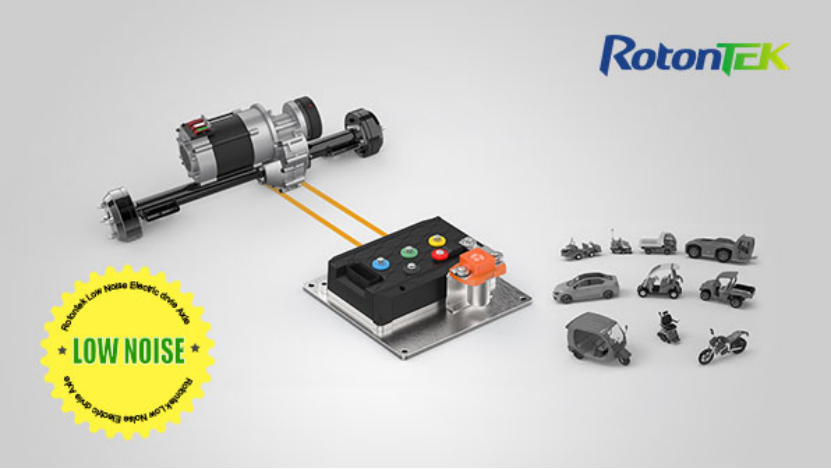
We offer a range of comprehensive drive systems, including our high-performance transaxles and integrated drive axles, which bundle the motor, gearbox, and often the controller, into a single, compact unit. This integrated design is essential for manufacturers of vehicles where space and weight are critical constraints.

Take, for example, our permanent magnet brushless transaxle series, which are designed to support a wide range of low-speed electric mobility applications, from small electric tugs to golf carts. The 800W Permanent Magnet BLDC Transaxle ND42 800 is a prime example of our commitment to integrated quality. This specific transaxle is a single, robust unit, combining a high-efficiency brushless DC motor and a differential. It offers an impressive Rated Power of 800W and delivers a Rated Torque of 102.7Nm /57.9Nm, perfect for applications requiring reliable low-speed, high-torque operation. With a customizable operating voltage ranging from 24V to 48V and a low-noise design, it is engineered for long-lasting, low-maintenance performance.

The Future of Electric Drive is Precision Control

As the electric vehicle market matures, the demand for a more precise and efficient motor drive for electric vehicle applications will only increase. Our partners require not just power, but control—the ability to fine-tune energy consumption, maximize regenerative energy capture, and ensure a low noise signature for better operational environments.

The continuous evolution of power electronics allows us to push the boundaries of energy efficiency. The advanced control algorithms within a Rotontek system ensure that our motors operate at their peak efficiency, minimizing heat waste and extending battery life. By providing a scalable series of motor and transaxle combinations—from 150W low-power units to heavy-duty 20KW solutions—we ensure that our partners can select the optimal, ready-to-integrate system for any electric mobility platform.

Conclusion

The motor controller is truly the intelligence of the electric powertrain, and its quality dictates the vehicle’s success. By choosing Rotontek as your partner, you are securing a commitment to engineering excellence, optimized for the next generation of silent, powerful, and efficient electric vehicles.

What is a DC Linear Actuator?

Understanding what a DC linear actuator is helps you make an informed decision for your application. As a supplier, we know that selecting the right component is crucial for the performance and reliability of your project. This article explains the fundamental principles of how these devices function. This knowledge empowers you to specify the correct actuator for your needs.

Electric Motor Movement

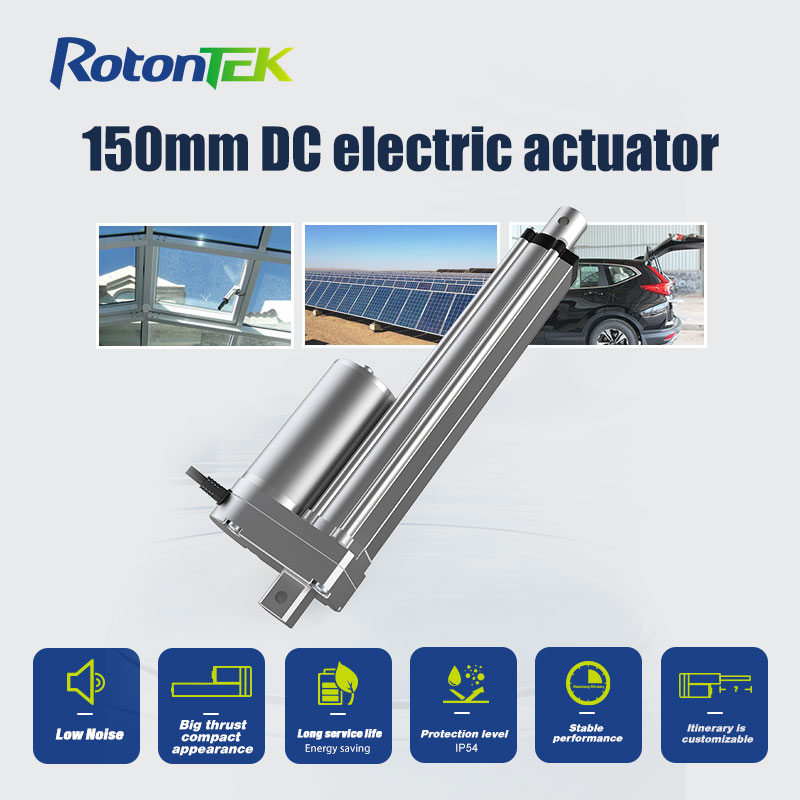
A DC linear actuator fundamentally begins its operation with an electric motor powered by direct current. This motor generates rotational force, which is the primary source of movement for the entire device. The use of DC power is common due to its compatibility with batteries and simple control systems, making these actuators suitable for mobile and low-voltage applications. To transform this rotary motion into a straight line, or linear, motion, an internal mechanism is required. This is typically achieved through a lead screw or a gearbox assembly that efficiently converts the spinning action of the motor’s shaft. The controlled nature of this conversion allows for precise positioning and repeatable movement, which is essential in many automated tasks. For more detailed information on the components of a dc linear actuator, you can consult technical resources that explain the interplay between the motor and the mechanical transmission inside the unit.

Linear Motion Device

The core function of this device is to provide controlled linear motion, which is a push or pull action in a straight line. This is distinct from the rotational motion of a standard motor and is necessary for applications requiring lifting, lowering, sliding, or tilting. The mechanism inside, often a screw that travels through a nut, is responsible for this precise conversion of motion. The design ensures that the force generated by the motor is effectively translated into linear force, known as thrust. This thrust capability determines how much weight the linear actuator can move. The entire assembly is usually housed within a protective casing, which safeguards the internal components from dust, debris, and other environmental factors that could affect its performance and lifespan. This makes the device a self-contained unit ready for integration into various systems.

Rod Extension and Retraction

The most visible part of the actuator’s operation is the extension and retraction of a rod, often called the thrust tube. This rod is connected to the internal mechanism that converts the motor’s rotation. When the motor turns in one direction, the rod is pushed outward, extending from the main body of the actuator. When the motor’s direction is reversed, the rod is pulled back inward, retracting into the body. The distance the rod travels is known as the stroke length, a key specification for any application. The speed of this movement is generally determined by the motor’s RPM and the pitch of the lead screw. By electrically controlling the polarity of the DC power supplied to the motor, users can precisely command the rod to extend, retract, or stop at any point within its stroke, enabling automated and repeatable linear positioning.

Conclusion

A DC linear actuator is a transformative component that brings automated, precise linear motion to countless applications. Its value lies in its electromechanical simplicity, controllability, and adaptability across diverse industries. Whether for an industrial machine or a consumer product, selecting a well-engineered actuator is crucial for system integrity and user satisfaction. For those seeking reliable motion solutions backed by direct engineering support, we invite you to explore the specifications and capabilities available through Rotontek.

Which is Better, Hydraulic or Electric Leveling Jacks?

Choosing the right leveling jacks for your RV is a critical decision that impacts stability, safety, and convenience. As a supplier, we understand that the choice between hydraulic and electric systems involves weighing factors like power, speed, and long-term maintenance. This article provides a factual comparison to help you understand the core differences. Our goal is to equip you with the knowledge to select the system that aligns with your specific needs and travel style.

Hydraulic Versus Electric Jack Operation

Understanding the core operational difference is key. Hydraulic jacks use fluid power, typically from a pump connected to your vehicle’s battery or power steering system, to create immense lifting force. They are powerful but introduce complexity with hydraulic lines, fluid reservoirs, and potential maintenance from leaks. Electric jacks, conversely, utilize a 12V DC motor to drive a mechanical screw or gear system. This design offers more precise, individual leg control at the push of a button without hydraulic fluid. For many users seeking a cleaner, more straightforward installation with less long-term maintenance, an electric leveling jacks for travel trailer system presents a compelling case, reducing points of failure and offering consistent performance.

Electric Jacks for Trailer Leveling

The shift towards electric systems is driven by tangible user benefits. Electric jacks provide independent control, allowing you to micro-adjust each corner of your trailer, which is invaluable on uneven terrain. There’s no need for a central hydraulic pump, simplifying installation and freeing up space. The direct-drive mechanism is generally quieter and faster for routine stabilization. When considering an upgrade, it’s wise to look at integrated systems from established manufacturers. For instance, choosing a robust electric jack from Rotontek means investing in a system engineered for durability, with features like thermal overload protection and corrosion-resistant components designed for the rigors of the road.

Rotontek Leveling System Specifications

Rotontek’s engineering focus is on delivering reliable and user-centric leveling solutions. Their systems are built with high-torque, low-noise DC motors capable of significant lifting capacity to handle various trailer weights. The gearboxes are precision-machined for smooth operation and long service life. We appreciate that their design philosophy emphasizes ease of use and installation, with clear wiring harnesses and mounting hardware included. With operational bases in Boca Raton, Florida, and Zhongshan, Guangdong, Rotontek combines global R&D with localized support, ensuring that both individual consumers and business partners have access to product information and technical assistance when needed.

Conclusion

The choice between hydraulic and electric often comes down to prioritizing simplicity, control, and lower maintenance. For many modern RV and trailer owners, electric systems offer a favorable balance. They eliminate the concerns of hydraulic fluid leaks and provide the precise, independent leveling that makes setup quicker and more accurate. When evaluating options, we recommend considering the total value—reliability, support, and thoughtful engineering—offered by providers like Rotontek to ensure your investment brings peace of mind for seasons to come.