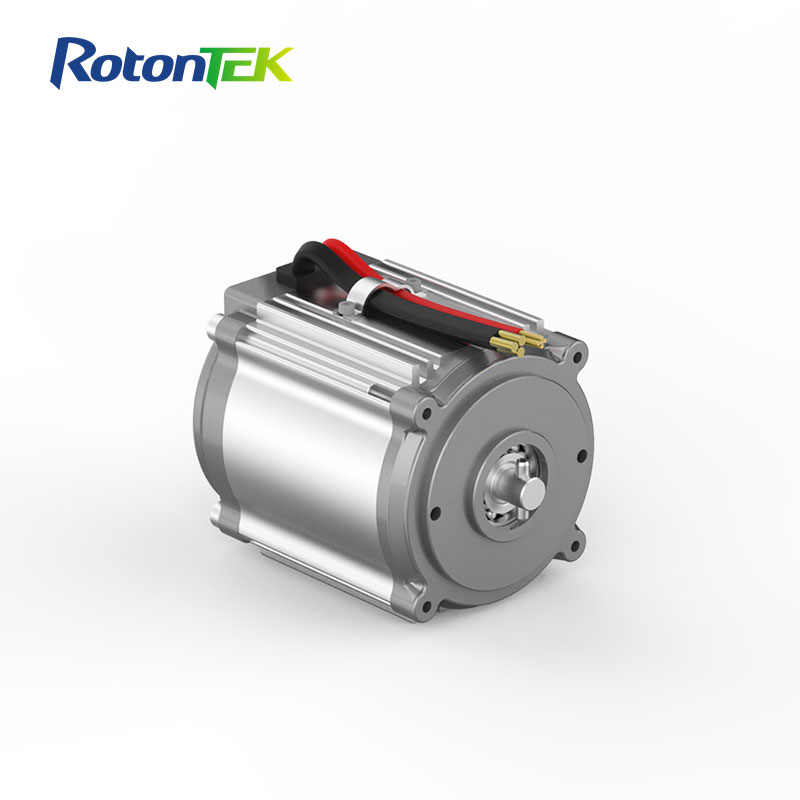
When selecting a PMSM motor, power ratings are a very important factor to consider as they reflect the ability of a motor. In general, the 500W motor-type may be applicable for lighter applications since it allows for higher efficiency and more space. In contrast, the 800W motor guarantees more torque or speed and, consequently, a higher output that may only be required in cases of high inclinations or heavier load conditions. In other words, a given power rating should generally correspond to the demand of a particular application to avoid unreasonable output types.
VS
Selecting the Right Controller
Matching Controllers with Motor Power and Features
Selecting a suitable controller involves ensuring its compatibility with the motor’s power and features, as well as the support of the motor’s requirements. As the ID200 controller can support different voltages of 24V, 36V, and 48V, it is suitable for a variety of power settings, which makes it an efficient match for both 500W and 800W motors. The product can provide up to 30A of continuous current for 60 minutes and can be overloaded to up to 60A for shorter periods, allowing its application in demanding situations. As the controller also features CAN and SCI communications, it allows for sophisticated control methods and can be integrated into modern management systems.
Detailed Overview of ID200 Series DC Brushless Controller
The ID200 series is designed to provide conscientious and comfortable users with mobility that the controller works free from noise or vibrations.The device’s power is valued at up to 75A of peak current for 10 seconds, resulting in potent and highly responsive operation. It supports PWM switching at 16 kHz, which ensures its quiet and smooth operation required for user comfort. In addition to its high-engine power, the controller is also equipped to meet a variety of safety requirements. It complies with the EN 12184, EN 55022, ISO7176-14, and IEC 801 Standards and can support its users in various environments. The device can be operated at the temperatures of -25°C to +50°C, which corresponds to the range of climates users can be expected to encounter.
Compatibility Considerations for Motor and Controller Pairing
Electrical Compatibility: Voltage and Current Requirements
The most important compatibility consideration between a motor and controller is electrical nature is the voltage requirement. The ID200 system can operate with a variety of voltages, supporting 24V, 36V, or 48V. The 800W motor I have selected functions within the same 24V/36V/48V range, so the compatibility is guaranteed. The motor would be mechanically incompatible with a system requiring a different voltage because of the manufacturing limits. The ID200 controller’s maximum continuous and intermittent current rating is 30A and 60 A, respectively. This is an adequate amount for both the 500W and the 800W motor, although the compatibility is not a direct factor because their currents are within the range.
Mechanical Integration: Size and Mounting
Both the motor and the controller need to fit seamlessly within the framework and must not interfere with the vehicle’s operation. Ensuring that these components can be mounted on standard mounting points and that they utilize compatible connectors, such as the MKG connector type with a standard pitch, are crucial aspects of mechanical compatibility. These features guarantee that components can be easily assembled and integrated.
The controller’s casing plays a vital role in protecting the component from mechanical shocks that occur during movement. Proper mounting is essential not only for protection but also for facilitating ongoing heat dissipation. Efficient heat management contributes significantly to the motor’s performance and to the longevity of all involved components, thus ensuring optimal functionality across a variety of applications.
Performance Optimization
Optimizing Motor Performance for Specific Applications
It is constantly crucial to choose a PMMS that matches the power needs of an application. Additionally, the preference should increase user satisfaction. Thus, the performance of the given system can be relatively higher; moreover, the device will have to attract users limited by size and opportunities. On the contrary, another motor may be an 800W option. It increases the given parameter twice, and such a wheel can be regarded effective in other scenarios not requiring additional speed and torque. In other words, outdoor uses or heavier users are different, and an 800W motor will meet the demands of the aforementioned scenario. The main decision requiring a preferential process is the deceleration rate or the rate of acceleration.
Installation Guidelines
Step-by-Step Installation Process for Motors and Controllers
To install a PMSM motor and the corresponding controller, the following details must be appropriately considered. The motor and the controller must be compatible with specifications and requirements based on voltage and current. The PMSM motor should be mounted, ensuring that it is firmly attached without mechanical stress and appropriately aligned. The motor should then be connected to the ID200 controller, and the cable or wire gauge and type used to connect the two should be able to handle the expected load. The wires should be connected based on the schematics explained in the manual. The user’s targeted operational features, including speed and acceleration, must be saved according to the user’s needs. However, each should then be tested separately to ensure the settings are appropriately saved and are functional.
EZGO electric transaxles are among the main units essential for the operation of electric golf carts and utility vehicles. As products designed to provide a vital level of torque and speed control needed to operate, they can perform at their best in various loads and terrains. Beyond the sphere of leisure, EZGO transaxles can be found in various settings, offering their efficiency and durability to a greater electric vehicle market.
Types of EZGO Electric Transaxles
EZGO Electric Transaxles can be grouped into several types, each designed for an appropriate level of performance and various vehicle models. Series electric transaxles are known for their exceptional torque. They are best suited for hilly terrains and greater loads. On the other hand, PDS transaxles contain additional features of speed control and great energy savings. The correct identification of the type of EZGO transaxle in the given electrical cart or vehicle provides additional benefits for troubleshooting and maintenance with Rotontek.
Common Usage Scenarios
Electric transaxles might be most commonly used in golf courses, where they contribute to the smooth handling and control of golf carts and electric vehicles in the surrounding areas. In addition, in large estates and industrial facilities, they help workers to maintain a steady speed and navigate type-specific terrains at an appropriate level of safety and effectiveness. Consequently, the knowledge of the most common usage scenarios can help in identifying potential problems and offering the right solutions from the part catalog in a timely fashion.
Identifying Common Problems in EZGO Electric Transaxles
Speaking about maintaining the optimum performance of EZGO electric transaxles, one should discuss the importance of identifying early signs of trouble, which can save both time and money. The maintenance demands the fast recognition and precise troubleshooting that reconditioners demonstrate in their work.
Symptoms of Failing Transaxles
The most obvious symptoms of an EZGO transaxle’s failure include any grinding or clicking noise, decreased acceleration, and a considerable loss of power. For instance, if a transaxle makes the grinding noise, the operator is likely dealing with worn-out bearings or a transaxle that lacks proper lubrication. When it takes time for the vehicle to accelerate, one is witnessing the faulty performance of a transaxle’s electric components or an alignment issue in the drive system . In both cases, it is vital to identify these symptoms and take action as soon as possible to prevent more severe damage that would substantially increase the cost of repairs.
Diagnostic Tools and Techniques
When it comes to specialized tools for the diagnostics of EZGO electric transaxles, one should talk about the multimeter, which is critical to measuring the electrical continuity and voltage outputs of any transaxle. In addition, with the help of an infrared thermometer, one can identify the overheating issues that usually imply friction problems or the abuse of a transaxle. When both of these tools should be utilized for a narrow consideration, an ideal approach to the mean would be to connect the vehicle to a diagnostic scanner for understanding the real-time performance of a transaxle and isolating one’s particular malfunction. Overall, these tools help to evaluate the condition of a transaxle and identify the necessary corrective actions with Rotontek products.
Using Rotontek Products to Fix Transaxle Problems
Rotontek is constantly developing new products that can solve the most common problems with EZGO electric transaxles, keeping your vehicle in good condition. This brand has sophisticated solutions that are designed to challenge and solve everyday issues. All Rotontek products are aimed at increasing the longevity of electric transaxles. This brand combines an already advanced technology with a simple application.
Overview of Relevant Rotontek Products
Rotontek has a full range of high-quality replacement parts specifically designed for EZGO transaxles. The synthetic grease developed by the brand significantly reduces friction and wear on moving parts, thus extending the transaxle’s service life dramatically. Rotontek also produces an upgraded motor controller and wiring harness which not so much replaces the bypassed or burned-out part as it functions with improved capacity and performance in general. All products are made by the brand under the control of highly qualified engineers and is generally of very high quality, far exceeding the permissible standards.
Installation and Repair Instructions
Installing Rotontek products involves a sequence of specific actions that will ultimately result in the correct operation of the device. The first, most important, and at the same time, the simplest action, is to disconnect the battery to ensure absolute security in the installation process. For example, when replacing a bearing, the transaxle assembly must be removed to access the bearing. Then a bearing puller is used to remove the old bearing safely. It is very important to properly seat a new Rotontek bearing. Of course, the replacement process may frighten newcomers. However, Rotontek has very clear video instructions, as well as short written manuals with clear step by step. Having carefully studied the training material, even the most inexperienced user will be able to cope with the repair process. These instructions have always been worthy of consideration, as all repairs are effective only if they are performed correctly.
Maintenance Tips for EZGO Electric Transaxles
In order to make your EZGO electric transaxle serve you for many years and work effectively, it is crucial to keep it in good conditions. I can offer you to follow these maintenance tips to increase the lifespan of your transaxle and avoid high charges on its repair or replacement.
Regular Maintenance Schedule
It is better to use a regular maintenance schedule to keep your EZGO electric transaxle in good conditions. Every six months or 250 hours of operation, you should check and replace its fluid. It is crucial to provide your transaxle with proper lubrication to keep your tool functioning effectively. Moreover, you are to check the transaxle for wear or damage, including such sings as leaks or noisy operation. Also, it is important to keep the air venting system clean and free of debris to prevent issues associated with overheat and mechanical wear. The regular maintenance schedule will help you identify minor problems and fix them before they grow larger.
Tips for Long-Term Transaxle Health
To make your EZGO electric transaxle serve you for a longer period of time, you may take a few other steps. For instance, you should always use high-quality replacement parts when fixing your transaxle to make them compatible with your tool. I recommend you using replacement parts offered by Rototek. also should not fill your vehicle with unnecessary items, as they may overload your transaxle. I also advise you o monitor your vehicle’s alignment and tire pressure to make sure the components of your transaxle are not unnecessarily strained. Unlike many people, you follow these simple tips to extend the lifespan of your EZGO electric transaxle on a daily basis.
Troubleshooting Noise or Grinding Sounds in EZGO Electric Rear Axle
EZGO electric golf carts are generally quite and produce very limited noise. However, anytime you hear a fairly loud and weird noise emanating from the part located at the back of an electric golf cart, it’s certainly the rear axle. Noise in this part can emanate from the bearings, gears, differential or from the shaft which rotates the wheels. Below are some of the steps to ensure no noise is emanating from the EZGO’s rear axle:
Inspect for Debris: Ensure the stones, debris or any foreign item on the rear axle and differential are not present. Always check for places that are difficult to see using the finger and mirror. Sometimes, stones and small chunks of dirt can get stuck to the mechanics thereby ensure the stones are removed.
Ensure Proper Lubricant : Ensure the rear axle, and the differential has a uniform greased color and it is not too dry or extremely dirty. For an Ega cart, utilize a lithium based grease for optimal utilization. Ensure the grease is completely up to the bearings and the axle and also a small portion should ooze out. Adding grease to the bearings and gears helps uniforms the port thus the metal contact on metal will thus minimize noise.
Examine Bearings and Gears: Check for some pits, scores and bearing’s shards all-round and the gears for extra shard. Always ensure any worn out gear or bearing is replaced and replaced only with what the manufacturer recommends. Make sure the old parts have been replaced with the new ones.
More Tips
Ensure the rear axle area is routinely clean and examine the part to ensure debris does not accumulate and no wear on the part.
Drive the cart after servicing the part and ensure the speed is moderate.
There are many reasons why such abnormal sound emanates from the EZGO but by ensuring the above items are followed and their effect well taken into considerations, no noise will be heard from the EZGO’s rear axle.
Troubleshooting Difficulty in Moving or Jerky Movements in EZGO Electric Rear Axle
Battery Check:
Ensure that all batteries are working properly- each one should hold a charge and be connected. EZGO carts usually run off six batteries that all need to checked. To see if a battery is fully charged, use a voltmeter. A good battery should show a reading of about 12.6 volts or above. If any battery is below 12 volts, it is defective and needs replaced. As well as voltmeter, one could check the specific gravity of a battery’s cell with a hydrometer. It should read above 1,250-1,280; if it is lower, the battery is either weak or undercharged and can be another cause of erratic driving.
Motor connections’ cleaning.
Check for corrosion off all connections to the motor- these should be clean, tight and not corroded. Clean corroded terminals with wire brush and secure all connections. If wires are frayed, repair or replace them as soon as possible. Sometimes, batteries may leak and make the connections corrode. All loose connections can make the motor work erratically. Secure the motor as well other loose attachments by tightening them.
Inspecting the axle shaft.
Sometimes, jerking of steering indicates that the axle shaft may be bent. Visually look over the axle shaft. Make sure it is not cracked and does not look bent or worn. If it is, replace it with the original equipment manufacturer axle shaft. Install it, making sure it is properly aligned and that all bolts are tightened to the manufacturers’ requirements.
Additional tips:
Calibrate the battery charger occasionally.
After reconnecting the motor’s wires, run the device at low speeds for a few second to make sure that everything was hooked up properly.
If there are any doubts still, an electronic controller can be checked for defects.
Troubleshooting Leaking Fluid in EZGO Electric Rear Axle
Specifications of the LD62 Series:
Model No.
Rated Voltage
LD62-823-3000
DC 48-72V
LD62-823-4000
DC 48-72V
LD62-823-5000
DC 48-72V
Rated Power
Gear Ratio
3000W
1:12.79 1:16
4000W
1:12.79 1:16
5000W
1:12.79 1:16
Motor Efficiency
Motor Diameter
92%
Ø176
Brake Torque
Noise (db)(A)
25Nm
≤54
46Nm
≤54
How to Check for Differential Fluid Leaks in an Ezgo Electric Golf Cart
Ensure that the differential is not leaking at first. To do this, take your EZGO cart to a clean parking spot and wait for a few hours. Later on, look underneath for any wet spots or signs of dripping. Next, check the fluid levels by looking into the fill hole; the fluid must be flush with the bottom of this hole. Purchase any recommended gear oil for this particular model and inch it up until you reach the appropriate oil level through a funnel that is clean and oil that is uncontaminated.
Inspect the Seals for Leaks
Inspect the axle’s and differential’s seals for any kinds of aging. Look for visible signs of wear and tear, for example, being brittle, cracked, or deformed. Every one of these seals should be replaced for any seals that have been compromised. The area must be cleaned before one tries to go ahead and install the new seals. By doing this, you will guarantee that the seal will not only be efficient but that none of the dirt will enter the system. Use any seal that is an exact match for your particular EZGO model for a perfect and tight fit.
General Tips
The differential fluid needs to be checked quite regularly and be free from any kind of debris; look for a clear, slightly yellow color, not for a muddy or an opaque white color. Lastly, these are some of the several measures that will prevent the leaks. Lastly, one must replace any cart parts before taking the EZGO for a road test.
Troubleshooting a Non-Moving EZGO Electric Cart
Electrical Checks
First, test the solenoid, which is the electric switch to the motor. To do this, use a multimeter to check for continuity on the switch. Listen for a clicking sound when you press on the accelerator pedal, and if there is no sound or no continuity, consider replacing the solenoid.
Next, test the controller, which is in charge of regulating the speed and torque of the electric motor . Ensure that the all wires connected to the controller are attached correctly and are not corroded or damaged. Use the multimeter to test it by checking whether the readings display are the correct one coming in and going out as the voltages. For many carts, a faulty controller can prevent any movement from the motor; hence, consider replacing it.
Verify Axle Connection
Finally, check on the connection between the axle and the motor. The input shaft of the motor should be fully connected to the output of the axle. The golf cart is made to be used under any terrain, so the axle, the motor, and any connection made between the two will have absorbed any vibration or used from the machine and might have loosened any bolt or coupling , so the first step is to ensure all connection parts between the motor and the axel are tighten in their recommended specification to make the power transfer from the motor to the wheels is fast.
Additional Tips
You should keep the battery terminals clean and tighten all connection to ensure your system gets the right electric power. Also, after repair, ensure you make a low-speed test in a controlled environment to ensure the repairs work as required. Finally, many of these problems can be prevented and yearly maintenance, inspection, or other form of servicing of the EZGO cart. By looking at the key areas with care, you will diagnose and fix the reasons your EZGO cart is not moving.
Troubleshooting Overheating in EZGO Electric Cart's Rear Axle
Increase ventilation in the rear axle area to ensure it does not overheat during prolonged use or high loads. Find out if there is any form of blockage or debris that could be interfering with the airflow around the motor or axle. EZGO carts with a canopy are common; if the same applies to you, ensure the canopy has a sufficient number of ventilation holes. Consider replacing the canopy with one with better airflow characteristics. The checking process and adjustment can help improve how much airflow reaches the motor and the axle, thereby reducing thermal buildup.
Assess the situation
Evaluate how much weight your cart is carrying at the moment against its load capacity. Some carts have a maximum weight of 2,000 lbs, such as my EZGO golf cart. Overloading my cart should apply pressure on the axle and the motor, causing them to overheat. Reduce the load to 1,000 lbs or thereabouts to be certain the weight is not exceeding the cart’s load capacity. Alternatively, make several trips with a smaller load on the cart. If you travel with large load sizes often, upgrade to a cart with a higher load capacity. For instance, carts available for hire at golf courses have higher weight capacities than personal models.
Other tips include:
Inspecting and cleaning any motor controller’s heat sinks. Accumulated dirt insulates the heat, making the heat sinks unable to eliminate the excess heat reaching the motor.
Adding more fans to the area or upgrading the current cooling system.
Constantly monitoring the axle’s heat levels, especially on hot days and when hauling large loads, to determine whether overheating is a common problem.
These practical steps should help reduce the chances of overheating, a leading cause for cart motor and axle damage.
In case you have done everything you were advised to do and your EZGO electric cart’s rear axle keeps overheating, experts may help you. Contacting the EZGO after-sales service is the first source of information regarding the specificities of your model and the probable repairs. Another approach is to look for axle solutions by Rotontek. This manufacturer has long proven the reliability and new opportunities for axles they offer, mainly related to their performance capabilities.
Axle from Rotontek will better dissipate the heat of your carrier engine protecting it from damage. Moreover, it will also withstand much more load, which seems to be a powerful impulse for trying it if your current system is constantly overloaded. Designed out of avant-garde materials and in accordance with cutting-edge engineering ideas and technologies, a drive axle from Rotontek will not need quick replacement. This solution may easily be described as a partner for life in terms of the cart’s durability and performance. Thus, a nuclear-heat-dissipating Rotontek drive axle will be the best answer to your problem, completely resolving it and reinforcing the carrier’s general drive system at the same time.
Consulting Professional Help or Exploring Rotontek Options
In case you have done everything you were advised to do and your EZGO electric cart’s rear axle keeps overheating, experts may help you. Contacting the EZGO after-sales service is the first source of information regarding the specificities of your model and the probable repairs. Another approach is to look for axle solutions by Rotontek. This manufacturer has long proven the reliability and new opportunities for axles they offer, mainly related to their performance capabilities.
Axle from Rotontek will better dissipate the heat of your carrier engine protecting it from damage. Moreover, it will also withstand much more load, which seems to be a powerful impulse for trying it if your current system is constantly overloaded. Designed out of avant-garde materials and in accordance with cutting-edge engineering ideas and technologies, a drive axle from Rotontek will not need quick replacement. This solution may easily be described as a partner for life in terms of the cart’s durability and performance. Thus, a nuclear-heat-dissipating Rotontek drive axle will be the best answer to your problem, completely resolving it and reinforcing the carrier’s general drive system at the same time.
To choose the right BLDC motor, assess the required torque (e.g., 10 Nm), power (e.g., 2000 watts), and the optimal efficiency (e.g., 90%) for your specific application.
Key Specifications to Evaluate
While choosing a Brushless DC BLDC motor to use, it is important to consider several of its major specifications. These, in turn, do not only directly affect a number of applications they may be used at but, first and foremost, compatibility with them and long-term durability. For instance, power and torque requirements could be determined at first.
Power and Torque Requirements
BLDC motor requirements must start with power and torque requirements. Such data will typically come in watts or horsepower for power ratings and in Newton meters for motors’ torque output. Small BLDC motors typically vary between 750 watts and 3,000 watts of power output and from 0.5 Nm through 20 Nm of torque output. Torque output calculations for some motors used in various applications, such as precision scientific laboratory’s centrifuges, naturally differ substantially from others used in an electric vehicle .
Speed Range and Efficiency
The range of speeds will also have to be considered since the same kinds of BLDC motors may have varying maximum RPMs. At the same time, efficiency at the required speed also matters, since it will affect long-term energy consumption. This kind of data would typically be represented as a percentage, with 85-95% listable on more efficient types. Choose the motor with the optimal efficiency for the required speed, which, for instance, is 3,000 RPM for general industrial purposes and as high as 10,000 RPM for specialized applications. Physical size and weight are also important, especially if portable electronic devices are in question. The type of mounting and a correct footprint of a motor are naturally important for stationary devices, with large form factors typically used in heavy electric vehicle applications.
Durability and Environmental Resistance
If the application involves exposure to harsh environments, such as outdoor or industrial settings, the motor’s resistance to environmental challenges is highly important. It is recommended to use motors with higher IP or Ingress Protection, ratings, indicating the motor’s resistance to dust and water. For example, IP65 motors are dust-tight and protected against water jets and would be ideal for outdoor or wet applications. . Select motors with higher IP ratings for more efficient work in harsh environments. .
Compatibility with Controllers
Since BLDC motors require electronic controllers, it is imperative to choose a motor that is compatible with existing or easily accessible controllers. It is advised to check the motor’s voltage and current requirements and compare them with the characteristics of the selected controllers . In addition, some manufacturers offer matched pairs of motors with controllers, eliminating the issue of compatibility
Cost and Availability
Finally, consider the cost and availability of the motor. While it may be tempting to select cheaper options, it is recommended to balance the cost with the quality and reliability of the motor. It is essential to invest in a motor from a reliable vendor, even if it is slightly more expensive, if performance and support are important. Additionally, it is recommended to consider the lead-times for delivery if the project is time-sensitive.
Consequently, the selection of the right BLDC motor involves a careful consideration of technical characteristics, environmental requirements, and budget limitations. By focusing on the above criteria, it is possible to select a motor that would not only fit but exceed its application.
Assessing Voltage and Power Ratings
When selecting a Brushless DC motor, the two primary parameters that the user has to understand are voltage and power rating. First of all, it is important because these two values provide a foundation to make sure the motor will be able to provide the necessary levels of the performance and efficiency in the target application.
Voltage Requirement
Voltage levels are essential because they specify what kind of power supply would be compatible with the motor. For example, BLDC motors can range widely in their voltage specs from relatively low-voltage devices of 12V or 24V, which are typical of bats supply for the portable tools, to 48V for more powerful portable tools and even up to 310V for industrial appliances. Thus, the first consideration is to ensure that the motor chosen will have the voltage required for the application with a level of safety. For instance, in the case of the robotic arm, the 24V motor will be safe and compatible with the standard controller available on the market.
Power Requirement
Calculating the power demand is important because it directly affects both torque and speed – in other words, how much weight the arm can lift and how fast, it can sweep. For example, the conveyor lifts a load of 100 kg with the speed of 1 meter per second, one has to ensure that the motor will be able to provide the necessary torque.
Load Characteristics
When choosing the motor, it is also important to consider how different subject will do in the conditions of increased loads, and if those are present occasionally, the motor should not go the extremes. Thus, it would be wise to choose the BLDC motor from a reliant manufacturer.
Torque Considerations for Performance
Torque is the actual given force that decides the motor’s required work. When selecting a BLDC motor drive, more weight should be placed on the motor’s torque. The torque specifies the amount of weight the motor can lift. The torque, amount of rotational force, is measured in Newton meters . A reasonable amount of force motors can supply in the operation suggests that the application can be obtained quickly. However, it completely depends on what needs to be operated, lift, move, or anything else.
Defining Torque Needs
One should start with defining the required application torque needs. For example, when it comes to motor in an automated gate’s use, the motor should be ready to give enough torque to open the gate and overcome any friction forces, inertia forces, and others. It would need around 6 Nm to 12 Nm depending on the gate’s size and weight.
Peak Torque vs. Continuous Torque
A motor drive, including a BLDC motor, has the capacity to operate with a high torque level required only when the application’s need is at the starting point. The motors can operate with a reasonable amount of continuous torque when not heated. However, one type of torque is defined to be peak torque, which is the highest point that the required motor can deliver. The motor reaches this point only in the start of the applications, not during the process. While the continuous torque is defined to be the lowest point that can still give.
Torque-to-Speed Ratio
The defining force’s conducted implication is the force-to-speed ratio, which will help to relate the speed and the required force to be determined. For example, mankind typically uses force to lift things, and the higher relation indicates the lower the pace. In turn, the lower relations indicate that higher pace can be achieved. It helps to point to the motors that need to be used. It impacts the speed of the motor. The motors that need a high density of conduct to rotate the motor indicate that high pace can be conducted. In order to point, the developers need to review their application and process to be able to select the right type of motor
Selecting Based on Motor Types and Sizes
Selecting the right BLDC motor involves not only understanding the specifications but also picking the appropriate type and size for your application. There are unique benefits associated with each type and size that can influence the motor’s compatibility with your application and effectiveness.
Understand Different Motor Types
BLDC motors have several types, and each is designed for a specific application. The most prevalent ones are the inner rotor and the outer rotor. Inner rotor motors have a rotor that is surrounded by the stator. These motors are noted for their high speed and dynamic response. Inner rotor motors can work properly in applications that require precise speed control such as in drones or high-speed blowers . They are also used in driving air conditioners, surveillance cameras, and medical pumps. On the other hand, the outer rotor motor has a rotor that encloses the stator. They feature lower speed but with greater torque, and they are thus suitable for low speed, high-torque applications such as in turntables and electric scooters.
Pick the Right Motor Size
A motor’s size is directly proportional to the amount of torque and power generates; hence it is essential to choose the right size in order to achieve optimum performance. Motors are generally referred to by their frame size or diameter. For example, a 28mm diameter motor may be appropriate for a portable power tool. However, for a fast-paced scooter, a 60mm diameter may be the best size because of its high torque output. Choose a size that matches the torque output and the power for your application. Oversizing the motor might increase the load while also increasing weight and energy consumption.
What Does Your Application Require?
Depending on the specific requirements of your application, you might need to use a certain type or size of a motor. If positioning a smaller motor is not a concern, then it will be important to use a smaller, efficient one such as those found in portable medical devices. If positioning a larger motor is not a cause for concern, then you might as well use a larger motor such as that used in driving industrial conveyor belts. The largest motor you can use for this kind of application can provide the highest amount of torque and is designed to handle the high amount of rotation needed to move the super long speeding conveyor belt. It is also common for the motor to not overheat but instead produce continuous torque as it spins round. Make sure the motor, whether small or large in size, is able to handle the load requirements for a significant length of time without eating effectively.
The industrial landscape is evolving, with a sharp focus on sustainability and stringent regulatory demands. Rotontek is at the forefront, engineering solutions that not only comply with the latest environmental standards but also enhance operational excellence.
Rotontek is a new-born brand in the market of industrial automation. We aim to help companies to increase their production efficiency and operational flexibility with the help of new technologies.
Our goal is to become one of the key players in the industry of industrial automation at the global level.
We want to achieve this by continuous technological innovation. We will make manufacturing more clever and environmentally friendly.
Our Mission
At Rotontek, we trust the power of technology. Our primary goal is to design and manufacture intelligent systems that will meet the industrial demands of the future. Our focal points are as follows:
Material Handling Solutions
We offer automated material handling systems designed to minimize manual labor and enhance logistics efficiency. These systems streamline operations and reduce the physical strain on workers, making them ideal for a variety of industrial applications.
Electric Drive Systems
Produced by Rotontek, our electric engine drives are renowned for their efficiency and low energy consumption. Compatible with various types of industrial equipment, they provide reliable performance and significant energy savings.
Hydraulic Units
Our hydraulic units deliver powerful, robust performance along with precision and reliability in operations. These units are essential for heavy-duty applications where high power output and operational accuracy are critical.
Automated Controllers
Our controllers ensure smooth and efficient integration into production processes, optimizing performance and minimizing disruptions. They are engineered for seamless operation, providing control and consistency across various manufacturing activities.
Innovative Showcasing
We are excited to announce our participation in the Hannover Messe 2024, where we will be showcasing our premier products from April 22nd to 26th at Hall 6, Booth B72. You can learn more through the link below-“Roton Intelligence Sets the Stage at Hannover Messe 2024”
Experiencing the Future of Industrial Technology
We warmly invite all of our visitors to explore our technologies and experience how Rotontek is leading the development of the most efficient manufacturing solutions. Our live demonstrations will be accompanied by unique insights on the future of industrial motors.
Stay Connected for Updates
Our address is Hall 6, Booth B72. Please contact us directly for more information on the innovative solutions we have available. In addition, check out our social media links for a sneak peek of what we at Rotontek are doing to prepare for the Hannover Messe 2024. Thanks!
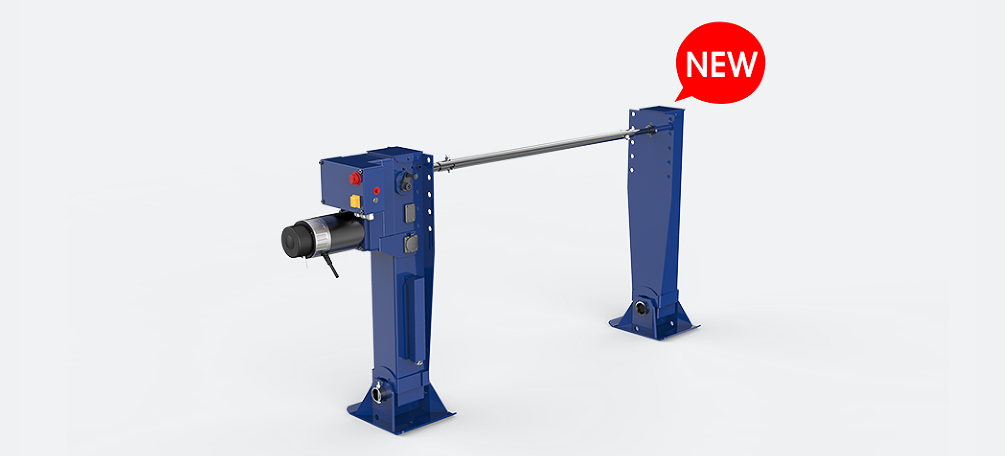
To install electric landing gear on a semi-trailer, first mount the motor, ensure proper alignment, then wire the system, and finally, conduct multiple operational tests to confirm functionality.
Preparing for Electric Landing Gear Installation
To begin with, getting started with the installation of electric landing gear on your semi-trailer, ensure that all things are ready to be rolled out. The first thing you need is a set of tools. The second is the electric landing gear kit containing a motor assembly, control box, and mounting hardware. The third set comprises standard tools such as wrenches, screwdrivers, and a drill.
Picking the Right Model
Identify the optimal electric landing gear model according to your trailer’s parameters and lot of work. The lift capacity should exceed your trailer’s max loaded weight; the capacity you can find varies from around 20,000 to 30,000 lbs. Check if the new gear fits the working footprint of your chassis to avoid the fitting cost.
Prefinal Inspections
Another vital step before starting the procedure is to examine the vehicle to check whether the chassis is not worn off and the space for the landing gear is not damaged or rusted. Ensure the fitting place to secure ideal conditions for your new electric landing gear. Clean the area and perform the appropriate repairs to reinforce the system’s installation.
Routing the Wires
Coming back to the tools and materials, ensure your wiring can be linked to the trailer’s power system or provide a battery-packing for the equipment. You need to be sure that your wiring is capable of sustaining the potential loading and put it in a conduit to prevent wearing out. Shield your wiring with something durable, like sheathing, to ensure a long lifespan and protect your connections, especially on a semi-trailer, from wearing out and exposure to the environment.
Attaching the Gear
After finishing the abovementioned steps, attach your electric landing gear to your semi-trailer. Usually, you can directly bolt the main assembly to narrow points of your platform; therefore, your gear adhering must be tight. Ensure that the ground is even to preclude potential complications during operation. After completing all the connections, appliance the landing gear to your new electric system according to the manufacturer’s instructions.
Post-Installation Tests
As everything is done, test whether your installation is successful. It includes assessing the gear for functionality and directly control. Verify that all the mechanisms work properly and the system is not stuck and applies the right amounts of effort to lift and lower your landing gear. If everything is working properly, enjoy the results of the automated landing gear.
Step-by-Step Installation Process
Setting up your electric landing gear is a task that requires the implementation of a series of actions. The steps to be taken are explained in detail below, and you can use the presented tips to ensure that your equipment operates correctly. Start the installation process with confidence, taking one step at a time.
Initial Setup
First, unpack the electric landing gear kit and sort all components. Confirm that there are no missing parts by comparing each piece with the list of items supplied by the manufacturer. If the kit has a layout drawing, use this material to understand where each part is used.
Mounting the Gear
Next, place the gear of the main landing on the trailer frame at the points determined by the design. It is important to mount the equipment properly to avoid alignment problems, using the torque values stated in the installation guide when tightening the bolts. This step prevents overtightening and damage to the frame due to the large loads applied.
Wiring Electrical System
Bring the electrical cables from the control box to the motor, ensuring that the wires are not located near moving parts and potential pinch points. Use clamps and straps to secure the cables every 6 inches, preventing sagging and unwanted shearing. Connect the cables to the desired power source and follow the provided wiring diagram in the kit to avoid dangerous short circuits or wiring failure.
Installing Control Box
Fix the control box at a point accessible to the driver, taking care to protect the unit from the harmful effects of the environment. Use plastic plugs, screws, and bolts to mount the box in a solid part of the trailer. Check the correctness of the completed connections in advance.
Testing
Test the liquidation system several times by actuating it to start and stop the lowering and lifting process. Regular problems include the unpleasant noise or binding, requiring adjustments to be made to the joints and reducer. Use the steps described earlier to complete the installation process and upgrade your semi-trailer landing gear. You can be sure that every solution listed in this instruction is verified and should be followed step by step.
Mounting and Wiring the Electric Motor
The most critical element of your electric landing gear is the electric motor. To guarantee that the motor not only fits tightly but also works flawlessly, this segment will take you through each step, limiting errors.
How to Mount the Motor to the Frame
The electric motor should be selected to suit the trailer frame’s mounting brackets. The motor should first be properly positioned to fit the travel gear roller drive. We can begin by alining the motor with the brackets and applying the heavy-duty bolts. The torque on the bolt by manufacturers ranges from 50 pounds to 70ft. However, it is essential to confirm with your kit to ensure that the motor is correctly mounted.
The Connection of Motor Cables
It is then essential to connect the motor after the motor is mounted correctly. First, route the motor cables through to the controlling box while ensuring they will not wear under by-passing the sections of the trailer that may cause damage. It is because of this that under the trailer’s lower part, connect the cables and ties, leaving them loose from the trailers. Connecting and disconnecting the presence of the packed cabling areas can result in damaged trailers.
Electrical Checking
Attach the wires to the motor and controlling box accordingly with a wiring diagram. Before fitting, it is essential to ensure that they are tightly fit and that the wiring is right to avoid short circuits. Second, check the operational of the wiring by seeing whether circuits are open, whether the voltage is present in the wires, by the use of a multimeter Move with your control system and put it in place to mount the motor. You will in time have your trailer lift and lower uniformly. This action also helps regulate your trailers’ life because that machinery can work without malfunction and other circuit errors.
Finalizing Installation with Testing and Calibration
When you have mounted and wired your electric landing gear, the next critical steps are implementation, testing, and calibration. This aspect is vital as it must prove that the system operates adequately in real conditions and tailored in accordance with the need of your semi-trailer.
Functional Testing
To start the testing phase, it is necessary to switch the system on. Ask the landing gear to cycle up and down to see if the system works. Pay attention whether the movements are smooth and regular. Moreover, strictly listen if there is something “off” as any unusual sounds might indicate that there is a problem with the motor or gear. This test must be conducted several times to make sure that this is the usual performance of your landing gear.
Load Test
If you want to ensure that your landing gear is reliable, you need to perform a load test. You may use weights or simply stand a loaded trailer on the landing gear. The purpose is to confirm that the gear can lift and lower its maximum load if necessary. Following the test, there should not be any signs of strain on the gear, for instance, working the motor to its full capacity or difficulty to go up. The whole weight of the trailer must be lifted equally effectively as it would be 1 inch above the ground.
Calibration of Controls
If your electric landing gear is equipped with a programmable control system, it is necessary to calibrate. The purpose is to adjust the control to a particular response time and sensitivity that would better suit the needs of the trailer. This unit may also require restricted motions, such as setting limits on how high or low landing gear can lower. Confirm that the system operates at the right speed.
Safety and Emergency Tests
Remember to check the activation of the hold to move feature and the overall operability of your sensors. It must stop if anything moves under the weight. Regular testings must be conducted to a high degree of safety.
Roton Intelligence is excited to announce its participation in the prestigious Hannover Messe 2024, a global hotspot for the latest in industrial technology. As a company dedicated to innovation and efficiency, we are eager to showcase our cutting-edge products that are set to revolutionise the manufacturing sector. Join us in this celebration of progress from the 22nd to the 26th of April at Hall 6, Booth B72.
Event Overview
Hannover Messe 2024
22nd - 26th April 2024
Hall 6, Booth B72, Germany
Product Highlights
Cutting-edge Electric Transaxles
The electric transaxle is the heart of future mobility, and Roton Intelligence is proud to present our latest advancements in this field. Our electric transaxles offer unparalleled performance, reduced emissions, and improved energy efficiency. These state-of-the-art systems are set to transform the automotive and transportation industries, pushing the boundaries of what’s possible.
State-of-the-art Hydraulic Units
Hydraulics are essential in a multitude of industrial applications, and Roton Intelligence has raised the bar with our latest hydraulic units. These units are engineered for reliability and performance, ensuring that they can meet the rigorous demands of modern manufacturing. Our hydraulic systems are designed to enhance the capabilities of machinery, making operations more efficient and reliable.
Advanced Controllers for Enhanced Automation
Automation is the key to unlocking new levels of productivity and precision. Roton Intelligence’s advanced controllers are at the cutting edge of this technology, offering sophisticated control systems that integrate seamlessly with existing machinery. These controllers elevate automation to new heights, enabling manufacturers to achieve a level of precision and efficiency previously unattainable.
Innovative Material Handling Solutions
Efficiency in manufacturing begins with the movement and handling of materials. Roton Intelligence’s innovative solutions are designed to streamline these processes, ensuring that materials are moved with precision and speed. Our latest offerings promise to reduce downtime, increase productivity, and ultimately, drive growth for businesses in all sectors.
Stay tuned for new product releases at the exhibition!
Why Visit
Latest in Industrial Technology
Stay ahead of the curve by exploring the newest advancements in the field.
Engage with Industry Experts
Network with professionals and experts who are shaping the future of manufacturing.
Exclusive Offers
Take advantage of special deals and promotions exclusive to Hannover Messe attendees.
Follow-up and Contact Information
Contact Us
We will provide opportunities for those who cannot attend in person to stay connected. Look out for recorded webinars, downloadable materials, and more on our website following the event. Should you wish to get in touch, our contact details will be readily available.
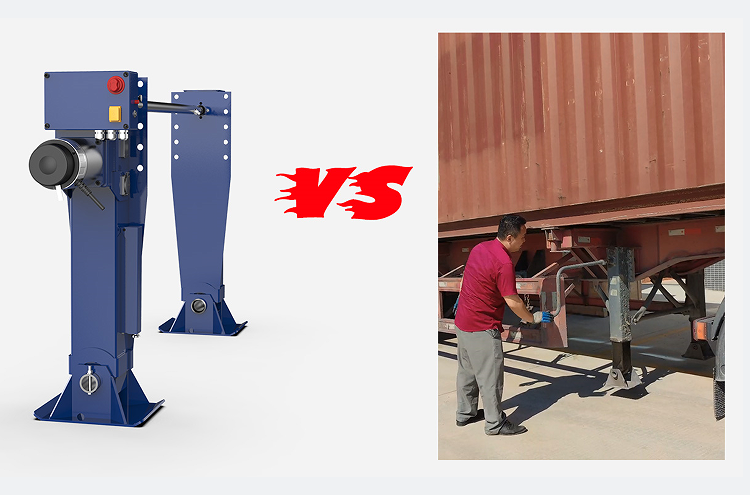
Electric landing gear on a semi trailer is an automated system that replaces manual cranking for lifting and stabilizing the trailer.
Components and Functionality
Key Components of Electric Landing Gear
Electric landing gear systems integrate several critical components:
Electric Motor: This is the heart of the system, typically with a power range of 1.5 to 3.0 kW, providing the necessary force for lifting.
Transmission System: Includes gears and shafts, designed for optimal force transmission with minimal energy loss.
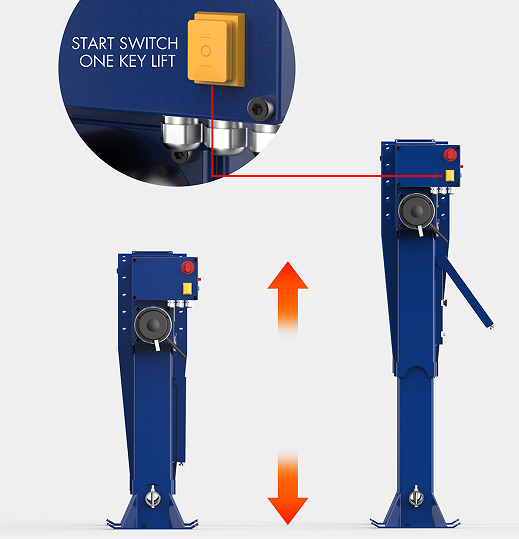
Control Unit: A user-friendly interface, often equipped with wireless remote control, for effortless operation.
Battery Pack: Supplies power, usually capable of multiple lift and lower cycles on a single charge.
Mechanism of Operation
The operation mechanism of electric landing gear includes:
Activation: Initiated by the control unit, which starts the electric motor.
Lifting Process: The motor powers the transmission system, efficiently lifting or lowering the trailer.
Safety Features: Integrated sensors and auto-stop functions enhance operational safety and prevent damage.
Comparison with Traditional Landing Gear
Feature
Electric Landing Gear
Traditional Landing Gear
Operation Speed
Rapid, typically under 60 seconds for complete operation.
Slower, often taking several minutes.
Physical Effort
Minimal, operated with a button press.
Manual, requiring significant effort.
Maintenance
Mainly electrical components, less frequent maintenance.
More frequent due to mechanical wear.
Cost
Higher initial cost but savings in labor and efficiency over time.
Lower initial, higher long-term costs.
Weight
Slightly heavier due to additional components.
Lighter.
Lifespan
Longer, often exceeding 10 years, due to reduced mechanical strain.
Shorter due to manual operation.
Environmental Impact
Lower; no hydraulic fluids required.
Higher due to fluid usage.
User Safety
Enhanced with automated controls and safety features.
Higher risk of injury with manual use.
Electric Landing Gear: Efficiency and DurabilityElectric landing gears, such as those from Rotontek, are designed for durability and efficiency. These systems not only save time but also reduce the physical strain on operators. Their integration into semi-trailers represents a significant step forward in terms of safety, cost-effectiveness, and environmental friendliness.
Installation and Maintenance of Electric Landing Gear on Semi Trailers
Installing Electric Landing Gear on Semi Trailers
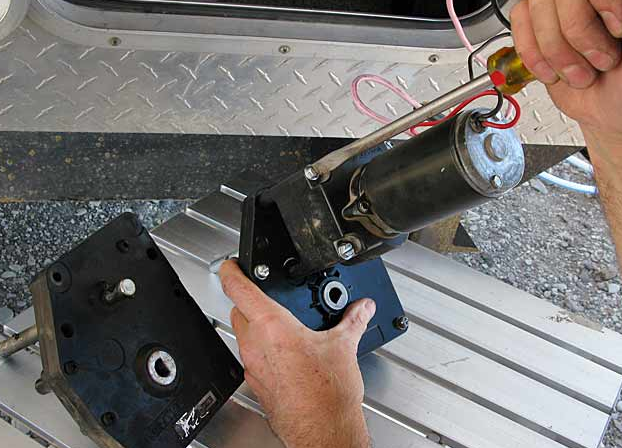
The installation of electric landing gear on semi trailers is a critical process that demands precision. It involves selecting a gear system that aligns with the trailer’s weight capacity and dimensions. The installation includes secure mounting, ensuring the electric system is properly wired to the trailer’s power supply. Typically, these systems require a power output ranging from 1.5 to 3.0 kW. Post-installation, a comprehensive testing of the gear’s functionality and safety features is crucial.
Routine Maintenance and Care
Maintaining electric landing gear is key to its longevity and efficient operation. This involves regular inspections for wear or damage, particularly focusing on the motor and transmission system. Regular lubrication of moving parts is vital to minimize friction and wear. Battery maintenance is also crucial; it should be kept charged and stored correctly. Additionally, keeping the control unit’s software updated ensures the system operates at peak efficiency.
Troubleshooting Common Issues
Common issues with electric landing gear include motor malfunctions, which often relate to power supply problems or battery issues. Unusual noises during operation may indicate a problem with gears or shafts, necessitating inspection and lubrication. Slow operation can be a symptom of a depleted battery or a malfunction in the transmission system, requiring thorough testing and possible component replacement.
Key Points for Effective Management:
Ensure compatibility of the landing gear with the trailer’s specifications during installation.
Conduct routine maintenance, including inspections, lubrication, and battery care, to maintain efficiency and safety.
Address common issues by checking the power supply, mechanical components, and maintaining regular upkeep.
Benefits and Applications of Electric Landing Gear
Advantages Over Manual Systems
Electric landing gear offers numerous benefits compared to manual systems:
Reduced Physical Effort: Eliminates the manual cranking required by traditional systems, significantly reducing the physical strain on operators.
Increased Safety: With automated controls, the risk of injuries associated with manual operation is greatly minimized.
Time Efficiency: Electric systems can lift or lower a trailer in less than a minute, a task that takes several minutes manually.
Consistent Performance: Unlike manual systems, which can vary in efficiency due to human effort, electric gear provides consistent lifting power.
Efficiency and Productivity Improvements
The introduction of electric landing gear in semi trailers has led to significant efficiency and productivity improvements:
Lower Maintenance Costs: Electric systems typically require less maintenance than manual gear, translating to cost savings and less downtime.
Long-Term Durability: With fewer moving mechanical parts than manual systems, electric landing gear tends to have a longer lifespan, often exceeding 10 years.
Use Cases in Different Types of Trailers
Electric landing gear finds its application across various types of trailers, demonstrating its versatility:
Flatbed Trailers: Enhances ease of loading/unloading heavy cargo.
Refrigerated Trailers: Useful in temperature-sensitive cargo operations where time efficiency is critical.
Tanker Trailers: Provides stability and safety, crucial for transporting liquids.
Specialty Trailers: In trailers with unique requirements, electric gear can be tailored to meet specific operational needs.
Key Insights:
Electric landing gear significantly reduces physical effort and enhances safety in trailer operations.
It leads to better efficiency and productivity, with faster operations and lower maintenance requirements.
The gear is adaptable to various trailer types, catering to a wide range of industry needs.
Technological Integration in Electric Landing Gear
Integration with Other Trailer Systems
Electric landing gear is increasingly becoming an integral part of the broader trailer system, offering seamless integration capabilities:
Synchronized with Braking Systems: Integration with the trailer’s braking system allows for automated stability control during loading and unloading operations.
Connectivity with Telematics Systems: Real-time data sharing with fleet management systems enhances operational efficiency and safety.
Compatibility with Various Trailer Types: Designed to be adaptable across different trailer designs, from flatbeds to tankers.
Smart Technologies and Automation
The incorporation of smart technologies into electric landing gear systems is revolutionizing trailer operations:
Remote Operation: Operators can control the landing gear via smartphones or remote devices, enhancing convenience and safety.
Automated Positioning and Leveling: Advanced sensors and software enable precise control over the landing gear’s position and level, crucial for safe loading and unloading.
Predictive Maintenance: Integration with diagnostic tools allows for predictive maintenance, reducing downtime and increasing the lifespan of the gear.
Future Trends in Electric Landing Gear Technology
The future of electric landing gear technology is poised for further advancements:
Increased Energy Efficiency: Development of more energy-efficient motors and battery systems to reduce power consumption and enhance operational time.
Solar-Powered Systems: Exploration of solar panels for auxiliary power supply, promoting sustainability and reducing reliance on traditional power sources.
Integration with Autonomous Trailers: As autonomous driving technology advances, electric landing gear will play a crucial role in fully automated trailer operations.
Key Takeaways:
Electric landing gear is becoming a central component in the modern semi-trailer ecosystem, offering enhanced integration with other systems.
The use of smart technologies leads to improved operational control, safety, and predictive maintenance capabilities.
Anticipated future trends include greater energy efficiency, solar power integration, and compatibility with autonomous trailers.
Safety and Regulatory Considerations for Electric Landing Gear
Safety Features of Electric Landing Gear
Electric landing gear is equipped with numerous safety features designed to protect operators and ensure the secure handling of trailers:
Automatic Load Sensing: This system prevents over-extension or excessive force application, crucial for maintaining structural integrity.
Emergency Stop Mechanism: In case of a malfunction or hazard, the emergency stop feature allows immediate cessation of all operations.
Built-in Safety Locks: These locks engage automatically to prevent unintended retraction or deployment, enhancing stability during loading and unloading.
Weather-Resistant Design: The gear is built to withstand extreme weather conditions, ensuring reliable operation in diverse environments.
Compliance with Transportation Regulations
Adherence to transportation regulations is paramount for electric landing gear:
Certification Standards: Electric landing gear must meet specific industry standards, such as ISO or ASTM, to ensure safety and reliability.
Regular Inspections: Mandatory inspections as per transportation authority guidelines help maintain compliance and operational safety.
Documentation and Record-Keeping: Keeping accurate records of maintenance and inspections is essential for regulatory compliance.
Environmental Impact and Sustainability
Electric landing gear also plays a role in environmental sustainability:
Reduced Carbon Footprint: By eliminating the need for hydraulic fluids and reducing the effort required for operation, electric landing gear contributes to lower emissions.
Energy Efficiency: Advanced motor and battery technologies aim to optimize energy usage, reducing the overall environmental impact.
Recyclability: Manufacturers are increasingly focusing on using recyclable materials and sustainable production methods.
Overall Impact:
Electric landing gear enhances safety with features like automatic load sensing and emergency stops.
Regulatory compliance is achieved through certification standards and regular inspections.
Its role in environmental sustainability is marked by reduced emissions and energy efficiency.
What power range is typical for electric landing gear motors?
Electric landing gear motors generally have a power range between 1.5 to 3.0 kW, providing sufficient force for lifting trailers efficiently.
How does the cost of electric landing gear compare to manual systems?
While electric landing gear has a higher initial cost compared to manual systems, it offers long-term savings in labor and maintenance, making it cost-efficient over time.
What are the main safety features of electric landing gear?
Key safety features include automatic load sensing to prevent over-extension, emergency stop mechanisms, built-in safety locks, and a weather-resistant design for reliable operation in diverse environments.
How does electric landing gear contribute to environmental sustainability?
Electric landing gear reduces carbon emissions by eliminating the need for hydraulic fluids and improves energy efficiency with advanced motor and battery technologies.
What is the typical lifespan of electric landing gear?
Electric landing gear often has a longer lifespan, frequently exceeding 10 years, due to reduced mechanical strain compared to manual systems.
How does electric landing gear integrate with other trailer systems?
It can synchronize with braking systems, connect with telematics for real-time data sharing, and is compatible with various trailer types, enhancing overall operational efficiency.
What advancements are expected in electric landing gear technology?
Future trends include more energy-efficient motors, solar-powered systems for auxiliary power, and integration with autonomous trailers.
What are the benefits of electric landing gear in different types of trailers?
In various trailers like flatbeds, refrigerated, and tanker trailers, electric landing gear enhances loading efficiency, provides stability, and improves safety in operations.
Integrated electric drives are revolutionizing industries by enhancing efficiency, reliability, and reducing costs, extending beyond automotive applications.
Introduction to Integrated Electric Drive Systems
Emergence in the Technological Landscape
The rise of integrated electric drive systems marks a significant milestone in the evolution of technology. These systems, characterized by their high efficiency and low operational costs, are reshaping the landscape of electric power usage. Electric drive systems, with a power range typically between 50 kW to 500 kW, offer an unprecedented balance of efficiency and performance. The integration of these systems has been driven by the need for more compact designs, leading to reduced space requirements and enhanced energy efficiency.
Integrated electric drives, made from advanced materials, showcase remarkable quality and durability, extending their lifespan significantly. The materials used, such as high-grade copper and rare-earth magnets, contribute to their robust construction and high performance. These drives operate at impressive speeds, often exceeding 10,000 RPM, ensuring swift and responsive performance in various applications.
Role in Automotive Industry Advancements
In the automotive industry, integrated electric drive systems have become pivotal. They are central to the development of electric and hybrid vehicles, offering a combination of low cost, high efficiency, and compact size. For instance, in modern electric cars, these systems have enabled manufacturers to reduce production costs by up to 30% while enhancing vehicle performance. The integration of the motor, gear reducer, and controller into a single unit has streamlined manufacturing processes, resulting in significant savings in both time and resources.
These systems have also contributed to advancements in vehicle speed and range. With integrated electric drives, vehicles can achieve top speeds of up to 250 km/h and offer an extended range, some models reaching up to 500 km on a single charge. This advancement is not just in performance but also in reducing the overall weight of the vehicle, further enhancing efficiency.
Integrated electric drive systems are revolutionizing industries with their cost-effectiveness, high quality, and superior performance. Their impact on the automotive industry is particularly noteworthy, paving the way for more sustainable and efficient transportation solutions.
User-Friendly Design of Integrated Electric Drives
Simplification of User Experience
The design of integrated electric drives focuses heavily on user experience, prioritizing simplicity and ease of use. These systems feature intuitive interfaces, making them accessible even to those with limited technical knowledge. The goal is to reduce the complexity typically associated with electric drive systems, thereby making them more appealing to a broader audience.
For instance, the control panels on these drives often include simple, touch-screen interfaces with clear, easy-to-understand instructions. This approach eliminates the need for extensive training or technical background to operate the drives, which is especially beneficial in sectors where quick adoption of technology is crucial.
Integration of Motor, Gear Reducer, and Controller
The core innovation in integrated electric drives lies in the seamless combination of the motor, gear reducer, and controller. This integration results in a compact design, often reducing the overall size by up to 40% compared to traditional systems.
Motor: The electric motor in these systems is designed for high efficiency, often exceeding 90%. This efficiency translates into lower energy consumption and reduced operational costs.
Gear Reducer: The gear reducer complements the motor by providing optimal torque. It’s engineered for minimal energy loss, contributing to the overall efficiency of the system.
Controller: The integrated controller is the brain of the system, precisely managing power distribution and performance parameters. Advanced models can adapt to different operating conditions, enhancing the longevity and reliability of the drive.
These components, when integrated, offer significant cost savings in both manufacturing and maintenance. By reducing the number of separate parts, the system minimizes potential points of failure, thus enhancing its durability and reducing maintenance costs.
The user-friendly design of integrated electric drives is a significant advancement, making powerful technology accessible and easy to use. Their compact size, combined with high efficiency and reduced cost, makes them an ideal choice for a variety of applications.
Enhanced Reliability and Electromagnetic Compatibility
Improving System Robustness
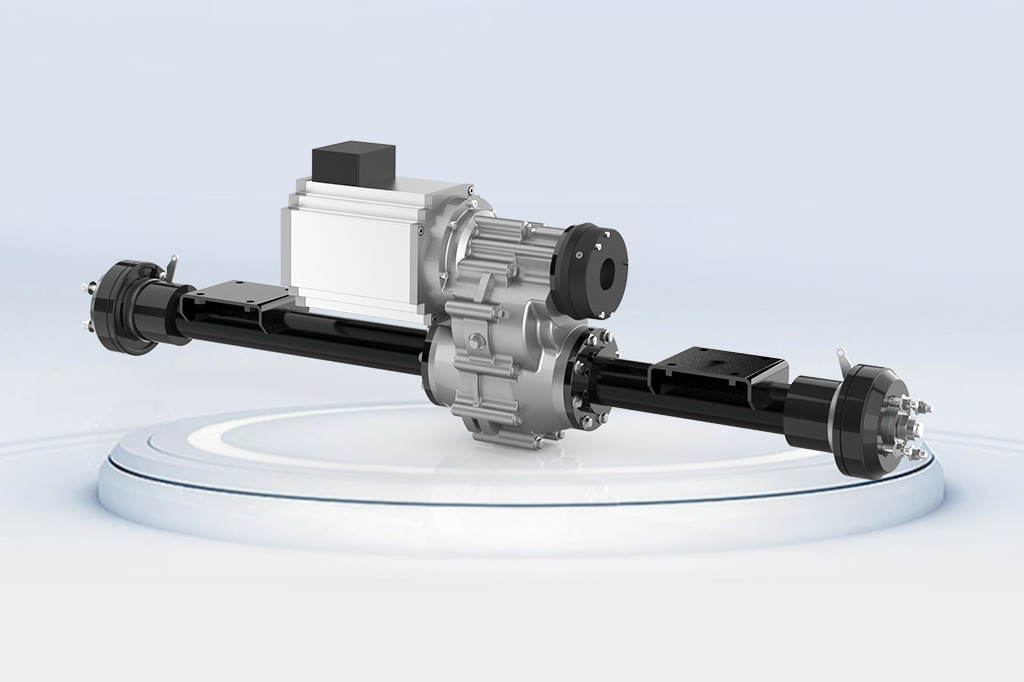
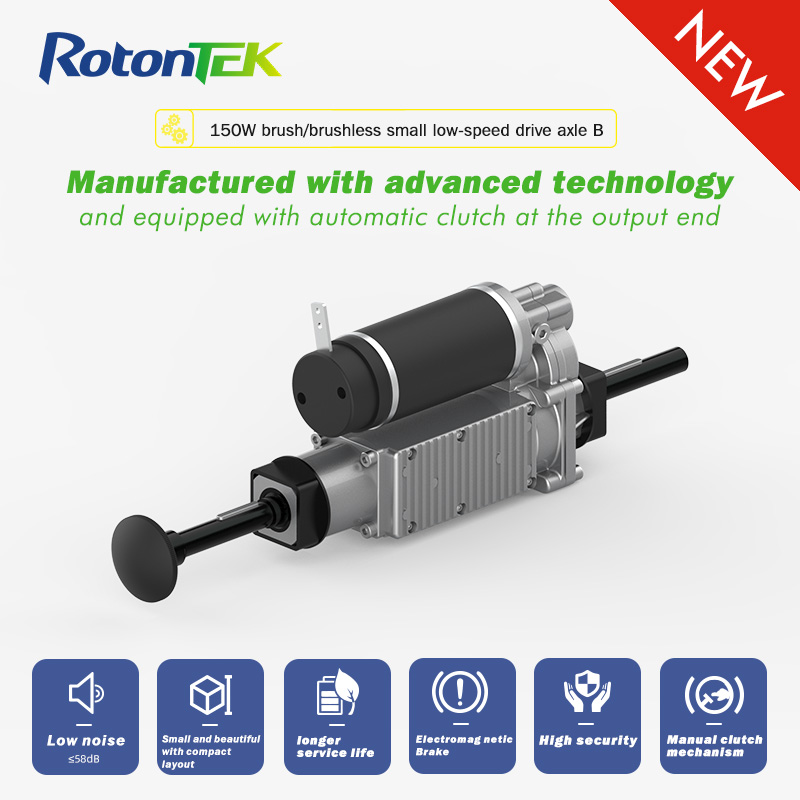
Integrated electric drive systems, such as those exemplified by products like the “small low-speed drive axle,” have significantly enhanced system robustness, primarily due to their advanced design and superior material quality. Key components are engineered to withstand high operational stress, often operating reliably in a power range from 50 kW to 500 kW. The robustness of these systems is not just about handling high power; it also involves long-term durability. Many of these systems have a life expectancy that exceeds 20 years, reducing the frequency of replacements and repairs.
Materials like high-grade steel and advanced polymers in the construction of these drives contribute to their resilience against wear and tear. Moreover, manufacturers select these materials for their robustness in facing harsh environmental conditions, ensuring the drives function effectively in extreme climates with temperatures spanning from -40°C to 85°C.
Benefits of Streamlined Design
The streamlined design of integrated electric drives offers numerous benefits, key among them being improved electromagnetic compatibility (EMC). By integrating the motor, gear reducer, and controller into a single unit, these systems minimize electromagnetic interference, crucial in environments with multiple electronic devices.
This integration also leads to reduced manufacturing costs, as the production process becomes more streamlined, cutting down on material and labor expenses. The compact design further reduces shipping and storage costs, a significant advantage for companies looking to optimize their budget.
Furthermore, the streamlined design contributes to energy efficiency. Integrated drives often exhibit an efficiency rate of over 90%, meaning a greater portion of the electrical energy is effectively converted into mechanical energy. This efficiency, evident in the small low-speed drive axle, not only reduces energy costs but also minimizes heat generation, prolonging the life of the system and reducing cooling requirements.
The enhanced reliability and electromagnetic compatibility of integrated electric drives represent a substantial leap forward in drive technology. These systems offer a combination of durability, efficiency, and cost-effectiveness, making them a preferred choice in various industrial applications.
Cost Reduction Through Integration
Traditional vs. Integrated Manufacturing Processes
In traditional manufacturing processes, components like motors, gear reducers, and controllers were produced separately, each requiring individual assembly lines, storage facilities, and transportation logistics. This approach, while standard, incurred significant costs in terms of materials, labor, and operational overhead. Typically, the production of each component separately could increase the overall manufacturing cost by up to 20-30%.
In contrast, integrated electric drive systems streamline this process by combining these key components into a single unit. This integration significantly reduces the number of assembly steps and simplifies the supply chain, leading to a marked decrease in production costs. Material usage is optimized, cutting down waste and reducing expenses. Moreover, the need for separate storage and transportation for each component is eliminated, further lowering logistical costs.
Economic Implications for Industries
The economic implications of adopting integrated electric drives are profound across various industries. By reducing production and operational costs, companies can offer more competitive pricing while maintaining or improving profit margins. In the automotive industry, for instance, integrating electric drive systems has led to cost reductions of approximately 30% per vehicle.
Moreover, the high efficiency and lower energy consumption of these integrated systems translate into long-term cost savings for end-users. Efficiency rates of these systems often surpass 90%, leading to substantially lower operational costs in energy usage when compared to traditional systems. This efficiency not only reduces the electricity bills but also minimizes the environmental impact, potentially leading to lower carbon taxes and environmental compliance costs.
Furthermore, the increased reliability and longer lifespan of integrated systems reduce maintenance and replacement costs. A typical integrated electric drive can have a lifespan extending over 20 years, reducing the frequency and cost of replacements.
The shift to integrated electric drive systems represents a significant cost-saving opportunity for industries, enabling them to leverage technological advancements for economic benefits.
Broader Applications Beyond Automotive Sector
Potential in Off-Road Vehicles
Integrated electric drive systems are finding increasing applications in off-road vehicles, such as ATVs, construction equipment, and military vehicles. These environments demand high power and robustness, where electric drives excel. Systems used in these vehicles typically operate in the 100 kW to 600 kW power range, providing substantial torque and speed required for challenging terrains.
One significant advantage is the reduction in maintenance costs, as integrated systems have fewer moving parts and a sealed design, protecting against dust and moisture. This durability is crucial in off-road conditions, where vehicles face harsh environments. The integration leads to compact and lightweight designs, improving vehicle maneuverability and reducing energy consumption.
Advancements in Agriculture Vehicle Technology
In the agriculture sector, integrated electric drives are revolutionizing the design and efficiency of tractors, harvesters, and other farming equipment. These drives offer improved efficiency, with energy savings up to 30% compared to conventional diesel-powered vehicles. The precision control provided by integrated electric drives leads to better crop yield and reduced waste, a crucial factor in modern sustainable farming practices.
The use of electric drives in agriculture machinery also contributes to a reduction in noise and air pollution, enhancing the working environment for farmers. Moreover, the lower operational costs associated with electric drives make them a cost-effective solution in the long run.
Integration in Architectural Machine Industry
The architectural machine industry, encompassing equipment used in building and construction, is also benefiting from the integration of electric drive systems. These systems offer enhanced precision and control in machines like cranes, lifts, and drilling equipment, which is pivotal in construction tasks.
The compact size of integrated drives allows for more flexible design of machinery, making them suitable for use in confined urban construction sites. Additionally, the higher efficiency and lower energy consumption of these drives lead to reduced operational costs, a significant advantage given the tight budgets and high energy demands typical in construction projects.
The expansion of integrated electric drive systems into off-road vehicles, agriculture, and architectural machinery signifies a major shift towards more efficient, durable, and cost-effective machinery across various industries.
The advantages of a transaxle include improved weight distribution, enhanced vehicle performance, design and packaging efficiency, drivetrain flexibility, improved fuel efficiency, and increased durability and maintenance benefits.
Improved Weight Distribution
Balancing Vehicle Weight
Transaxles, by design, combine the transmission, differential, and axle assembly into one integrated unit. This layout often shifts the weight distribution toward the rear of the vehicle, particularly in rear-wheel and all-wheel drive configurations. This rearward weight bias enhances traction, especially during acceleration. In sports cars where performance is crucial, this setup contributes significantly to a balanced weight distribution, ensuring that the vehicle remains stable at high speeds and while cornering.
A notable example is the Porsche 911, renowned for its rear-engine layout combined with a transaxle, which optimizes its weight distribution and driving dynamics. The 911 models typically show a rear weight distribution of around 39% front and 61% rear, which is quite distinct from the conventional 50:50 or front-heavy layouts seen in many sports cars.
Effects on Handling and Stability
A well-distributed weight balance is essential for effective handling and stability. Transaxles contribute by equalizing the weight across the vehicle’s chassis. This equilibrium reduces the tendency for either understeer or oversteer, common issues in front-heavy or rear-heavy vehicles, respectively. For instance, a balanced car like the Alfa Romeo Giulia, with a near perfect 50:50 weight distribution, provides precise steering and stable handling characteristics, crucial for safety and performance.
Comparative Analysis with Front or Rear-Only Drive Systems
When comparing transaxle-equipped vehicles to those with front or rear-only drive systems, the distinction in handling and performance becomes apparent. Front-wheel drive (FWD) vehicles, where the engine and transmission are located in the front, often deal with higher front-end weight leading to understeer. In contrast, traditional rear-wheel drive (RWD) vehicles might struggle with oversteer due to a heavier rear end.
The weight distribution in a typical FWD vehicle like the Honda Civic can be around 60% on the front axle and 40% on the rear, leading to a front-heavy bias. On the other hand, a classic RWD car like the Ford Mustang might exhibit approximately 55% rear and 45% front distribution.
Comparatively, vehicles with transaxles can achieve a more neutral weight balance. This balance not only affects handling but also contributes to even tire wear, potentially reducing maintenance costs over time. The cost savings from tire wear, however, need to be balanced against the typically higher initial cost of transaxle systems due to their complexity and advanced engineering. Despite the higher upfront cost, the long-term benefits in terms of handling, stability, and reduced tire wear can present a compelling value proposition over time.
Enhanced Vehicle Performance
Impact on Acceleration and Speed
Transaxles significantly influence a vehicle’s acceleration and top speed. By optimizing weight distribution and improving traction, cars with transaxles typically exhibit quicker off-the-line acceleration. The rearward shift in weight during acceleration pushes the rear tires down, enhancing their grip. This effect allows for more effective power transfer from the engine to the wheels, crucial for rapid acceleration.
For example, the Ferrari 488 GTB, equipped with a transaxle layout, boasts a 0 to 100 km/h (62 mph) acceleration time of just 3 seconds. This performance is not only due to the engine’s high power output of about 661 horsepower but also because of the efficient power transfer enabled by the transaxle.
Contribution to Torque Distribution
Transaxles play a critical role in torque distribution, especially in vehicles featuring all-wheel-drive (AWD) systems. They ensure that the engine’s torque efficiently reaches the wheels with the most grip. This efficient distribution of torque not only enhances the vehicle’s acceleration but also improves handling and stability in various driving conditions.
In the context of AWD systems, such as those found in the Audi Quattro lineup, the transaxle works in concert with the car’s drivetrain to variably distribute power between the front and rear wheels. This feature is particularly beneficial in slippery or off-road conditions, where it can redirect torque to the wheels with the most traction, thereby enhancing safety and performance.
Transaxle Systems in Sports and Racing Cars
Transaxles are crucial in sports and racing cars for better vehicle dynamics. They help achieve a low center of gravity and ideal weight distribution, essential for stability and cornering at high speeds.
In racing like Formula 1, transaxles combined with aerodynamics enable cars to reach up to 5g in cornering lateral forces, showcasing their importance in enhancing vehicle dynamics. This technology is vital for top speed, handling, and efficiency in races.
High-performance sports cars, like those from Ferrari and Porsche, use transaxles for improved driving experience and performance, despite the higher cost and complexity. These cars show that the benefits of better power delivery, balance, and handling justify the extra expense and engineering in sports car design.
Design and Packaging Efficiency
Space Saving in Vehicle Design
Transaxles offer a unique advantage in terms of vehicle design and packaging. By combining the gearbox and axle into one unit, they reduce the need for separate components and can lead to more compact vehicle designs. This integration allows designers to maximize cabin space or to create more streamlined and aerodynamic vehicle profiles, which are essential in modern vehicle design for both aesthetic and performance reasons.
For example, the Mazda MX-5 Miata, a compact roadster, utilizes a transaxle layout to maximize its interior space while maintaining a small, lightweight design. This arrangement contributes to the Miata’s low weight of just around 1,000 kg, which in turn enhances its agility and fuel efficiency.
Integration with Hybrid and Electric Powertrains
Transaxles are particularly beneficial in the design and efficiency of hybrid and electric vehicles (EVs). In these vehicles, the transaxle can integrate not just the transmission and axle, but also the electric motor and power electronics into a single compact unit. This efficiency in space utilization is critical in EVs and hybrids, where battery packaging and weight distribution are key design considerations.
The Tesla Model S, for example, uses an advanced electric powertrain integrated into a transaxle, which allows for a spacious interior and a large battery pack situated along the vehicle’s floor. This design lowers the vehicle’s center of gravity, enhancing stability and handling while providing ample space for passengers and luggage.
Case Studies: Compact and Mid-Engine Cars
Compact and mid-engine cars greatly benefit from transaxle designs. In mid-engine cars, positioning the transaxle behind the driver optimizes weight distribution and handling. This setup is common in many high-performance sports cars where balance, handling, and weight distribution are crucial to the car’s overall performance.
The Porsche 718 Boxster, with its mid-engine layout, is a prime example. The car’s transaxle arrangement allows for near-perfect weight distribution, contributing to its renowned handling characteristics. Another example is the Ferrari 458, which utilizes a rear mid-engine, rear-wheel-drive layout where the transaxle plays a vital role in achieving its exceptional handling and responsiveness.
In both cases, the transaxle’s ability to improve vehicle balance and handling is a key factor in the design and performance of these cars. It demonstrates how car manufacturers leverage transaxle systems to enhance the driving experience in both everyday compact cars and high-performance sports cars. This approach underlines the importance of a thoughtful design that incorporates efficient use of space, optimal weight distribution, and integration of advanced drivetrains to meet the evolving demands and expectations of modern drivers.
Drivetrain Flexibility
Compatibility with Different Engine Layouts
Transaxle systems offer exceptional flexibility in terms of compatibility with various engine layouts. Whether it’s a front-engine, mid-engine, or rear-engine layout, transaxles can efficiently transfer power to the drive wheels. This versatility allows automobile manufacturers to experiment with different layouts to achieve specific performance, handling, and space utilization goals.
In front-engine cars, transaxles can help balance the weight by placing the transmission at the rear, as seen in the Chevrolet Corvette. The Corvette, particularly in its latest iterations, uses a front-engine, rear-transaxle layout to achieve a more balanced weight distribution, enhancing its performance and handling.
Front-Wheel Drive, Rear-Wheel Drive, and All-Wheel Drive Configurations
Transaxles are adaptable to various drivetrain configurations – Front-Wheel Drive (FWD), Rear-Wheel Drive (RWD), and All-Wheel Drive (AWD).
FWD Systems: In FWD vehicles, the transaxle combines the functionality of the transmission, differential, and drive axle into one integrated unit mounted in the front of the vehicle. This compact setup, used in cars like the Honda Accord, maximizes passenger space and is cost-effective to manufacture.
RWD Systems: In RWD applications, the transaxle is typically placed at the rear of the vehicle, balancing the weight more evenly between the front and rear. This configuration, found in performance cars like the Porsche 911, optimizes traction and handling.
AWD Systems: AWD vehicles, such as the Audi Quattro, use transaxles that distribute power to both the front and rear wheels. This setup can enhance grip and stability, especially in slippery conditions.
Examples in Various Vehicle Types (Sedans, SUVs, Sports Cars)
Transaxle systems find applications across a diverse range of vehicle types, underlining their versatility.
Sedans: Many luxury sedans, like the Mercedes-Benz E-Class, employ transaxles to achieve a quiet and comfortable ride, coupled with efficient power delivery.
SUVs: In SUVs, transaxles can provide a balance between on-road comfort and off-road capability. The Jeep Grand Cherokee, for instance, uses a sophisticated AWD system, often coupled with a transaxle to optimize performance across different terrains.
Sports Cars: For sports cars, such as the Ferrari 488, the transaxle layout is critical for achieving high-speed stability and agile handling. By balancing the weight distribution and lowering the center of gravity, transaxles help in extracting maximum performance from these vehicles.
In each vehicle type, the transaxle plays a crucial role in defining the vehicle’s character and capabilities. From enhancing passenger space in sedans to improving off-road readiness in SUVs, and boosting performance in sports cars, the flexibility of transaxles makes them an integral part of modern automotive design and engineering.
Improved Fuel Efficiency
The Role of Transaxles in Reducing Vehicle Weight
Transaxles contribute significantly to reducing overall vehicle weight, which directly influences fuel efficiency. By integrating components of the transmission and driveline into a single unit, transaxles eliminate the need for some heavy drivetrain parts found in traditional setups. This weight saving, although varying across different models and designs, can be substantial. For instance, sports cars like the Porsche 911 leverage this weight reduction to enhance both performance and fuel economy.
Impact on Aerodynamics and Energy Consumption
A transaxle’s compact design not only saves weight but also aids in creating more aerodynamic vehicle shapes. An aerodynamic vehicle reduces air resistance while moving, which subsequently decreases energy consumption. For example, electric vehicles (EVs) such as the Tesla Model 3 utilize a transaxle layout to achieve a lower profile, which enhances their aerodynamic efficiency and extends the range.
Improved aerodynamics can lead to notable reductions in fuel or energy consumption. In terms of specific numbers, a vehicle’s fuel efficiency can improve by about 0.1% for every 1% reduction in aerodynamic drag. This relationship highlights the importance of transaxles in the design of both fuel-efficient combustion vehicles and long-range EVs.
Contribution to Sustainable Automotive Technologies
Transaxles play a key role in sustainable vehicle development. They improve efficiency in hybrid and electric vehicle designs.
In the Toyota Prius, the transaxle balances power between the engine, motor, and wheels, boosting fuel efficiency and lowering emissions. For electric vehicles, transaxles enhance power transfer from motor to wheels, leading to better mileage and less energy use.
Their use in these vehicles underlines their importance in moving towards more sustainable and efficient automotive technologies. As transaxle designs evolve, their impact on fuel efficiency and sustainability in cars is set to increase.
Durability and Maintenance
Comparing Lifespan and Reliability with Conventional Transmission Systems
Transaxle systems offer an advantage in both lifespan and reliability over traditional transmission systems. The key reason for this stems from the integrated structure of the transaxle, which combines the transmission and differential into one compact unit. This integration minimizes the mechanical complexity and number of potential failure points, leading to a longer and more reliable operational life.
For instance, conventional transmission systems typically require maintenance or replacements more frequently than transaxles. The average lifespan of a transaxle, with proper maintenance, often surpasses that of separate transmission and differential systems. Vehicles with transaxle systems can efficiently run upwards of 200,000 miles or more without requiring major repairs, a clear testament to their robustness and endurance.
Maintenance Requirements and Cost Effectiveness
Transaxle systems generally demand less maintenance, thereby offering cost savings over time. These systems eliminate the need for some of the separate components required in traditional drivetrains, reducing the likelihood of costly repairs and the frequency of maintenance.
The lower maintenance requirement translates to significant cost savings. For instance, transaxle fluid change intervals tend to be longer compared to separate transmission and differential fluid changes. The overall maintenance cost can therefore be lower with transaxle systems, with savings becoming particularly noticeable over the long term.
Rotontek brand transaxles stand out in user experiences and case studies for their exceptional durability and low maintenance needs. Users often cite Rotontek’s innovative design and quality manufacturing as key factors contributing to the prolonged lifespan and reliability of their vehicles’ drivetrain.
Case studies reveal that Rotontek transaxles need less maintenance and last longer. They reduce the total cost of owning a car, benefiting both individuals and fleet managers. Rotontek transaxles are durable, efficient, and cost-effective, making them a top choice for a reliable drivetrain.
Many users praise Rotontek for enhancing their vehicle’s life and lowering maintenance costs. Rotontek’s advanced technology and quality materials result in durable, high-performing, and valuable transaxles.
By balancing the vehicle’s weight more evenly between the front and rear, a transaxle improves handling and stability, offering better cornering and braking performance.
Can a transaxle impact a vehicle's acceleration?
Yes, transaxles contribute to more efficient torque distribution, often resulting in quicker acceleration and improved performance, particularly in rear-wheel and all-wheel-drive vehicles.
What are the packaging benefits of a transaxle in vehicle design?
Transaxles save space by combining the transmission and differential into one unit, allowing for more compact vehicle designs, especially in hybrid and electric cars where space is crucial for battery placement.
Does a transaxle system offer flexibility in drivetrain configurations?
Yes, transaxles are compatible with various drivetrain layouts including front-wheel drive, rear-wheel drive, and all-wheel drive, making them versatile for use in different vehicle types from sedans to sports cars.
Are there fuel efficiency gains with transaxle systems?
Transaxle systems help reduce overall vehicle weight and can improve aerodynamics, contributing to lower energy consumption and better fuel efficiency.
What's the difference in maintenance costs between transaxles and conventional transmissions?
Transaxle systems generally require less frequent maintenance than separate transmission and differential systems, leading to lower long-term maintenance costs.
How does the durability of a transaxle compare to traditional transmissions?
Transaxles often have a longer lifespan due to their integrated design and fewer moving parts, resulting in increased reliability and lower chances of failure.
What is the average lifespan of a vehicle with a transaxle?
With proper maintenance, vehicles equipped with transaxles can efficiently run for over 200,000 miles, highlighting their extended lifespan compared to vehicles with traditional transmission systems.