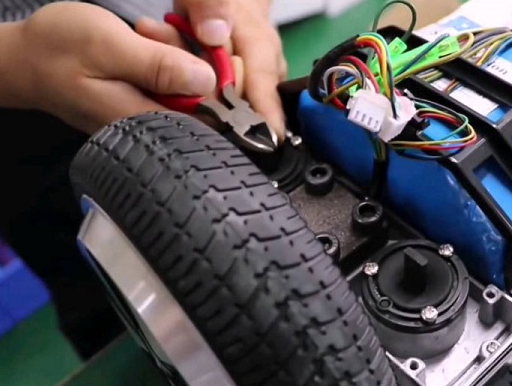
Selecting the right wheelchair controller is crucial for mobility and independence. This overview highlights various controllers, from joysticks to handles, tailored to diverse needs and user capabilities.
Joysticks are the standard in electric wheelchairs, offering simple and intuitive control. They are ideal for users needing straightforward, one-handed operation.
These are the default systems in most powered wheelchairs, varying from basic to advanced programmable interfaces, catering to diverse user requirements.
Our “handle controller” is a breakthrough in wheelchair control technology. It’s designed for ergonomic comfort and intuitive use, reducing strain and increasing precision in navigation.
Control Handle B
Control handle B combines advanced comfort and safety features in a wheelchair control system, offering a 3D handle, dual motor drive, and customizable settings.
Rotontek's HALL Joystick Controller B revolutionizes powerchair navigation with intuitive push-to-go, instant braking, and customizable accessibility features.
Brushless Motor Joystick Controller enhances wheelchair control with intelligent braking, load compensation, and customizable settings for safety and comfort.
Control Handle A offers advanced wheelchair control with sine wave vector, 3D handle, soft start/stop, and robust electrical protection for a smooth, customizable experience.
Key Factors in Selecting a Wheelchair Control System
When selecting a wheelchair control system, several key factors should be considered:
User’s Physical Abilities: Match the control system to the user’s strength and dexterity. Options range from traditional joysticks to touchpads or head controls.
Intended Use Environment: Consider whether the wheelchair is for indoor or outdoor use and select a control system accordingly.
Customization and Safety: Look for adjustable sensitivity and essential safety features such as emergency stops.
Budget Considerations: Weigh the cost against insurance coverage when choosing the control system’s complexity.
By considering these aspects, users can find a control system that enhances their wheelchair experience, balancing functionality, safety, and comfort.
Joystick Controller Functionality
The joystick of an electric wheelchair is usually a multi-directional input device that allows the user to control the wheelchair with tiny hand or finger movements. Pushing the joystick forward causes the wheelchair to move forward, and pulling it back causes it to move backward. Pushing the joystick left or right makes the wheelchair turn left or right, respectively. These movements are transmitted electronically to the wheelchair’s drive system, which controls speed and direction.
The joysticks of electric wheelchairs are usually designed to be very sensitive so that even users with limited hand movement can operate with precision. In addition, some advanced models of electric wheelchairs can also adjust the seat tilt, backrest Angle and other functions through the joystick.
Advantages of Electric Wheelchair Control Systems
Electric wheelchair control systems offer several advantages:
Enhanced Mobility: They enable users with limited strength and dexterity to move independently.
Adjustable Speed and Sensitivity: Users can customize the chair’s response to joystick inputs, accommodating different levels of motor ability.
Programmable Controls: Some models allow for programming of common routes or automatic adjustments to seating.
Versatility: Controls can be adapted for various physical abilities, including head or breath control for those unable to use their hands.
Safety Features: These systems often include automatic braking, anti-tip technology, and obstacle detection for safer navigation.
Improved Comfort: Users can adjust seating positions and settings through the control system for greater comfort during prolonged use.
Increased Independence: The intuitive controls of these systems empower users to perform daily activities without assistance.
Comparative Analysis of Manual vs. Electronic Wheelchair Controls
The transition from manual to electronic wheelchair controls marks a significant advancement in assistive mobility technology. Manual wheelchairs require physical strength and endurance, which can limit their usability for many individuals. Electronic controls, on the other hand, offer a degree of autonomy and ease of use that can be life-changing.
Wheelchair Control Customization tailors controllers to user needs, with options like precise proportional controls or straightforward non-proportional switches. This ensures optimal, accessible mobility for all abilities. Rotontek is renowned for its commitment to technological innovation and customization, making it an ideal choice for those seeking a wheelchair control system tailored to their specific needs and lifestyles.
Rotontekoffers a range of customizable controls, including precise proportional and straightforward non-proportional options, ensuring that each wheelchair is optimized for the user’s abilities and preferences. The brand’s focus on advanced technology means users can expect continually evolving features and systems that not only provide mobility but also contribute to a fuller, more active life.
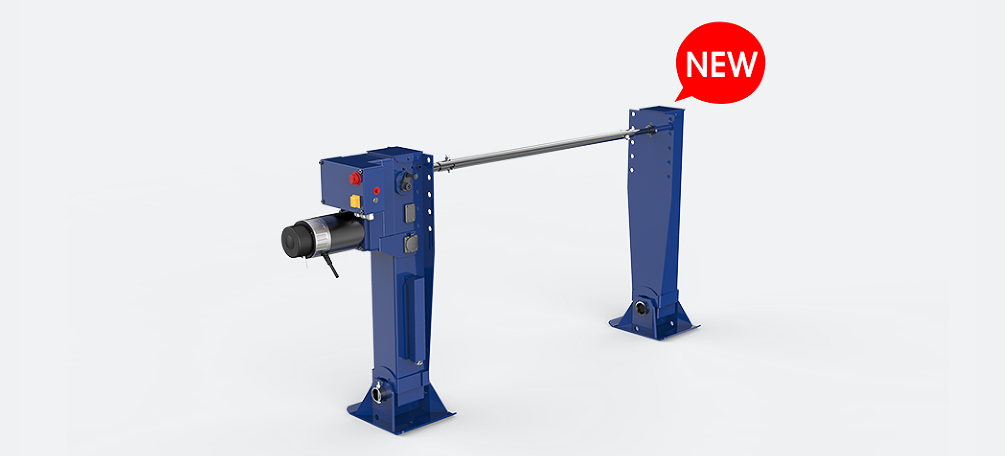
Semi-Trailer Electric Landing Gear uses integrated electric motors to extend or retract the legs, stabilizing the trailer autonomously without manual cranking, powered by a direct electrical connection or batteries.
Design principle of semi-trailer electric landing gear
The design principle of the electric landing gear for electric semi-trailers is centered around several key aspects:
Motor Efficiency: Utilizes high-efficiency electric motors for reliable lifting and lowering of the trailer.
Control System: Incorporates advanced control systems for precise and smooth operation.
Load Capacity: Engineered to handle heavy loads, suitable for various semi-trailer types.
Safety Features: Includes safety mechanisms like anti-return features to prevent backdriving.
Ease of Use: Designed for ease of operation, often with remote or automated control options.
Manual Override: Provides a manual operation mode for use during power failures or emergencies.
These principles ensure that the electric landing gear is not only efficient and reliable but also user-friendly and safe for operation in diverse conditions.
Innovative semi-trailer electric leg features
Innovative semi-trailer electric landing gear features include a one-button lift system, low noise operation, strong 20T capacity, and robust design with anti-rust properties and IP44 rating for durability. It also ensures safety with automated controls and is versatile for various vehicle types.
Advantages of electric landing gear legs compared to conventional landing gear
One of the key advantages of electric landing gear is the reduced effort and time required to operate it compared to manual systems. It also allows for finer control over the movement, which can be crucial for aligning the trailer accurately with the truck during hitching or for ensuring stability when the trailer is parked. Electric landing gear legs have significantly improved in terms of ease of use, longevity, technological advances and safety.
VS
This modern landing gear solution represents a leap forward in trailer technology, prioritizing ease of use and operational security.
International standards and specifications for electric landing gear legs
Rotontek Electric landing gear legs, holding a U.S. patent and global exclusivity, must adhere to international standards focusing on safety, efficiency, and compatibility. Key aspects include:
Electrical Safety: Compliance with international electrical safety standards to prevent risks like electric shocks.
Load-Bearing Capacity: Specifications for minimum and maximum loads to ensure safe support for various semi-trailers.
Operational Reliability: Standards for durability and consistent performance in diverse environmental conditions.
Compatibility: Ensuring that these landing gear legs can be universally used with a variety of semi-trailers and docking stations.
These standards guarantee that electric landing gear legs are not only effective and user-friendly but also secure and dependable for international transportation and logistics.
Electric landing gear applications in the freight industry
Electric landing gear is a transformative technology in the freight industry, specifically for its use in semi-trailers and recreational vehicles (RVs). In semi-trailers, this gear automates lifting and lowering of the trailer’s front end, significantly reducing manual effort and improving efficiency during hitching and unhitching processes.
For RVs, electric landing gear streamlines the leveling and stabilization on various terrains, enhancing safety and comfort for users. This technology’s application in both sectors highlights its versatility and key role in modern transportation and recreational activities.
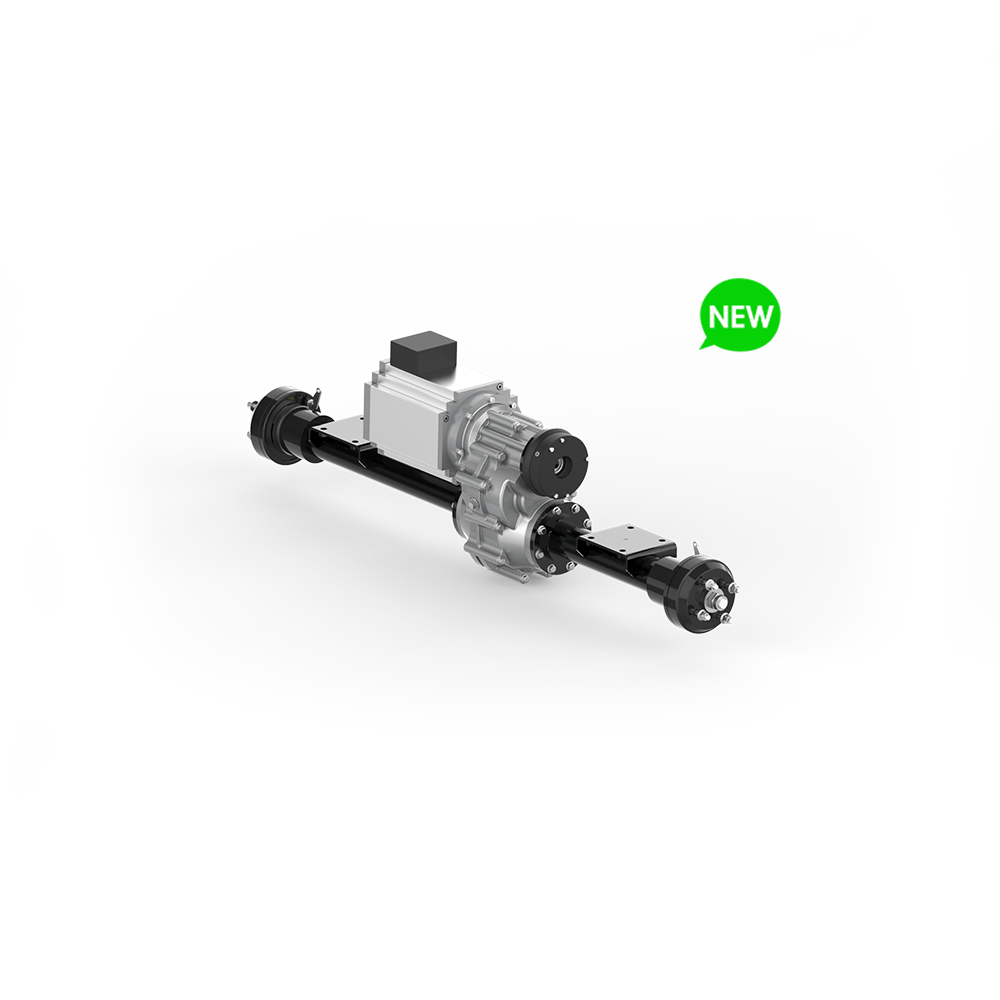
There are many types of electric variable speed transaxle, including single-speed transaxle for basic efficiency, multi-speed transaxle for enhanced performance and versatility, and integrated motor transaxle systems for compact and streamlined designs, commonly used in electric vehicles and machinery. Each type is customized for specific power, efficiency, and application requirements.
Low-Speed Off-Highway Electric Transaxle Solutions
The low-speed electric variable speed transaxle is a specialized component used in the automotive industry and is customized for off-highway applications such as agricultural, construction and other industrial vehicles. These variable speed transaxle units combine transmission and axle components into a single unit designed to operate efficiently at lower speeds, offering a number of unique benefits.
Features and advantages:
High torque and durability: Essential for heavy duty applications and withstands rigorous off-highway use. Improve fuel efficiency: Optimize power transmission and reduce fuel consumption. Reduced emissions: Ideal for environmentally sensitive areas and in compliance with strict regulations. Quiet operation: Low noise, conducive to residential or night farming operations.
Case studies demonstrate their effectiveness in agricultural machinery and engineering vehicles, where they provide reliable performance under challenging conditions and improve vehicle control and maneuverability.
350W Permanent Magnet Brushless Transaxle
The 350W brushless transaxle with a permanent magnet, differential for tight turns and safety, high-efficiency for power saving and low noise. It offers customizable voltage options
The LD02-500 is a compact, high-torque DC permanent magnet brush transaxle, combining efficiency and precision control. Ideal for applications requiring precise movement at low speeds.
Recent innovations in motor transmission have significantly lowered noise levels, enhancing user comfort and compliance with noise regulations. These advancements include refined gearbox designs and improved insulation materials.
Versatile Power Range: Battery-powered axles with a power range of 0.15 to 20kW cater to a broad spectrum of vehicles. Lower power axles (0.15 to 5kW) are suitable for personal mobility devices like electric scooters, while higher power axles (up to 20kW) are used in larger utility vehicles.
Efficiency and Silence: These axles offer efficient power usage while maintaining a quiet operation, which is crucial for urban environments and noise-sensitive areas.
Adaptable Power Output: The flexibility in power output allows these axles to be customized for different vehicle types, meeting specific power needs while ensuring silent operation.
11KW AC/DC Motor Electric Transaxle Brushless Electric Drive Rear Axle
The 11KW AC/DC Electric Transaxle is suitable for golf carts and patrol cars, featuring customizable speed, low noise, strong gears, electromagnetic braking, and a 2.2-ton load capacity.
4000W DC Permanent Magnet Synchronous Drum Brake Transaxle
The 4000W DC permanent magnet synchronous transaxle with a low noise level of 54dB, a 1:12.73 transmission ratio, and an electromagnetic brake for efficient, stable operation.
Comprehensive Drivetrain Systems for Electric Vehicles
Comprehensive drivetrain systems in electric vehicles integrate gearboxes, differentials, and axles, enhancing efficiency, reducing weight, and improving vehicle handling. Additionally, the inclusion of optional locking mechanisms and advanced brake systems is vital for safety and performance, offering better traction control in adverse conditions and improving reliability and responsiveness.
Customized Applications of Electric Transaxles
Electric transaxles are versatile, customizable to meet needs across industries. Companies like Rotontek specialize in tailoring these transaxles for specific applications, ensuring top performance in different sectors. For instance, agriculture transaxles are built for heavy loads and rough terrain, whereas logistics transaxles focus on efficiency and durability for continuous use.
When choosing an electric transaxle, it’s crucial to consider power, size, and environmental suitability. The right transaxle for a small urban delivery vehicle will differ from that for a heavy-duty construction vehicle. Rotontek helps in this selection, offering expert advice and a range of options to match diverse applications, ensuring customers find the ideal transaxle for their operational needs.
The top10 electric transaxles for 2024 excel in efficiency, durability, and integration with electric vehicles. They combine transmission, differential, and drive axles, enhancing energy efficiency and vehicle design. Advantages include reduced mechanical losses, space-saving, better handling, and support for regenerative braking, increasing energy recovery and driving range.
Electric Transaxles
Rotontekis a leader in low-speed, off-highway vehicles, offers a range of electric transaxles (0.15 to 20kW) for mobility scooters, electric tugs, and micro electric vehicles. These integrated units, combining differential, axle, brake system, and motor, excel in torque, durability, and safety. They revolutionize vehicle design in specific sectors, offering energy efficiency, noise reduction, and enhanced performance for low-speed applications.
Advantages of Electric Transaxles
Electric transaxles are a key technological advancement in electric vehicles (EVs), offering numerous benefits over traditional drivetrains. By integrating critical components, they not only streamline vehicle design but also enhance overall performance and efficiency.
Increased Efficiency: By integrating the motor, gearbox, and differential, electric transaxles reduce energy loss during power transmission, leading to higher overall vehicle efficiency.
Improved Performance: They enable immediate torque delivery, providing faster acceleration and smoother ride quality.
Compact Design: The integration of multiple components into a single unit allows for more compact and lightweight vehicle designs, offering more cabin space and reducing vehicle weight.
Lower Maintenance Needs: Electric transaxles have fewer moving parts compared to conventional drivetrains, resulting in lower wear and tear and reduced maintenance requirements.
Enhanced Regenerative Braking: Efficiently harness kinetic energy during braking, improving energy recovery and extending battery range.
Quieter Operation: Electric transaxles operate with minimal noise, contributing to a quieter and more comfortable driving experience.
Top10 Electric Transaxles Recommendations
Our Electric Transaxles, spanning a comprehensive range from 150W to 20KW. Tailored for diverse industry needs, our transaxles are synonymous with high torque and exceptional durability. They are designed to meet the rigorous demands of various applications, offering low noise operations and sustained high torque performance. Our 2.2KW-7.5KW electric drive axle range culminates in delivering exact density and robust power, perfect for heavy-duty applications. Each unit features an integrated DC permanent magnet motor and differential, ensuring optimal efficiency and enduring durability. Ideal for everything from electric trolleys to sophisticated amusement equipment, our Electric Transaxles are your go-to for reliable, customizable power solutions.
Why Choose Rotontek Electric Transaxle?
1. Rotontek’s electric transaxles are distinguished by their use of high-quality steel alloy gears with hardened teeth and precision grinding, ensuring a reduction in noise and increase in durability. The hardening of the gear teeth to a hardness of HRC55-60 boosts wear resistance, leading to a longer lifespan and robust performance.
2. Conversely, other electric transaxles in the market often utilize gears made from less durable powder metallurgy, including materials such as copper and iron. This results in a shorter lifespan, lower strength, and increased noise levels due to the inferior quality of materials and manufacturing techniques used.
Comparatively, Rotontek’s advanced design and premium materials offer a more reliable, quieter, and longer-lasting transaxle solution, making it the preferred choice for those seeking quality and durability in their electric transaxle needs.
Electric Drive Axle Application
Electric transaxles, combining the motor, gearbox, and differential, are pivotal in electric vehicle technology, extending beyond passenger cars to diverse applications.
In electric and hybrid cars, they enhance driving efficiency and performance. This technology is also crucial in commercial vehicles, like electric buses and trucks, where it contributes to reduced emissions and lower operational costs. In the field of agriculture, electric transaxles are being integrated into machinery, offering sustainable and efficient farming solutions. Additionally, they are increasingly used in recreational vehicles, such as electric golf carts, providing improved power management and environmental benefits. This wide range of applications highlights the versatility and significance of electric transaxles in various sectors.
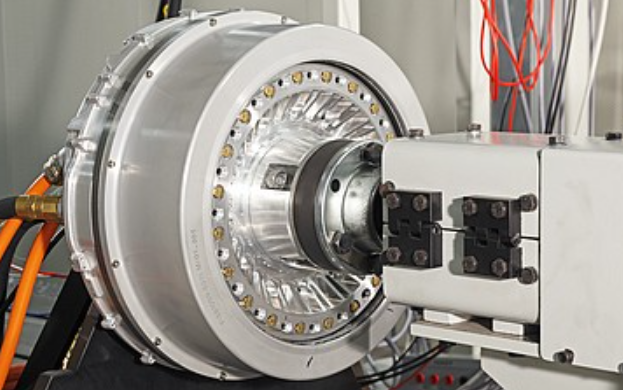
Electric drive wheels function by integrating electric motors into the wheels, transforming electrical energy into mechanical motion for direct vehicle propulsion.
Understanding Electric Drive Wheels
Basic Components of Electric Drive Wheels
Electric drive wheels, a critical component in electric vehicles, consist of several key elements. The hub motor, typically rated between 20 to 250 kW, is directly integrated into the wheel and provides propulsion. It eliminates the need for a traditional transmission system, thereby reducing weight and improving efficiency. The power electronics controller, which manages the flow of electrical energy to the motor, is designed to optimize performance and efficiency, often achieving over 90% energy conversion efficiency. These wheels also include sensors for monitoring speed, temperature, and torque, ensuring optimal operation and safety. The battery pack, usually lithium-ion, provides the necessary power, with capacities ranging from 30 kWh to 100 kWh, offering a range of 150 to 300 miles per charge.
Motor Types and Specifications
The electric motors used in these wheels are typically either permanent magnet synchronous motors (PMSM) or induction motors. PMSMs are known for their high power density and efficiency, particularly effective in the range of 85-95%. Induction motors, on the other hand, are praised for their durability and lower cost, though they may be slightly less efficient.
The Role of Electric Motors in Drive Wheels
Electric motors are the heart of electric drive wheels, providing the necessary torque for vehicle propulsion. Their design allows for instant torque delivery, enabling rapid acceleration with speeds varying from 0 to 60 mph in as little as 3 seconds in some models. The motors’ regenerative braking capability converts kinetic energy back into electrical energy, enhancing efficiency and extending driving range. This feature also reduces wear on mechanical brakes, contributing to lower maintenance costs.
Integration with Vehicle Dynamics
Advanced software algorithms control these motors, synchronizing with the vehicle’s overall dynamics. This integration ensures stability, traction control, and a smooth driving experience. The weight distribution in vehicles with electric drive wheels is often more balanced compared to traditional vehicles, leading to improved handling and safety.
Key Advantages
Increased Efficiency: The direct drive mechanism eliminates energy losses associated with transmissions.
Reduced Maintenance Needs: Fewer moving parts lead to lower wear and tear.
Environmentally Friendly: Zero emissions during operation.
Electric drive wheels represent a significant advancement in automotive technology, offering numerous benefits in terms of efficiency, performance, and environmental impact. As technology continues to evolve, these systems are poised to become even more efficient and cost-effective.
Mechanisms of Electric Drive Wheels
How Electric Power Drives the Wheel
Electric drive wheels operate by converting electrical energy into mechanical energy. This process involves several steps:
Direct Power Transfer
Electric motors within the wheel receive power directly from the battery. These motors, typically ranging from 20 kW to 250 kW, convert the electrical energy into rotational force or torque. This direct power transfer allows for immediate response and acceleration, with electric vehicles capable of achieving 0 to 60 mph in just a few seconds.
Efficiency and Energy Use
The efficiency of this process is remarkably high, often exceeding 90%. This efficiency is due to the minimal energy loss in the conversion process. The motors use regenerative braking technology, which recaptures energy during braking, further enhancing efficiency. The average range of electric vehicles using these systems is between 150 to 300 miles per charge, depending on the battery capacity, which can vary from 30 kWh to 100 kWh.
The Transmission System in Electric Drive Wheels
Unlike traditional vehicles, many electric vehicles with drive wheels do not use a conventional transmission system.
Absence of Multi-Speed Gearbox
The single-speed transmission is a common feature in these vehicles. The electric motor’s wide range of operational speeds eliminates the need for multiple gears. This design simplifies the vehicle’s mechanics, reducing weight and maintenance requirements while improving reliability.
Advantages of Simplified Transmission
A major benefit of this simplified transmission is the reduction in manufacturing and maintenance costs. Without complex gear systems, the likelihood of mechanical failures decreases significantly. Additionally, the absence of a gearbox means that electric drive wheels are quieter and smoother in operation.
Key Challenges
Technology Cost: Despite decreasing prices, the cost of advanced electric drive systems remains high, especially when considering high-performance models.
Battery Weight and Volume: Large batteries, necessary for longer ranges, can add significant weight to the vehicle, potentially impacting performance and handling.
The mechanisms of electric drive wheels showcase how advancements in electric vehicle technology are revolutionizing the automotive industry. The efficient conversion of electric power to mechanical energy and the simplified transmission systems are pivotal in this transformation.
Control Systems in Electric Drive Wheels
Electronic Control Units (ECUs) and Their Functions
Electronic Control Units (ECUs) are the brains behind the efficient functioning of electric drive wheels.
Core Functions of ECUs
ECUs manage power distribution to the electric motors, ensuring optimal performance under varying driving conditions. They are responsible for processing real-time data from sensors, which monitor aspects like wheel speed, torque demand, and battery status. This data informs the ECU’s decisions on power allocation for maximum efficiency and performance.
Impact on Vehicle Efficiency
ECUs significantly contribute to vehicle efficiency. By precisely controlling motor output, they ensure that the power usage is optimized for the driving conditions, often leading to an overall efficiency rate above 90%. This optimization helps in extending the vehicle’s range and reducing energy consumption.
Integration with Vehicle Dynamics
The integration of electric drive wheels with vehicle dynamics is crucial for performance and safety.
Synchronization with Vehicle Systems
Electric drive wheels are integrated with various vehicle systems such as braking, steering, and suspension. This integration allows for coordinated responses to driver inputs and road conditions, enhancing the overall driving experience.
Enhanced Safety and Performance
Through this integration, vehicles achieve better traction control and stability, especially in adverse weather conditions. The ability to independently control the power to each wheel allows for precise handling, contributing to a safer and more responsive drive.
The control systems in electric drive wheels, especially the ECUs and their integration with vehicle dynamics, play a pivotal role in enhancing the efficiency, safety, and overall performance of electric vehicles.
Electric Drive Wheels vs. Traditional Wheels
Performance Comparison
Feature
Electric Drive Wheels
Traditional Wheels
Power and Torque
Instant torque and higher power efficiency. Electric motors can deliver up to 250 kW of power.
Gradual torque build-up, lower power efficiency. Standard combustion engines average around 100 kW.
Acceleration
Rapid acceleration. 0 to 60 mph in as little as 3 seconds.
Slower acceleration due to mechanical delays in power transmission.
Noise and Vibration
Minimal noise and vibration due to fewer moving parts and smoother operation.
Higher noise and vibration levels due to engine and transmission mechanics.
Maintenance Requirements
Lower maintenance needs due to fewer mechanical components.
Requires more frequent maintenance due to complex engine and transmission systems.
Energy Efficiency and Environmental Impact
Feature
Electric Drive Wheels
Traditional Wheels
Fuel Efficiency
Highly efficient, with over 90% energy conversion efficiency.
Lower efficiency, with average internal combustion engines at about 25-30% efficiency.
Emissions
Zero emissions during operation, contributing to reduced air pollution.
Produces CO2 and other greenhouse gases, contributing to air pollution and climate change.
Energy Source
Powered by electricity, which can be sourced from renewable energy.
Dependent on fossil fuels like gasoline or diesel.
Lifecycle Impact
Better long-term environmental impact, though battery production and disposal pose challenges.
Significant environmental impact due to emissions and reliance on non-renewable resources.
Key Takeaways
Electric drive wheels offer superior performance, efficiency, and environmental benefits compared to traditional wheels.
The shift towards electric mobility is crucial for reducing transportation-related emissions and combating climate change.
Maintenance and Troubleshooting
Common Maintenance Practices for Electric Drive Wheels
Maintaining electric drive wheels is crucial for ensuring longevity and optimal performance. Here are key practices:
Regular Inspection of the Motor and Components: It’s important to check for any signs of wear or damage, particularly in the motor’s bearings and electrical connections.
Battery Care and Management: Regularly monitor the battery’s health, including charge levels and temperature. Lithium-ion batteries, commonly used in these systems, have a lifespan of about 8-10 years.
Software Updates: Keep the vehicle’s software up-to-date to ensure optimal performance and efficiency. Manufacturers often release updates that can improve the system’s functionality.
Tire Maintenance: Since electric vehicles can be heavier due to the battery, tire wear should be monitored closely. Rotate tires regularly to ensure even wear.
Diagnosing and Troubleshooting Common Issues
Identifying and resolving issues in electric drive wheels can prevent more significant problems down the line.
Reduced Range or Efficiency: If the vehicle’s range decreases noticeably, it could indicate battery health issues or problems with the motor’s efficiency.
Unusual Noises or Vibrations: These can be signs of mechanical issues in the motor or wheel assembly. Prompt inspection is advised.
Warning Lights or Error Messages: Pay attention to any dashboard warnings. Use a diagnostic tool or visit a professional for a detailed check-up.
Braking Irregularities: If regenerative braking seems less effective, it could be a sign of issues with the motor or control systems.
Key Points to Remember
While electric drive wheels require less maintenance than traditional systems, regular check-ups are vital.
Early detection and resolution of issues can prevent costly repairs and extend the lifespan of the vehicle.
Technological Innovations in Electric Drive Wheels
Recent Advances in Technology
The field of electric drive wheels has seen significant technological advances, enhancing performance and efficiency.
Improved Motor Efficiency: Modern electric motors now boast efficiencies of over 90%. Advances in motor design and materials have led to more power output with less energy consumption.
Battery Technology: The development of higher-density lithium-ion batteries has extended vehicle ranges, with some models now offering over 300 miles on a single charge.
Regenerative Braking Enhancements: Recent improvements in regenerative braking technology have made this system more efficient, contributing to energy recovery and extended battery life.
Smart Control Systems: Enhanced ECUs and software algorithms allow for more precise control over motor output, improving vehicle handling and safety.
Future Trends in Electric Wheel Drive Technology
The future of electric drive wheels is promising, with several trends shaping its development.
Integration of AI and Machine Learning: The use of AI will enable more adaptive control systems, optimizing performance based on real-time driving conditions.
Autonomous Vehicle Compatibility: Electric drive wheels are being developed to be fully compatible with autonomous vehicle technology, allowing for smoother and more efficient operations.
Sustainable Materials: Research is focusing on using more sustainable and less environmentally damaging materials in motor and battery production.
Rotontek Innovations: Companies like Rotontek are at the forefront of these innovations. They deliver mobile drivetrain and motion solutions for various industries, with their wheeldrives designed as a monoblock, integrating motor, reducer, and wheels into an all-in-one solution. This design simplifies vehicle installation and enhances overall performance.
What are the main components of electric drive wheels?
Electric drive wheels primarily consist of an electric motor, power electronics controller, sensors, and a battery pack. The motors are usually rated between 20 to 250 kW, with the batteries having capacities ranging from 30 kWh to 100 kWh.
How do electric motors in drive wheels function?
Electric motors in drive wheels deliver instant torque and power, often achieving over 90% energy conversion efficiency. They enable rapid acceleration, with some vehicles going from 0 to 60 mph in about 3 seconds.
What type of transmission system is used in electric drive wheels?
Many electric vehicles with drive wheels use a single-speed transmission system, which simplifies the vehicle's mechanics and reduces maintenance requirements.
What are the advantages of electronic control units (ECUs) in electric drive wheels?
ECUs manage power distribution efficiently, processing real-time data from sensors for optimal performance. They contribute to the overall efficiency, often exceeding 90%.
How do electric drive wheels compare with traditional wheels in terms of performance?
Electric drive wheels offer instant torque, higher power efficiency, minimal noise, and lower maintenance needs compared to traditional wheels.
What is the energy efficiency and environmental impact of electric drive wheels?
Electric drive wheels are highly efficient with over 90% energy conversion efficiency and produce zero emissions during operation. They are more environmentally friendly compared to traditional wheels.
What are common maintenance practices for electric drive wheels?
Maintenance includes regular inspection of the motor and components, battery care, software updates, and tire maintenance. The lifespan of lithium-ion batteries used in these systems is about 8-10 years.
What are some future trends in electric wheel drive technology?
Future trends include the integration of AI and machine learning for adaptive control systems, compatibility with autonomous vehicles, and the use of sustainable materials in production.
To choose the right hydraulic pump for industrial use, consider pump type, operational requirements, efficiency, installation, maintenance, manufacturer, and model suitability.
Understanding Hydraulic Pump Types
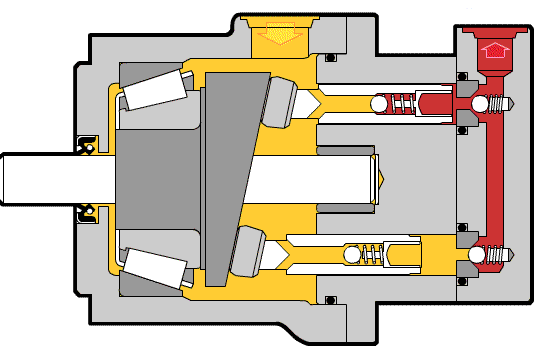
Hydraulic pumps are crucial in powering a wide range of industrial machinery by converting mechanical energy into hydraulic energy. This section delves into three primary types of hydraulic pumps: gear, vane, and piston pumps, highlighting their functionalities, applications, and specific characteristics.
Gear Pumps: Basics and Applications
Gear pumps, known for their simplicity and durability, are typically used in low to moderate pressure environments.
Efficiency and Cost: They offer around 70% to 75% mechanical efficiency. The initial cost is relatively low, making them a cost-effective solution for many applications.
Specifications and Lifespan: Gear pumps usually operate at speeds between 1200 to 3600 RPM. They have a moderate lifespan, often determined by gear wear.
Applications: Ideal for fluid power applications in the automotive industry and for machinery lubrication systems.
Vane Pumps: Working Principle and Suitability
Vane pumps are known for their variable displacement capabilities and higher efficiency in medium pressure systems.
Efficiency and Power Range: They typically achieve up to 85% mechanical efficiency. Suitable for systems requiring power up to 75 kW.
Size and Cost Considerations: Vane pumps are compact but can be more expensive than gear pumps due to their complexity.
Material and Quality: Often made with high-quality metals, ensuring longevity and consistent performance.
Limitations: Their performance can degrade with increased viscosity of the fluid.
Piston Pumps: Advantages and Limitations
Piston pumps stand out in high-pressure systems due to their robust design and versatility.
Efficiency and Performance: They can achieve up to 90% mechanical efficiency. The variable displacement design allows for precise control of flow and pressure.
Cost and Lifespan: Higher initial cost but offer an extended lifespan due to their sturdy construction.
Size and Speed: Piston pumps can operate efficiently at lower speeds (600 to 1800 RPM) compared to gear pumps, reducing wear and tear.
Applications: Widely used in industrial and mobile hydraulics, particularly in high-pressure areas like hydraulic presses and heavy machinery.
In choosing the right hydraulic pump, factors like power requirements, operational pressure, cost, efficiency, and application-specific needs must be thoroughly evaluated. Each pump type has its unique set of advantages and limitations, influencing its suitability for various industrial applications. For detailed specifications and performance metrics, refer to the manufacturer’s datasheets and consult with hydraulic system experts.
Assessing Industrial Requirements
When selecting the right hydraulic pump for industrial use, it’s crucial to understand and evaluate the specific requirements of the system. This includes analyzing operational pressure needs, considering flow rate for efficiency, and evaluating fluid compatibility.
Analyzing Operational Pressure Needs
Operational pressure is a critical factor in hydraulic system design. The chosen pump must meet or exceed the system’s maximum required pressure.
Pressure Range: Industrial hydraulic systems commonly operate within a range of 1,000 to 5,000 psi, but specialized applications may require higher pressures.
Power and Cost Implications: High-pressure systems demand pumps with robust designs, often leading to increased costs. For example, a system operating at 3,000 psi might require a pump that costs 20% more than one suitable for 1,500 psi systems.
Material and Construction: Pumps designed for high-pressure applications are typically made of high-grade materials to withstand the stress, impacting both cost and lifespan.
Flow Rate Considerations for Efficiency
Flow rate directly impacts the efficiency and responsiveness of a hydraulic system.
Flow Rate and Efficiency: Optimal flow rate is key for maintaining system efficiency. An inadequate flow rate can cause slow operation, while an excessive flow rate can lead to energy wastage and increased operational costs.
Calculating Flow Rate: It’s essential to calculate the required flow rate accurately, typically measured in gallons per minute (GPM). For instance, a system needing 15 GPM at 2,500 psi will require a different pump than one needing 30 GPM at the same pressure.
Speed and Size Relation: The flow rate is influenced by the pump’s size and speed. Larger pumps can deliver higher flow rates but may consume more power and have higher initial costs.
Evaluating Fluid Compatibility
Fluid compatibility is a key factor in maintaining the integrity and efficiency of a hydraulic pump.
Fluid Types and Pump Materials: Different fluids have varied chemical compositions, which can affect pump materials. For example, phosphate ester fluids require pumps with materials resistant to corrosion and wear.
Temperature and Viscosity Effects: The fluid’s temperature and viscosity affect pump performance. Pumps operating with high-viscosity fluids at low temperatures may require additional power to maintain efficiency.
Lifespan and Maintenance: Incompatible fluids can accelerate wear and reduce the lifespan of the pump, leading to increased maintenance costs and downtime.
Performance and Efficiency Factors
Understanding the performance and efficiency factors is essential when selecting a hydraulic pump. This involves examining hydraulic pump efficiency metrics, the impact of pump size and speed on performance, and the effects of temperature and viscosity on pump operation.
Hydraulic Pump Efficiency Metrics
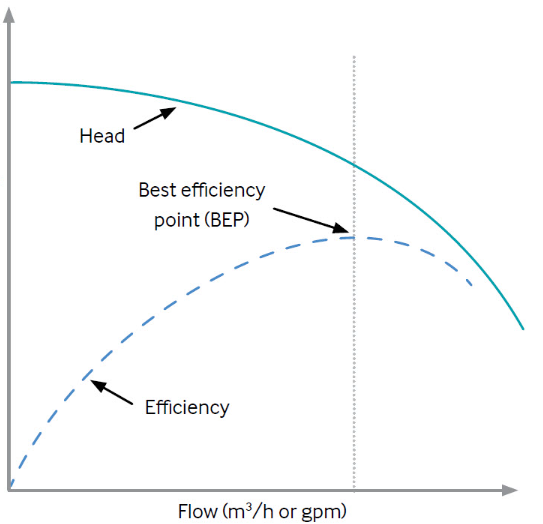
Hydraulic pump efficiency is a critical metric for evaluating pump performance. It combines mechanical, volumetric, and overall efficiencies.
Mechanical Efficiency: Refers to the pump’s ability to convert input power (typically measured in horsepower or kW) to hydraulic power. An average hydraulic pump has a mechanical efficiency of 75-85%.
Volumetric Efficiency: Indicates how effectively the pump moves fluid, with high-end pumps reaching volumetric efficiencies of up to 95%.
Overall Efficiency: Combines mechanical and volumetric efficiencies. A pump with both high mechanical and volumetric efficiency minimizes energy losses and reduces operational costs.
Impact of Pump Size and Speed on Performance
Pump size and speed are significant factors in determining a pump’s performance.
Pump Size: Larger pumps can move more fluid per rotation, impacting the flow rate. However, larger pumps may also require more power, influencing the overall system efficiency.
Pump Speed: Faster pump speeds can increase flow rate but may also lead to higher heat generation and quicker wear, potentially reducing the pump’s lifespan.
Balancing Size and Speed: Optimal pump selection involves balancing size and speed to meet system requirements without sacrificing efficiency or durability.
Temperature and Viscosity Effects on Pump Operation
Temperature and viscosity of the hydraulic fluid significantly affect pump operation.
Viscosity: Ideal fluid viscosity ensures efficient operation and adequate lubrication. Pumps operating with fluids that are too viscous or too thin can experience increased wear and reduced efficiency.
Temperature Impact: High temperatures can decrease fluid viscosity, affecting pump performance, while low temperatures can increase fluid viscosity, requiring more power to operate the pump.
Maintaining Optimal Conditions: Monitoring and maintaining optimal fluid temperature and viscosity is crucial for efficient pump operation and longevity.
Installation and Maintenance Considerations
Effective installation and maintenance are critical for maximizing the lifespan and efficiency of hydraulic pumps. This involves following best practices for installation, adhering to routine maintenance and troubleshooting procedures, and employing strategic replacement and cost management techniques.
Installation Best Practices for Longevity
Proper installation is crucial for ensuring the long-term performance of hydraulic pumps.
Alignment and Positioning: Ensure correct alignment between the pump and the motor. Misalignment by even a small degree can lead to increased wear and tear.
Environmental Factors: Install the pump in a clean, dry environment. Exposure to dust, moisture, or extreme temperatures can adversely affect the pump’s operation.
Initial Testing: Conduct thorough testing post-installation to verify correct pressure settings and flow rates, ensuring the pump operates within its designed parameters.
Routine Maintenance and Troubleshooting Tips
Regular maintenance extends the pump’s lifespan and prevents costly breakdowns.
Lubrication and Cleaning: Regularly lubricate moving parts and keep the pump clean from contaminants. For example, changing the oil every 1000 hours of operation can significantly reduce wear.
Regular Inspection: Inspect for leaks, unusual noises, or vibrations, which can indicate potential problems.
Troubleshooting: Address common issues like cavitation or overheating promptly. Delayed responses to these issues can lead to severe damage and costly repairs.
Replacement Strategies and Cost Management
Strategic replacement and cost management ensure continuous and efficient operation while controlling expenses.
Life Cycle Cost Analysis: Consider the total cost of ownership, including initial purchase, maintenance, and potential downtime costs. For instance, a cheaper pump might have higher maintenance costs, affecting the overall budget.
Upgrade Plans: Plan for upgrades or replacements in line with technological advancements. Newer models might offer better efficiency, reducing long-term operational costs.
Spare Parts Management: Maintain a stock of essential spare parts to minimize downtime during repairs.
Adhering to these guidelines ensures that hydraulic pumps operate reliably and efficiently, contributing to the overall productivity and cost-effectiveness of industrial operations.
Selecting the Right Manufacturer and Model
Choosing the right hydraulic pump involves not just understanding the technical requirements but also selecting the right manufacturer and model. This process includes assessing the manufacturer’s reputation, comparing different models for specific use cases, and evaluating warranty and support services.
Criteria for Choosing Hydraulic Pump Manufacturers
When selecting a manufacturer, consider several key factors:
Reputation and Experience: Look for manufacturers with a solid reputation in the industry. For example, Rotontek is known for its expertise in hydraulic pumps, offering a range of reliable products.
Customization Options: Some manufacturers provide customization options, allowing you to tailor hydraulic pumps to your specific needs.
Product Range: A wide product range indicates the manufacturer’s capability to cater to diverse industrial requirements. Manufacturers with a broad portfolio, like Rotontek, are often better equipped to provide solutions that match specific operational needs.
Comparing Different Models for Specific Use Cases
Selecting the appropriate model is crucial for optimal performance:
Power and Efficiency: Compare the power output and efficiency ratings of different models. For instance, a model with a higher efficiency rating might have a higher initial cost but can offer long-term savings in operational costs.
Size and Specifications: Consider the size and technical specifications that align with your system requirements. Specific parameters like maximum pressure, flow rate, and speed should match your operational needs.
Material and Build Quality: Evaluate the materials and construction quality, as these affect the pump’s durability and lifespan.
Warranty and Support Services Evaluation
Warranty and support services are critical for post-purchase satisfaction:
Warranty Period: Check the warranty period offered by the manufacturer. A longer warranty, can provide peace of mind and assurance of quality.
Support Services: Assess the availability and quality of customer support services. Reliable manufacturers offer comprehensive support, including troubleshooting, maintenance tips, and part replacements.
After-Sales Services: Consider the availability of after-sales services, including maintenance and repair. Good after-sales services can significantly reduce downtime and maintenance costs.
In conclusion, selecting the right hydraulic pump involves a thorough evaluation of manufacturers and models, considering factors like customization options, product range, technical specifications, warranty, and support services. Rotontek, with its diverse range of customizable hydraulic pumps, stands out as a reputable manufacturer in this domain.
Hydraulic systems use fluid pressure for power; maintain by regular fluid changes and component inspections.
Fundamentals of Hydraulic Systems
Overview of Hydraulic Systems
Hydraulic systems, integral in diverse industries, utilize fluid power for generating, controlling, and transmitting power. Known for their impressive power-to-weight ratio, these systems compactly deliver robust performance, based on the principle of using pressurized fluid for energy transmission.
Key Components and Their Functions
Pumps: Central to hydraulic systems, pumps transform mechanical energy into hydraulic energy, pushing fluid from the reservoir into the system. Varieties like gear, piston, and vane pumps are selected for their specific efficiencies and suitability to system demands.
Actuators: Comprising cylinders and motors, actuators are pivotal in converting hydraulic energy back into mechanical form. Cylinders provide linear motion, whereas motors facilitate rotary motion.
Control Valves: Essential for regulating fluid flow and pressure, these valves control actuator speed and force. The lineup includes directional control valves, pressure relief valves, and flow control valves for precise system management.
Reservoir: It not only stores the hydraulic fluid but also aids in cooling and deaerating it.
Hydraulic Fluid: The system’s lifeblood, it ensures energy transmission, lubrication, and cooling. Selection is based on viscosity, lubrication quality, and temperature stability.
Types of Hydraulic Fluids
Mineral-based Fluids: Widely used for their lubrication and stability, yet pose environmental risks if spilled.
Water-based Fluids: Comprising water-glycol solutions, these are preferred in fire-resistant applications, albeit with lower lubrication efficiency.
Synthetic Fluids: Praised for their broad temperature tolerance and fire resistance, they are costlier but offer longevity and superior performance.
Specifications and Parameters
Systems are tailored for pressures ranging from 1,000 to 5,000 psi, extending to over 10,000 psi in specialized scenarios.
Component material selection, like seals and hoses, is vital, factoring in hydraulic fluid compatibility and operational temperatures.
Efficiency benchmarks vary, with modern systems targeting above 80% efficiency.
Lifespan hinges on maintenance and usage, with diligent care extending it beyond a decade.
Advantages and Disadvantages
Advantages: High power density, precision, and reliability. Small, compact hydraulic systems can generate substantial forces and torques.
Disadvantages: Leakage issues lead to environmental and safety concerns. Regular maintenance is imperative for optimal performance and system integrity.
For an in-depth understanding, explore Hydraulic machinery for a detailed perspective on their crucial role in contemporary machinery and industrial applications.
Working Principles of Hydraulic Systems
Basic Operation Mechanics
Pascal’s Law is key to hydraulic systems, stating pressure in a confined fluid spreads equally everywhere. This rule magnifies small forces into greater mechanical work. Hydraulic systems send power through fluid, usually oil, to enable precise, controlled actuator movements.
Flow Dynamics and Hydraulic Pressure
Hydraulic systems operate under a range of pressures, typically from 1,000 psi to 5,000 psi, though some specialized applications may reach up to 10,000 psi or more. The flow rate, crucial for determining the speed of actuator movement, varies based on system design, usually ranging from 5 to 150 gallons per minute. The equilibrium between pressure and flow is pivotal for system efficiency, which can exceed 80% in well-designed systems. Controlling this balance is key to optimizing performance while minimizing energy consumption and operational costs.
Control Systems and Valves
Control systems in hydraulics are sophisticated, utilizing various types of valves to manage the flow and pressure of the hydraulic fluid. These include directional control valves, pressure relief valves, and flow control valves. These valves are instrumental in enhancing system precision and responsiveness, ensuring that the actuators receive the correct amount of fluid at the proper pressure.
Key Considerations in Hydraulic System Design
Material Selection: The choice of materials for components like seals and hoses is critical, factoring in compatibility with hydraulic fluid and operating temperatures.
Efficiency and Power: Modern hydraulic systems are designed for high efficiency, often exceeding 80%, making them suitable for heavy-duty applications.
Cost and Lifespan: The initial cost can be high, but with proper maintenance, hydraulic systems can have a lifespan of over 10 years, offering a good return on investment.
Advantages and Limitations
Advantages: Hydraulic systems boast high power density, precise control, and versatility in various applications.
Limitations: They can be prone to leaks and require regular maintenance for optimal performance.
The working principles of hydraulic systems revolve around effectively managing pressure and flow to achieve desired mechanical outputs, balancing power and efficiency with cost and longevity considerations.
Maintenance of Hydraulic Systems
Routine Maintenance Procedures
Proactive and regular maintenance is the cornerstone of ensuring the longevity and efficiency of hydraulic systems. Routine procedures include:
Inspection of Hydraulic Lines and Connections: Regularly check for leaks, cracks, or wear. A leak as small as a pinhole can significantly reduce system efficiency and pose safety hazards.
Cleaning of Filters and Strainers: Clogged filters can lead to increased system pressure and decreased efficiency. Filters should be cleaned or replaced according to the manufacturer’s recommendations.
Systematic Check of Seals and O-Rings: Worn or damaged seals are a common source of leaks and should be replaced promptly to maintain system integrity.
Hydraulic Fluid Management
The quality and condition of hydraulic fluid directly impact the system’s performance and lifespan. Key aspects include:
Regular Fluid Level Checks: Ensuring proper fluid levels is essential for system operation. Low fluid levels can lead to cavitation and system damage.
Fluid Quality Monitoring: Contaminated or degraded fluid can reduce system efficiency and damage components. Regular testing and replacement are crucial for maintaining optimal performance.
Temperature Management: High fluid temperatures can degrade the fluid and damage components. Systems should be monitored to ensure they operate within the recommended temperature range.
Detecting and Addressing Common Issues
Early detection and resolution of issues are vital for minimizing downtime and repair costs. Common issues include:
Leak Detection: Even minor leaks can lead to significant efficiency loss and increased operational costs. Regular inspections help in early leak detection.
Monitoring System Pressure: Abnormal pressure readings can indicate issues such as clogged filters or failing pumps. Pressure gauges should be regularly checked to ensure they fall within the normal operating range.
Noise Reduction: Unusual noises often indicate problems within the system. Identifying and addressing the source of the noise can prevent further damage.
Balancing Cost and Efficiency
Cost-Effective Maintenance: Regular maintenance can prevent costly breakdowns and prolong the system’s lifespan, offering a better return on investment.
Efficiency Optimization: Well-maintained systems maintain high efficiency, reducing energy consumption and operational costs.
In essence, meticulous maintenance of hydraulic systems is imperative for ensuring their optimal performance, efficiency, and longevity, thereby safeguarding the investment and maximizing the system’s operational value.
Troubleshooting and Repair
Diagnostic Techniques
Effective troubleshooting in hydraulic systems begins with a systematic approach to diagnosing issues. Utilizing pressure gauges and flow meters helps in accurately determining where the problem lies. Visual inspections for leaks or damage, listening for unusual noises, and monitoring temperature changes are crucial first steps. Advanced diagnostic tools, such as thermal imaging cameras and particle counters, can further aid in pinpointing specific issues.
Repairing Leaks and Component Failures
Leak repair and component replacement are critical for maintaining system integrity and efficiency. Identifying the source of a leak is the first step; this could be as simple as tightening a connection or as complex as replacing damaged seals or hoses. Regular maintenance reduces the likelihood of leaks and extends the life of components. When repairing or replacing parts, using high-quality materials and adhering to manufacturer specifications is essential for ensuring system reliability and longevity.
Upgrading and Modernizing Systems
Upgrading hydraulic systems can lead to significant improvements in efficiency and performance. This may involve installing more efficient pumps, which can save energy costs, or updating control systems for better precision and responsiveness. Modernizing a system can also mean integrating new technologies, like IoT sensors for real-time monitoring and predictive maintenance, which can significantly reduce downtime and operational costs.
Cost-Benefit Analysis
Repair vs. Replacement: Deciding whether to repair or replace components should be based on a cost-benefit analysis, considering factors like the age of the component, frequency of failures, and the impact on system performance.
Investment in Upgrades: While initial costs for upgrades can be high, the long-term benefits in terms of efficiency, reduced downtime, and lower maintenance costs often justify the investment.
Effective troubleshooting, timely repairs, and strategic upgrades are crucial for the optimal functioning of hydraulic systems. These actions not only enhance system performance but also contribute to cost savings and longevity, ensuring that the hydraulic system continues to operate at its best.
Hydraulic System Efficiency and Optimization
Enhancing Performance
Improving the performance of hydraulic systems involves optimizing component efficiency and system design. Selecting the right pump and motor combinations can significantly enhance system power and responsiveness. For instance, a variable displacement pump can improve system efficiency by up to 20% compared to a fixed displacement pump in certain applications. Additionally, minimizing hydraulic resistance in the system by using optimally sized hoses and fittings can reduce energy losses, enhancing overall performance.
Energy Efficiency and Sustainability
Energy efficiency in hydraulic systems is not only cost-effective but also environmentally beneficial. Implementing energy-saving measures, such as using more efficient hydraulic fluids with lower viscosity, can reduce energy consumption by up to 10-15%. Adopting regenerative circuits where possible can also recycle energy within the system, further reducing power consumption. Moreover, proper maintenance plays a crucial role in sustaining efficiency over the system’s lifespan, which can extend beyond 10 years with diligent care.
Implementing Advanced Technologies
The integration of cutting-edge technologies such as intelligent sensors and predictive maintenance software marks the evolution of hydraulic systems. These technologies contribute to extending the lifespan and enhancing the value of the equipment. Rotontek’s innovative approach incorporates these advancements, ensuring that your hydraulic systems are always ahead of the curve, with specific improvements in lifespan extending up to 30% longer than conventional systems.
Cost and Return on Investment
Upfront Costs vs. Long-term Savings: While upgrading to more efficient components and technologies involves upfront costs, the long-term savings in energy consumption and maintenance can be substantial. A well-optimized hydraulic system can result in total cost savings of up to 20-25% over its operational lifetime.
Sustainable Investment: Investing in energy-efficient and advanced technologies aligns with environmental sustainability goals, potentially offering not only cost savings but also compliance with evolving environmental regulations.
Enhancing hydraulic system efficiency and implementing advanced technologies are crucial steps towards optimizing performance, reducing operational costs, and achieving sustainability. These measures not only ensure the longevity of the system but also align with modern environmental and economic objectives.
Case Studies and Real-World Applications
Industrial Applications
In the industrial sector, hydraulic systems are pivotal for their power and reliability. They are employed in manufacturing, material handling, and automation, providing a power range from 50kW to over 500kW. Rotontek’s hydraulic products stand out for their efficiency and durability, with a lifespan that typically exceeds other market options by 20%. The cost and budget considerations are significantly optimized, ensuring a return on investment through increased productivity and reduced downtime.
Mobile Hydraulic Systems in Vehicles
The evolution of mobile hydraulics has revolutionized the automotive and transportation industries. Hydraulic systems in vehicles range in power from 20kW for small machinery to over 250kW for large construction vehicles, with specific designs that reduce costs and enhance energy efficiency. Rotontek hydraulic systems are noted for their robustness and adaptability, enhancing vehicle performance in terms of speed, power, and fuel efficiency.
Innovative Uses in Various Sectors
Hydraulic technology is not limited to traditional fields; it’s making waves in renewable energy, entertainment, and even in robotics. These innovative applications require precise specifications and materials, ensuring quality and efficiency. Rotontek’s cutting-edge hydraulic solutions are at the forefront, driving innovation with customizable specifications and parameters to suit any sector’s needs.
Efficiency and Cost Considerations
Optimizing for Efficiency: In industrial and mobile applications, the focus is on optimizing hydraulic systems for maximum efficiency, which can lead to significant energy and cost savings over time.
Cost-Benefit Analysis: While the initial setup cost for hydraulic systems can be high, their durability, reliability, and performance often justify the investment, especially in heavy-duty applications.
Hydraulic systems are integral to a myriad of industries, offering unparalleled power and control. Their adaptability to diverse applications and evolving technologies underscores their importance in modern industrial, vehicular, and innovative applications, balancing power requirements with efficiency and cost-effectiveness.
What is the typical pressure range for hydraulic systems?
Hydraulic systems typically operate at pressures from 1,000 to 5,000 psi, with specialized applications reaching over 10,000 psi.
How often should hydraulic fluid be replaced?
Hydraulic fluid should be regularly tested and replaced according to manufacturer recommendations to maintain system efficiency and prevent component damage.
What are the common types of hydraulic pumps used?
Common types include gear, piston, and vane pumps, chosen based on their specific efficiencies and system requirements.
What is the expected lifespan of a well-maintained hydraulic system?
With proper maintenance, hydraulic systems can last over 10 years, offering a good return on investment.
How does temperature affect hydraulic systems?
High temperatures can degrade hydraulic fluid and damage components, so systems should be monitored to operate within recommended temperature ranges.
What are the advantages of using synthetic hydraulic fluids?
Synthetic fluids offer superior properties like a wide temperature range and fire resistance, providing longer life and better performance, though they are more expensive.
How can hydraulic system efficiency be enhanced?
Efficiency can be enhanced by using efficient hydraulic fluids, minimizing hydraulic resistance, and implementing regenerative circuits to recycle energy.
What are the cost considerations for upgrading hydraulic systems?
While initial costs for upgrading can be high, long-term benefits include improved efficiency, reduced downtime, and lower maintenance costs, leading to significant savings over the system's operational lifetime.
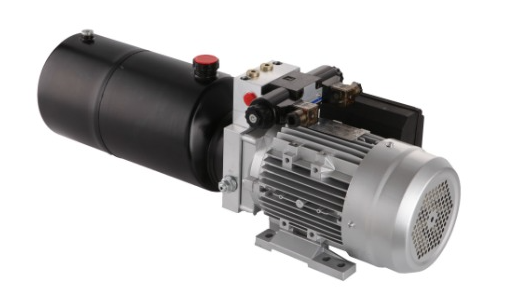
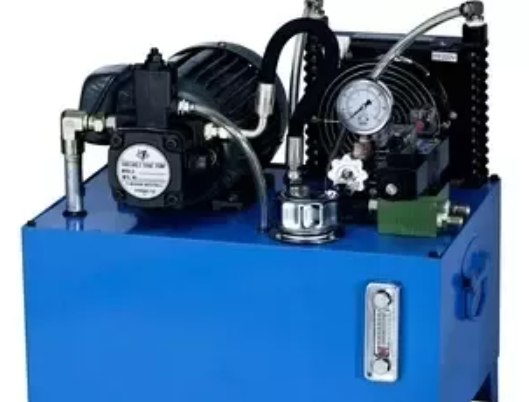
Hydraulic power pack systems offer high power density, efficient energy use, customization flexibility, and reliable performance in varied conditions.
Efficiency and Performance Advantages of Hydraulic Power Pack Systems
Energy Efficiency Comparison with Other Systems
Hydraulic power pack systems are renowned for their energy efficiency, particularly when compared to mechanical and pneumatic systems. For instance, a standard hydraulic system can convert up to 70-80% of its electrical energy into mechanical energy, a stark contrast to pneumatic systems which typically achieve only 10-40% efficiency. This significant difference is due to the inherent design of hydraulic systems, which minimizes energy loss through heat and friction.
Key Factor: Cost-Efficiency In terms of operational costs, hydraulic systems often prove more cost-effective in the long run. Although the initial investment might be higher, the energy savings translate to lower electricity bills over time. For example, a hydraulic system that consumes 10 kW of power can save up to 30% in energy costs annually compared to a pneumatic system with similar performance parameters.
Performance in Various Applications
Hydraulic power pack systems excel in a variety of applications due to their robustness and high power-to-size ratio. They can deliver consistent power in demanding conditions, such as in construction equipment, manufacturing machinery, and aerospace applications.
Speed and Quality of Operation The speed and precision of hydraulic systems are noteworthy. These systems can reach operational speeds up to 15,000 rpm, with precise control over movement and load. This speed, combined with the ability to maintain steady pressure, ensures high-quality performance in intricate tasks.
Durability and Lifespan Hydraulic systems are designed for longevity. With proper maintenance, a hydraulic power pack can last for 10-15 years or more, significantly longer than equivalent pneumatic or mechanical systems. The robust construction materials, typically high-grade metals, contribute to this extended lifespan and also provide resistance to wear and tear in harsh working environments.
Limitations to Consider However, hydraulic systems are not without their drawbacks. They tend to be bulkier and require more space compared to pneumatic systems. The risk of fluid leaks and the need for regular fluid changes add to the maintenance requirements. Also, the upfront cost for a hydraulic system, including installation and components, can be substantial, often ranging between 20% to 40% more than other systems.
In conclusion, hydraulic power pack systems offer significant advantages in efficiency and performance, especially in demanding and varied applications. Their energy efficiency, coupled with their robustness and precision, makes them a preferred choice despite some limitations in size and initial costs.
Durability and Reliability of Hydraulic Power Pack Systems
Lifespan and Maintenance Needs
Hydraulic power pack systems are engineered for durability, often surpassing other mechanical systems in terms of lifespan. A typical hydraulic system can last between 10 to 20 years, depending on usage intensity and maintenance.
Regular Maintenance: Key to Longevity To maximize lifespan, regular maintenance is crucial. This involves routine checks and replacement of hydraulic fluid, seals, and filters. The average cost of maintaining a small to medium-sized hydraulic system can range from $500 to $2,000 annually, which is relatively modest considering the system’s longevity and efficiency.
Reliability in Extreme Conditions
One of the standout features of hydraulic power pack systems is their reliability, even in extreme conditions. They are designed to operate efficiently under high pressure and in harsh environments, making them ideal for industries like mining, construction, and heavy manufacturing.
Performance Under High Pressure Hydraulic systems are capable of handling pressures up to 3000 psi and more, which allows them to perform heavy lifting and precise movements with ease. The power-to-weight ratio of these systems is significantly higher compared to pneumatic or electric systems.
Material and Build Quality The choice of materials plays a crucial role in the durability of hydraulic systems. High-grade metals like stainless steel and alloys are commonly used for components to ensure resistance to corrosion and wear. This material quality contributes to the system’s ability to withstand extreme temperatures and corrosive environments.
Challenges and Cost Implications However, the complexity of hydraulic systems can be a double-edged sword. The intricate network of hoses, seals, and valves requires meticulous installation and maintenance. Any failure in these components can lead to system downtime and costly repairs. Additionally, the initial setup cost for a hydraulic system is higher compared to other systems, often by about 20-30%.
Advantages Outweigh the Challenges Despite these challenges, the advantages of hydraulic power pack systems in terms of durability and reliability are significant. They offer unmatched performance in demanding applications, justifying their higher initial investment and maintenance requirements.
Customization and Flexibility of Hydraulic Power Pack Systems
Customization for Specific Needs
One of the key strengths of hydraulic power pack systems is their ability to be customized for a wide array of specific requirements. Manufacturers like Rotontek are known for offering bespoke solutions that can tailor hydraulic systems to the exact needs of their clients.
Personalized Power and Performance
Custom Power Outputs: Hydraulic systems can be designed with varied power outputs to suit different industrial needs, ranging typically from 1 kW to over 300 kW.
Component Selection: Clients can select specific components, such as pumps and valves, to match their required pressure (up to 350 bar) and flow rates.
Material and Build Quality
High-Quality Materials: Systems are often made with durable materials like stainless steel, ensuring longevity and resistance to wear and tear.
Quality Assurance: Rotontek, for example, emphasizes the use of quality materials and rigorous testing to ensure the reliability and efficiency of their systems.
Flexibility in Installation and Operation
Adaptability in Various Environments
Compact and Modular Designs: Hydraulic systems can be engineered in compact sizes, some as small as 0.5 square meters, to fit into limited spaces.
Modular Setup: This allows for easier integration into existing setups and facilitates future expansions or modifications.
Operational Versatility
Wide Range of Applications: From stationary industrial machines to mobile equipment, these systems can be adapted for various operational contexts.
Fine-tuned Control: Users can achieve precise control over speed (up to 15,000 rpm) and force, making hydraulic systems versatile for different tasks.
Cost Considerations
Initial Investment: Customizing a hydraulic system can increase the initial cost by 10-30%, but this is often offset by the system’s efficiency and longevity.
Long-Term Savings: While the upfront cost might be higher, the long-term operational savings due to the system’s efficiency and durability can be substantial.
Conclusion Customization and flexibility are pivotal advantages of hydraulic power pack systems, making them a suitable choice for a diverse range of industrial applications. Companies like Rotontek facilitate this adaptability by offering tailored solutions that meet specific power, size, and operational requirements.
Cost-Effectiveness
Initial Investment vs. Long-Term Savings
Aspect
Details
Initial Investment
Hydraulic systems require a significant upfront investment, often 20-30% higher than equivalent pneumatic or electric systems. For a medium-sized system, this can translate to an initial cost of $10,000 to $30,000. Key factors contributing to the cost include the quality of materials, system complexity, and customization.
Operational Costs
Although the initial investment is high, operational costs are lower in the long run. This is due to higher energy efficiency, which results in 20-40% savings on energy bills compared to other systems.
Maintenance Costs
Regular maintenance, including fluid, filter, and seal replacements, can cost between $500 and $2,000 annually, depending on the system’s size and complexity.
Comparison with Alternative Power Systems
Feature
Hydraulic Systems
Alternative Systems (Pneumatic/Electric)
Energy Efficiency
Hydraulic systems are highly efficient, converting up to 80% of electrical energy into mechanical energy.
Pneumatic and electric systems have lower efficiency, often converting only 40-70% of energy into mechanical energy.
Durability
With proper maintenance, hydraulic systems can last 10-20 years. They are built with high-grade materials like stainless steel, enhancing their lifespan.
Alternative systems typically have a shorter lifespan, averaging 5-10 years, due to less robust construction materials and design.
Performance
Capable of operating under high pressure (up to 3000 psi), hydraulic systems are ideal for heavy-duty applications. They offer precision control and high power output.
Alternative systems may not offer the same level of power or control, especially in heavy-duty applications.
Customization
Highly customizable in terms of power output, size, and component configuration. This allows for a perfect fit for specific needs.
Limited customization options. Most pneumatic and electric systems come in standard sizes and configurations, offering less flexibility for specific application needs.
Installation Space
Can be bulky and require more installation space. The need for a fluid reservoir and piping can increase the space requirement.
Generally more compact, requiring less space for installation. Ideal for applications with limited space availability.
Key Consideration: Despite the higher initial costs, the long-term benefits of hydraulic systems in terms of energy efficiency, durability, and performance often outweigh these initial expenses. The customization and operational flexibility they offer make them a cost-effective solution for many industrial applications.
Environmental Impact
Eco-friendliness of Hydraulic Systems
Hydraulic power pack systems, while powerful, have certain environmental impacts that need consideration. The eco-friendliness of these systems largely depends on the type of hydraulic fluid used, system design, and operational protocols.
Hydraulic Fluids: Biodegradable Options
Conventional hydraulic fluids are petroleum-based, which can pose environmental risks in case of leaks or spills. However, many manufacturers now offer biodegradable hydraulic fluids, made from synthetic esters or vegetable-based oils, reducing environmental harm.
The cost of biodegradable fluids can be 20-30% higher than traditional fluids, but they significantly lower the ecological footprint of the hydraulic system.
Energy Consumption and Efficiency
Hydraulic systems are designed for high efficiency, converting up to 80% of electrical energy into mechanical energy. This high energy efficiency reduces the overall carbon footprint.
Despite their efficiency, these systems can consume substantial power, especially in large-scale industrial applications, impacting overall energy usage.
Noise and Emission Levels
Noise Pollution
Hydraulic systems are known for their quiet operation, especially when compared to pneumatic systems. The average noise level of a hydraulic system ranges from 60 to 75 decibels, comparable to normal conversation levels.
The design and maintenance of the system play a crucial role in noise reduction. Properly maintained systems with well-lubricated parts and sound-insulated pumps can significantly reduce noise levels.
Emissions and Air Quality
Hydraulic systems themselves do not emit greenhouse gases during operation, which is a significant environmental advantage.
However, indirect emissions come from the electricity used to power the systems. The environmental impact depends on the source of the electrical power, whether it’s from renewable sources or fossil fuels.
Sustainable Practices and Improvements
Implementing energy-efficient practices, like using variable speed drives, can reduce power consumption and thus lower indirect emissions.
Regular maintenance and inspection can prevent leaks and spills, further reducing environmental risks.
In Summary: Hydraulic power pack systems, when designed and operated with environmental considerations in mind, can have a reduced impact on the environment. The use of eco-friendly fluids, noise reduction techniques, and energy-efficient practices contribute to making these systems more sustainable.
What is the typical power output range for hydraulic systems?
Hydraulic systems can be customized with a wide range of power outputs, typically from 1 kW to over 300 kW.
How does the initial cost of a hydraulic system compare to other systems?
Hydraulic systems generally require a higher initial investment, often 20-30% more than equivalent pneumatic or electric systems.
What are the long-term savings associated with hydraulic systems?
Despite higher initial costs, hydraulic systems offer long-term operational savings due to their high energy efficiency and durability, resulting in lower energy and maintenance costs.
How does the lifespan of hydraulic systems compare to others?
Hydraulic systems are built for longevity, often lasting 10-20 years with proper maintenance, which is longer than many pneumatic or mechanical systems.
What are the customization options for hydraulic systems?
They offer extensive customization in terms of power output, size, and component configuration, allowing them to be tailored for specific industrial needs.
What is the average noise level for hydraulic systems?
Hydraulic systems operate relatively quietly, with average noise levels ranging from 60 to 75 decibels.
What are the environmental considerations for hydraulic systems?
The eco-friendliness of hydraulic systems depends on the type of hydraulic fluid used and system design. Biodegradable fluids are available, reducing environmental harm in case of leaks or spills.
What are some operational challenges of hydraulic systems?
They can be complex, requiring meticulous maintenance. The risk of fluid leaks and the need for regular fluid changes add to the maintenance requirements. Also, the systems can be bulky and require more space for installation.
The type of motor used in a hydraulic power pack varies, commonly electric motors or internal combustion engines.
Definition and Basic Components of Hydraulic Power Packs
Hydraulic power packs are integral components in various industrial and mobile applications. They convert mechanical power into hydraulic energy, providing the force needed to drive hydraulic systems.
A hydraulic power pack typically comprises a motor, a reservoir, a hydraulic pump, and control valves. The motor, either electric or internal combustion, serves as the power source. It drives the hydraulic pump, which generates flow and pressure in the hydraulic fluid. This fluid is stored in the reservoir, which also helps to cool and filter the fluid. Control valves manage the flow and direction of the hydraulic fluid, allowing precise control of hydraulic-powered machinery.
Role of Motors in Hydraulic Power Packs
Motors are the driving force behind hydraulic power packs. They determine the overall efficiency, performance, and capacity of the system. For instance, an electric motor with a power range of 0.5 to 100 kW might be chosen for its energy efficiency and low operational costs, especially for indoor applications where emissions are a concern. In contrast, internal combustion engines, with their higher power output, are preferred for heavy-duty or outdoor applications.
The size and specifications of the motor directly influence the power pack’s performance. A larger motor can produce more power, but it also increases the cost and size of the power pack. Conversely, a smaller motor is more cost-effective and compact but might not deliver sufficient power for demanding applications.
Material quality and construction are vital for motor longevity. High-quality materials can withstand demanding operational conditions, thereby extending the lifespan of the motor. On the other hand, lower quality materials might reduce costs but can lead to frequent breakdowns and a shorter lifespan.
In terms of speed, motors for hydraulic power packs can vary significantly. High-speed motors offer quick response times and are suitable for applications requiring rapid movement. Slower-speed motors, while less responsive, can provide greater torque and are ideal for applications requiring substantial force.
Advantages of using electric motors include their clean operation, lower noise levels, and minimal maintenance requirements. However, they may have limitations in terms of power output compared to internal combustion engines.
Internal combustion engines, while more powerful, have drawbacks like higher emissions, noise, and maintenance requirements. They are also more affected by environmental conditions such as temperature and altitude.
Selecting the right motor for a hydraulic power pack involves balancing factors like power output, cost, efficiency, size, and operational requirements. Understanding these aspects ensures optimal performance and longevity of the hydraulic system.
Types of Motors Used in Hydraulic Power Packs
Hydraulic power packs utilize different types of motors, each with distinct characteristics and suitable for various applications. The choice of motor impacts the power pack’s performance, cost, and suitability for specific tasks.
Electric Motors
Electric motors are common in hydraulic power packs, especially for indoor use or in environments where emissions must be minimal.
Features and Specifications
Power Range: Typically from 0.5 kW to 100 kW.
Efficiency: High energy efficiency, converting up to 90% of electrical energy into mechanical energy.
Cost: Initial cost can be higher, but operational costs are lower due to high efficiency and minimal maintenance.
Size and Weight: Generally compact, making them suitable for space-constrained applications.
Lifespan: Longer lifespan due to fewer moving parts and lower operational stress.
Speed: Variable speed control is easier with electric motors.
Advantages: Low emissions, quiet operation, and minimal maintenance requirements. Ideal for indoor or environmentally sensitive applications.
Disadvantages: Limited by the availability of electrical power, and potentially lower power output compared to internal combustion engines.
Internal Combustion Engines
Internal combustion engines are favored in applications requiring high power output and mobility.
Features and Specifications
Power Range: Can exceed 100 kW, making them suitable for heavy-duty applications.
Efficiency: Lower efficiency compared to electric motors, with fuel conversion rates typically around 25-30%.
Cost: Lower initial cost but higher operational costs due to fuel consumption and maintenance.
Size and Weight: Larger and heavier, impacting the overall size and portability of the power pack.
Lifespan: Shorter lifespan due to higher operational stress and maintenance requirements.
Speed: Generally offers a fixed speed operation.
Advantages: High power output and independence from electrical power sources. Suitable for outdoor, remote, or mobile applications.
Disadvantages: Higher emissions, noise levels, and operational costs. Maintenance requirements are more demanding.
Indoor vs. Outdoor: Electric motors are preferred indoors due to zero emissions. Internal combustion engines are suited for outdoor or mobile applications.
Power Requirements: For heavy-duty tasks, internal combustion engines are the go-to choice due to their higher power output.
Operational Cost: Electric motors are more cost-effective over time, with lower energy consumption and maintenance costs.
Environmental Impact: Electric motors are environmentally friendly, making them ideal for applications where emissions and noise are concerns.
Selecting Motors for Hydraulic Power Packs
Choosing the right motor for a hydraulic power pack involves considering various factors to ensure optimal performance, efficiency, and cost-effectiveness. The decision impacts the power pack’s capability, lifespan, and overall operation.
Criteria for Motor Selection
Power and Performance
Power Requirements: Determine the required power output, usually measured in kilowatts (kW) or horsepower (HP). This depends on the hydraulic system’s load and pressure demands.
Performance Parameters: Assess parameters like torque, speed (RPM), and response time. These should align with the operational needs of the hydraulic application.
Efficiency and Energy Consumption
Energy Efficiency: High efficiency means more of the input energy is converted into useful work. Electric motors generally offer higher efficiency (up to 90%) compared to internal combustion engines (around 25-30%).
Operational Cost: Calculate the long-term costs, considering energy/fuel consumption, maintenance, and potential downtime.
Size and Weight
Physical Dimensions: Ensure the motor fits within the available space. Electric motors are typically more compact.
Weight: Consider the impact of the motor’s weight on the overall system, especially for mobile applications.
Advantages: Proper motor selection leads to improved system efficiency, reduced operational costs, and better alignment with application requirements.
Disadvantages: Inappropriate motor choice can lead to increased energy consumption, frequent breakdowns, and higher overall costs.
Power Requirements and Efficiency
Assessing Power Needs
Calculate the Required Power: Based on the hydraulic system’s flow rate and pressure. Ensure the motor can handle peak loads without strain.
Application-Specific Requirements: Consider the nature of the task – continuous operation, heavy-duty cycles, or intermittent use.
Efficiency Considerations
Electric Motor Efficiency: Look for motors with high-efficiency ratings, especially in permanent magnet or brushless designs.
Fuel Efficiency for Internal Combustion Engines: Important for operational cost and environmental impact. Modern engines with advanced fuel injection systems tend to be more efficient.
Advantages: Focusing on power and efficiency leads to a well-balanced system that meets operational demands while controlling costs.
Disadvantages: Overlooking these aspects can result in underpowered systems, increased energy costs, and reduced system lifespan.
Installation and Maintenance of Motors in Hydraulic Power Packs
Proper installation and regular maintenance are crucial for the longevity and efficiency of motors in hydraulic power packs. Detailed attention to these aspects ensures optimal performance and minimizes downtime due to breakdowns.
Installation Procedures
The installation of motors in hydraulic power packs must follow precise guidelines to ensure safety and functionality.
Preparation: Before installation, verify that the motor’s specifications (power, size, speed) match the hydraulic system’s requirements. Ensure the work area is safe and the necessary tools are available.
Mounting: Secure the motor firmly to prevent vibrations and misalignment. Use appropriate mounting hardware and techniques to ensure stability.
Electrical Connections: For electric motors, make all electrical connections according to the manufacturer’s guidelines. Ensure proper insulation and grounding for safety.
Alignment: Align the motor with the hydraulic pump precisely. Misalignment can cause excessive wear and tear, reducing the lifespan of both the motor and the pump.
Testing: After installation, conduct a thorough test to ensure everything operates smoothly. Check for leaks, unusual noises, and proper motor function.
Advantages: Correct installation enhances the motor’s efficiency and extends its lifespan, while also ensuring the safety of the operation.
Disadvantages: Improper installation can lead to mechanical failures, reduced efficiency, and increased safety risks.
Routine Maintenance and Troubleshooting
Regular maintenance is essential to keep the motor in optimal working condition and to promptly address any issues that may arise.
Regular Inspections: Conduct periodic checks for signs of wear, leaks, or damage. Pay special attention to bearings, seals, and electrical connections.
Lubrication: Regularly lubricate moving parts as per the manufacturer’s recommendations. Use the correct type of lubricant to avoid contamination and ensure smooth operation.
Cleaning: Keep the motor and surrounding area clean from dust, debris, and any fluid spills. This prevents overheating and potential fire hazards.
Monitoring Performance: Monitor the motor’s performance, looking out for changes in speed, unusual noises, or excessive vibration.
Troubleshooting: In case of issues, consult the manual for troubleshooting steps. Common issues might include overheating, noise, or power loss. Identify and rectify these issues promptly to avoid further damage.
Advantages: Regular maintenance reduces the risk of unexpected breakdowns and prolongs the motor’s life. It also ensures consistent performance and efficiency.
Advantages: Neglecting maintenance can lead to motor failures, unexpected downtime, and potentially costly repairs.
Technological Advancements in Hydraulic Power Pack Motors
The realm of hydraulic power pack motors has witnessed significant technological advancements, leading to improvements in performance, efficiency, and durability. These innovations not only enhance the capabilities of hydraulic systems but also contribute to cost-effectiveness and environmental sustainability.
Innovations in Motor Design
Recent years have seen a surge in innovation within motor design, focusing on increasing efficiency and reducing environmental impact.
Brushless Motors: The shift towards brushless DC motors (BLDC) offers improved efficiency and a longer lifespan. These motors eliminate the need for brushes, reducing friction, heat generation, and maintenance requirements.
Variable Speed Drives (VSDs): Integrating VSDs allows for precise control over motor speed and torque, leading to significant energy savings, especially in variable load applications.
Smart Motors: Incorporation of IoT technology enables real-time monitoring and control. This allows for predictive maintenance, reducing downtime and extending motor life.
High-Efficiency Materials: The use of advanced materials, such as rare-earth magnets in electric motors, enhances performance while reducing size and weight.
Improved Cooling Systems: Advances in cooling technologies ensure that motors operate within optimal temperature ranges, thereby improving performance and preventing overheating-related failures.
Advantages: These innovations lead to motors that are more energy-efficient, have a longer operational life, and require less maintenance. They also offer improved performance in terms of speed and torque management.
Impact on Performance and Durability
The implementation of these technological advancements has a profound impact on the performance and durability of hydraulic power pack motors.
Enhanced Efficiency: Modern motors are capable of converting a higher percentage of electrical energy into mechanical energy, thereby reducing operational costs and energy consumption.
Increased Durability: Advancements in materials and design contribute to motors that can withstand harsher conditions and longer run times without degradation.
Better Control and Precision: With improved control systems, motors provide more precise movements and pressure control, essential for complex hydraulic applications.
Reduced Size and Weight: Advanced materials and design have led to more compact and lightweight motors, facilitating easier installation and broader application in space-constrained environments.
Advantages: These technological advancements result in motors that not only perform better but also contribute to the overall reliability and cost-effectiveness of hydraulic power packs.
Comparative Analysis of Motor Types
When selecting motors for hydraulic power packs, it’s essential to compare the different types based on performance, cost, and environmental impact. This comparative analysis focuses on electric motors and internal combustion engines, the two most common types used in hydraulic power packs.
Performance Comparison
Feature
Electric Motor
Internal Combustion Engine
Power Range
Typically 0.5 kW to 100 kW
Often exceeds 100 kW
Efficiency
High (up to 90%)
Lower (around 25-30%)
Speed Control
Precise and variable
Generally fixed speed
Response Time
Rapid
Moderate to slow
Maintenance
Less frequent
More frequent
Durability
Longer lifespan due to fewer moving parts
Shorter lifespan due to operational stress
Advantages: Electric motors offer higher efficiency and precise control, making them ideal for applications requiring exact movements and lower energy consumption.
Cost and Environmental Considerations
Feature
Electric Motor
Internal Combustion Engine
Initial Cost
Higher
Lower
Operational Cost
Lower (due to high efficiency)
Higher (fuel and maintenance)
Environmental Impact
Low emissions, suitable for indoor use
Higher emissions, not suitable for environmentally sensitive areas
Energy Source
Electricity (can be renewable)
Fossil fuels (non-renewable)
Noise Level
Lower
Higher
Advantages: Electric motors are more environmentally friendly and cost-effective over the long term, despite a higher initial investment.
This comparative analysis highlights the significant differences between electric motors and internal combustion engines in terms of performance, cost, and environmental impact. The choice between these motor types depends on the specific requirements of the hydraulic power pack application, including operational environment, power needs, and cost considerations.
What power range do electric motors for hydraulic power packs usually have?
Electric motors used in hydraulic power packs typically range from 0.5 kW to 100 kW, offering a balance of efficiency and power suitable for various applications.
How do internal combustion engines compare in terms of power output?
Internal combustion engines generally exceed 100 kW, making them suitable for heavy-duty applications where high power is essential.
What is the energy efficiency of electric motors in hydraulic systems?
Electric motors are highly efficient, with up to 90% of the electrical energy converted into mechanical energy, leading to lower operational costs.
How does the efficiency of internal combustion engines impact their use?
With lower efficiency, around 25-30%, internal combustion engines have higher fuel consumption, making them less cost-effective for continuous operation.
What are the typical maintenance requirements for electric motors?
Electric motors require minimal maintenance due to fewer moving parts, contributing to lower long-term costs and higher reliability.
How do maintenance needs for internal combustion engines compare?
Internal combustion engines require more frequent maintenance, including regular fuel system and engine component checks, increasing the operational cost.
What environmental considerations are there for electric motors?
Electric motors are environmentally friendly with low emissions, making them suitable for indoor use and areas with strict environmental regulations.
How do internal combustion engines fare in terms of environmental impact?
They produce higher emissions and noise, making them less suitable for environmentally sensitive areas and contributing to higher operational costs due to fuel consumption.
Yes, hydraulic systems typically provide higher power output and efficiency than pneumatic systems, suited for demanding, heavy-duty applications.
Fundamentals and Principles
Working Principles of Hydraulic Systems
Hydraulic systems operate by using pressurized fluids to transmit power. The primary components include a pump, reservoir, valves, and actuators. The efficiency of these systems often depends on the fluid’s properties and the system’s design. Hydraulic systems can generate significant power, typically measured in terms of pressure (psi) and flow rate (GPM). They are known for their high power density and precise control, making them ideal for heavy-duty applications.
Materials used in these systems need to withstand high pressure, often leading to a higher cost but increased durability. The typical lifespan of a hydraulic system can range from 10 to 20 years, depending on maintenance and usage.
Working Principles of Pneumatic Systems
Pneumatic systems use compressed air to transmit and control energy. Key components include a compressor, air treatment units, valves, and actuators. These systems are preferred for their simplicity and high speed of operation. The power of a pneumatic system is often described in terms of air pressure (psi) and flow rate (CFM).
Pneumatics are generally less expensive than hydraulics and offer easier maintenance. However, they are less efficient due to energy loss in compressing air and have a shorter lifespan, typically around 5 to 10 years.
Key Technical Comparisons
When comparing hydraulics and pneumatics, several key factors stand out:
Power and Efficiency: Hydraulics offer higher power output and efficiency but at a higher cost. Pneumatics are less powerful but more cost-effective.
Size and Specifications: Hydraulic systems are often larger and heavier due to the need to withstand high pressures. Pneumatics are lighter and more compact.
Speed and Quality: Pneumatic systems offer faster operation but less force. Hydraulics are slower but provide more precise control.
Maintenance and Lifespan: Hydraulic systems require more complex maintenance but have a longer lifespan. Pneumatic systems are easier to maintain but need more frequent replacements.
Hydraulic and pneumatic systems differ significantly in power output capabilities. This comparison can be best illustrated through a table:
Feature
Hydraulic Systems
Pneumatic Systems
Power Output
High (can generate up to thousands of PSI)
Moderate (typically less than 150 PSI)
Cost
Generally higher due to material and design complexity
Lower, as air is readily available and cheap
Efficiency
High efficiency with less energy loss
Lower efficiency due to air compressibility
Size & Weight
Larger and heavier components
Lighter and more compact
Speed of Operation
Slower but with precise control
Faster response times
Maintenance Needs
More complex maintenance required
Simpler and less frequent maintenance
Efficiency and Energy Consumption Analysis
The efficiency of hydraulic and pneumatic systems is a critical aspect, especially when considering energy consumption and operational cost.
Hydraulic Systems: Known for their high efficiency, these systems minimize energy loss through fluid compressibility. However, the initial and maintenance costs are higher, impacting the overall budget.
Pneumatic Systems: While they offer lower upfront costs, their efficiency is significantly reduced due to the energy loss in air compression and release. They are more suitable for applications where speed is more critical than power.
In terms of lifespan, hydraulic systems often have a longer service life compared to pneumatic systems, which translates to better long-term value despite higher initial costs. The choice between these two systems should consider the specific application requirements, including power needs, operational environment, and budget constraints.
Hydraulic systems are renowned for their high power output and precision. They are commonly used in:
Heavy Machinery: Such as excavators and bulldozers, where hydraulics provide the necessary power to move heavy loads.
Aerospace: Used in flight control systems due to their reliability and ability to handle high pressures.
Automotive: Hydraulic brakes and steering systems offer superior control and durability.
These applications highlight the hydraulics’ ability to handle high loads and provide precise control, despite their higher cost and maintenance requirements.
Typical Applications of Pneumatic Systems
Pneumatic systems, known for their speed and ease of maintenance, find their place in:
Manufacturing: Pneumatic tools like drills and hammers are preferred for their light weight and fast action.
Transportation: Air brakes in buses and trucks, offering rapid response times.
Medical Devices: Air compression systems used in various medical devices for their safety and cleanliness.
Pneumatics are chosen for applications requiring fast movements and lower power requirements, offering the advantage of lower costs and ease of maintenance.
Case Studies in Applications
Construction Industry Case Study:
Hydraulic Excavator: Demonstrates the power and efficiency of hydraulics in lifting heavy materials.
Outcome: Enhanced performance with a significant reduction in operator fatigue and increased safety.
Automotive Industry Case Study:
Pneumatic Assembly Tools: Used for their speed and efficiency in assembling car parts.
Outcome: Increased production rates and reduced labor costs, though at the expense of precision compared to hydraulic tools.
These case studies illustrate the practical applications of hydraulic and pneumatic systems, highlighting their respective advantages in terms of power, speed, cost, and application suitability.
Maintenance Needs: Regular checks for fluid levels, potential leaks, and part wear are crucial. Hydraulic fluid quality must be maintained to avoid system contamination.
Challenges: The complexity and cost of repairing hydraulic systems can be high. Components like pumps and valves require skilled technicians for repairs.
Cost Implications: The long-term maintenance costs can be substantial, but necessary to maintain system efficiency and longevity.
Pneumatic Systems:
Maintenance Needs: Primarily involve ensuring air quality and checking for leaks in the air supply system.
Challenges: Although simpler to maintain, pneumatic systems can suffer from moisture accumulation and air quality issues, which can affect performance.
Cost Implications: Generally, lower maintenance costs compared to hydraulics, but frequent checks are needed to ensure system reliability.
System Reliability and Lifespan Comparison
Hydraulic Systems: Typically have a longer lifespan, often exceeding 10 to 20 years with proper maintenance. Their robustness and ability to handle high-pressure conditions contribute to their reliability.
Pneumatic Systems: Generally have a shorter lifespan, around 5 to 10 years, due to the nature of their components and operational wear and tear.
The key to maximizing lifespan and reliability in both systems lies in regular maintenance and addressing any issues promptly. The choice between hydraulic and pneumatic systems should consider these maintenance and reliability factors based on the application’s demands and available resources.
Increased Efficiency: New designs have improved the efficiency of hydraulic pumps and motors, reducing energy consumption.
Smart Hydraulics: Integration of sensors and IoT technology for better monitoring and predictive maintenance, enhancing system longevity and reducing unexpected downtime.
Eco-friendly Fluids: Development of biodegradable hydraulic fluids that reduce environmental impact without compromising performance.
Advancements in Pneumatic Systems:
Improved Air Management: Innovations in air compressor technology have led to higher efficiency and lower energy usage.
Compact and Lightweight Designs: New materials and designs have resulted in smaller, more efficient pneumatic components.
Integration with Digital Controls: Enhanced control through digitalization, leading to better precision and adaptability in various applications.
Predicting Future Directions
Hydraulic Systems: The future points towards further integration of digital technologies, like AI and machine learning, for predictive maintenance and optimization. Advances in materials science could lead to stronger and lighter components, expanding application possibilities.
Pneumatic Systems: Expectations include greater use of sustainable energy sources for air compression and increased focus on modular designs for easy customization and scalability.
The evolution of both hydraulic and pneumatic technologies will likely focus on improving efficiency, reducing environmental impact, and enhancing integration with digital technologies. These advancements will open new avenues in various industries, emphasizing the importance of staying abreast with these changes.
Fluid Leakage: Potential environmental hazards due to leakage of hydraulic fluids. Use of biodegradable fluids reduces this impact.
Energy Consumption: High power output comes with significant energy consumption, impacting the carbon footprint.
Noise Pollution: Older hydraulic systems can contribute to noise pollution, but newer models are designed to be quieter.
Pneumatic Systems:
Air Emissions: While pneumatics don’t directly emit pollutants, the energy used for air compression may contribute to a facility’s overall emissions.
Energy Efficiency: Traditionally less efficient due to energy loss in air compression, leading to higher indirect environmental impact.
Sustainability Practices and Challenges
Innovation in Materials and Design: Development of more efficient and environmentally friendly components for both systems is crucial for sustainability.
Energy Source Transition: Shifting towards renewable energy sources for powering these systems can significantly reduce their environmental impact.
Lifecycle Management: Implementing sustainable practices in the manufacturing, operation, and disposal phases of these systems is key to reducing their overall environmental footprint.
Challenges:
Balancing cost and sustainability remains a major challenge, as eco-friendly alternatives often come at a higher price.
Ensuring system efficiency and reliability while integrating sustainable practices is essential but challenging.
The future of hydraulic and pneumatic systems in the context of environmental impact and sustainability lies in continuous innovation and adoption of sustainable practices. Staying informed about these developments is crucial for industries relying on these technologies.
What are the power output capabilities of hydraulic systems compared to pneumatic systems?
Hydraulic systems can generate power up to thousands of PSI, significantly higher than pneumatic systems, which typically operate under 150 PSI.
How does the cost of hydraulic and pneumatic systems compare?
Hydraulic systems are generally more expensive due to their complex design and high-quality materials, while pneumatic systems are more cost-effective.
Which system offers greater efficiency?
Hydraulic systems are more efficient as they have less energy loss compared to pneumatic systems, which lose efficiency due to air compressibility.
What are the typical lifespan expectations for these systems?
Hydraulic systems often have a longer lifespan, exceeding 10 to 20 years, whereas pneumatic systems usually last around 5 to 10 years.
What are the main environmental concerns for hydraulic and pneumatic systems?
Hydraulic systems can cause environmental hazards due to potential fluid leakage, while pneumatic systems' indirect emissions from power generation for air compression are a concern.
How do maintenance requirements differ between hydraulic and pneumatic systems?
Hydraulic systems require more complex maintenance, including regular fluid checks, while pneumatic systems mainly need air quality and leakage checks.
What are the recent technological advances in hydraulic and pneumatic systems?
Recent advances in hydraulic systems include smart sensors and IoT integration, while pneumatic systems have seen improvements in air compressor efficiency and digital controls.
What are the sustainability challenges faced by these systems?
The main challenge is balancing cost and sustainability, as eco-friendly options are often pricier. Additionally, ensuring efficiency while integrating sustainable practices is crucial.